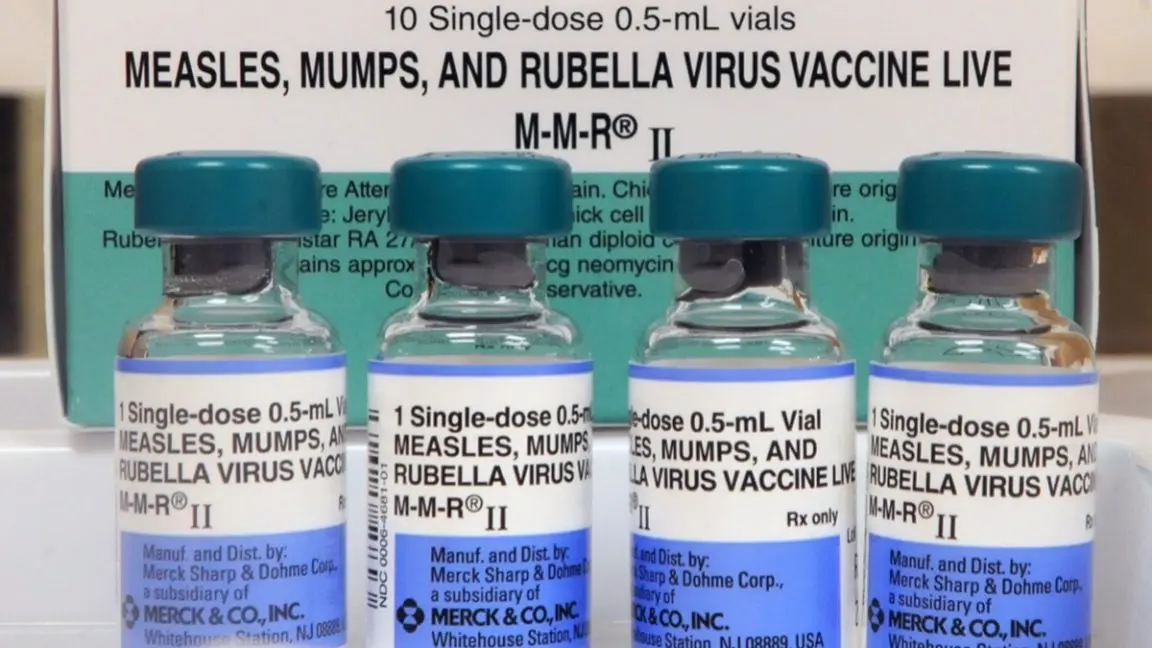








Executive Overview
Pennsylvania is currently grappling with the largest, most severe measles outbreak the United States has witnessed in a quarter-century. Surpassing every epidemiological threshold recorded since the virus was officially declared eliminated nationwide in 2000, the state’s ongoing public health emergency has shattered previous modern benchmarks. With well over 1,000 confirmed cases tied directly to the current wave—and a cumulative total surpassing 1,078 infections for the year 2026—this crisis represents a catastrophic failure of herd immunity, supercharged by declining vaccination rates and pervasive vaccine hesitancy.
The human toll of this outbreak is both profound and tragic. State health authorities have confirmed 207 hospitalizations and five preventable deaths. The fatalities include individuals whose lives were cut short before they had a chance to fully experience them, alongside young adults whose choice—or the choice of their guardians—to forgo the safe, highly effective measles, mumps, and rubella (MMR) vaccine proved fatal. Among the dead are a newborn, a six-week-old infant, an 18-year-old, a 20-year-old, and a 40-year-old. Crucially, public health investigations have confirmed that every single fatality occurred in an unvaccinated individual. The youngest victims were infants far too young to receive their first dose of the MMR vaccine, relying entirely on the diminishing cocoon of community immunity that has now utterly failed them.
This Pennsylvania outbreak does not exist in a vacuum; it is the apex of a broader, deeply concerning national trend. In recent years, slipping immunization rates across the United States have coaxed once-vanquished pathogens back into circulation. Prior to Pennsylvania’s record-breaking surge, states like Texas and South Carolina battled massive outbreaks of their own, with South Carolina previously holding the post-elimination record at 997 cases. Pennsylvania has now easily eclipsed that mark, and with tens of new cases continuing to be logged on a weekly basis, epidemiologists warn that the outbreak is far from contained.
Perhaps most alarmingly, this escalating domestic health crisis threatens a milestone that took generations of rigorous public health work to achieve. In November, experts at the Pan American Health Organization (PAHO)—acting as the regional office for the World Health Organization (WHO)—are scheduled to review epidemiological data to determine whether the United States has officially lost its measles elimination status. Public health authorities and infectious disease specialists widely expect that the threshold has been breached, a regression that would echo Canada’s loss of elimination status in 2025 and signal a dark new chapter for North American public health.
Detailed Chronology: The Anatomy of a Public Health Catastrophe
To understand how Pennsylvania reached this unprecedented juncture, one must examine the timeline of the outbreak—a slow burn that ignited in the spring and rapidly spiraled out of control due to community transmission in undervaccinated pockets.
The Early Months and the Spark (January – March 2026)
The year began with warning signs that public health officials now recognize as the precursor to a larger storm. During the first quarter of 2026, the Pennsylvania Department of Health recorded 12 sporadic measles cases. While these initial infections raised eyebrows among local epidemiologists, they were largely contained through aggressive contact tracing and isolation protocols. At the time, there was little indication that these early cases would serve as the spark for the largest explosive outbreak the US has seen since 1991—an era before high vaccination coverage completely severed native transmission chains.
The Spring Surge and Exponential Growth (April – July 2026)
The true crisis began in April 2026, when a cluster of cases rapidly multiplied, breaching the firewall of community immunity. Unlike the isolated incidents of the winter months, the April surge exhibited explosive transmission dynamics. Within weeks, hundreds of cases were logged, primarily concentrated in areas with historically low MMR vaccination rates.
As spring turned to summer, the virus tore through households, schools, and community gatherings. By mid-summer, health officials were forced to confront a grim reality: the outbreak was no longer localized. It had metastasized across multiple counties, overwhelming local health departments and severely straining hospital systems. The sheer velocity of the transmission outpaced contact tracing efforts, turning mitigation into a game of constant catch-up.
The Peak and Continuing Toll (August – October 2026)
By late summer and early autumn, the outbreak had secured its place in the history books. PAHO and CDC officials watched with mounting alarm as Pennsylvania’s numbers climbed past previous modern records.
The trajectory of the outbreak throughout the fall has shown little sign of a definitive downward slope. Data released by state health officials highlights a persistent, stubborn tail to the epidemic curve. In a recent seven-day reporting window, authorities logged 145 new cases. An additional 74 cases were identified in a subsequent update, with health officials noting that 40 of those newly added infections dated back more than two weeks, delayed only by the administrative backlog of verification and reporting. With dozens of infections continuing to be identified weekly, the outbreak remains an active, volatile emergency.
Supporting Context & Metrics: The Numbers Behind the Crisis
A comprehensive analysis of the Pennsylvania measles outbreak requires looking closely at the hard data released by the Pennsylvania Department of Health, the Centers for Disease Control and Prevention (CDC), and allied medical institutions.
Case Demographics and Transmission Vectors
As of this afternoon, the Pennsylvania Department of Health officially reported 1,078 measles cases for the entirety of 2026. Breaking down this staggering total reveals:
- 12 cases recorded between January and March.
- 1,066 cases tied directly to the current outbreak, which began in April.
- 145 cases diagnosed and reported within the final seven-day surveillance window.
- 74 cases identified since the preceding Monday update, demonstrating ongoing community spread.
The demographic profile of those infected heavily skews toward unvaccinated individuals, particularly school-aged children and young adults whose philosophical, religious, or administrative vaccine exemptions left them entirely unprotected. Because measles is one of the most contagious infectious agents known to science—capable of lingering in the air for up to two hours after an infected person leaves a room, and boasting a secondary attack rate of up to 90% among susceptible close contacts—the presence of unvaccinated clusters created an ideal breeding ground for the virus.
The Human Cost: Hospitalizations and Fatalities
The severity of measles is frequently underestimated by the public, who often mistake it for a benign childhood rash. The Pennsylvania outbreak has brutally dismantled this misconception.
Out of more than 1,000 outbreak-associated cases, 207 individuals required hospitalization—a hospitalization rate of nearly 20%. Patients suffered from severe complications, including acute pneumonia, debilitating encephalitis (brain swelling), severe dehydration, and secondary bacterial infections that required intensive care unit (ICU) admission and mechanical ventilation.
Most tragically, the outbreak has claimed five lives, all of whom were completely unvaccinated:
- A newborn infant, whose immature immune system could offer no defense and who was born too young to receive the MMR vaccine.
- A six-week-old infant, similarly defenseless due to age restrictions that dictate the first dose of the MMR vaccine be administered at 12 months (or 6 months if traveling internationally).
- An 18-year-old young adult, whose death stunned their local community and laid bare the vulnerability of older teens who missed routine immunizations.
- A 20-year-old young adult, representing the prime of life cut short by vaccine-preventable viral complications.
- A 40-year-old adult, underscoring that waning immunity or lifelong unvaccinated status poses lethal risks well beyond childhood.
A Broader National Epidemic
Pennsylvania’s crisis does not exist in isolation. It is part of a systemic decay in national immunization coverage. Public health analysts point to a series of escalating outbreaks over the past two years as evidence of a systemic vulnerability:
- Texas (January – August 2025): A major multi-county outbreak that concluded with 762 confirmed cases, heavily testing the healthcare infrastructure of the American Southwest.
- South Carolina (Ended April 2026): Upstate South Carolina previously held the modern post-elimination record with 997 cases before being surpassed by Pennsylvania’s current tally.
- Pennsylvania (April – Present 2026): Currently standing at 1,066 outbreak-linked cases (and 1,078 total for the year), shattering all previous modern benchmarks.
Official Statements and Public Health Warnings
The resurgence of measles has sparked intense debate, alarm, and condemnation from the medical and scientific communities, who have found themselves locked in a battle against both a biological virus and a tidal wave of misinformation.
The Battle Against Misinformation
As the body count rose, federal and state health officials faced fierce criticism for how public narratives surrounding the outbreak were managed. Notably, public health bodies and medical associations strongly rebuked anti-vaccine rhetoric circulating in the public sphere. When high-profile public figures and contrarian commentators attempted to minimize the severity of the outbreak or cast doubt on the safety and efficacy of the MMR vaccine—even as infants lay dying in hospital beds—infectious disease experts stepped forward to correct the record.
In statements issued by organizations such as the Infectious Diseases Society of America (IDSA) and the American Academy of Pediatrics (Pediatrics), medical professionals emphasized that the MMR vaccine remains one of the safest, most thoroughly studied medical interventions in human history. They condemned anti-vaccine claims as dangerous falsehoods that directly contribute to preventable hospitalizations and pediatric deaths.
State and Federal Health Department Responses
The Pennsylvania Department of Health, alongside the CDC, has mounted an intensive emergency response. Health officials have deployed mobile vaccination clinics to affected counties, dispatched epidemiological teams to trace transmission chains, and issued urgent health advisories to primary care physicians and emergency departments.
State health officials reiterated their plea to the public in a recent briefing:
"Measles is not a harmless childhood inconvenience; it is a ferocious, highly dangerous disease that preys upon the unprotected. The five deaths we have recorded in this outbreak are an absolute tragedy because every single one of them was entirely preventable. We urge every Pennsylvanian who is unvaccinated or behind on their MMR doses to speak with their healthcare provider immediately. Vaccination is our only shield."
Future Outlook: The Threat to US Elimination Status
As Pennsylvania continues to grapple with daily new infections, the long-term implications of this outbreak stretch far beyond state lines, casting a shadow over the entire nation’s public health standing.
The Impending PAHO Review
In November, experts at the Pan American Health Organization (PAHO)—the WHO regional office for the Americas—will convene to review epidemiological surveillance data from the United States. Their core mandate: to evaluate whether the continuous, unbroken chains of measles transmission spanning multiple months mean the United States has officially lost its coveted measles elimination status.
The US originally achieved measles elimination in 2000, a landmark achievement stemming from decades of robust public health infrastructure, aggressive school vaccination mandates, and widespread community trust in science. Maintaining elimination status requires preventing continuous, endemic transmission of the virus within a 12-month window. Because outbreaks like the one in Pennsylvania—alongside major surges in Texas and South Carolina—have spanned extended periods with persistent, unbroken community spread, public health experts widely anticipate that PAHO will strip the United States of its elimination status.
Such a downgrade would place the US in the company of neighboring Canada, which lost its own elimination status in 2025 following a similar surge in vaccine-preventable outbreaks.
The Road Ahead: Restoring Immunity and Trust
Reversing this dangerous trajectory will require an extraordinary, coordinated effort from federal, state, and local health authorities, as well as community leaders, educators, and healthcare providers. Experts emphasize that restoring high vaccination coverage—particularly reaching the benchmark 95% threshold required to maintain community herd immunity—is non-negotiable if the nation hopes to halt the resurgence of vaccine-preventable diseases.
However, clinical experts warn that logistical deployment of vaccines alone will not suffice. Rebuilding public trust in institutional medicine and countering the deeply entrenched misinformation campaigns that fueled the 2026 crisis remains an existential challenge for modern public health.
As Pennsylvania enters the late months of the year with active transmission still occurring, the state serves as both a cautionary tale and a sobering reminder: the victories of modern medicine are not permanent. Without constant vigilance, robust policy protections, and a collective commitment to public health, the ghosts of diseases past will continue to reclaim the vulnerable.