







Executive Overview
Pennsylvania is currently grappling with the largest and most devastating measles outbreak the United States has witnessed in a quarter of a century. Surpassing records that date back to 1991—long before the virus was officially declared eliminated nationwide—the state health apparatus has recorded a staggering 1,078 total measles cases for the year 2026 as of this afternoon. The vast majority of these infections, totaling 1,066 cases, have emerged in a relentless wave that began in April, turning what typically presents as isolated public health alerts into an unprecedented epidemiological emergency.
The human toll of this outbreak has been severe. Public health authorities have confirmed 207 hospitalizations and five tragic deaths. The deceased include a newborn, a six-week-old infant, an 18-year-old, a 20-year-old, and a 40-year-old. Epidemiological investigations have confirmed a devastating common denominator across every fatality: none of the victims were vaccinated against the measles virus. While the two youngest infants were biologically ineligible for the MMR (measles, mumps, and rubella) vaccine due to their age, the older victims remained unprotected amidst declining community immunization coverage.
This crisis is not an isolated phenomenon, but rather the apex of a broader, deeply concerning national trend. Slipping vaccination rates across the United States have steadily eroded herd immunity, clearing the runway for a disease once relegated to the history books to make a roaring comeback. Last year, Texas recorded a 762-case outbreak in the western region of the state, while South Carolina battled a massive 997-case wave that previously held the modern post-elimination record. Pennsylvania’s ongoing surge has easily eclipsed those milestones, and with 34 new infections added to the tally in just a matter of days—including delayed reporting of cases dating back more than two weeks—epidemiologists warn that the outbreak is far from contained.
Perhaps most alarmingly, this public health failure threatens the United States’ standing on the global stage. In November, experts at the Pan American Health Organization (PAHO), serving as the regional office for the World Health Organization (WHO), are slated to review epidemiological data to determine whether the United States has officially lost its measles elimination status—a hard-won designation achieved in 2000. Public health experts widely anticipate that the designation will be revoked, following Canada’s similar loss of elimination status in 2025.
Detailed Chronology: The Trajectory of the 2026 Outbreak
To understand the severity of Pennsylvania’s current public health crisis, one must trace the timeline of transmission that transformed sporadic cases into a statewide emergency.
The Early Months: A Quiet Prologue
The year 2026 began with low-level viral circulation. Between January and March, Pennsylvania health officials logged a modest total of 12 measles cases. While health departments monitor any case of measles with heightened vigilance given the extreme contagiousness of the pathogen, these initial infections did not immediately signal an impending catastrophe. They were handled through standard containment protocols, isolation, and contact tracing, leading public health officials to believe the sparks could be successfully quenched before taking root.
The April Turning Point
The epidemiological landscape shifted dramatically in April. A combination of localized transmission clusters, pockets of low vaccination coverage, and delayed recognition of early symptoms allowed the virus to breach community defenses. Since the onset of this wave in April, health officials have recorded 1,066 distinct cases linked directly to the ongoing outbreak.
The virus, which spreads primarily through airborne respiratory droplets remaining suspended in the air for up to two hours after an infected person leaves a room, found fertile ground in under-vaccinated networks. Schools, community gatherings, and healthcare waiting rooms acted as vectors of transmission, rapidly multiplying the number of exposed individuals.
Accelerating Momentum and Reporting Lags
As the summer months progressed, the transmission rate failed to slow, confounding traditional seasonal expectations for respiratory viruses. By late summer, the numbers had climbed into the hundreds, and by early autumn, Pennsylvania had officially shattered modern post-elimination records.
The logistical strain on local and state health departments has become palpable. In just the final week of reporting, authorities tallied 145 new cases. A single update revealed 74 newly identified infections, with health officials transparently noting that 40 of those cases actually dated back more than two weeks, delayed by administrative backlogs, diagnostic confirmation processes, and the sheer volume of contact-tracing investigations. This reporting lag underscores a terrifying reality: the numbers visible on public health dashboards represent a lagging indicator of where the virus was days or weeks ago, rather than a real-time boundary of where it is spreading today.
Supporting Context & Metrics: The Epidemiology of Failure
The numbers emerging from Pennsylvania do not exist in a vacuum. They are the mathematical manifestation of declining public health infrastructure, widening vaccination hesitancy, and the unique biological properties of the measles virus itself.
Understanding the R0 of Measles
Measles is widely recognized by epidemiologists as the most contagious infectious disease known to modern science. Its basic reproduction number ($R_0$)—which estimates the average number of people who will contract a contagious infection from one infected person in a population where everyone is susceptible—ranges from 12 to 18. By comparison, seasonal influenza has an $R_0$ of roughly 1 to 2, and the original strains of SARS-CoV-2 hovered around 2.5 to 3.
This extreme contagiousness means that herd immunity thresholds must be exceptionally high to protect a community. To prevent continuous transmission and safeguard vulnerable populations—such as infants, pregnant women, and the immunocompromised who cannot receive live vaccines—community vaccination coverage for the two-dose MMR vaccine must be maintained at or above 95%. When vaccination rates dip even a few percentage points below this threshold, the protective shield collapses, allowing the virus to tear through schools, neighborhoods, and healthcare facilities with exponential speed.
Comparative National Outbreaks
Pennsylvania’s record-breaking surge follows a troubling sequence of large-scale outbreaks across the United States over the past 24 months, highlighting a systemic national vulnerability:
- West Texas Outbreak (Jan–Aug 2025): Spanning eight months, a significant cluster of cases in Texas grew to 762 infections before state health officials could declare it contained.
- Upstate South Carolina Outbreak (Ended April 2026): Prior to Pennsylvania’s surge, South Carolina held the dubious distinction of hosting the largest post-elimination outbreak, culminating in 997 cases before being brought under control in the spring.
- Pennsylvania Surge (April–Present 2026): Surpassing both Texas and South Carolina, Pennsylvania’s outbreak has officially breached the 1,000-case threshold, currently standing at 1,066 outbreak-linked cases (1,078 total for the year).
The upward trajectory of these figures demonstrates that localized outbreaks are growing larger, lasting longer, and proving increasingly difficult to suppress using conventional public health containment strategies alone.
The Human Toll: Hospitalizations and Fatalities
The narrative of measles as a "mild childhood illness" has been thoroughly and tragically dismantled by the Pennsylvania outbreak. Out of the 1,078 cases reported this year, 207 patients have required hospitalization—a hospitalization rate of roughly 19%. Measles is notorious for inducing severe complications, including acute pneumonia, encephalitis (swelling of the brain), severe diarrhea resulting in dehydration, and immune amnesia, which wipes out the body’s memory of past infections and leaves survivors vulnerable to other dangerous pathogens.
The five recorded deaths serve as a grim reminder of the virus’s lethality:
- A newborn infant, biologically too young to receive the MMR vaccine, succumbed to measles complications after being exposed through community transmission.
- A six-week-old infant, similarly below the age threshold for immunization, lost their life despite intensive medical intervention.
- An 18-year-old young adult, unvaccinated against the virus, suffered fatal complications.
- A 20-year-old individual, lacking vaccination records, passed away during the height of the Lancaster County transmission cluster.
- A 40-year-old adult completed the tragic quintet, proving that measles complications are not restricted to the very young or the elderly.
In every single instance, coroners and health officials confirmed that the deceased were completely unvaccinated.
Official Statements and Public Discourse
As the outbreak spiraled into a historic crisis, it drew intense scrutiny from both medical professionals and political figures, igniting a fierce debate over public health messaging, vaccine confidence, and scientific integrity.
Public Health Authorities Urge Vigilance
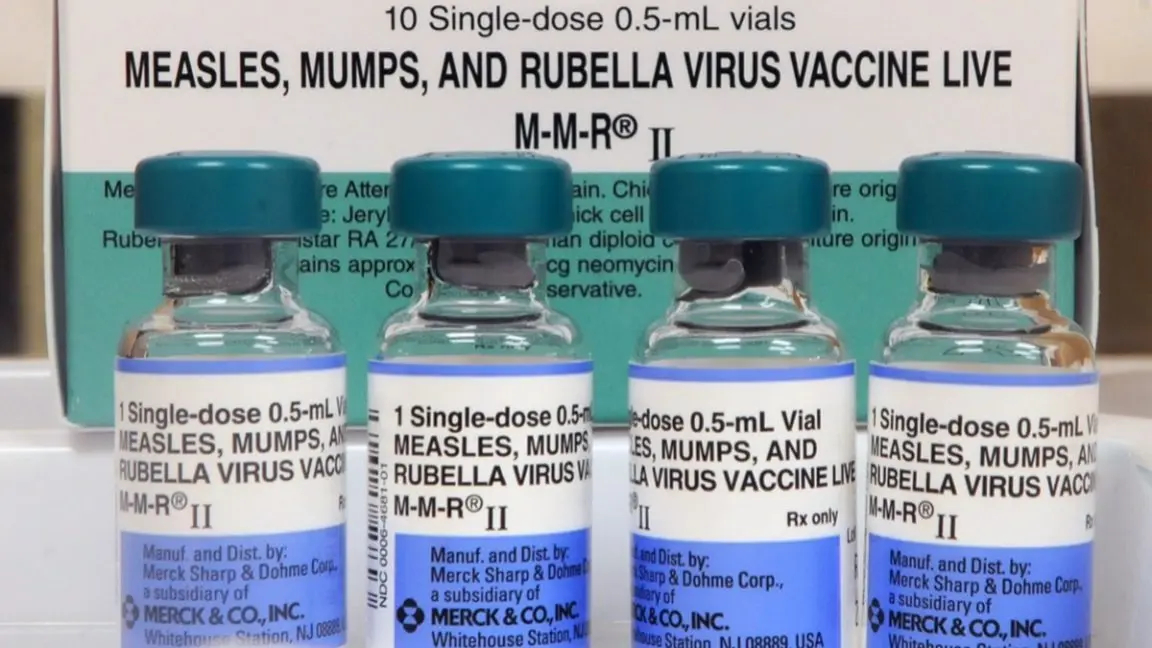
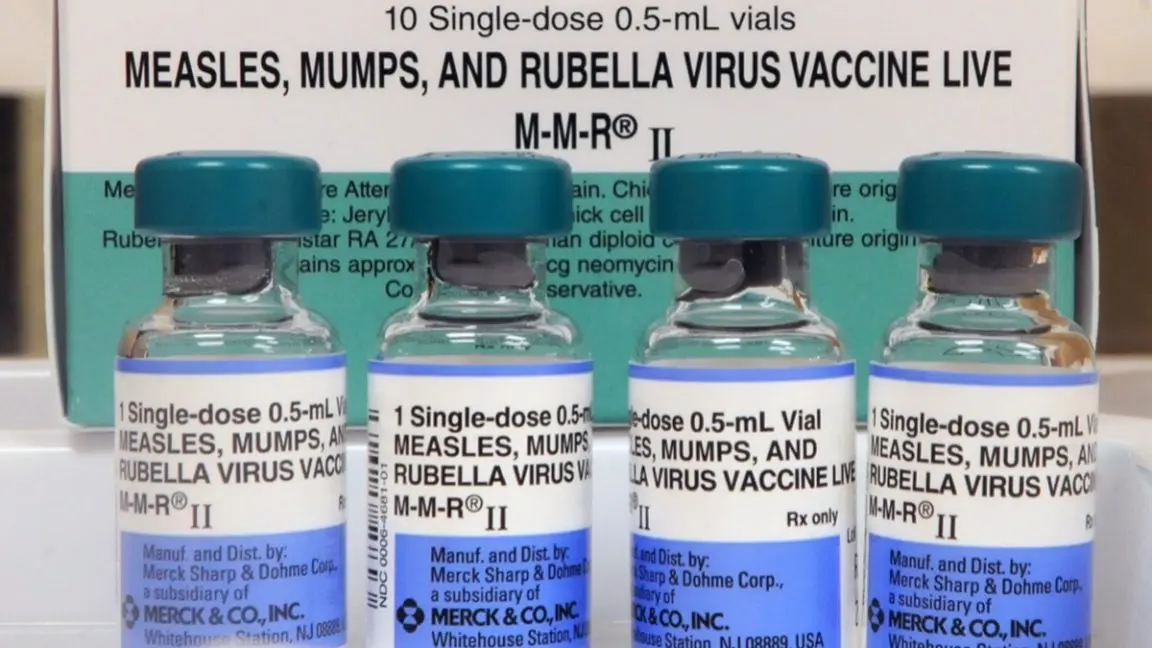
State and federal health agencies have worked tirelessly to push back against misinformation while providing actionable guidance to clinicians and the public. The Pennsylvania Department of Health has repeatedly emphasized that the MMR vaccine remains safe, highly effective, and the single best defense against infection.
In official briefings, state health officials have stressed the importance of timely immunization, noting that children should receive their first dose between 12 and 15 months of age, followed by a second dose between ages 4 and 6. For families traveling or residing in high-transmission counties, accelerated dosing schedules have been recommended under the guidance of pediatricians.
Furthermore, medical systems across Pennsylvania have implemented rigorous screening protocols. Hospitals have established separate triage pathways for patients presenting with fever, cough, coryza, and conjunctivitis (the hallmark "3 C’s" of measles) accompanied by a generalized maculopapular rash, aiming to prevent nosocomial (hospital-acquired) spread to vulnerable patients undergoing chemotherapy or specialized treatments.
The Controversy Over Misinformation
The public health response has been complicated significantly by external rhetoric. Earlier in the outbreak, high-profile public disputes erupted when figures such as Robert F. Kennedy Jr. questioned official mortality counts and propagated anti-vaccine narratives. These statements drew sharp rebukes from medical societies, epidemiologists, and county coroners who were forced to publicly verify the exact causes of death for infant and adolescent victims.
Medical ethicists and infectious disease specialists have warned that public skepticism regarding vaccine safety directly fuels outbreaks of this scale. When anti-vaccine rhetoric erodes trust in established medical science, vaccination rates drift downward, creating the exact epidemiological vulnerabilities that allow ancient pathogens to stage modern comebacks. Public health advocates have called for a unified, transparent communication strategy from political and medical leaders to rebuild public trust and counteract dangerous falsehoods.
Future Outlook: The Threat to US Elimination Status
As Pennsylvania health workers race to trace contacts, administer post-exposure prophylaxis (such as the MMR vaccine within 72 hours of exposure or immune globulin for vulnerable individuals), and urge residents to vaccinate, the implications of this outbreak extend far beyond state borders.
The Pan American Health Organization Review
In November, a critical threshold will be crossed. Experts at the Pan American Health Organization (PAHO)—acting in its capacity as the regional office for the World Health Organization—are scheduled to convene and evaluate epidemiological data concerning measles transmission in the United States.
The central question before the panel is whether the ongoing, multi-state resurgence—anchored by Pennsylvania’s massive outbreak—violates the criteria for measles elimination. To maintain elimination status, a country must demonstrate the absence of continuous, endemic transmission of the virus for a period of 12 months or longer within a specific geographic area. Given that large-scale outbreaks have persisted across Texas, South Carolina, and now Pennsylvania over consecutive years, public health experts widely anticipate that the review will conclude that the United States has lost its elimination status.
Canada faced a similar reckoning in 2025, losing its own elimination status after enduring sustained transmission chains that overwhelmed public health defenses. For the United States, losing this status would represent a profound symbolic and practical setback, marking the reversal of one of the greatest public health triumphs of the late 20th century—the successful eradication of endemic measles transmission through universal vaccination.
The Path Forward
Reversing this trajectory will require a multi-faceted, long-term commitment from lawmakers, healthcare providers, community leaders, and public health institutions. Restoring community-wide vaccine coverage above the critical 95% threshold is non-negotiable if the nation hopes to halt transmission chains and mount a credible bid to regain elimination status in the future.
Public health agencies must also invest heavily in rebuilding trust within hesitant communities, addressing localized barriers to healthcare access, and deploying rapid-response immunization clinics directly into affected regions.
Pennsylvania’s 2026 measles crisis serves as a stark, sobering lesson for the entire nation. It demonstrates with tragic clarity that infectious diseases do not vanish permanently simply because we have forgotten their devastation; they wait in the margins, poised to return the moment our collective guard is dropped.