Executive Overview
In a seismic shift that is bound to redefine the global entertainment, gaming, and consumer products landscapes, Skydance President Andy Gordon has unveiled a sweeping organizational overhaul. Following the completion of the high-profile corporate merger between Skydance and Paramount, the newly formed entertainment titan is aggressively expanding its footprint far beyond traditional film and television production.
The cornerstone of this ambitious restructuring is a blockbuster consolidation: the merging of Paramount’s and Warner Bros. Discovery’s (WBD) respective gaming and interactive experiences divisions. This unprecedented alliance unites some of the most recognizable and lucrative intellectual properties in pop culture history under a single, unified banner. From the sci-fi frontiers of Star Trek and The Matrix to the magical halls of Harry Potter’s Wizarding World, the gritty streets of Gotham City with the DC Universe, and the animated whimsy of SpongeBob SquarePants, the combined entity commands an unmatched portfolio of digital and physical entertainment assets.
Beyond interactive gaming, Gordon has finalized key executive leadership appointments across pivotal non-theatrical divisions, including consumer products, global publishing, human resources, and worldwide operations. According to internal memos obtained exclusively by industry trade publications, this structural pivot is designed to transform the newly merged studio into an omnichannel powerhouse. By fusing linear storytelling with interactive gaming, location-based live entertainment, and robust global merchandising, Skydance is betting big on the future of franchise-driven audience engagement.
As the dust settles on one of the most complex corporate realignments in modern media history, industry analysts are closely watching to see how this mega-studio leverages its newfound scale. With major internal video game developers—such as Hogwarts Legacy creator Avalanche Software, NetherRealm Studios, Rocksteady Studios, and TT Games—now falling under the same corporate umbrella alongside Paramount’s freshly minted gaming studio, the global video game industry is facing a monumental paradigm shift.
Detailed Chronology of the Restructuring
The journey toward this monumental corporate consolidation has been marked by a series of rapid, high-stakes maneuvers designed to streamline operations and maximize asset value.
The Lead-Up: The Skydance-Paramount Merger
For months, Hollywood has been captivated by the high-stakes financial dance surrounding Skydance’s acquisition and merger with Paramount. Once the deal cleared regulatory hurdles and shareholder approvals, the newly combined leadership team immediately turned its attention toward organizational efficiency. While the film and television divisions commanded initial media attention, insiders knew that the true long-term value of the merger lay in the cross-platform monetization of legacy intellectual property.
The June Prelude: Launching the Paramount Game Studio
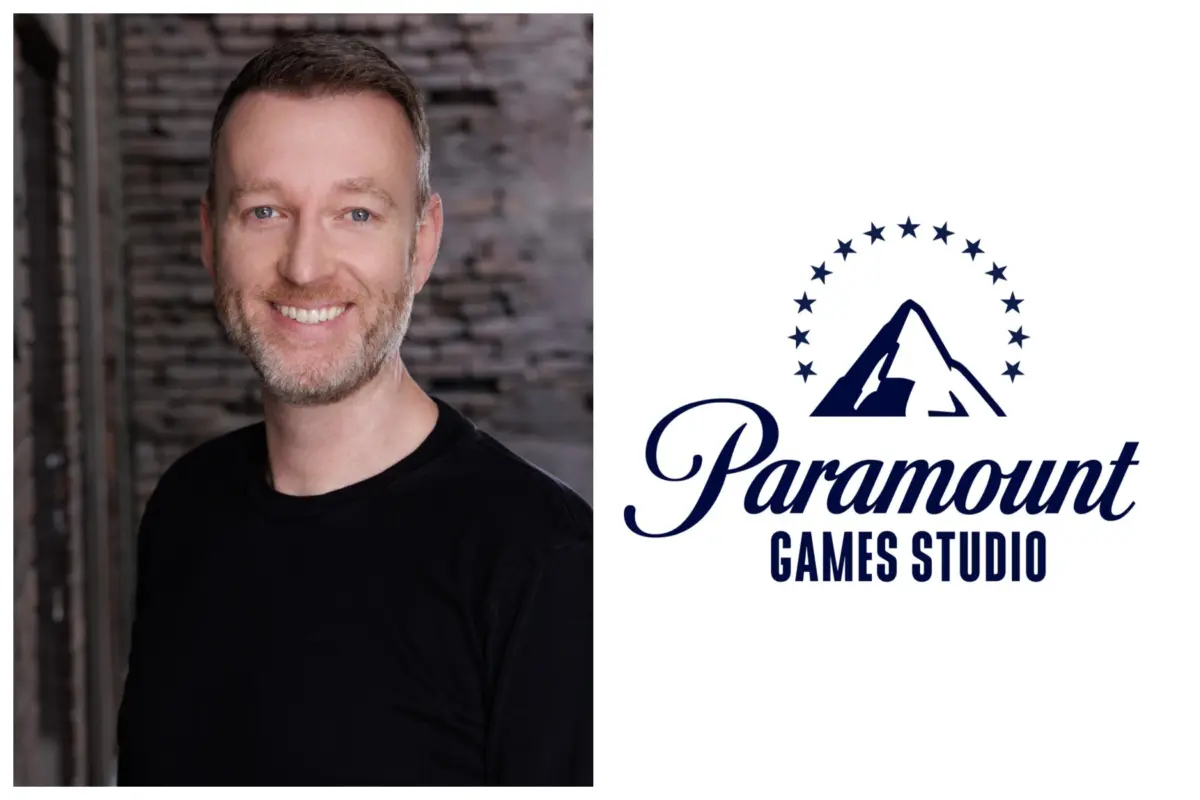
The precursor to Tuesday’s massive announcement occurred in June, when Paramount formally established its dedicated video game studio. Spearheaded by industry veteran Driscoll, this initiative was designed to bring Paramount’s rich catalog of cinematic and television franchises into the interactive gaming space with greater frequency and higher production values. At the time, the move was seen as a major statement of intent. However, industry observers had no inkling that an even larger consolidation involving Warner Bros. Discovery’s robust gaming apparatus was waiting in the wings.
The Tuesday Evening Revelations
The definitive blueprint for the future was delivered to employees late Tuesday evening via a pair of internal communications from top leadership. Skydance President Andy Gordon sent out the master restructuring memo, outlining the core pillars of the company’s post-merger growth strategy. Shortly thereafter, games and experiences chief Driscoll issued his own rallying cry to the newly combined interactive workforce, outlining a vision that spans from global theme parks and studio tours to next-generation AAA video games.
By officially uniting the development teams of Paramount and Warner Bros. Discovery, leadership has effectively bypassed years of potential inter-studio competition, creating an instant powerhouse capable of rivaling tech giants and legacy gaming behemoths alike.
Supporting Context & Metrics: Uniting Two Content Titans
To truly understand the magnitude of this restructuring, one must examine the sheer scale of the intellectual properties and development houses now operating under the same corporate roof. This is not merely a merger of business units; it is a convergence of two distinct, highly lucrative pop-culture universes.
The IP Portfolio: A Who’s Who of Entertainment History
The combined entity now commands a staggering array of foundational franchises, split across two deep wells of nostalgic and contemporary content:
-
From the Paramount Catalog:
- Star Trek (Sci-fi television and film institution spanning nearly six decades)
- Mission: Impossible (High-octane global blockbuster action franchise)
- SpongeBob SquarePants (Global multi-billion-dollar animation and merchandising phenomenon)
- South Park (Iconic, long-running adult satirical animation)
- Avatar: The Last Airbender (Critically acclaimed, multi-generational fantasy epic)
- The Godfather (Cinematic masterpiece and cultural touchstone)
-
From the Warner Bros. Discovery Catalog:
- Harry Potter / Wizarding World (One of the highest-grossing media franchises in human history)
- DC Universe (Home to legendary icons including Batman, Superman, and Wonder Woman)
- Mortal Kombat (A legendary, multi-million-selling fighting game franchise)
- The Matrix (Groundbreaking sci-fi action franchise)
- Rick and Morty (Massively popular modern adult animation hit)
- Game of Thrones (Global fantasy television juggernaut)
The Development Powerhouse: Who is Under the Umbrella?
Perhaps the most startling revelation of the restructuring is the integration of Warner Bros. Games’ internal development studios with the newly minted Paramount Games Studio. This brings several legendary game development houses into the broader Skydance ecosystem:
- Avalanche Software: Based in Salt Lake City, Utah, this studio achieved stratospheric global success with the release of Hogwarts Legacy, one of the best-selling video games of the modern era. Their expertise in open-world wizardry will be a massive asset moving forward.
- NetherRealm Studios: Based in Chicago, Illinois, this studio is world-renowned for creating the ultra-popular Mortal Kombat series and critically acclaimed Injustice franchise, setting the global standard for fighting games.
- Rocksteady Studios: Based in London, England, Rocksteady earned global critical acclaim and a fiercely loyal fan base through its legendary Batman: Arkham trilogy, defining the benchmark for superhero action-adventure gaming.
- TT Games: Based in the United Kingdom, TT Games has delighted families and franchise fans for decades through its massively successful line of LEGO-branded video games (LEGO Star Wars, LEGO Batman, LEGO Harry Potter).
- WB Games Montreal & Boston: These regional powerhouses provide vital multi-platform development and live-service operational support, ensuring continuous player engagement across major live-service titles.
Official Statements and Leadership Vision
The transition is being steered by executives who emphasize a holistic approach to modern entertainment. Rather than viewing films, games, and consumer products as separate revenue streams, Skydance leadership is championing an ecosystem where fans can interact with their favorite stories across every conceivable medium.
Andy Gordon’s Strategic Roadmap
In his email to the staff on Tuesday evening, Skydance President Andy Gordon articulated a clear, forward-looking vision for the consolidated company:
"We’re investing in our future growth engines alongside our core ambitions in TV, Film and direct-to-consumer: Games, Experiences, Consumer Products, and Publishing," Gordon wrote.
"These are core pillars of our strategy to build engagement and fandom in both the physical and digital worlds. We want to meet consumers where they watch, play, and engage. At the same time, we see opportunities to build on DC Comics’ storytelling and expand our e-commerce offerings to connect fans with the brands they love."
Gordon’s focus on DC Comics is particularly revealing. By highlighting the comic book publisher as a vital engine for storytelling, the studio signals that it intends to feed its cinematic, interactive, and publishing divisions with a continuous stream of fresh narrative material, mirroring the cross-media synergies perfected by competitors like Marvel Studios and Disney.
Driscoll’s Blueprint for Interactive and Live Experiences
Driscoll, who was tapped in June to lead Paramount’s gaming efforts and now commands the vastly expanded Games and Experiences division, addressed his newly integrated global workforce with a message emphasizing immersion, community, and global collaboration:
"We immerse our guests in theme parks, resorts, restaurants, retail, studio tours and more. We immerse our players in action, adventure, combat, competition and creativity, from ‘Batman’ to ‘SpongeBob,’" Driscoll wrote.
"And no matter your role on this team, you are a creator, builder, operator, and steward of those worlds. We have the opportunity to create amazing spaces where friendships are formed and communities grow. That is only possible because of your hard work and talent. Whether it’s on Zoom or in person, my first priority in the coming weeks is meeting as many of you as I can from LA to London, Montreal to Tokyo, and beyond."
Driscoll’s reference to physical spaces—such as theme parks, resorts, and live studio tours—highlights the physical-to-digital bridge that Skydance is attempting to build. By coordinating interactive game development with physical location-based entertainment, the studio can offer consumers a seamless brand journey.
Future Outlook: Challenges and Opportunities on the Horizon
As Skydance steps into this bold new era, the road ahead is fraught with both monumental opportunities and distinct operational challenges.
The Promise of Cross-Media Synergy
The primary advantage of this restructuring is the elimination of traditional corporate silos. In the past, video game development, film production, consumer products, and theme park operations often operated as distinct business units with minimal communication. Under Gordon and Driscoll’s unified leadership model, a single intellectual property—such as DC’s Batman or Paramount’s Mission: Impossible—can be developed simultaneously for the silver screen, current-generation home consoles, mobile devices, and immersive physical attractions. This synchronized rollout strategy minimizes marketing friction and maximizes consumer spending capture.
Navigating Cultural and Operational Integration
However, combining the corporate cultures of Skydance, Paramount, and Warner Bros. Discovery is no small feat. Integrating world-class development studios spread across disparate global hubs—including Los Angeles, London, Montreal, Tokyo, and Salt Lake City—requires delicate change management. Ensuring that creative talent feels supported and autonomous while adhering to overarching corporate strategies will be the ultimate test for executive leadership.
Furthermore, the modern interactive entertainment market is undergoing rapid transformation. Rising development budgets, lengthening production cycles, and shifting consumer habits mean that high-end AAA video game development carries substantial financial risk. The combined studio will need to carefully balance massive, high-budget blockbusters with agile, innovative digital experiences and robust consumer product lines to ensure long-term financial stability.
Conclusion: A New Giant is Born
The consolidation of Skydance, Paramount, and Warner Bros. Discovery’s interactive assets marks the definitive dawn of a new entertainment era. By linking legendary development studios like Rocksteady, Avalanche, and NetherRealm with timeless cultural touchstones like Star Trek, Harry Potter, and the DC Universe, the newly structured mega-company has positioned itself at the absolute forefront of global pop culture.
As Andy Gordon, Driscoll, and their leadership teams embark on this expansive mission to meet consumers "where they watch, play, and engage," the rest of the entertainment industry will be watching closely. If executed successfully, Skydance’s holistic vision of fandom and community-building could very well serve as the ultimate blueprint for the future of global entertainment.