By Global Energy & Technology Desk
Updated September 2026
Executive Overview
For the past several years, the narrative surrounding the artificial intelligence revolution has been defined by speed, scale, and a seemingly insatiable hunger for power. Hyperscale technology giants—including Microsoft, Google, Amazon, and Meta—have scrambled to secure land, electrical grid interconnects, and cooling resources to fuel the next generation of massive language models and generative AI systems.
Yet, beneath the glittering headlines of multi-billion-dollar campuses rising across the American landscape, a profound friction has taken hold. As utilities and state regulators introduce rigorous vetting requirements to curb speculative land-banking and grid overload, community opposition has emerged as an unexpected, formidable bottleneck.
A stark indicator of this shift comes from recent energy advisory data: more than $170 billion in AI data center capacity has been blocked, withdrawn, or stalled due to grassroots local pushback since January 2024. Placed against Goldman Sachs’ projection that major tech companies will spend roughly $581 billion on U.S. AI infrastructure this year alone, the scale of this roadblock becomes clear. The era of frictionless, rubber-stamped data center expansion is drawing to a close, replaced by a complex gauntlet of environmental scrutiny, grid constraints, and community mobilization.
Detailed Chronology: From Speculative Gold Rush to Regulatory Reckoning
To understand how the current gridlock materialized, it is necessary to retrace the explosive trajectory of the post-2022 generative AI boom.
1. The Early Land-Grab (2023–Early 2024)
Following the widespread public release of advanced conversational AI agents, technology conglomerates initiated a frantic race for real estate. Seeking low-cost power, expansive acreage, and business-friendly tax structures, developers flooded rural and suburban utility districts with interconnection requests. Many of these filings were speculative—developers submitted dozens of overlapping proposals with little intention of building all of them, hoping merely to reserve priority spots on the electrical grid.
During this initial window, local zoning boards and utility commissions, often dazzled by promises of high-tech jobs and municipal tax windfalls, approved developments with minimal friction.
2. The Awakening of Utilities (Late 2024–May 2025)
By mid-2025, the honeymoon phase between tech developers and public utilities had thoroughly fractured. As documented in a landmark May 2025 Utility Dive report, the sheer volume of speculative requests threatened to bankrupt regional grid planning. Utilities realized that if even a fraction of the requested gigawatts came online, local distribution systems would collapse under the weight.
In response, grid operators and state public utility commissions (PUCs) began instituting strict new vetting procedures. Developers were suddenly required to put down non-refundable multi-million-dollar deposits, prove ironclad financing, and demonstrate realistic timelines rather than speculative placeholders. As the headline of that pivotal report warned: “A fraction of proposed data centers will get built. Utilities are wising up.”
3. The Rise of Grassroots Resistance (Late 2025–Present)
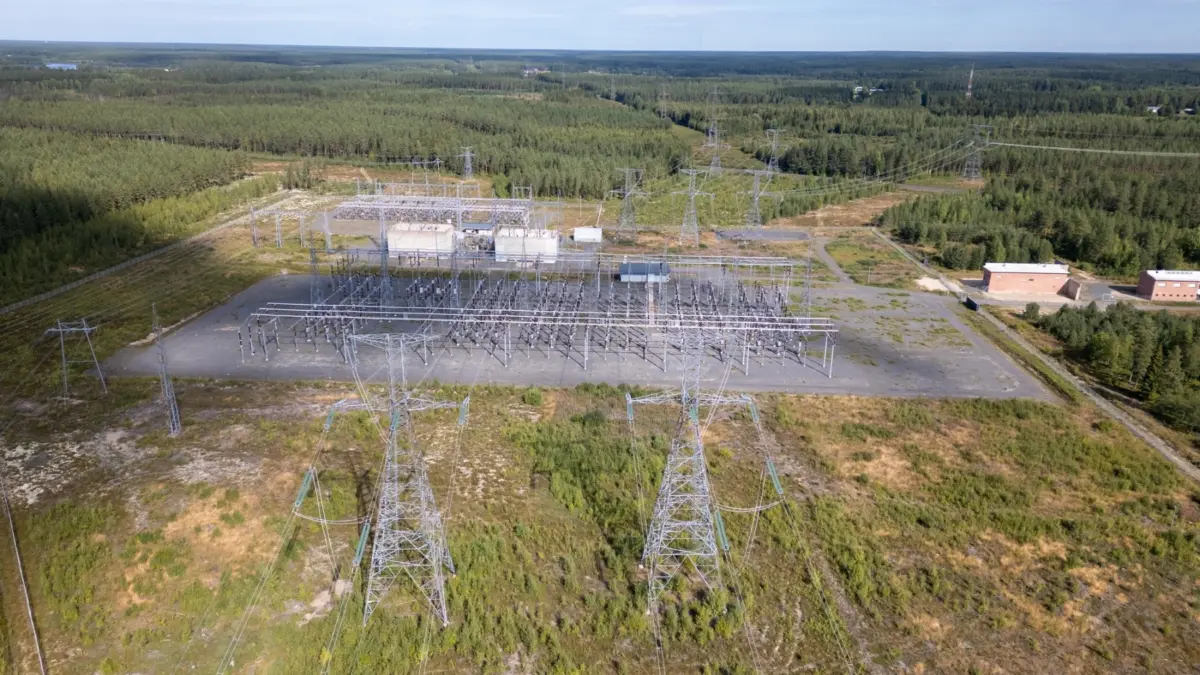
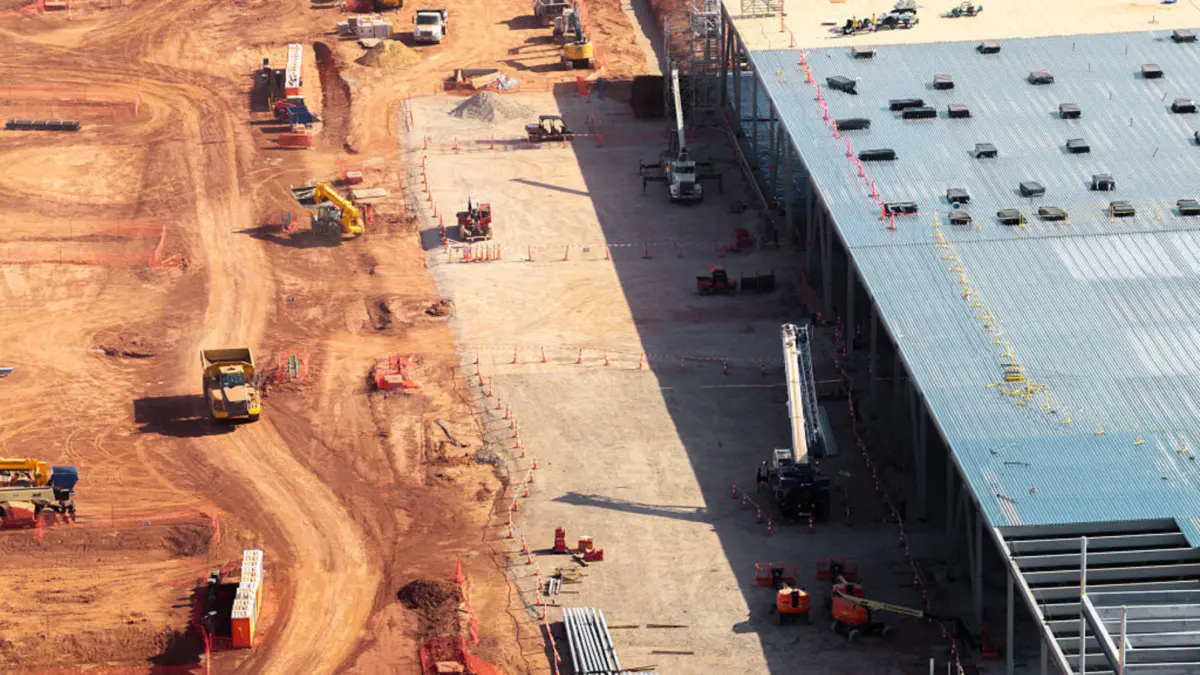
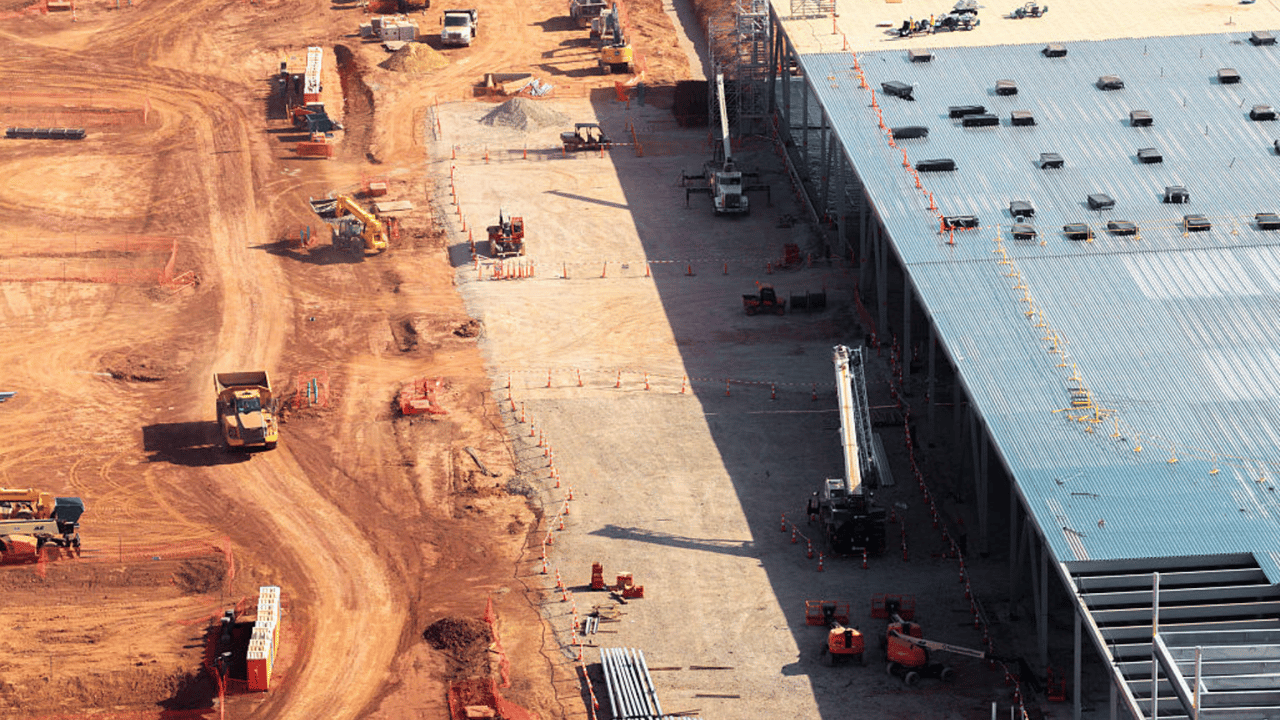
As heavy construction broke ground on massive facilities—such as the Stargate Oracle AI data center in Abilene, Texas—the physical realities of these megaprojects became starkly apparent to local residents. Noise pollution from industrial-scale cooling fans, unprecedented strains on municipal water supplies, and the construction of unsightly high-voltage transmission lines triggered an immediate backlash.
Citizens who had initially welcomed promises of economic development began organizing. By mid-2026, energy advisory firms like Relae (formerly Carbon Direct) reported that community opposition had single-handedly derailed or delayed over $170 billion in planned capacity. Local town halls transformed into battlegrounds, pitting tech conglomerates and utility executives against organized neighborhood coalitions armed with environmental impact studies and legal representation.
Supporting Context & Metrics: The Anatomy of a Bottleneck
The slowdown in data center deployment is not driven by community sentiment alone. It is the result of a multi-faceted matrix of industrial bottlenecks that are reshaping the economics of artificial intelligence.
The Five Pillars of Resistance
Industry analysts point to five primary barriers constraining the AI infrastructure boom:
- Community Opposition & Zoning Disputes: Grassroots pushback has weaponized local zoning laws, environmental reviews, and county commissioner meetings, leading to indefinite moratoriums in key states across the American South, Midwest, and Mid-Atlantic.
- Construction Labor Shortages: Specialized trade labor—particularly electricians, high-voltage technicians, and master plumbers capable of handling liquid-cooling infrastructures—remains critically scarce.
- Equipment Lead Times: Critical electrical components, such as high-capacity step-down transformers and gas turbine generators, feature backlogs stretching anywhere from three to five years.
- Grid Capacity Limits: Traditional power generation assets are aging out faster than they can be replaced, forcing utilities to either curtail data center hookups or risk rolling blackouts for residential ratepayers.
- Demand Uncertainty: C-suite executives are increasingly forced to balance aggressive AI capital expenditures against proof of long-term profitability, creating internal hesitation over speculative expansions.
Financial Stakes
The capital allocation involved is staggering. According to Goldman Sachs, global and domestic investment in AI infrastructure is slated to shatter historical records. Yet, with $170 billion of that projected pipeline caught in administrative, legal, or community limbo, efficiency and risk mitigation have replaced raw speed as the primary metrics of corporate success.
[Total Projected U.S. Hyperscaler AI Spend: ~$581 Billion]
       │
       ├─► [Active, Unobstructed Construction]: Moving Forward
       └─► [Stalled, Blocked, or Withdrawn by Opposition]: >$170 Billion
               ├── Grassroots Zoning & Environmental Lawsuits
               ├── Stricter Utility Interconnection Vetting
               └── Supply Chain & Labor Deficits
Official Statements and Industry Perspectives
The collision between hyper-growth technology companies and local communities has elicited sharp commentary from across the energy and technology sectors.
-
On the shifting utility landscape:
“Utilities are no longer rolling out the red carpet for any developer with a checkbook,” notes an energy market strategist at a major Midwestern electric cooperative. “They’ve looked at the sheer megawatt demands of these generative AI facilities—often equivalent to powering a mid-sized city—and realized that safeguarding local ratepayers must take precedence over corporate tech expansion.” -
On the power of community advocacy:
According to Relae’s comprehensive June 2026 research brief, local resistance has evolved from disorganized complaints into sophisticated, legally binding roadblocks. “Communities are recognizing that while data centers promise high property tax revenues, they offer minimal long-term permanent employment while extracting massive ecological and infrastructure costs. The social license to operate can no longer be taken for granted.” -
On the tech sector’s adaptation:
Hyperscalers are actively shifting strategies to bypass grid and community deadlocks. Major players like Google are increasingly pioneering "grid-interactive" data centers—transitioning facilities from passive consumers of electricity to active grid partners capable of supplying backup power, utilizing modular nuclear solutions, or co-locating directly behind-the-meter with renewable energy parks.
Future Outlook: Where Does the AI Infrastructure Boom Go From Here?
As the industry looks past 2026, the trajectory of artificial intelligence development is undergoing a necessary maturation process. The "wild west" phase of data center speculation is definitively over.
Moving forward, success in the AI infrastructure space will belong to developers who prioritize transparency, community co-ownership, and innovative engineering. Rather than attempting to force massive, grid-straining facilities into hostile municipalities, forward-thinking tech companies are investing heavily in:
- Behind-the-Meter Generation: Partnering directly with geothermal, small modular nuclear reactors (SMRs), and advanced solar-plus-storage setups to ensure facilities do not draw precious capacity away from local residential grids.
- Advanced Liquid Cooling: Minimizing the catastrophic water-consumption footprints that have historically galvanized local farming and suburban communities into opposition.
- Proactive Civic Engagement: Engaging with local stakeholders during the earliest planning phases—offering community benefit agreements, funding local educational programs, and transparently addressing noise and traffic concerns before zoning applications are formally filed.
Ultimately, while community opposition and strict utility vetting have successfully reined in speculative excess, they will not halt the artificial intelligence revolution. Instead, these hurdles are forcing a much-needed recalibration—ensuring that the digital infrastructure of tomorrow is built on a foundation of sustainable energy, regulatory compliance, and social license.