






Executive Overview
The intersection of artificial intelligence, high-performance computing (HPC), and public-private academic infrastructure has entered a new chapter in Bryan, Texas. What began over a decade ago as a visionary blueprint by the Texas A&M University System (TAMUS) has undergone a dramatic resurrection. Following a stalled private development phase that culminated in a Chapter 11 bankruptcy filing in November 2025, the ambitious data center project on the RELLIS Campus has found a new steward.
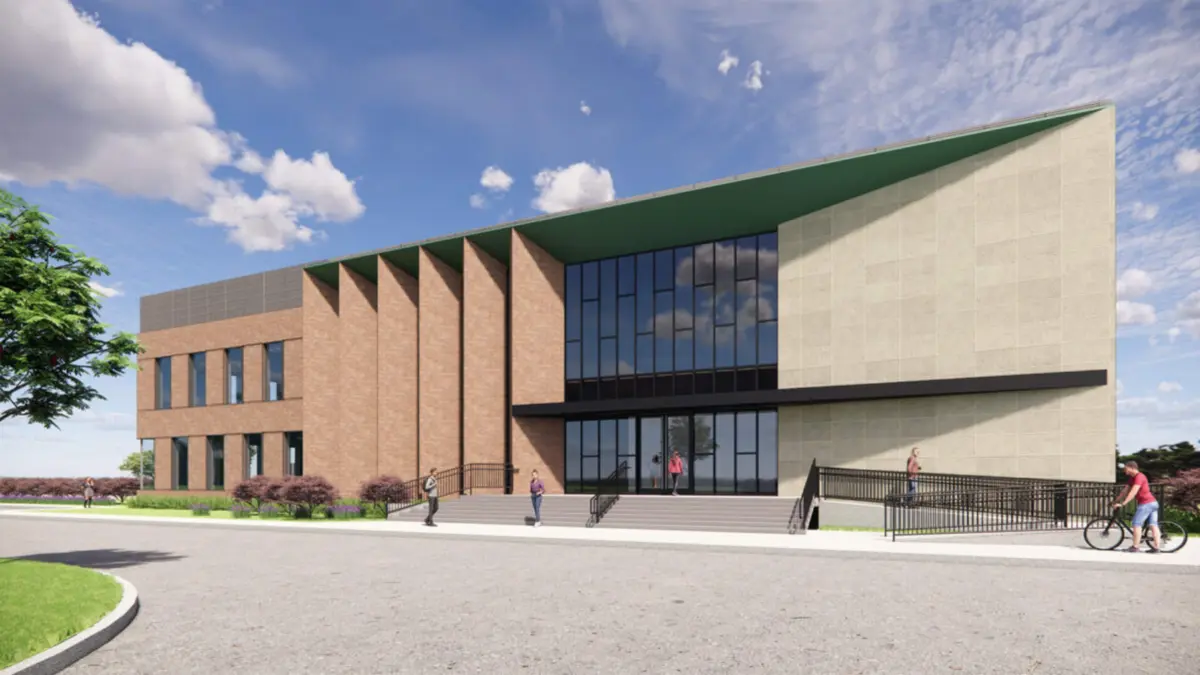
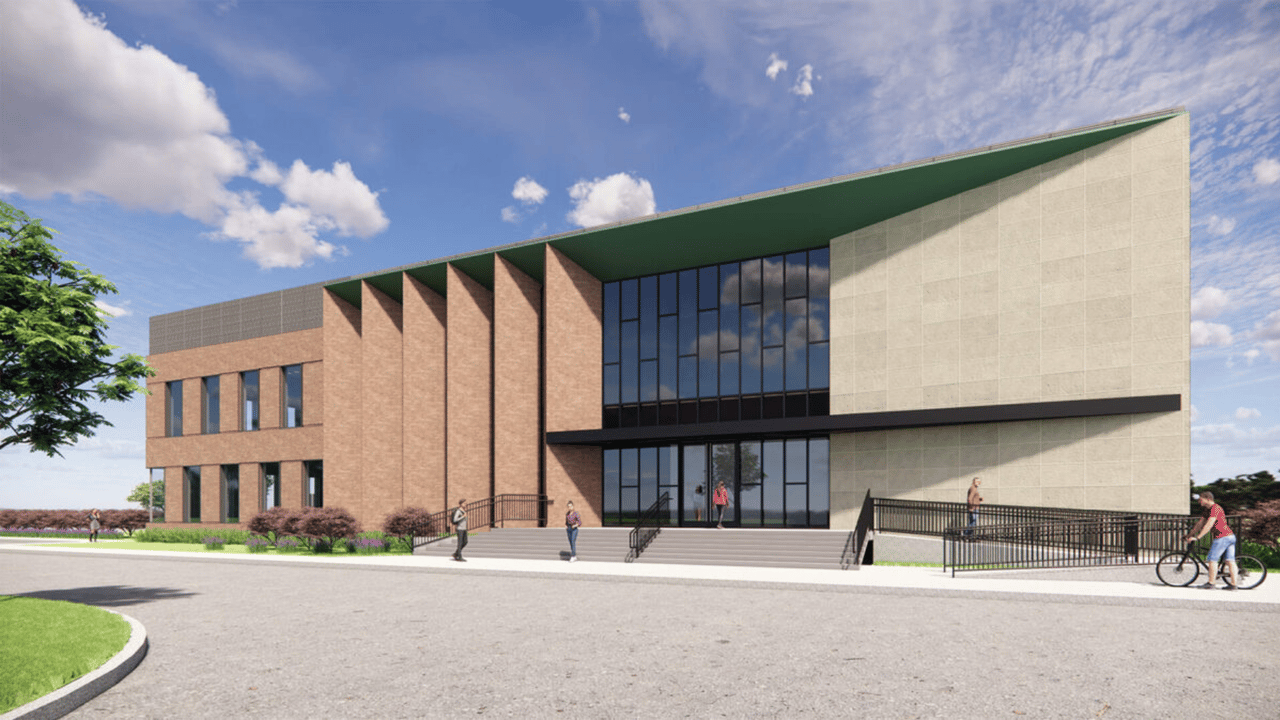
Austin-based AI software firm ThisWay Global (TWG) officially acquired the distressed project, closing the transaction on September 30, 2026. This move breathes new life into a stranded asset and lays the groundwork for a phased, 73-megawatt (MW) facility known as the Research and AI Compute Center (RACC). Spanning approximately 25 acres of TAMUS land, the facility is designed to serve as a cornerstone for advanced research, workforce development, and mission-critical industries—including defense, healthcare, and energy.
Rather than proceeding with the original blueprint—which favored conventional office space and traditional air cooling—ThisWay Global is fundamentally redesigning the facility. The reimagined RACC will leverage high-density computing architecture, closed-loop liquid cooling, and TWG’s proprietary software stack to enforce verifiable digital sovereignty. Backed by financial heavyweights such as Centaurus Capital and Skylar Capital Management, the project aims to resolve outstanding creditor claims while addressing a critical bottleneck in the domestic availability of high-end graphics processing units (GPUs).
Detailed Chronology: A Decade-Long Journey to the RACC
To understand the magnitude of ThisWay Global’s acquisition, it is essential to trace the operational timeline of the RELLIS Campus initiative. The narrative is one of ambition, administrative patience, market disruption, and eventual salvage.
The Genesis: 2013–2017
The concept of establishing a major data center footprint at what would become the RELLIS Campus first emerged within TAMUS administrative circles around 2013. Administrators recognized that the Texas A&M system—a massive academic engine comprising multiple Tier-1 research institutions—required dedicated, proximate infrastructure to support burgeoning computational demands. By June 2017, TAMUS formalized these ambitions, formally proposing a municipal-scale data center project in Bryan, Texas, designed to attract private-sector investment and foster regional technology transfer.
The Stalled Build and Bankruptcy: 2024–2025
For years, the vision languished in the planning and procurement phases. It was not until 2024 that a private developer finally broke ground on the site, raising hopes that the long-promised facility would soon materialize. However, macroeconomic headwinds, supply chain constraints, and structural miscalculations in project scope caught up with the developer. The initiative derailed rapidly, culminating in a Chapter 11 bankruptcy protection filing in November 2025. The physical shell of the building sat unfinished, representing a classic case of a stranded asset—high potential value locked behind legal paralysis and unpaid creditor obligations.
The Turnaround and Acquisition: 2026
Recognizing the latent value of the partially built infrastructure, ThisWay Global stepped in during mid-2026. Following intensive negotiations and legal structuring, TWG successfully acquired the project out of bankruptcy, finalizing the transaction on September 30, 2026. Crucially, the acquisition strategy involved partnering with prominent Texas-based financial institutions—including Centaurus Capital and Skylar Capital Management—to secure the necessary capital not only to purchase the site but also to make all previous creditors whole. This decisive financial intervention insulated the university system from reputational damage and cleared the legal path for an immediate engineering overhaul.
Supporting Context & Metrics: Architecture, Cooling, and Power
The original architectural blueprint for the RELLIS data center was conceived during an earlier era of enterprise computing. It reflected traditional paradigms: expansive administrative offices, standard classroom footprints, and minimal localized server density. ThisWay Global recognized that deploying cutting-edge AI training workloads upon such a foundation would be impossible.
Facility Redesign and Structural Overhaul
TWG’s engineering teams spent weeks conducting rigorous structural analyses and computational floor-plan reconfigurations. The primary realization was that over half of the previously planned facility space was dedicated to standard office and educational layouts—space that desperately needed to be reclaimed for high-density compute infrastructure.
According to leadership, the newly structured RACC will scale rapidly. The initial building phase is engineered to encompass roughly 25% of the total projected compute capacity of the entire innovation campus. By stripping away redundant administrative square footage and maximizing floor-load tolerances, TWG has transformed a generic commercial structure into a specialized HPC environment.
Thermal Management: Transitioning to Liquid Cooling
The computational density required for modern Large Language Model (LLM) training and complex scientific simulations generates thermal loads that conventional computer room air conditioner (CRAC) units simply cannot manage.
- The Legacy Plan: The original developer envisioned conventional colocation supported by standard air-cooling methodologies.
- The TWG Rework: ThisWay Global is integrating an advanced, closed-loop liquid cooling system utilizing a specialized propylene glycol-water mix.
This thermal architecture enables direct-to-chip and high-density rack configurations, ensuring that clusters of power-hungry GPUs can operate at peak operational frequencies without thermal throttling or catastrophic failure.
Power Infrastructure and Phased Deployment
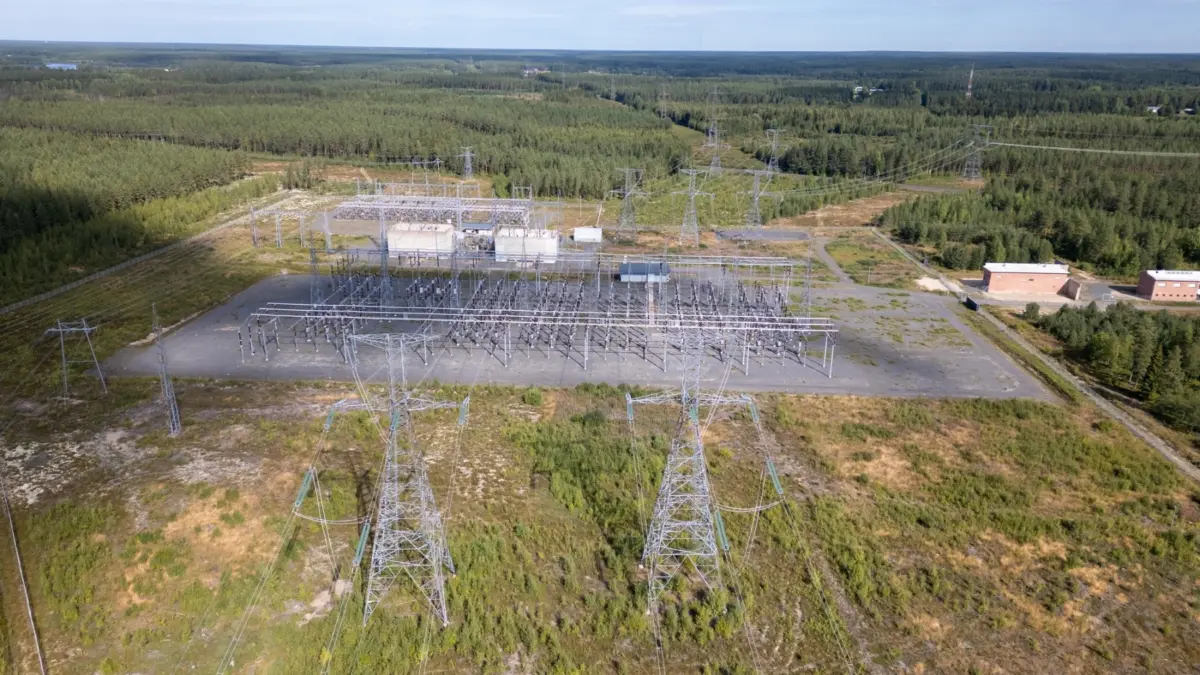
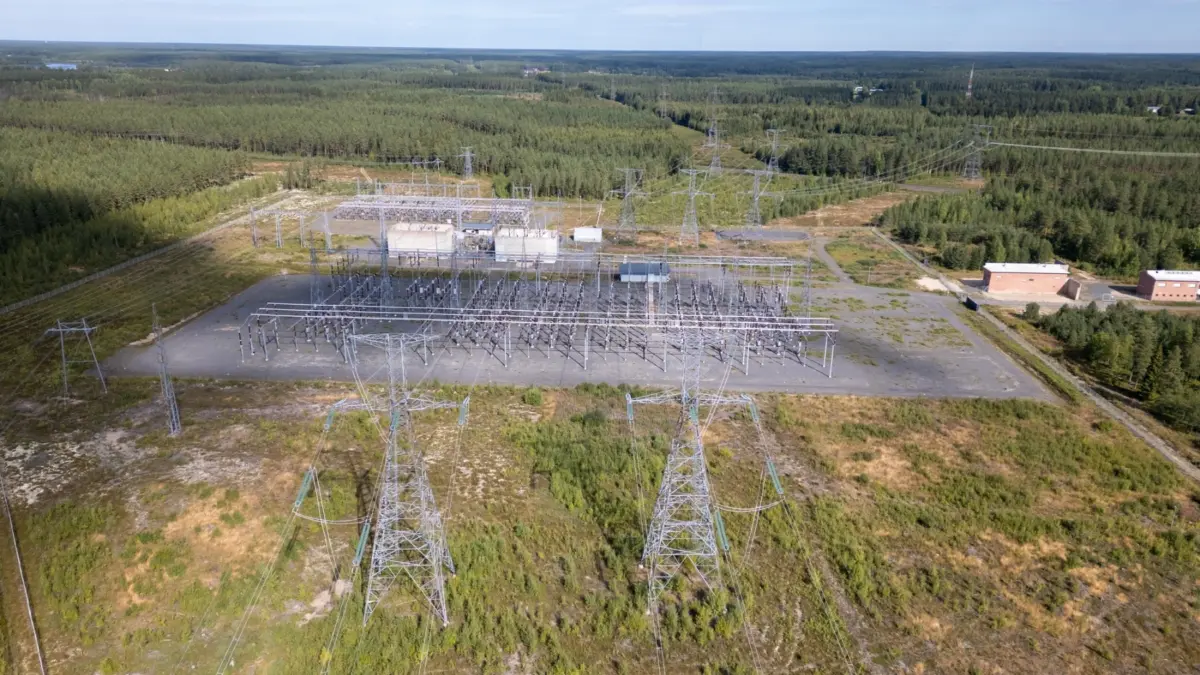
Power capacity remains the ultimate currency in the modern data center landscape. Situated within the service territory of Bryan Texas Utilities (BTU), the RELLIS project faces the rigorous scrutiny of municipal power availability and grid stability.
While TWG has maintained discretion regarding the exact megawatt allocations requested from BTU, CEO Stephan Fabel emphasized that the RACC is being developed as a strictly phased project. Future capacity expansions will be inextricably tied to confirmed power availability, grid upgrade milestones, and formal utility approvals, ensuring that the facility scales sustainably alongside regional infrastructure development.
Official Statements and Strategic Vision
The strategic rationale behind the RELLIS acquisition extends far beyond real estate reclamation. At its core, the project serves as a live-fire demonstration ground for ThisWay Global’s proprietary governance frameworks.
The Sovereign AI Blueprint
Introduced by TWG in September 2026, the Sovereign AI Blueprint is designed to address a growing anxiety among governments, enterprises, and research institutions: digital sovereignty. In an era where data leakage, unauthorized model harvesting, and ambiguous supply chains threaten national and corporate security, the blueprint provides a standardized framework for documenting precise lines of control. It explicitly maps out who owns the underlying data, which entities control the AI models, where the computing resources reside, and who maintains access privileges. The ultimate objective is to transform claims of digital sovereignty from marketing jargon into verifiable, auditable metrics.
"ThisWay saw great value in the bankrupt, languishing project, as the ideal place to demonstrate our Sovereign AI Blueprint and the meaningful outcomes that result from a mission-focused center for innovation," noted Stephan Fabel, CEO of ThisWay Global, in an interview with Data Center Knowledge. "The project’s location, on public land administered by TAMUS and RELLIS Campus leadership, presents the opportunity for ThisWay to not only support TAMU research but also its industry, defense, and governmental partners."
Bridging the R1 University Ecosystem
The RACC is not designed as a closed enterprise silo; rather, it is intended to act as an open conduit for advanced research. By positioning the facility on public university-affiliated land, TWG bridges the gap between theoretical academic research and applied industrial deployment.
"We are also looking forward to working with the larger R1 university ecosystem to provide short-term, large-scale access to HPC-grade infrastructure," Fabel added. This access is vital for Tier-1 research institutions that routinely hit computational bottlenecks when attempting to train proprietary models or run massive predictive simulations.
Future Outlook: Workloads, Compliance, and Regulated Industries
As the RACC moves from the engineering design phase toward active deployment, its operational focus will center on highly regulated verticals that require uncompromising security and compliance standards.
The Amalgamy.AI Compliance Stack
To enforce the governance tenets of the Sovereign AI Blueprint, every computational node deployed within the RELLIS facility will run TWG’s proprietary Amalgamy.AI software stack. This platform acts as an automated compliance layer, monitoring data ingestion, model execution, and user queries in real-time to prevent unauthorized access or data exfiltration.
Empowering Underserved, High-Stakes Verticals
The modern compute economy is heavily tilted toward hyperscale consumer tech giants, often leaving critical public-interest sectors struggling for GPU allocations. TWG intends to correct this imbalance by reserving significant computing capacity for foundational pillars of society:
- National Security & Defense: Providing sovereign infrastructure for classified or defense-adjacent intelligence workloads.
- Healthcare & Life Sciences: Accelerating drug discovery, genomic sequencing, and clinical trial modeling without compromising patient data privacy.
- Energy Sector: Optimizing smart grids, exploring subsurface geological formations for renewable and traditional resource management, and modeling climate impacts.
- Advanced Scientific Research: Powering multidisciplinary academic breakthroughs that require massively parallel processing.
"RACC is meant to provide desperately needed GPU access to some of the world’s most important missions: security, healthcare, energy, and research," Fabel concluded. "Our mission is to bring large-scale compute to underserved industries and create an opportunity for us to leapfrog in innovation and scientific progress."
With its financial foundation secured, its cooling and structural engineering modernized, and its compliance stack integrated, the Research and AI Compute Center at Texas A&M-RELLIS stands poised to transform from a stalled bankruptcy cautionary tale into a shining national benchmark for sovereign, high-performance AI infrastructure.