







By Shane Snider | Senior News Writer
October 8, 2026
Executive Overview
Securing clean electricity and robust grid connectivity is often considered the highest hurdle for technology giants racing to build the infrastructure required to power the artificial intelligence boom. However, a major regulatory enforcement action in Finland has upended that assumption.
The Finnish Licensing and Supervisory Authority (LVV) has directed Google to immediately halt major site preparation and construction work at two massive, planned data center developments in Muhos and Kajaani. The directive—issued to Google’s local subsidiary, Tuike Finland Oy—stems from findings that the tech giant engaged in extensive land clearing, excavation, and deforestation before completing the legally mandated Environmental Impact Assessments (EIAs).
The intervention serves as a high-stakes cautionary tale for the global data center industry. While Google successfully locked down abundant, carbon-free grid capacity through Finland’s transmission system operator, Fingrid, it collided with a fundamental tenet of European environmental law: regulatory compliance cannot be bypassed simply because the power supply is secured.
As technology companies pour unprecedented capital into physical infrastructure to support generative AI, the Finnish case underscores that navigating environmental permitting, statutory sequencing, and land-use laws is just as complex—and perilous—as securing megawatts of green energy.
Detailed Chronology: How the Finnish Dispute Unfolded
The sequence of events leading up to the Finnish regulatory crackdown highlights a classic clash between the breakneck speed of Big Tech infrastructure deployment and the methodical, unyielding pace of statutory environmental governance.
September 2025: The €13 Billion Investment Announcement
The initiative began with high-level fanfare. Google announced a monumental €13 billion ($14.1 billion USD) investment framework aimed at significantly expanding its digital infrastructure footprint in Finland. This sweeping strategic blueprint included new state-of-the-art data centers slated for Muhos, Kajaani, and Vaala, alongside substantial expansions at its established operational campus in Hamina.
For northern Finland, the investment promised a massive influx of capital, job creation, and economic diversification. The region was specifically chosen because of its unique geographical advantage: a surplus of carbon-free electricity production outstripping local consumption, matched with expansive, accessible grid capacity managed by Fingrid.
September 18, 2026: The Regulatory Inquiry
Behind the scenes, however, the scale of physical alterations on the ground caught the attention of regulators. On September 18, the LVV—acting in coordination with municipal authorities in Muhos and Kajaani, as well as local building-control boards—dispatched formal requests for information to Tuike Finland Oy.
The inquiry was triggered by reports of extensive land alteration across the designated zones. According to regulatory disclosures, the scope of work completed at the Muhos site alone had reached approximately 330 hectares of felled timber and prepared earth. Meanwhile, the Kajaani-Otanmäki site showed just under 200 hectares of major preparatory modifications.
October 2026: The Halt Order
Following an analysis of the responses provided by Google’s subsidiary, the LVV determined that the pre-construction activities had crossed the threshold from minor preparatory steps into permanent environmental conversion. Under the Finnish EIA Act, permanent conversions exceeding 200 hectares automatically trigger comprehensive environmental reviews before any disruptive physical actions can legally occur.
Consequently, the LVV issued a formal stop-work directive. The agency instructed Tuike Finland Oy to suspend all work that substantially alters the natural environment by October 23 at the latest. Furthermore, the agency set a strict deadline of October 14 for Tuike to submit a comprehensive written explanation detailing its compliance intentions.
Supporting Context & Metrics: Grid Capacity vs. Environmental Law
To fully understand the friction points of the Google-Finland dispute, industry analysts point to a fundamental disconnect between electrical engineering readiness and legal compliance.
The Power Puzzle Solved, the Law Overlooked
In the modern data center landscape, the primary bottleneck has universally been power. Grid operators across the globe—from the PJM Interconnection in the United States to major European transmission networks—are straining under the load demands of high-density AI clusters.
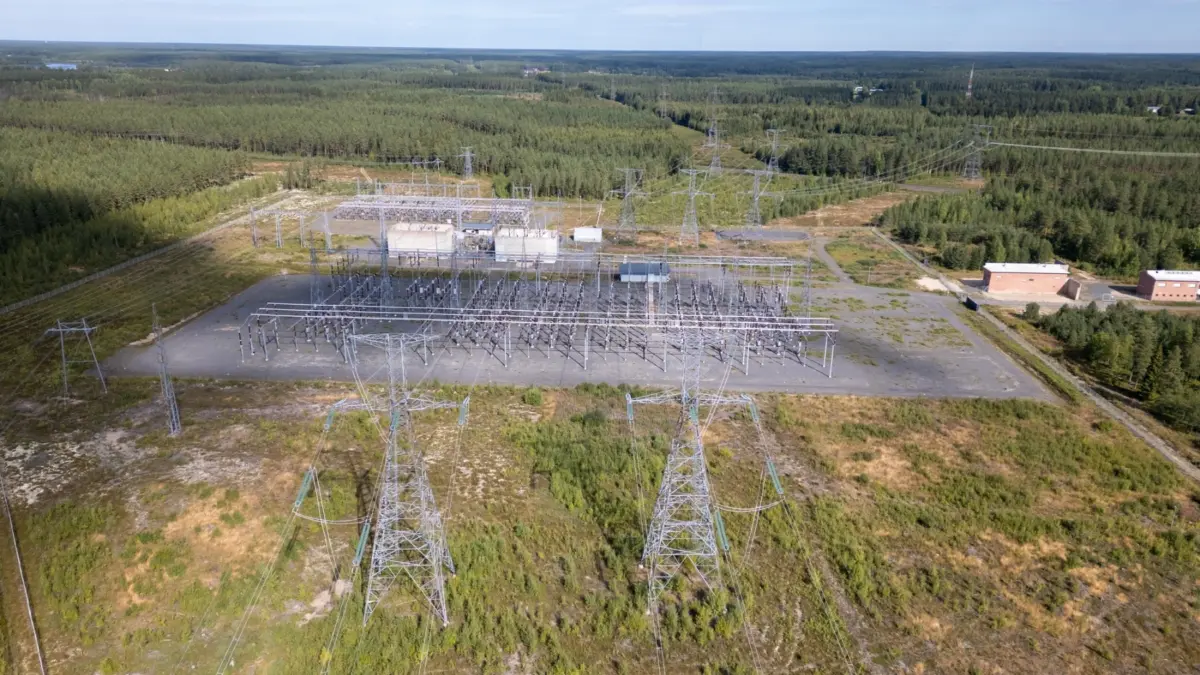
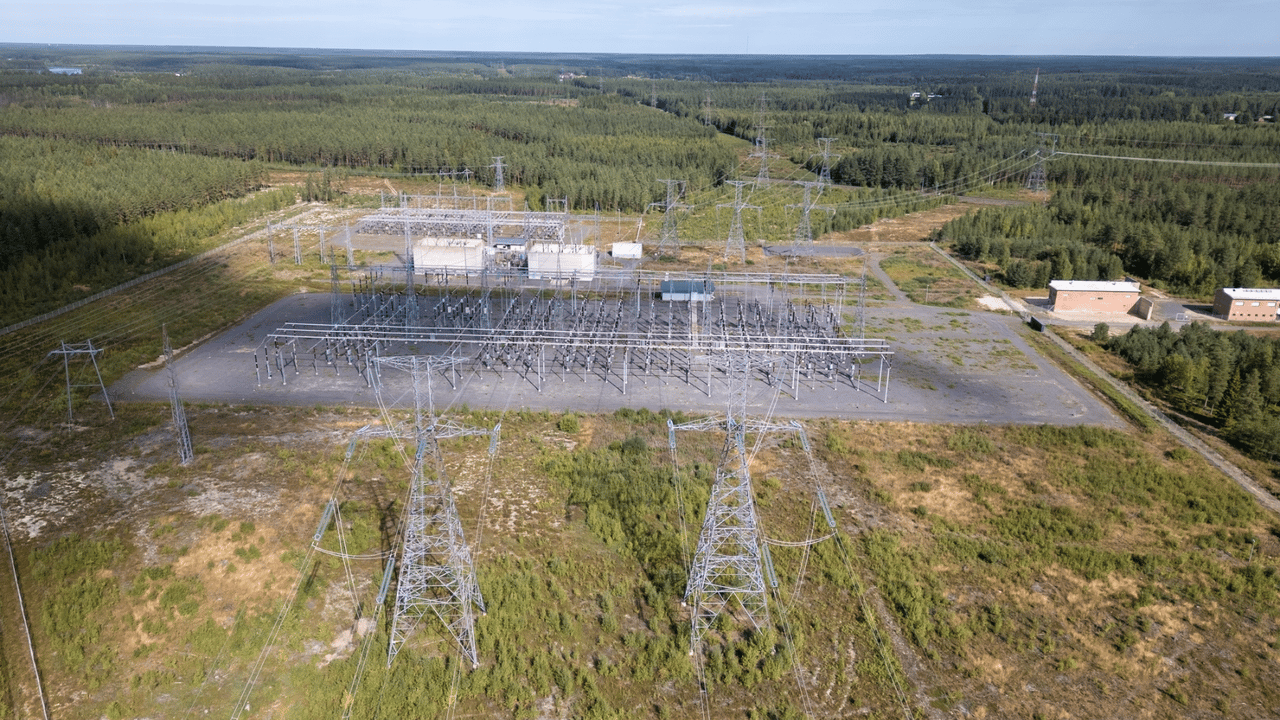
Finland, however, presented a rare exception. The country’s northern grid, overseen by Fingrid, possessed ample headrooms and surplus capacity near renewable generation assets.
+------------------------------------------------------------+
       GOOGLE'S FINNISH EXPANSION: THE DUAL BOTTLENECK
+------------------------------------------------------------+
| [SOLVED] Grid Capacity & Clean Power                       |
|   - Fingrid verified northern surplus                      |
|   - Muhos, Kajaani, and Vaala have ample megawatt capacity |
+------------------------------------------------------------+
| [FAILED] Environmental Impact Assessments (EIAs)           |
|   - Muhos: ~330 hectares cleared prematurely               |
|   - Kajaani-Otanmäki: <200 hectares cleared prematurely    |
|   - LVV stop-work order issued under Finnish EIA Act       |
+------------------------------------------------------------+
"Power was the part Google had already solved. Fingrid said the northern grid had room," noted Stephen Sopko, practice lead for semiconductor and deep tech at HyperFrame Research. "The failure was treating forest clearance as preparatory work when Finnish law treats permanent conversion above 200 hectares as the action regulators are there to judge."
The Scope of the Ban and Permitted Activities
The LVV’s stop-work order is comprehensive regarding disruptive civil engineering, but it draws clear legal boundaries around what remains permissible.
Prohibited activities under the order include:
- Tree removal and widespread deforestation
- Topsoil stripping and heavy excavation
- Industrial blasting and stone crushing
- Extensive earthmoving and drainage modifications
- Construction of permanent site access roads and industrial storage yards
Permitted activities include:
- Non-disruptive site planning and architectural layout design
- Engineering measurements and topographical surveys
- Soil composition testing and hydrogeological studies
- Other limited, reversible baseline assessments
Official Statements and Legal Perspectives
The regulatory intervention has sparked an intense debate among legal scholars, industry analysts, and corporate representatives regarding corporate responsibility, statutory interpretation, and the limits of "good faith" in industrial development.
Google’s Response and Admission
Facing mounting public scrutiny, Google acknowledged that its actions fell short of internal corporate governance standards. Sondre Ronander, communications manager for Finland and Norway at Google, addressed the public in an official statement:
"We understand the concern caused by the situation. In this case, we did not meet the high standards we set ourselves."
In an effort to remediate the damage, Google pointed to its ongoing landscaping and biodiversity initiatives, which include plans to plant new trees across 130 hectares of land in Muhos. The tech giant maintained that it acted in good faith, operating under its interpretation of Finland’s separate Forest Act, conducting preliminary nature surveys, and attempting to safeguard ecologically sensitive zones.
The Legal Counter-Argument: Why "Good Faith" Falls Short
Legal experts, however, emphasize that compliance with forestry regulations does not supersede or satisfy statutory requirements dictated by environmental impact legislation.
Tiina Paloniitty, associate professor of environmental and sustainability law at the University of Helsinki, argued that corporate intent holds little weight in administrative law when physical realities on the ground have already been altered.
"Compliance with one applicable law does not equal compliance with other applicable laws," Paloniitty stated via email. "Good faith is not a legally relevant argument here."
Paloniitty emphasized that the core purpose of an Environmental Impact Assessment is to gather unbiased data before major decisions are made, enabling authorities to examine alternatives and mitigate harms. Once hundreds of hectares of forest have been clear-cut and topsoil removed, the integrity of the assessment process is fundamentally compromised.
Addressing Google’s proposed remediation efforts—such as planting new trees—Paloniitty was blunt: "New trees do not replace a full-grown forest."
Future Outlook: Precedents and Industry Implications
While the LVV’s intervention is officially described by legal scholars as "highly unusual" in its scale and directness, it does not spell the cancellation of Google’s multi-billion-euro investments in Muhos and Kajaani.
Instead, the enforcement action acts as a hard regulatory pause. The data center projects can theoretically resume once the formal EIA reports—slated for completion throughout 2026—are fully reviewed, finalized, and factored into statutory decision-making processes.
The Path Forward for Tuike Finland Oy
Tuike Finland faces a tight window to address the LVV’s demands. The company must submit its formal written response and clarify its compliance path by October 14, with the complete suspension of heavy site work mandated no later than October 23.
If Google’s subsidiary chooses to contest the order or fails to comply voluntarily, the LVV has signaled its readiness to initiate formal legal enforcement procedures, which could involve substantial conditional fines.
Broad Lessons for the Global Data Center Sector
For hyperscalers, colocation providers, and enterprise developers rushing to scale out AI infrastructure, the Finnish enforcement action establishes a sobering precedent. Securing power purchase agreements (PPAs), verifying high-voltage transmission interconnects, and obtaining local municipal zoning approvals are no longer sufficient to guarantee uninterrupted project execution.
As Stephen Sopko aptly summarizes: "This is not just a data center rule. It is the rule for any major project. You can often do surveys and reversible site work ahead of the permit… What you can’t do is clear 300 hectares and call it anticipation."
Moving forward, data center developers must synchronize their environmental review timelines just as meticulously as their electrical engineering timelines. In an era of heightened environmental scrutiny and rapid AI infrastructure deployment, ignoring statutory sequencing can turn a multi-billion-euro technological triumph into a profound regulatory stumble.