







By Shane Snider | October 8, 2026
5 Min Read
Executive Overview
The rapid, relentless acceleration of artificial intelligence has pushed tech giants to scour the globe for cheap power, reliable grids, and vast tracts of undeveloped land. Yet, as Google recently discovered in the pristine expanse of northern Finland, winning the race for electricity does not grant immunity from the rule of law.
In October 2026, the Finnish Licensing and Supervisory Authority (LVV) ordered Google—acting through its local subsidiary, Tuike Finland Oy—to immediately suspend major site preparation work across two monumental data center projects in Muhos and Kajaani. Regulators stepped in after discovering that massive clear-cutting, earthmoving, and blasting had fundamentally altered hundreds of hectares of land before mandatory Environmental Impact Assessments (EIAs) could be finalized.
The intervention highlights a profound systemic friction in the modern tech landscape: the velocity of AI infrastructure development is frequently outstripping traditional regulatory frameworks. While Google successfully secured abundant, carbon-free grid capacity from national operator Fingrid, it tripped over legal guardrails designed to protect Finland’s ecosystems. By clearing hundreds of hectares of forest under the guise of "preparatory work," the tech titan triggered a rare and aggressive regulatory clampdown, offering a cautionary tale to data center developers worldwide.
Detailed Chronology: How the Finnish Crisis Unfolded
The collision between Google’s hyper-aggressive expansion strategy and Finnish environmental bureaucracy did not happen overnight. It represents a cascading series of planning milestones, rapid industrial actions, and sudden regulatory checks.
September 2026: The €13 Billion Mega-Announcement
The friction began in the wake of Google’s high-profile announcement in September 2026, when the company committed to a staggering €13 billion investment across Finland. The capital injection was earmarked for cutting-edge AI infrastructure, encompassing new mega-campuses in Muhos, Kajaani, and Vaala, alongside a significant expansion of its existing operational footprint in Hamina.
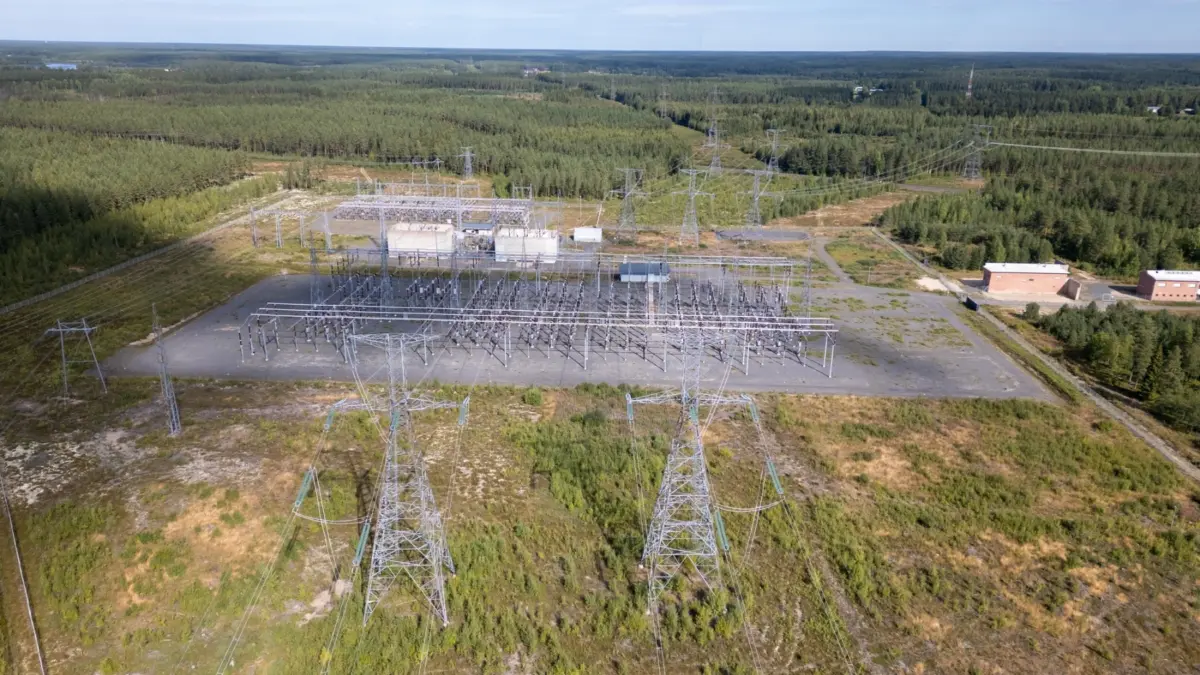
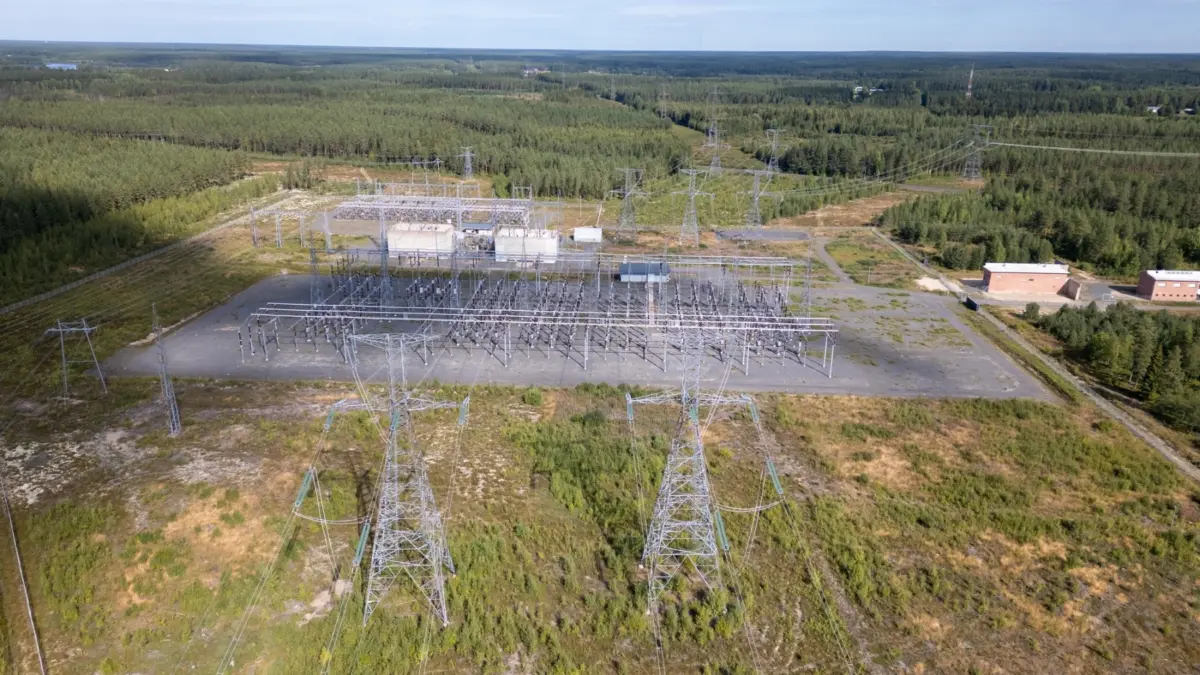
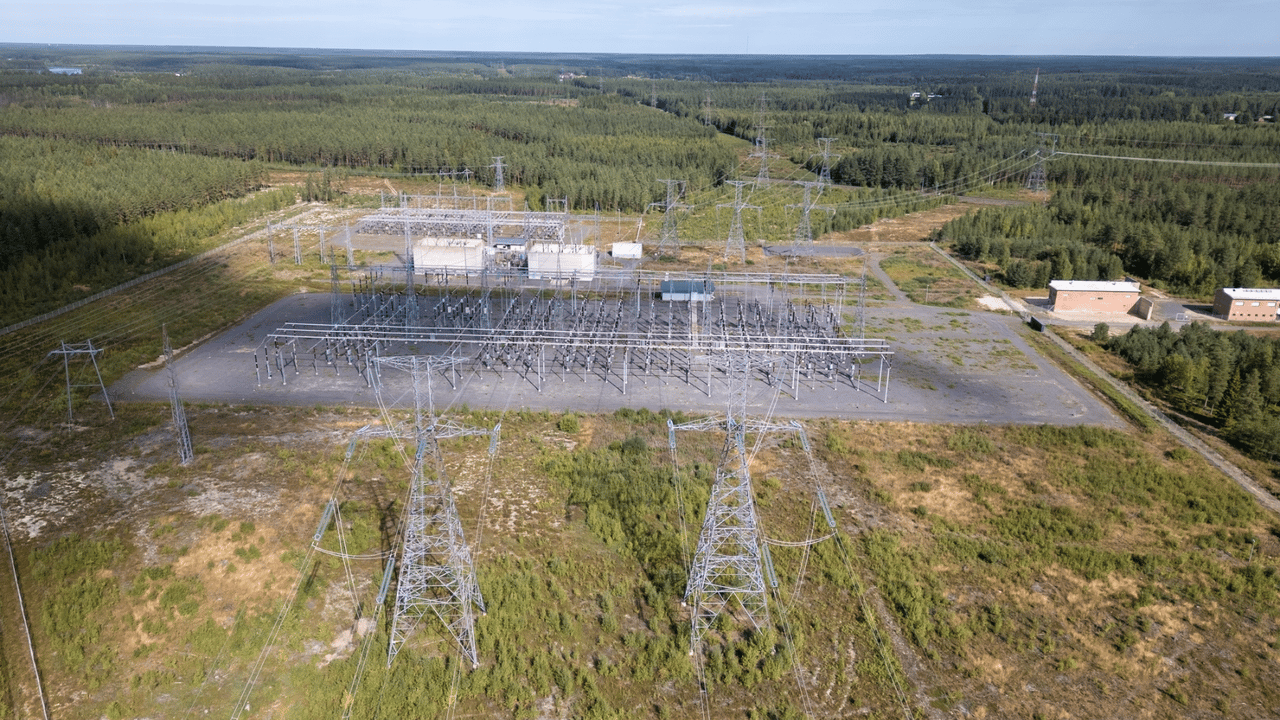
For northern Finland, the promise of massive foreign direct investment was initially welcomed as an economic boon. The region was specifically chosen because of its unique geographical advantage: an abundance of green, carbon-free electricity generation coupled with substantial excess grid capacity managed by state grid operator Fingrid.
September 18, 2026: The Regulatory Awakening
Beneath the celebratory rhetoric, however, local concerns were brewing. On September 18, the LVV—acting in coordination with the Municipality of Muhos, the City of Kajaani, and municipal building-control authorities—issued formal requests for information to Tuike Finland Oy.
Regulators were tipped off by the sheer scale of physical transformation taking place on the ground. Rather than limiting activities to preliminary soil surveys, topographical measurements, and non-destructive planning, Tuike had mobilized heavy machinery to systematically reshape the landscape. At Muhos alone, roughly 330 hectares of forest had been felled or heavily prepped. At the Kajaani-Otanmäki site, the altered footprint approached 200 hectares.
October 2026: The Halt Order
Following a rapid review of the submitted information, the LVV determined that Tuike’s actions violated the core tenets of Finland’s Environmental Impact Assessment (EIA Act). On October 8, the agency formally directed Google’s subsidiary to halt all work that permanently alters the environment.
The regulatory body drew a sharp line between reversible, investigative site work and irreversible industrial alterations. The directive mandated that Tuike cease:
- Tree removal and large-scale forestry clearing
- Topsoil stripping, excavation, and blasting
- Rock crushing and extensive earthmoving
- Drainage installations
- Construction of permanent site access roads and industrial storage yards
The LVV gave Tuike until October 14 to provide a formal written explanation of its compliance intentions, establishing October 23 as the hard deadline for the total suspension of major site activities. While planning, surveying, and non-invasive measurements were permitted to continue, the physical build-out of the multi-billion-dollar campuses was brought to a screeching halt.
Supporting Context & Metrics: Power Grid Access vs. Environmental Law
To fully understand the drama playing out in northern Finland, industry analysts point to a dangerous misconception among data center developers: the belief that securing power is synonymous with securing a green light to build.
The Power Equation Was Solved
According to Stephen Sopko, practice lead for semiconductor and deep tech at HyperFrame Research, Google’s engineering and procurement teams did everything right on paper regarding electrical supply.
"Power was the part Google had already solved," Sopko noted. "Fingrid said the northern grid had room. The failure was treating forest clearance as preparatory work when Finnish law treats permanent conversion above 200 hectares as the action regulators are there to judge."
In regions like Muhos and Kajaani, electricity production significantly outstrips local consumption. For an industry starved for clean gigawatts to feed power-hungry generative AI models, northern Finland was a goldmine. Google thought it had bypassed the primary bottleneck plaguing data center construction across the globe—grid capacity.
The Sequencing Trap
However, energy availability does not substitute for environmental compliance. Under Finnish and broader European Union law, the EIA process is designed to be deliberative and proactive. Its explicit purpose is to gather scientific data on a project’s ecological footprint before irreversible decisions are made, allowing authorities to evaluate alternative locations, weigh cumulative damages, and mandate mitigation strategies.
Tiina Paloniitty, associate professor of environmental and sustainability law at the University of Helsinki, explained the legal mechanics in an email correspondence.
"You can often do surveys and reversible site work ahead of the permit," Paloniitty observed. "What you can’t do is clear 300 hectares and call it anticipation."
When an operator clears hundreds of hectares of mature forest, excavates topsoil, and blasts bedrock before the EIA is finalized, the assessment process is effectively neutered. An environmental report cannot objectively weigh the merits of protecting a pristine ecosystem if that ecosystem has already been bulldozed.
Official Statements and Legal Debates
As the fallout from the LVV order reverberated through corporate boardrooms and legal circles, both Google and academic experts rushed to defend their positions, revealing a stark philosophical divide over corporate responsibility and regulatory interpretation.
Google’s Defense: Good Faith and Forestry Compliance
Faced with regulatory censure, Google issued public statements acknowledging the situation while defending the intent behind its actions. Sondre Ronander, communications manager for Finland and Norway at Google, addressed the public controversy directly.
"We understand the concern caused by the situation," Ronander stated. "In this case, we did not meet the high standards we set ourselves."
Google argued that its operations had been conducted in good faith, asserting that the company had adhered to Finland’s separate Forest Act. The tech giant emphasized that it had commissioned nature surveys prior to breaking ground and had proactively implemented biodiversity countermeasures—including a planned 130-hectare tree-planting initiative in Muhos designed to offset environmental disruption.
The Legal Counter-Argument: Apples and Oranges
Legal scholars like Professor Paloniitty dismantled Google’s defense, pointing out a fundamental flaw in the company’s logic: compliance with forestry management regulations does not equate to compliance with environmental impact assessment laws.
- "Compliance with one applicable law does not equal compliance with other applicable laws," Paloniitty stated flatly, dismissing Google’s invocation of good faith as legally irrelevant. "Good faith is not a legally relevant argument here."
Furthermore, Paloniitty rejected the notion that planting young saplings could retroactively cure the destruction of a functioning ecosystem.
"New trees do not replace a full-grown forest," she warned, noting that the ecological services provided by mature, centuries-old northern European biomes cannot be instantly manufactured by corporate reforestation pledges.
Future Outlook: A New Precedent for AI Infrastructure
The intervention by the Finnish Licensing and Supervisory Authority has been described by legal experts as "highly unusual." While environmental stops are not entirely without historical precedent, an enforcement action of this magnitude against a €13 billion foreign investment by a trillion-dollar technology titan is unprecedented in modern Finnish history.
What Lies Ahead for Google in Finland?
The LVV’s order does not cancel the Muhos or Kajaani data center projects outright. Instead, it places them in a regulatory holding pattern. The mandatory EIA reports are slated for completion in 2026. Until those reports are officially finalized and reviewed, major construction must remain paused.
Google now faces a critical juncture. The company has until mid-October to formally submit its written response to the LVV. If Tuike Finland chooses to contest or ignore the directive, the agency is fully prepared to escalate the matter into formal enforcement proceedings backed by substantial conditional fines. Given Google’s reliance on its European green energy strategy, it is widely anticipated that the company will yield to the regulatory pressure, absorb the delay, and allow the EIA process to run its proper course.
Global Ramifications for the Data Center Industry
Beyond the borders of Finland, this regulatory clash serves as a vital wakeup call for the broader tech sector. As the generative AI boom forces operators to build at breakneck speeds, infrastructure developers are increasingly tempted to blur the lines between preliminary exploration and aggressive site preparation.
The Finnish case proves that securing an energy interconnection agreement is only half the battle. As Stephen Sopko emphasized, environmental oversight applies universally to all heavy industrial projects, regardless of whether they house servers or steel mills.
For hyperscalers racing to deploy AI clusters, the message from Helsinki is clear: no matter how much capital you bring, and no matter how desperately the grid needs your power, you cannot bulldoze your way past the law.