






Executive Overview
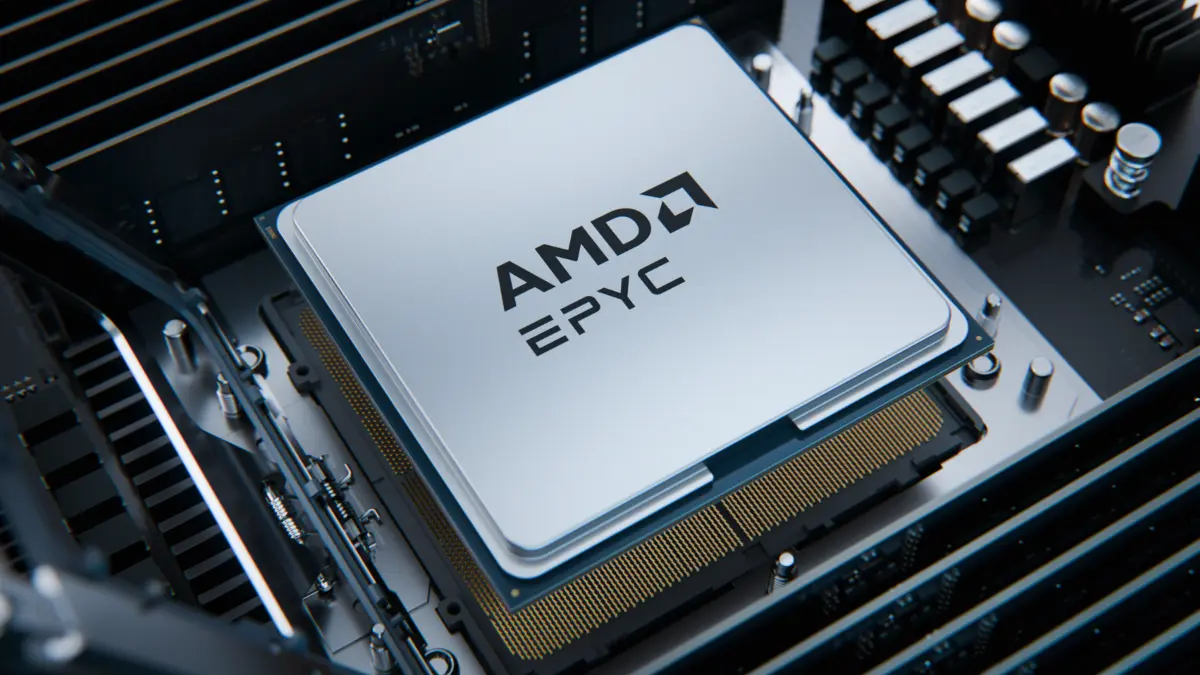
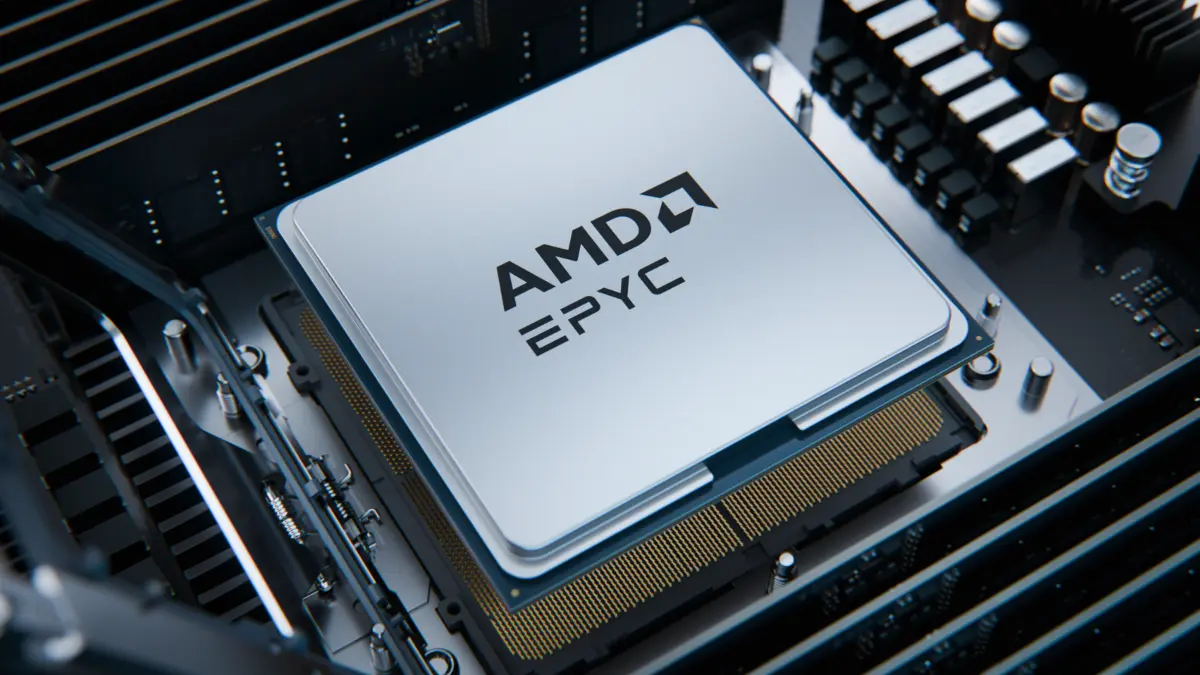
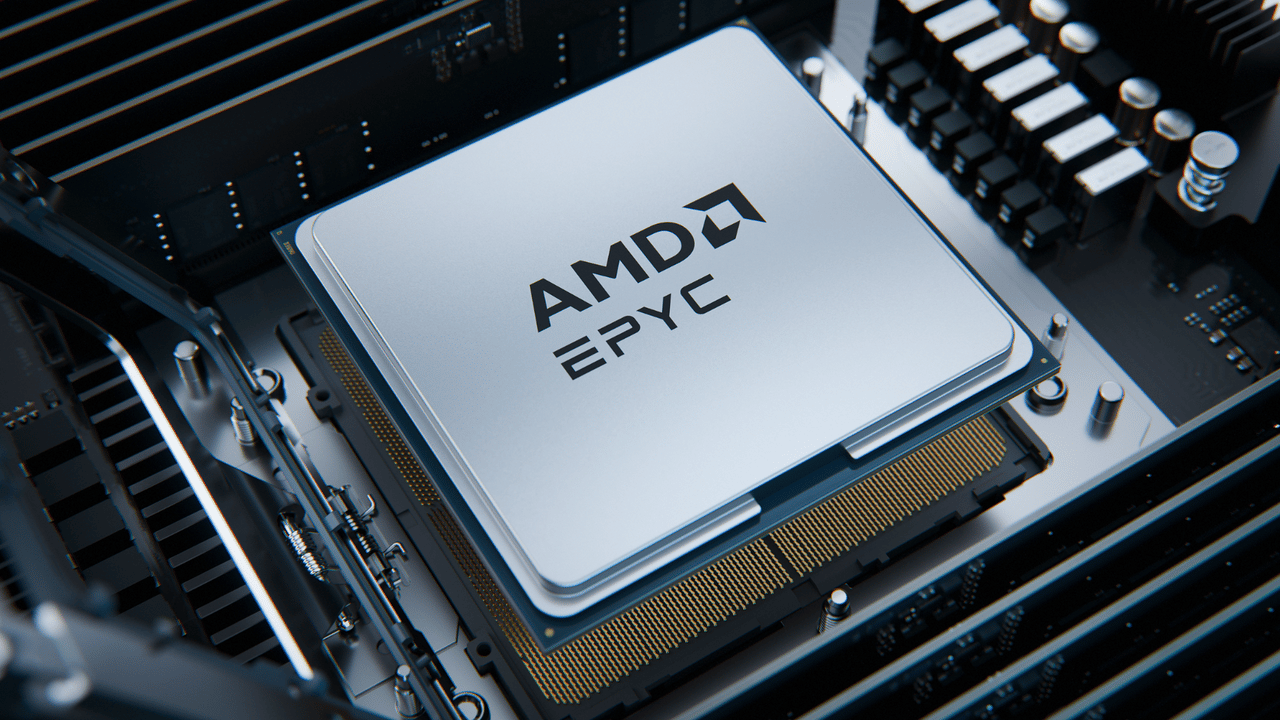
The convergence of artificial intelligence and enterprise IT infrastructure reached a critical inflection point with Hewlett Packard Enterprise’s (HPE) announcement of its next-generation ProLiant Gen13 server portfolio. Anchored by AMD’s sixth-generation Epyc 9006 "Venice" processors, this latest hardware lineup represents a strategic shift in how organizations approach modern computing challenges. Rather than focusing exclusively on massive, hyperscale-tier AI clusters, HPE has deliberately engineered these systems to bridge the gap between traditional enterprise workloads—such as large-scale virtualization, market data processing, and complex analytics—and advanced artificial intelligence use cases, including AI inference, Retrieval-Augmented Generation (RAG) model fine-tuning, and agentic AI orchestration.
As enterprises transition from experimental AI proofs-of-concept to production environments, the demand for versatile, highly efficient, and secure infrastructure has never been more acute. HPE’s first four ProLiant Gen13 offerings, powered by the AMD Epyc SP7-series CPUs, are designed precisely to meet this diverse market demand. Featuring advanced automated security, post-quantum cryptography (PQC) readiness via HPE Integrated Lights-Out 8 (iLO 8), and robust management capabilities through HPE Compute Ops Management, the Gen13 lineup aims to redefine the role of the data center head node. This in-depth report explores the architectural breakthroughs of the AMD "Venice" platform, analyzes the strategic positioning of the new ProLiant servers, examines the mechanical synergy between CPU orchestration and GPU acceleration, and gathers vital insights from industry analysts regarding the future of enterprise AI infrastructure.
Detailed Chronology and Hardware Lineup Breakdown
The rollout of the HPE ProLiant Gen13 family spans a carefully orchestrated timeline designed to address immediate enterprise needs while laying the groundwork for future high-performance computing (HPC) and neocloud deployments.
The Flagship Enterprise AI Workhorse: ProLiant DL585a Gen13
Scheduled for a market release in March 2027, the high-end ProLiant DL585a Gen13 is engineered for organizations tackling the most demanding computational workflows. This powerhouse system features up to eight enterprise-grade accelerators alongside two AMD Venice processors. According to John Carter, HPE’s vice president of server product management, quality, and technical pursuit, the DL585a is explicitly hardware-agnostic regarding its graphical processing units, supporting top-tier accelerators from Nvidia, AMD, and Intel.
The DL585a is tailored for complex tasks such as agentic AI, fine-tuning large language models using RAG, and heavy-duty enterprise analytics. By combining the massive memory bandwidth and core density of dual AMD Venice CPUs with multi-GPU architectures, HPE is offering enterprises a balanced platform capable of handling heavy parallelized math alongside rigorous data pipeline management.
The High-Density CPU Performer: ProLiant DL525 Gen13
Arriving earlier in the product lifecycle—with availability targeted for November 2026—the ProLiant DL525 is a compact, single-socket 1U system built around a single AMD Venice chip packing up to 256 cores. This system is optimized for high-density environments where rack space is at a premium, yet high performance is mandatory.
The DL525 bridges the traditional compute divide, serving simultaneously as an efficient platform for virtualization, fraud detection, financial market data processing, and complex modeling simulations, while also functioning as a capable node for targeted AI inference tasks. Its single-socket design minimizes power consumption and thermal output while maximizing core-per-watt efficiency.
Rack-Scale Compute for Neoclouds and Hyperscale Enterprises
Looking toward 2027, HPE will expand the ProLiant Gen13 footprint with two specialized, rack-scale systems designed for very large enterprises and specialized cloud providers—commonly referred to as "neoclouds." These providers operate massive, data-intensive AI and HPC environments that require specialized thermal and architectural designs:
- ProLiant XD245: A four-node, liquid-cooled system engineered for extreme compute densities and thermal efficiencies, minimizing the carbon footprint and energy overhead of large-scale data centers.
- ProLiant XD285: A two-node, air-cooled system designed for environments where liquid cooling infrastructure is not yet fully deployed, yet high-density CPU performance remains a prerequisite.
Supporting Context and Metrics: The Architectural Power of AMD "Venice"
To understand why HPE selected AMD’s sixth-generation Epyc processors as the foundation for its Gen13 lineup, one must examine the underlying architectural demands of modern enterprise workloads. Traditional data centers were built to handle deterministic, sequential workloads. However, the rise of modern AI—specifically agentic AI—has completely transformed traffic patterns and compute bottlenecks inside the rack.
The Mechanics of Agentic AI and CPU Orchestration
In an agentic AI architecture, autonomous software agents and sub-agents operate in a continuous loop: they analyze data, make real-time API or tool calls, evaluate intermediate results, retrieve contextual data via RAG, and execute subsequent sub-tasks. This creates what industry experts describe as an "ongoing traffic frenzy" of decision-making, logical branching, and data orchestration.
While GPUs excel at the matrix multiplication required for raw neural network inference, they are ill-suited for the complex control-flow logic, serial processing, and dynamic orchestration required to manage agentic workflows. This is where the AMD Epyc 9006 "Venice" platform shines.
By offering unprecedented core counts (up to 256 cores in a single socket), superior single-threaded performance, and significantly expanded memory bandwidth, the Venice platform provides the necessary processing headroom to act as a master head node. It ensures that data is fed to GPUs without latency bottlenecks, orchestrating multi-agent communications and rapid database retrievals seamlessly.
Bridging the Efficiency Imperative
Data center efficiency has transitioned from a secondary metric to a primary IT planning imperative. Power usage effectiveness (PUE), thermal management, and rack density dictate the economic viability of modern data centers. AMD’s architectural roadmap for the Epyc 9006 series emphasizes performance-per-watt optimization.
By integrating these high-efficiency chips into both air-cooled (ProLiant DL525, XD285) and liquid-cooled (XD245) chassis, HPE is providing organizations with granular tools to match their hardware topology precisely to their available facility infrastructure, curbing escalating energy costs associated with enterprise AI deployments.
Official Statements and Industry Analysis
The strategic alignment between HPE and AMD has drawn significant commentary from industry analysts and company executives, highlighting a market-wide recognition that enterprise AI requires a nuanced, heterogeneous infrastructure approach.
Perspectives from HPE Leadership
John Carter emphasized that the ProLiant Gen13 systems are purposely distinct from the massive, hyperscale-focused infrastructure dominating industry headlines.
"These are not the big [Nvidia Vera Rubin] NVL72 or AMD Helios scale-up type systems. This is for your enterprise-grade customer," Carter explained during an exclusive interview with Data Center Knowledge. "This is the first time we’ve done this kind of enterprise-grade AI system with an AMD head node. There is a lot of great performance improvements there, utilizing the larger memory bandwidth, higher-performance CPU."
Complementing this, Chris Bradley, director of mainstream compute customer advocacy and technical enablement at HPE, underscored the operational enhancements embedded within the new platforms. According to Bradley, security and management automation are front and center in the Gen13 architecture, ensuring that enterprises can deploy complex AI systems without expanding their administrative overhead.
Analyst Insights: Moving Beyond One-Size-Fits-All
Matt Kimball, senior analyst at Moor Insights & Strategy, pointed out that HPE’s aggressive stance reflects a deep understanding of enterprise adoption cycles. Enterprises are eager to implement AI, but they require robust, secure, and manageable hardware foundations.
"You need a whole lot more CPUs to drive orchestration because these agents are making calls, and subagents are making calls," Kimball noted. "It’s just an ongoing traffic frenzy, and that’s what makes AMD’s Venice so interesting. That high core count and high single-threaded performance do a very good job of supporting orchestration for agentic AI."
Kuba Stolarski, research vice president at IDC, echoed this sentiment, emphasizing the danger of over-simplifying enterprise hardware strategies.
"Every enterprise is going to have a variety of different AI use cases. So you can’t have a one-size-fits-all from an infrastructure perspective," Stolarski stated. "You can’t just put up the largest, most expensive GPU cluster and expect that’s going to be the best solution for every enterprise."
Security, Automation, and Post-Quantum Readiness
As enterprise data becomes increasingly valuable—and vulnerable—infrastructure security must evolve concurrently with raw compute power. HPE has integrated several foundational security and management breakthroughs into the ProLiant Gen13 architecture.
HPE Integrated Lights-Out 8 (iLO 8)
At the silicon and firmware level, the ProLiant Gen13 systems introduce advanced automated security features powered by the next iteration of HPE’s proprietary management silicon, iLO 8. Crucially, this includes native support for self-encrypting drives and expanded post-quantum cryptography (PQC) readiness. As the threat horizon shifts toward the advent of cryptographically relevant quantum computers, HPE’s proactive integration of PQC-ready algorithms ensures that long-lived enterprise data remains secure against future decryption attacks.
Streamlined Lifecycle Management via Compute Ops Management
Managing fleets of distributed servers running complex AI and virtualization workloads demands advanced software orchestration. HPE Compute Ops Management has been updated for the Gen13 portfolio to include:
- Low-touch onboarding: Simplifying the physical-to-digital provisioning of new servers across distributed enterprise data centers and edge locations.
- Near-real-time power capacity insights: Giving data center operators granular visibility into power consumption patterns down to the rack level, enabling dynamic workload migration and thermal balancing.
Future Outlook: The Horizon of Enterprise AI Infrastructure
The unveiling of HPE’s ProLiant Gen13 lineup powered by AMD Epyc 9006 "Venice" processors signals a maturing market for enterprise intelligence. The era of treating AI as an isolated, experimental workload running on ad-hoc GPU clusters is rapidly drawing to a close. Instead, artificial intelligence—particularly autonomous agentic workflows and localized inference—is becoming deeply woven into the fabric of daily enterprise operations.
Looking ahead to the rollouts scheduled through late 2026 and early 2027, the success of these systems will likely be measured by how effectively they reduce the operational friction of deploying hybrid AI architectures. By positioning AMD-powered servers as robust, high-core-count orchestration engines that work in harmony with multi-vendor GPU accelerators, HPE has established a flexible blueprint for enterprise computing.
Organizations navigating the transition toward autonomous business processes, real-time analytics, and quantum-safe security will find that the ProLiant Gen13 portfolio offers a compelling mix of performance, density, and intelligence. As neoclods and traditional enterprises alike prepare for the next wave of computational demand, the synergy between HPE engineering and AMD silicon will undoubtedly play a pivotal role in shaping the modern data center landscape.