Executive Overview
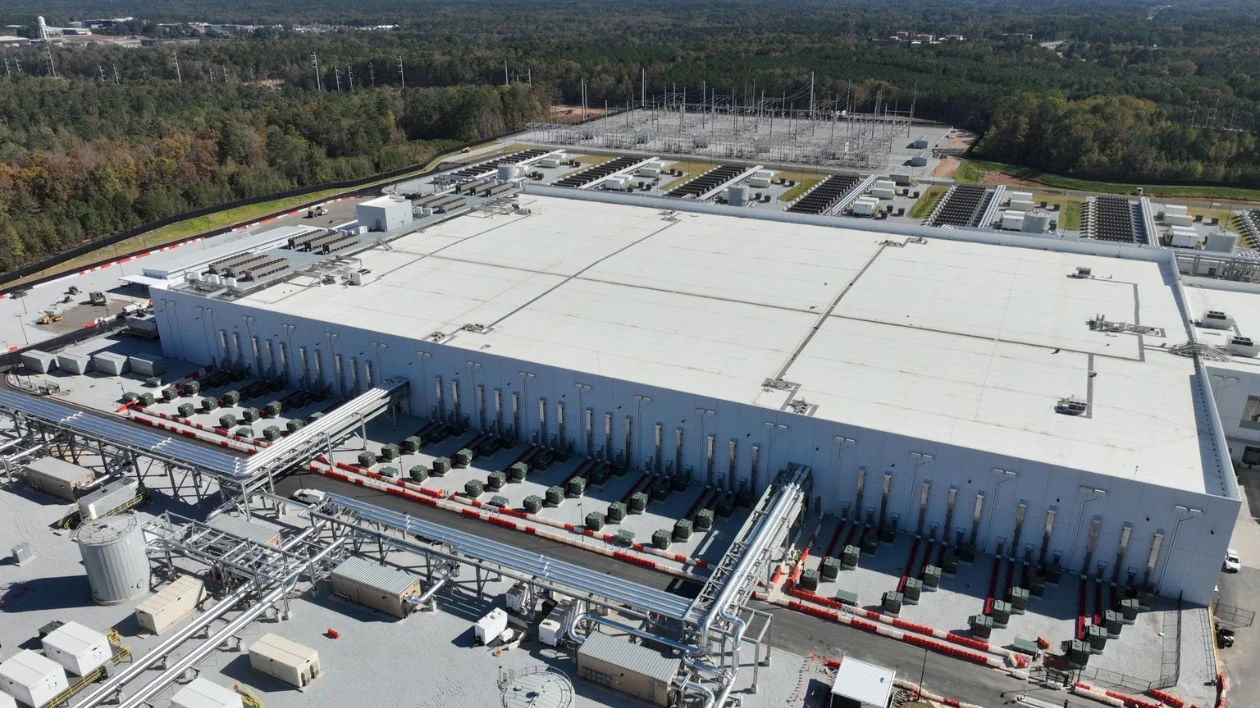
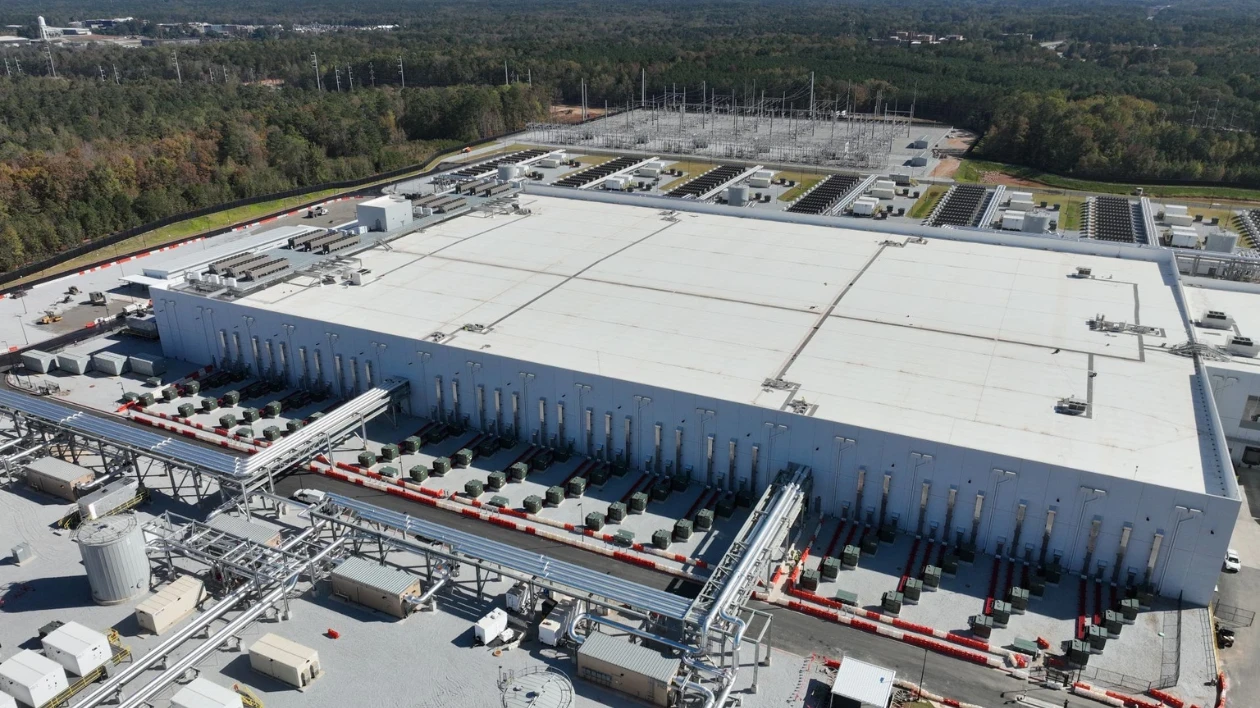
Inside the sprawling, highly secured footprint of Microsoft’s global datacenter estate, physical security operators stand as the first line of defense protecting the core infrastructure of the world’s modern cloud and artificial intelligence systems. Every shift begins with a reliance on a complex matrix of mission-critical applications—software engineered to ingest live access control logs, process high-definition closed-circuit video feeds, evaluate immediate security alerts, and direct security guard forces across hundreds of facilities worldwide. For these physical security operations centers (PSOCs), system lag, service interruption, or configuration variance is not merely a inconvenience; it represents a vulnerability in the physical perimeter of the hyperscale cloud.
As the boom in generative AI and cloud infrastructure sparked an unprecedented expansion of Microsoft Azure datacenters globally, maintaining a high level of operational consistency across these physical security platforms emerged as an engineering challenge. The underlying server infrastructure powering these localized security applications was heavily distributed across disparate geographic regions, operating within strictly air-gapped or highly segmented local networks designed for maximum operational resiliency and compliance.
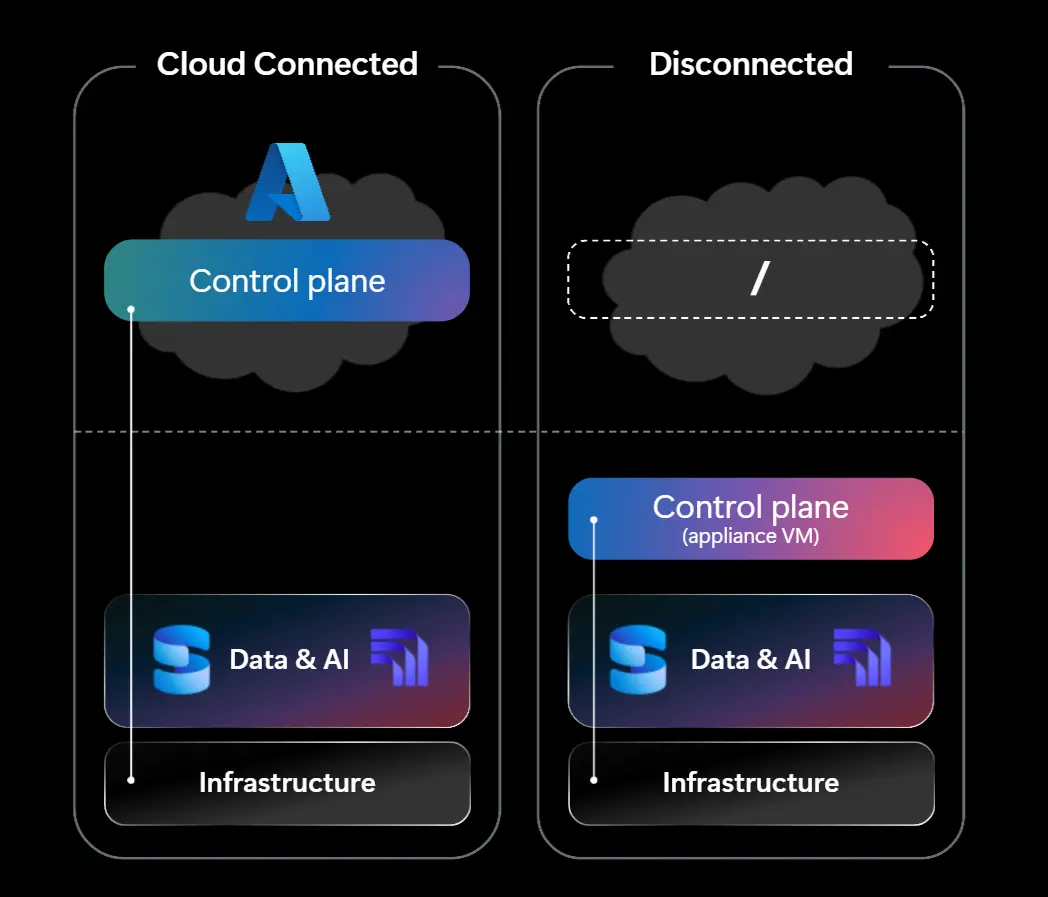
To overcome the friction of managing thousands of localized, hybrid servers without compromising network boundaries, Microsoft’s physical security engineering team undertook a comprehensive digital transformation. By integrating Azure Arc, Azure Virtual Desktop (AVD), Azure Monitor, and Azure Update Manager, Microsoft established a unified, cloud-managed control plane over its strictly localized, on-premises physical security infrastructure.
The resulting architecture yielded a transformative operational leap: application launch speeds accelerated by 12 times, system deployment and software release cycles sped up by 6 times, and thousands of operational hours previously lost to manual software updates were reclaimed through automated, centralized governance.
Detailed Chronology: The Hybrid Engineering Evolution
┌─────────────────────────────────────────────────────────────────────────┐
│                      HYBRID MANAGEMENT FRAMEWORK                        │
└─────────────────────────────────────────────────────────────────────────┘
                                     │
      ┌──────────────────────────────┴──────────────────────────────┐
      ▼                                                             ▼
┌──────────────────────────────────────┐          ┌──────────────────────────────────────┐
│       CENTRAL CONTROL PLANE          │          │        OPERATOR ACCESS LAYER         │
│  (Azure Arc / Azure Update Manager)  │          │       (Azure Virtual Desktop)        │
└──────────────────────────────────────┘          └──────────────────────────────────────┘
      │                                                             │
      ├─► Policy & Drift Enforcement                                ├─► Low-Latency Stream
      ├─► Automated OS Patching                                     ├─► Centralized Golden Image
      └─► Ingested Telemetry (Log Analytics)                        └─► Telemetry & Session Monitoring
      │                                                             │
      └──────────────────────────────┬──────────────────────────────┘
                                     │
                                     ▼
┌─────────────────────────────────────────────────────────────────────────┐
│                     ON-PREMISES DATACENTER EDGE                         │
│       (Localized Physical Access Control, Video Feeds, Alarms)          │
└─────────────────────────────────────────────────────────────────────────┘
Phase 1: The Fragmentation of Hyperscale Expansion
In the early phases of Azure’s rapid global scaling, physical security platforms were deployed close to the hardware they protected. Each datacenter site hosted dedicated server racks hosting physical access control systems (PACS), video management systems (VMS), and localized alarm processing engines.
While this localized topology guaranteed that a facility could maintain security functionality even during a total wide-area network (WAN) outage, it created isolated management islands. System administration required localized domain credentials, bespoke patching schedules, and manual intervention to roll out application updates. As Microsoft added dozens of new datacenter regions annually, managing software updates, verifying security baselines, and maintaining consistent end-user experiences across these islands became an increasingly complex operational burden.
Phase 2: Bridging the On-Premises Gap via Azure Arc
Moving mission-critical physical security workloads entirely into the public cloud was off the table; low-latency video streaming, local hardware integration (such as physical door controllers and biometric scanners), and offline survivability requirements dictated that core workloads remain situated at the edge.
The team turned to Azure Arc as an abstraction layer. Designed to project non-Azure resources—such as bare-metal servers or virtual machines operating in isolated on-premises datacenters—into the Azure Resource Manager (ARM) control plane, Azure Arc allowed remote, isolated servers to be organized, tagged, and governed as if they were native Azure virtual machines. Crucially, Azure Arc achieved this without requiring alterations to local network segmentation or undermining localized offline capabilities.
Phase 3: Standardizing Governance and Automated Lifecycle Operations
With Azure Arc projecting the distributed server footprint into a single operational interface, the team integrated Azure Update Manager and Azure Policy Guest Configuration.
Patching protocols that previously required hours of site-by-site manual execution and localized change-management windows were converted into automated, scheduled workflows driven by standardized runbooks via Azure Automation. Continuous configuration monitoring was enabled across the global fleet: if a local server’s settings drifted from approved security policies, Azure Policy automatically flagged the variance and initiated automated remediation routines.
Phase 4: Streamlining Operator Interface via Azure Virtual Desktop
Unified infrastructure management solved backend maintenance issues, but physical security operators still faced varied software performance depending on their network distance from localized servers. To resolve this, the engineering team re-architected the end-user access layer using Azure Virtual Desktop (AVD).
Instead of running security applications locally on endpoint PCs scattered across global security command centers, applications were hosted on centralized, high-performance AVD host pools situated close to the underlying infrastructure services. Security operators streamed their workspaces securely through optimized AVD sessions, giving them rapid access to resource-intensive security suites regardless of their physical location.
Supporting Context & Key Metrics
The structural transformation of Microsoft’s physical security operations yielded significant improvements across key operational metrics, validating the strategy of using cloud-native management tools for hybrid workloads.
| Performance Dimension | Historical Baseline | Modernized Architecture | Measured Impact |
|---|---|---|---|
| Application Launch Speed | High-latency initialization over WAN | Localized AVD Session Delivery | ~12x Acceleration |
| Software Release Cycle | Weeks/Months of site-by-site rollouts | Automated Host Image Refresh | ~6x Acceleration |
| Maintenance Overhead | Manual patching per location | Centralized Azure Update Manager | Thousands of Hours Saved Annually |
| Configuration Auditability | Spot audits; manual verification | Continuous Azure Policy Drift Detection | 100% Real-Time Observability |
Accelerating the Operator Experience
In high-stress security operational environments, seconds saved during system login or incident response directly impact facility protection. By co-locating the operational client environment alongside the security applications inside optimized virtual desktop pools, client-side application startup times improved by ~12x. Operators who previously experienced delays when opening heavy video surveillance dashboards or running complex access audit queries obtained instantaneous, low-latency access to mission-critical tools.
Rebuilding Infrastructure via Golden Images
Previously, updating client software across thousands of workstations required distributed software deployment routines subject to local network throttling and endpoint failures. Under the modernized structure, the team implemented a centralized image-management strategy using automated host refresh processes.
Host systems are now rebuilt from centrally validated "golden images" and deployed automatically across the AVD infrastructure. This architecture reduced release cycles by ~6x. System updates that once required months of cross-team coordination across global sites are now routinely packaged, tested, and pushed into active production in a matter of hours.
+-----------------------------------------------------------------------+
| TRADITIONAL ROLLOUT PROCESS                                           |
| [ Build ] ──► [ Local Sync ] ──► [ Manual Test ] ──► [ Site Rollout ] |
| Timeline: Weeks to Months                                             |
+-----------------------------------------------------------------------+

+-----------------------------------------------------------------------+
| MODERNIZED AZURE ARC + AVD AUTOMATED PIPELINE                         |
| [ Golden Image ] ──► [ Automated Refresh ] ──► [ Global Deployment ]  |
| Timeline: Hours (~6x Acceleration)                                    |
+-----------------------------------------------------------------------+
Deep Telemetry and Observability Integration
By linking Azure Virtual Desktop with Azure Monitor, the Azure Monitor Agent, and Log Analytics, security engineers moved from reactive troubleshooting to proactive infrastructure health monitoring. Telemetry feeds track:
- Real-time round-trip time (RTT) and latency metrics between operators and cloud host pools.
- Session health, host CPU/memory utilization, and bandwidth consumption patterns.
- Detailed client-side application performance metrics to catch software degradation before it causes operational downtime.
Technical Architecture & Security Posture
Maintaining a stringent physical security boundary demands an equally uncompromising digital posture. The implementation focused heavily on eliminating long-lived credentials, reducing attack surfaces, and applying Zero Trust principles across the physical operational ecosystem.
Managed Identities and Granular RBAC
Traditional distributed deployments often rely on service accounts secured by stored static passwords. Through Azure Arc, physical security servers running outside the cloud can leverage Managed Identities. This capability provides servers with an automatically managed identity in Microsoft Entra ID (formerly Azure Active Directory).
Systems authenticate directly to Azure services without hardcoded passwords or credential storage in local configuration files. Access permissions are strictly governed through Azure Role-Based Access Control (RBAC), limiting operational access strictly to the least-privilege resources necessary for job execution.
                                  ┌──────────────────────────┐
                                  │   Microsoft Entra ID     │
                                  └────────────┬─────────────┘
                                               │
                                Authenticates  │ Issues Short-Lived
                                via Identity   │ Token
                                               ▼
┌──────────────────────────┐      ┌──────────────────────────┐
│  On-Premises Edge Server │─────►│ Azure Arc Control Plane  │
│  (Physical Security Engine)│     │  (RBAC / Azure Policy)   │
└──────────────────────────┘      └──────────────────────────┘
Automation via Reusable Runbooks
To eliminate manual intervention and human error during routine operational tasks, the infrastructure utilizes Azure Automation. Common operational maintenance—such as clearing log caches, restarting service daemons, updating software certificates, and performing compliance checks—is encapsulated in standardized, version-controlled runbooks. These scripts execute consistently across thousands of servers globally, providing predictable outcomes and full audit logs for security compliance reporting.
Official Architectural Commentary
Reflecting on the system’s deployment, internal technical stakeholders highlighted the operational philosophy that guided the modernization effort:
"The objective was never to force a square peg into a round hole by moving deeply localized physical security workloads into the public cloud just for the sake of being ‘cloud-native.’ Many of these platforms must maintain survivability independent of global WAN connectivity. By leveraging Azure Arc, we extended Azure’s management framework to the edge, retaining offline resiliency while gaining unified visibility and automation."
Engineering leads emphasized the dramatic operational shift experienced by the frontline security team:
"By pairing Azure Arc with Azure Virtual Desktop, we decoupled the operator’s physical hardware from application performance. Achieving a 12x reduction in application launch times and accelerating software release cadence by 6x directly improves our security posture. Our operations team can shift focus away from manual system maintenance toward proactive threat mitigation across our datacenter operations."
Future Outlook & Enterprise Implications
The architectural shift executed by Microsoft’s physical security group serves as a enterprise blueprint for hybrid cloud management at scale. As organizations across manufacturing, healthcare, critical infrastructure, and defense seek to modernize edge operations without sacrificing security or local reliability, the integration of hybrid management control planes like Azure Arc offers a proven pathway forward.
Key Takeaways for Enterprise Hybrid IT Architecture
- Decouple Management from Workload Placement: Modern hybrid architectures do not require lifting and shifting sensitive, low-latency edge systems into public clouds. Control planes can manage resources anywhere, regardless of where the compute hardware physically resides.
- Standardize Infrastructure via Immutable Deployment Patterns: Leveraging virtual desktop host pools and golden image automated refreshes neutralizes configuration drift, dramatically shortens patching windows, and eliminates manual endpoint maintenance.
- Elevate Observability to Drive Proactive Maintenance: Unifying localized edge telemetry into central analytics platforms allows engineering teams to identify system degradation, network latency issues, and application performance bottlenecks long before end-users experience outages.
As datacenter footprints expand globally to support complex, high-density AI processing loads, the intersection of physical and digital security infrastructure will remain a vital operational focus. Through the unified application of Azure Arc, Azure Virtual Desktop, and automated management services, enterprise organizations can successfully balance rapid hyperscale expansion with rigorous operational efficiency and zero-trust security.