Executive Overview
As global demand for cloud computing and generative artificial intelligence accelerates at an unprecedented pace, hyperscale technology providers face a dual imperative: rapidly expanding compute capacity while managing the massive physical footprint of legacy hardware. Microsoft Azure has responded to this challenge through an integrated infrastructure strategy that couples high-density custom silicon with a growing network of specialized "Circular Centers."
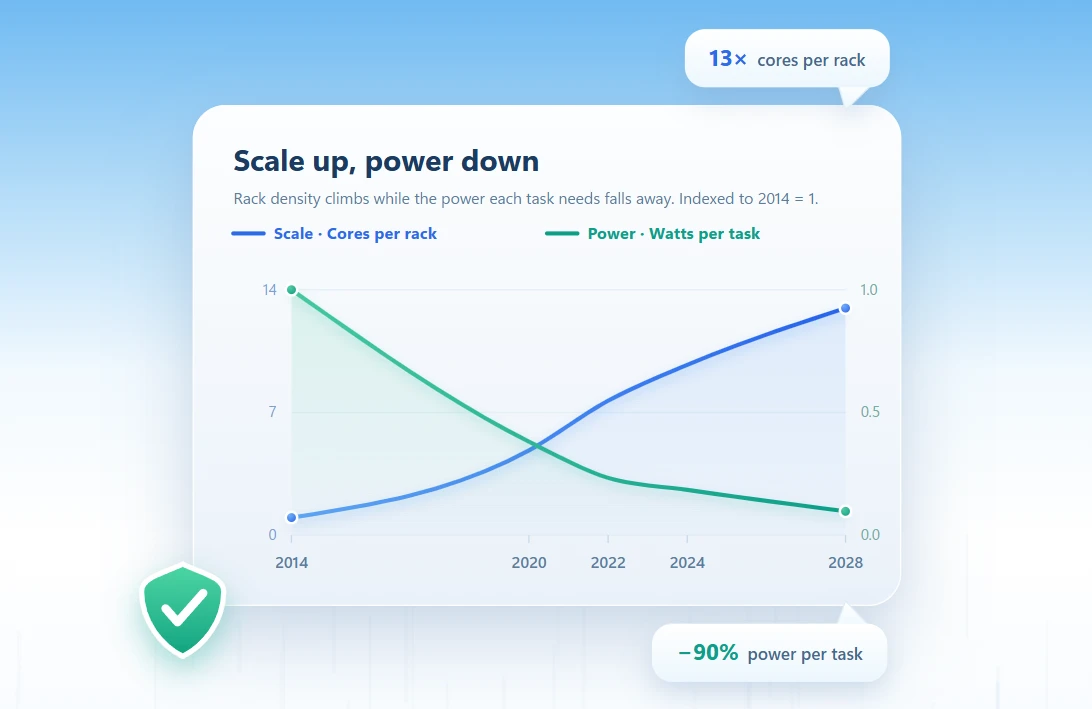
Central to this effort is a stark operational reality: modern datacenter power and physical space are finite resources. To maximize compute output within existing constraints, Microsoft has engineered a 13-fold increase in server rack core density since 2014, while simultaneously slashing the energy required for standard compute tasks by approximately 90 percent. Parallel to these efficiency gains is the deployment of Azure Cobalt 200, the company’s custom ARM-based processor designed specifically for modern agentic AI workloads, which delivers up to 50 percent higher performance than its predecessor.
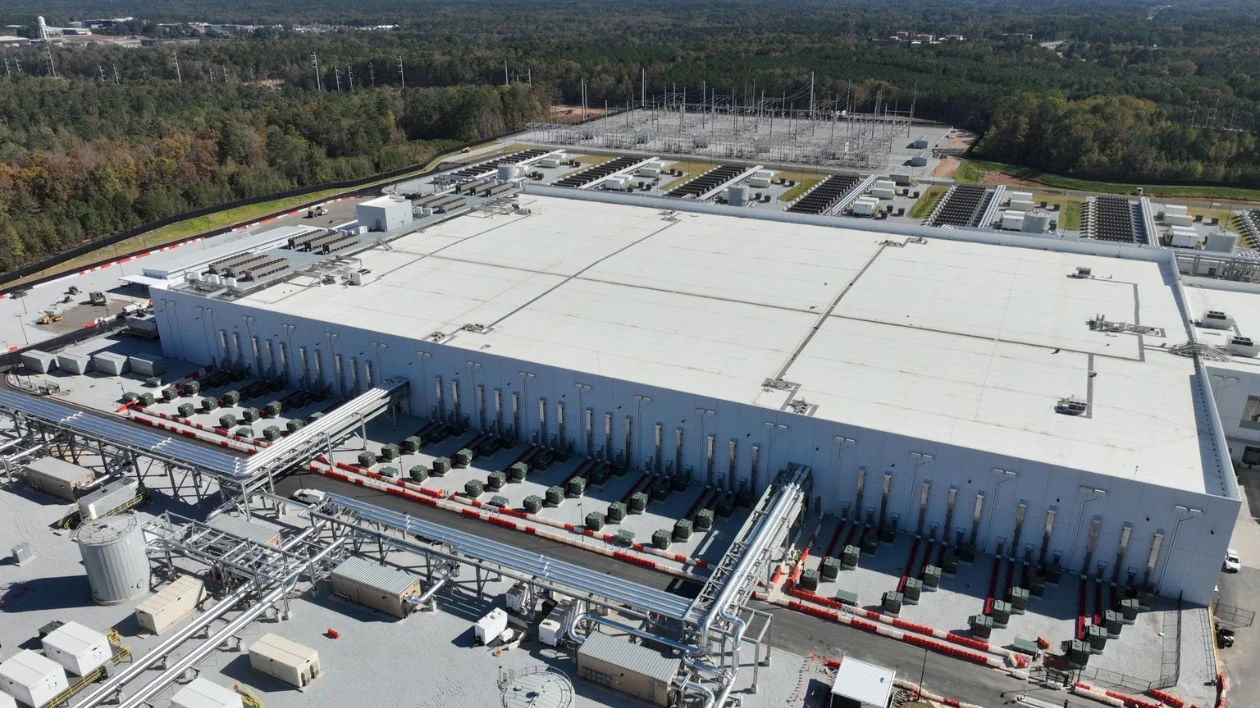
However, the rapid deployment of next-generation hardware introduces an equally critical challenge: managing decommissioned equipment. To prevent electronic waste and optimize capital efficiency, Microsoft has expanded its network of Circular Centers—specialized processing hubs integrated directly into its datacenter operations. With new operational sites in Newport, Wales, and Sydney, Australia, Microsoft now operates eight Circular Centers across North America, Europe, and Asia-Pacific, with an additional facility planned for San Antonio, Texas.
During the past year, this operational framework enabled Microsoft to achieve a 92 percent reuse and recycling rate for decommissioned servers and internal components. By applying artificial intelligence, robotic disassembly, and autonomous material handling to retired assets, the tech giant is transforming end-of-life hardware into a strategic supply chain resource.
Detailed Chronology: From Commodity Racks to Custom Silicon and Circular Facilities
The evolution of Microsoft’s infrastructure strategy reflects a broader structural shift within hyperscale cloud engineering over the last decade.
+-----------------------------------------------------------------------------------+
| INFRASTRUCTURE EVOLUTION CHRONOLOGY                                                |
+-----------------------------------------------------------------------------------+
| 2014: Baseline General-Purpose x86 Systems                                        |
|  • Commodity hardware design with low rack density.                               |
|  • High power draw per workload (e.g., ~100W for standard compilation tasks).     |
+-----------------------------------------------------------------------------------+
| 2015–2019: Co-Designed Infrastructure & Pilot Decommissioning                     |
|  • Initial shift toward customized server topologies and custom chassis.          |
|  • Early testing of localized hardware reuse and component recovery models.        |
+-----------------------------------------------------------------------------------+
| 2020–2022: Formalization of the Circular Center Network                           |
|  • Launch of dedicated Microsoft Circular Centers directly linked to datacenters. |
|  • Systematization of zero-trust data sanitization and asset triage.              |
+-----------------------------------------------------------------------------------+
| 2023–2024: Custom Silicon & High-Density Compute Scaling                           |
|  • Debut of Azure Cobalt 100 custom ARM processors.                               |
|  • Deployment of AI-assisted automation and robotic disassembly in recycling.     |
|  • Hardware reuse/recycling rate reaches 92% across active sites.                 |
+-----------------------------------------------------------------------------------+
| Present & Beyond: Global Footprint Expansion & Agentic AI Optimization            |
|  • Launch of Cobalt 200 (+50% performance improvement over Cobalt 100).           |
|  • Opening of Circular Centers in Newport (Wales) and Sydney (Australia).         |
|  • Global site count reaches 8, with San Antonio, Texas announced as next node.   |
+-----------------------------------------------------------------------------------+
During the early growth phase of public cloud infrastructure around 2014, hyperscale operators relied primarily on general-purpose, off-the-shelf server configurations. These legacy racks offered limited core counts and consumed substantial power relative to their compute output.
As workload volumes expanded, off-the-shelf hardware encountered thermal and spatial limitations inside the datacenter. Microsoft shifted its hardware strategy toward vertical integration, designing bespoke chassis, power distribution architectures, and custom processors.
This architectural shift culminated in the deployment of custom silicon, such as the Azure Cobalt family. Rather than relying solely on third-party processors, Microsoft co-designed silicon, memory, networking, and thermal management systems in tandem. Concurrently, the increasing volume of hardware cycling out of service required a fundamental redesign of decommissioned asset workflows, leading to the creation of the Circular Center operational framework.
Supporting Context & Metrics: Compute Density, Power Decoupling, and Hardware Lifecycle
To understand the economics driving Microsoft’s hardware strategy, compute growth must be evaluated alongside energy consumption and material recovery metrics.
Compute Efficiency Metrics (2014 vs. Present)
According to Microsoft internal performance benchmarks—utilizing standardized industry metrics such as the SPEC CPU report and industry-standard utilization markdowns—the compute density of Azure infrastructure has scaled dramatically over the last decade:
| Performance Metric | 2014 Baseline System | Current Generation Azure Systems | Net Change / Efficiency Gain |
|---|---|---|---|
| Relative Cores per Rack | 1x Baseline | ~13x Core Density | 13-Fold Increase |
| Power per Task (Standard Compilation) | ~100 Watts | < 10 Watts | ~90% Power Reduction |
| Processor Architecture | General-Purpose x86 | Custom Silicon (Azure Cobalt 200) | Optimized for Agentic AI |
| Cobalt Performance Delta | N/A | Cobalt 200 (+50% vs Cobalt 100) | 1.5x Generational Leap |
This decoupling of compute output from energy consumption allows datacenters to process vastly larger workloads within fixed power envelopes. By reducing the energy required for standard compute tasks by 90 percent, available power capacity can be redirected to high-density AI acceleration racks.
COMPUTE DENSITY VS. POWER CONSUMPTION (2014 - PRESENT)

Core Density per Rack:
2014:  [██] (1x Baseline)
2026:  [██████████████████████████] (13x Density)

Power Required per Task (e.g., Code Compilation):
2014:  [████████████████████] ~100 Watts
2026:  [██] <10 Watts  (~90% Reduction)
Anatomy of Decommissioning: The Circular Center Pipeline
When a server rack reaches the end of its operational lifecycle within an active Azure region, it undergoes a structured, zero-trust decommissioning protocol designed to extract maximum value while upholding strict data security standards.
+-----------------------------------------------------------------------------------+
| THE CIRCULAR CENTER DECOMMISSIONING PIPELINE                                      |
+-----------------------------------------------------------------------------------+
| 1. Physical Isolation & De-racking                                                |
|    • Server racks are marked for end-of-life and removed from the active cloud grid.|
+-----------------------------------------------------------------------------------+
| 2. Cryptographic Erasure & Secure Data Wiping                                     |
|    • Data-bearing media (SSDs, HDDs) undergo multi-pass sanitization.             |
|    • Non-functional or unverified drives are physically destroyed on-site.        |
+-----------------------------------------------------------------------------------+
| 3. Triage & Asset Classification                                                 |
|    • Functional assessment determines the optimal secondary asset life.          |
+-----------------------------------------------------------------------------------+
| 4. Value Recovery Paths:                                                          |
|    ├── Path A: Full System Repurposing (Microsoft Labs, Training, Secondary Sales)|
|    ├── Path B: Component Harvesting (RAM, CPUs, Network Interface Cards)          |
|    └── Path C: Material Recycling (Recovery of Copper, Aluminum, Precious Metals) |
+-----------------------------------------------------------------------------------+
| 5. Re-entry into Supply Chain                                                     |
|    • Harvested spare parts return to active inventory; recycled media returns to    |
|      manufacturing supply chains.                                                 |
+-----------------------------------------------------------------------------------+- Secure Decommissioning & Data Wipe: Assets are physically isolated. All data-bearing components—including solid-state drives and memory controllers—undergo cryptographic erasure and verification. Drives that fail verification are physically shredded according to strict regulatory standards.
- System & Component Triage: Functional equipment is categorized based on physical condition and operational utility.
- Multi-Tiered Asset Recovery:
- Full System Reuse: Intact systems are repurposed to power internal test environments, developer labs, academic research projects, or sold to vetted secondary market partners.
- Component Harvesting: Key elements such as memory modules, CPUs, power supplies, and network cards are harvested to serve as spare parts across active regions.
- Material Downcycling & Smelting: Non-reusable chassis, motherboards, and wiring are processed by specialized recycling partners to reclaim raw copper, aluminum, silver, and rare earth metals.
Automation and AI in Hardware Recovery
Processing millions of server components annually requires advanced automation. Microsoft has introduced advanced robotics into its Circular Centers, including:
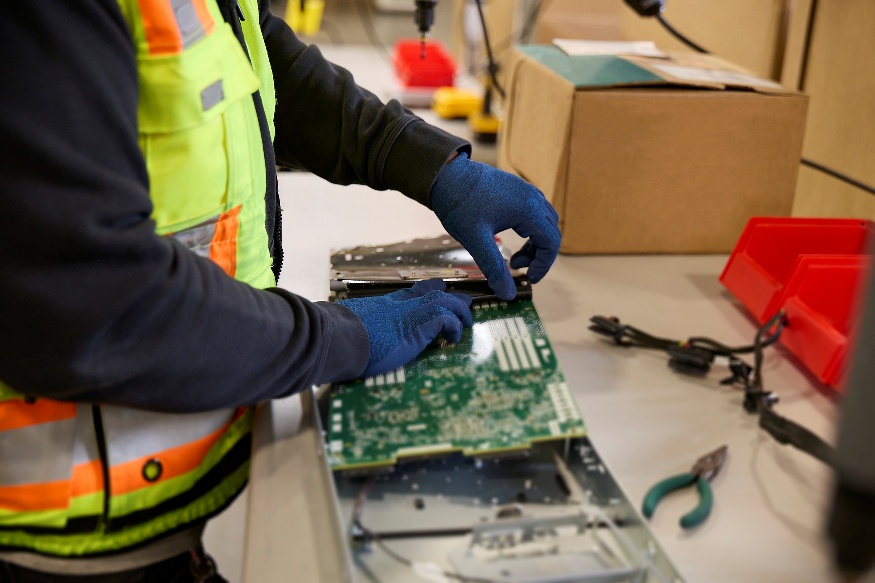
- AI-Powered Robotic Disassembly: Machine vision systems guide robotic arms to remove fasteners, unscrew heat sinks, and extract memory modules without damaging reusable substrates.
- Autonomous Material Handling (AMRs): Autonomous mobile robots navigate processing floors, transporting components between wiping stations, diagnostic benches, and sorting bays.
Strategic Rationale & Industry Context: Managing the AI Hardware Surge
The strategic expansion of the Circular Center network directly addresses structural challenges currently facing the hyperscale technology sector.
               +-------------------------------------------+
               |   AI Workload Boom & Enterprise Demand    |
               +-------------------------------------------+
                                     |
                                     v
               +-------------------------------------------+
               | High Thermal & Power Load on Datacenters  |
               +-------------------------------------------+
                                     |
                                     v
      +-------------------------------------------------------------+
      |               MICROSOFT DUAL-TRACK STRATEGY                 |
      +-------------------------------------------------------------+
      |                                                             |
      v                                                             v
+-------------------------------+             +-------------------------------+
|  OPTIMIZE COMPUTE EFFICIENCY  |             |  OPTIMIZE ASSET CIRCULARITY   |
| • Azure Cobalt 200 Silicon    |             | • 8 Global Circular Centers   |
| • +50% Performance            |             | • 92% Reuse/Recycle Rate      |
| • 13x Core Density per Rack   |             | • Robotic Disassembly & AMRs  |
+-------------------------------+             +-------------------------------+
      |                                                             |
      +------------------------------+------------------------------+
                                     |
                                     v
               +-------------------------------------------+
               | Extended Hardware Lifecycles, Mitigated   |
               | Supply Chain Risk, and Reduced E-Waste     |
               +-------------------------------------------+
1. Supply Chain Resilience
Global supply chain disruptions over recent years underscored the risks of over-relying on single-source components. By harvesting functional memory modules, power delivery units, and processors internally, Microsoft creates an internal inventory of spare parts. This reduces lead times for datacenter maintenance and buffers against market shortages.
2. Physical Datacenter Capacity Constraints
Datacenter development faces localized power grid bottlenecks, long municipal permitting cycles, and high real estate costs. Cloud providers cannot infinitely expand physical buildings. Maximizing compute output per square foot and per megawatt—while efficiently clearing legacy racks out of existing facilities—is essential to making room for high-performance AI clusters.
3. Sustainability and Scope 3 Emissions
While power consumption during a server’s operational life accounts for significant operational emissions (Scope 2), the upstream manufacturing and downstream disposal of hardware represent critical embodied carbon costs (Scope 3). Achieving a 92 percent hardware reuse and recycling rate extends component lifespans, dampening the lifetime carbon footprint of Microsoft’s cloud infrastructure.
Future Outlook: Scaling Sustainable Hyperscale Infrastructure
Looking ahead, the tension between AI compute requirements and natural resource limitations will define the next decade of cloud engineering. Microsoft’s investments in high-density custom silicon like Cobalt 200, alongside automated recycling hubs, set a clear benchmark for hyperscale operations.
GLOBAL CIRCULAR CENTER NETWORK
===================================================================
Current Active Nodes (8):
 [North America]  • Active Facilities Across Key Datacenter Hubs
 [Europe]         • Active Facilities including Newport (Wales, UK)
 [Asia-Pacific]   • Active Facilities including Sydney (Australia)

Upcoming Announced Node:
 [San Antonio, TX]• Next-Generation Automated Circular Center (Planned)
===================================================================
Global Metric Target: Maintain >90%+ Asset Reuse/Recycling at Scale
With the opening of processing facilities in Newport and Sydney, and the planned addition of a major hub in San Antonio, Texas, Microsoft is locking in a closed-loop operational model across key geographic regions. As AI models scale in complexity, requiring denser infrastructure and more frequent hardware refreshes, circular asset management will no longer be an optional sustainability initiative—it will serve as an essential requirement for continuous cloud expansion.