









Executive Overview
For decades, the standard measure of cloud reliability was expressed in simple, quantitative service-level agreements (SLAs)—the elusive "nines" of uptime. A system that promised 99.99% availability was deemed robust, evaluated primarily by how quickly a service could fail over to a redundant node or how many raw compute replicas existed across physical data centers. Today, that conventional paradigm is proving inadequate. As enterprise operations migrate into increasingly complex, highly regulated, and geopolitically sensitive environments, cloud resiliency has expanded far beyond basic availability metrics.
Modern cloud resiliency is fundamentally an enterprise’s ability to sustain mission-critical operations under continuous pressure, safeguard immutable digital assets, and execute deterministic, safe recoveries when catastrophic or novel disruptions occur. Whether confronting systemic hardware faults, physical infrastructure loss, sophisticated ransomware attacks, or regulatory shifts regarding data sovereignty, organizations must ensure their systems adapt in real time rather than merely surviving brief outages.
Microsoft Azure is spearheading a structural transformation in how enterprise resiliency is conceptualized, architected, and executed. Moving away from the passive model where a cloud provider hands down infrastructural guarantees to a customer, Azure is operationalizing a collaborative model built with the customer. This paradigm synthesizes platform infrastructure with intelligence-driven observability, continuous validation, and automated remediation. Central to this vision is a tripartite foundation: infrastructure resiliency, data resiliency, and cyber recovery. Together, these pillars transform cloud architecture from a fragile construct reliant on constant stability into a dynamic ecosystem designed for continuous operational survival.
Detailed Chronology: The Evolution of Azure’s Resiliency Architecture
The trajectory of enterprise cloud architecture has shifted from reactive infrastructure management to autonomous, continuous validation.
                                AZURE RESILIENCY EVOLUTION

  LEGACY PARADIGM               INTERMEDIATE PARADIGM           MODERN ENGINE (BUILD 2026+)
+-------------------+         +-----------------------+       +--------------------------------+
| Regional Standby  |         | Multi-Zone Redundancy |       | Unified Resiliency Engine      |
| Reactive Failover | ------> | Isolated Tooling      | ----> | Intelligent Agentic Lifecycle  |
| Point-in-Time DR  |         | Static Rulesets       |       | Executable IaC & MCP Workflows |
+-------------------+         +-----------------------+       +--------------------------------+
The Early Phase: Regional Redundancy and Static Failovers
In the initial era of hyper-scale cloud adoption, resiliency relied heavily on paired regional replication and manual failover procedures. Cloud providers encouraged organizations to deploy active-passive architectures across geographically distant regions. While effective against regional disasters, this model introduced significant latency trade-offs, high operational costs, and complex dependency structures. Crucially, it often failed to account for strict regulatory regimes that restricted data movement across international borders.
The Intermediate Phase: Multi-Zone Isolation and Tool Silos
To address localized hardware failures without incurring the latency penalties of cross-region transfers, Microsoft introduced Availability Zones—physically separate locations within an Azure region equipped with independent power, cooling, and networking. Alongside this, individual operational management tools emerged:
- Azure Advisor offered static hygiene recommendations.
- Azure Monitor tracked operational telemetry.
- Azure Site Recovery (ASR) orchestrated infrastructure failover.
- Azure Chaos Studio introduced fault-injection testing.
While powerful, these tools functioned largely in silos. Enterprise engineering teams were burdened with integrating disparate signals, manually assessing their resiliency posture, and translating advisory insights into operational code.
The Modern Era: The Unified Resiliency Engine and Agentic Execution
Unveiled at Microsoft Build 2026, the launch of Azure Infrastructure Resiliency Manager marked a major turning point. The platform transitioned from isolated tools to a unified, application-centric governance experience. By integrating Advisor, Chaos Studio, Monitor, and platform topology into a single interface, Azure shifted the paradigm from static disaster planning to an integrated, continuous lifecycle.
Simultaneously, the introduction of the Resiliency Agent—an intelligent, autonomous engine—and the Azure Backup Model Context Protocol (MCP) Server transformed recommendations from advisory text into executable Infrastructure-as-Code (IaC). This evolutionary step embeds continuous resilience directly into modern DevOps pipelines, establishing an autonomous baseline for cloud operations.
Supporting Context & Architectural Frameworks
To contextualize this shift, Microsoft frames cloud infrastructure using a civic planning metaphor: the city model.
                             THE CITY MODEL ANALOGY

   CIVIC METAPHOR                                 CLOUD EQUIVALENT
+--------------------+                         +-------------------+
| Roads & Utilities  |  <--------------------> | Azure Infrastructure
| (Municipal Provider)|                         | (Physical Datacenters/Zones)
+--------------------+                         +-------------------+
| Building Design    |  <--------------------> | Customer Application
| & Emergency Plans  |                         | Architecture & Compliance
+--------------------+                         +-------------------+
A modern metropolis does not rely on a single power grid, a solitary highway, or a centralized emergency response system. It is engineered with structural redundancies, decentralized utilities, localized zoning laws, and rigorous emergency management protocols tailored to local topography and risks.
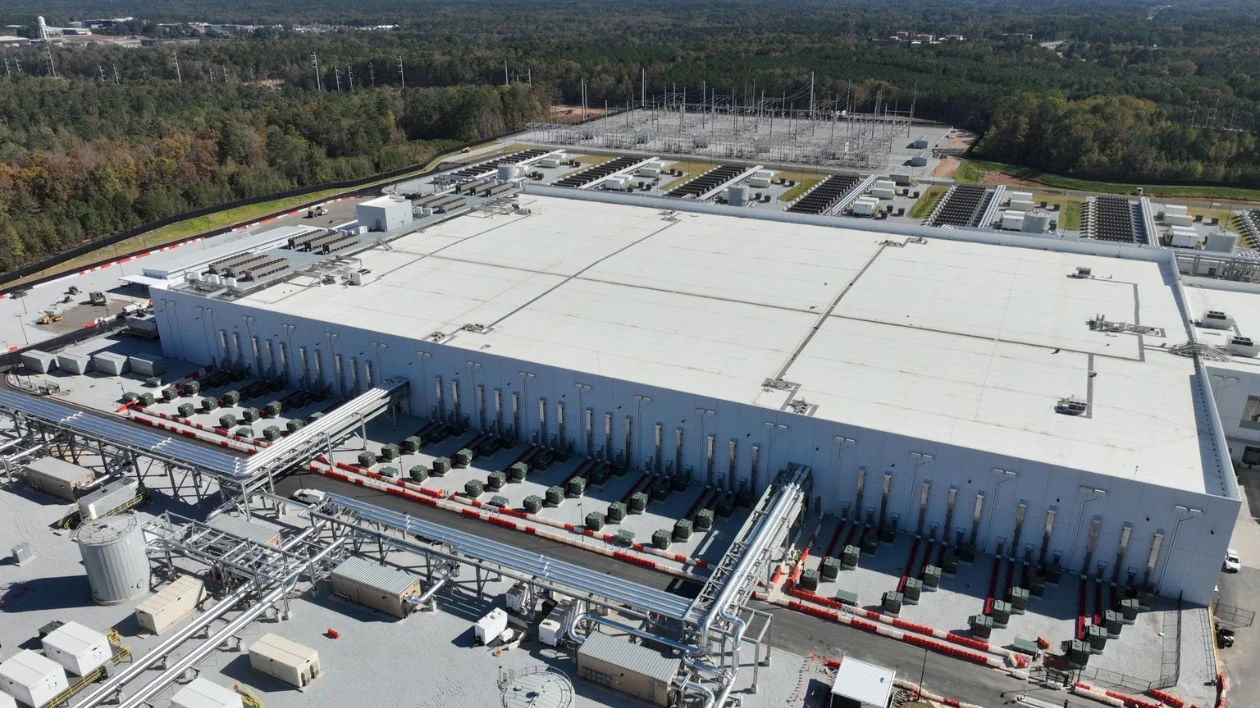
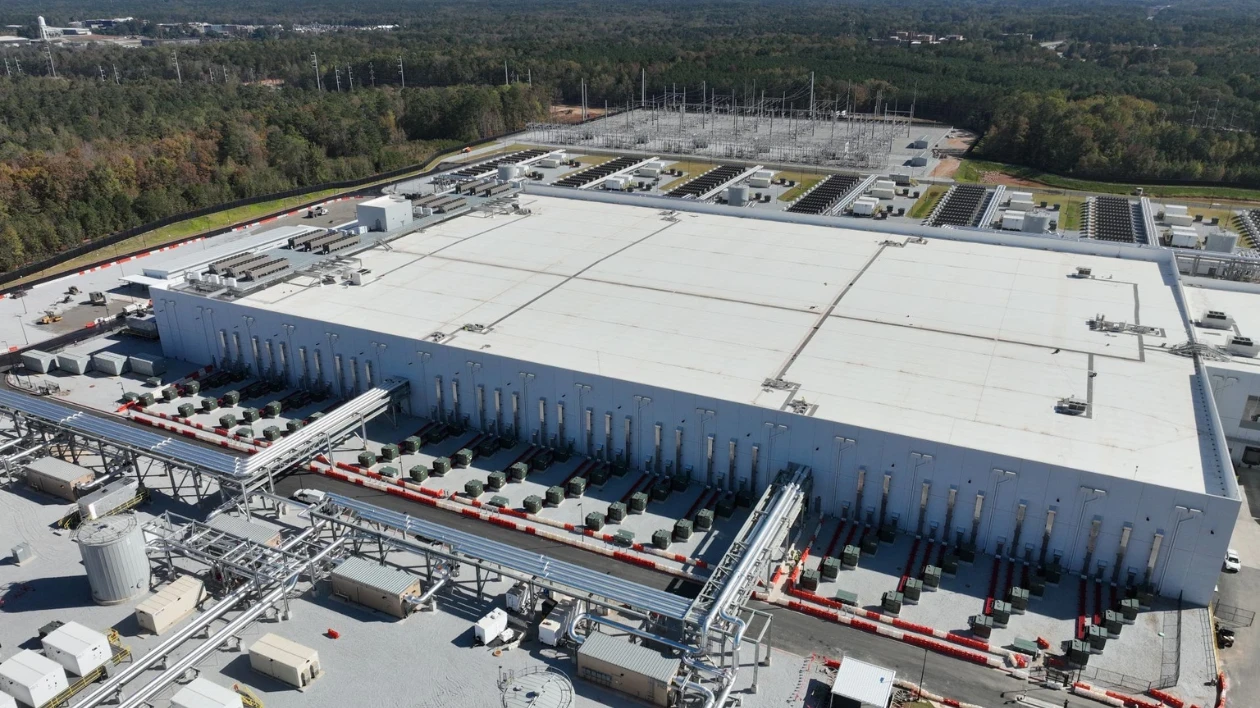
In the cloud context, Microsoft operates as the municipal infrastructure provider—delivering resilient physical data centers, isolated power grids, high-speed backbones, and secure boundary controls. However, how individual "buildings" (enterprise applications) are designed, how emergency plans are rehearsed, and how compliance boundaries are maintained remain the co-responsibility of the enterprise operator.
The Shared Responsibility Matrix for Resiliency
| Functional Domain | Microsoft Azure Responsibility | Customer & Partner Responsibility |
|---|---|---|
| Physical Infrastructure | Data center construction, physical security, redundant power/cooling, fiber backbones. | Selection of deployment regions matching operational requirements. |
| Platform Foundations | Availability Zone isolation, hardware hypervisor stability, rack fault domain management. | Architecting applications for zone-first deployment and fault tolerance. |
| Replication & Recovery | Provisioning underlying hypervisor hooks, storage fabric immutability, backup storage nodes. | Configuring RTO/RPO targets, setting up Azure Site Recovery, managing backup policies. |
| Data & Sovereignty | Enforcing platform-level boundary guarantees and encryption infrastructure. | Defining data residency boundaries, governing transit policies, managing encryption keys. |
| Validation & Operations | Platform telemetry generation, Chaos Studio infrastructure maintenance. | Conducting continuous chaos testing, executing recovery drills, applying IaC patches. |
The Three Interconnected Pillars of Azure Resiliency
Azure’s operational architecture relies on three interconnected pillars designed to ensure that systems remain available, recoverable, and trustworthy across diverse failure modes.
                         THE THREE PILLARS OF AZURE RESILIENCY

          +-----------------------------------------------------------------+
          |                     Operational Trust Boundary                  |
          +-----------------------------------------------------------------+
                                           |
      +------------------------+-----------+-----------+------------------------+
      |                        |                       |                        |
      v                        v                       v                        v
+------------------------+  +--------------------+  +-----------------------------------+
| Infrastructure         |  | Data               |  | Cyber                             |
| Resiliency             |  | Resiliency         |  | Recovery                          |
+------------------------+  +--------------------+  +-----------------------------------+
| • Zone-First Design    |  | • Immutable Backup |  | • Clean-room Isolation            |
| • Traffic Routing      |  | • Point-in-Time    |  | • Rehydration Workflows           |
| • Regional Pairings    |  | • Encryption State |  | • Out-of-band Restore             |
+------------------------+  +--------------------+  +-----------------------------------+
1. Infrastructure Resiliency
Built on a zone-first design pattern, applications are architected to withstand the total loss of an entire Availability Zone without service interruption. Traffic management platforms automatically divert requests away from degraded zones to healthy instances.
For broader geographical disruptions, Azure accommodates both paired and unpaired regional deployment strategies. While paired regions feature high-speed cross-region replication links, unpaired region strategies empower organizations operating under strict data-residency laws to execute cross-region disaster recovery using Azure Site Recovery without violating jurisdictional parameters.
2. Data Resiliency
Infrastructure failovers are useless if the underlying data state is corrupted or lost. Data resiliency guarantees that databases, blob storage, and file systems retain point-in-time integrity. Through Azure Backup, data is safeguarded against accidental deletion, physical media failure, and silent degradation through continuous checksum validation, geo-redundant vault storage, and immutability controls.
3. Cyber Recovery
Standard disaster recovery strategies often fail during complex ransomware or insider cyberattacks. If an attacker compromises an environment and encrypts production databases, traditional low-latency replication simply replicates the encrypted state across regions. Cyber recovery addresses this vulnerability by ensuring rapid, clean-room rehydration. Systems can restore isolated, known-good data points out-of-band into uncompromised infrastructure, allowing organizations to rebuild operational environments securely.
Strategic Alignment, Sovereign Compliance, and AI Automation
As cloud environments face tighter regulatory scrutiny—such as Europe’s Digital Operational Resilience Act (DORA) and global data sovereignty mandates—resiliency strategies must evolve. They can no longer rely on standardized, one-size-fits-all blueprints. Organizations operating in sovereign or heavily regulated domains must explicitly govern where data resides, how encryption keys are stored, and how cross-border data movement is restricted during recovery operations.
Operationalizing Intelligence: Azure Infrastructure Resiliency Manager
To bridge high-level operational intent with execution, the Azure Infrastructure Resiliency Manager streamlines governance through a structured continuous lifecycle:
                    CONTINUOUS RESILIENCY LIFECYCLE

     +-----------------------------------------------------------+
     v                                                           |
+---------+         +----------+         +---------+         +-------+
| Design  |  -----> | Validate |  -----> | Operate |  -----> | Adapt |
+---------+ +----------+ +---------+ +-------+- Design: Establish baseline zonal fault tolerance and map workload dependencies across compute, network, and storage layers.
- Validate: Execute automated fault injections via Azure Chaos Studio to stress-test failure boundaries under simulated real-world conditions.
- Operate: Continuously monitor deployment telemetry via Azure Monitor to detect latency spikes, capacity bottlenecks, or posture degradation.
- Adapt: Leverage real-time telemetry and AI recommendations to update IaC scripts, refactor infrastructure, and optimize resiliency posture.
The Role of the Resiliency Agent and Programmable Workflows
At the heart of this lifecycle sits the Resiliency Agent. Rather than delivering passive dashboard metrics, the agent analyzes application architectures holistically. It surfaces single points of failure, identifies unattached or non-zoned resources, and presents clear trade-off analyses between deployment costs, target availability, and compliance constraints.
Crucially, the Resiliency Agent translates insights directly into action by generating fully compliant Infrastructure-as-Code (IaC) templates (Bicep or Terraform). Enterprise engineering teams can immediately inspect, validate, and commit these changes straight into their CI/CD pipelines.
                               PROGRAMMABLE AUTOMATION PIPELINE

+--------------------+      +--------------------+      +------------------+      +---------------------+
| Resiliency Agent   | ---> | IaC Template Gen   | ---> | CI/CD Deployment | ---> | Azure Backup        |
| (Risk Evaluation)  |      | (Bicep / Terraform)|      | Pipeline         |      | MCP Server (Agent)  |
+--------------------+      +--------------------+      +------------------+      +---------------------+
                                                                                         |
                                                                                         v
                                                                                +---------------------+
                                                                                | Programmable Safe   |
                                                                                | Restore & Recovery  |
                                                                                +---------------------+
Furthermore, integration with the Azure Backup MCP (Model Context Protocol) Server makes disaster recovery programmable. Developers and automated systems can execute programmatic recovery readiness checks, validate backup policy compliance, and initiate automated restore workflows via standardized API protocols—all while staying strictly within enterprise-defined sovereignty boundaries.
Future Outlook & Industry Implications
The shift toward intelligent, self-healing, and compliance-aware cloud architecture signals a major structural change in enterprise IT management:
- From Advisory Guardrails to Executable Automation: The industry is moving away from manual compliance audits and reactive patching. Resiliency is becoming natively integrated into code pipelines, evaluated continuously, and remediated programmatically.
- Convergence of Cyber Defense and Business Continuity: Cyber recovery and traditional business continuity are merging into a single operational framework. As ransomware attacks increasingly target backup repositories, clean-room rehydration and immutable data vaulting will become baseline architectural requirements.
- Sovereignty-Driven Cloud Architectures: Hyper-scalers will continue building granular controls that allow organizations to deploy highly resilient, multi-zone strategies within strict sovereign boundaries, ensuring regulatory compliance without compromising operational uptime.
- Autonomous Resiliency Operations: As intelligent agents like the Resiliency Agent mature, enterprise cloud environments will increasingly move toward self-healing topologies—automatically rerouting traffic, reprovisioning failed instances, and optimizing backup intervals in response to live operational anomalies.
Through ecosystem frameworks like Azure Essentials, Microsoft Unified, and Azure Accelerate, organizations are provided with structured pathways to move from architectural concepts to continuous operational execution.
Ultimately, true cloud resiliency is not defined by the total absence of operational failure; it is defined by an organization’s ability to maintain trust, protect critical data, and adapt seamlessly when failure inevitably occurs. By unifying platform infrastructure, intelligent automation, and rigorous governance, Azure provides a modern framework for building durable, recover-ready enterprise applications.