By Christopher Tozzi
Technology Analyst & Contributor
Executive Overview
As the global artificial intelligence boom and cloud computing expansion drive an unprecedented wave of data center construction, a hidden environmental friction is emerging between tech operators and local communities. While much of the public debate surrounding massive server farms has focused on visible land use, soaring water consumption, and the immense strain placed on local power grids, a far more elusive sensory disturbance is gaining traction: infrasound.
Most of the noise pollution generated by data centers—such as the whirring of industrial HVAC systems, the drone of massive cooling fans, and periodic diesel generator tests—is audible, easily quantifiable, and strictly regulated by municipal noise ordinances. However, a significant component of data center acoustics operates entirely below the threshold of human hearing. Infrasound, which consists of low-frequency acoustic energy under 20 Hz, cannot typically be heard by the human ear. Yet, residents living adjacent to large-scale data facilities increasingly report feeling its effects. They describe subtle body pressure changes, persistent structural vibrations, and the uncanny rattling of doors and windows.
As local neighborhoods grow more sophisticated in scrutinizing new digital infrastructure projects, infrasound has transformed from an obscure acoustic phenomenon into a central flashpoint in zoning boards, town halls, and environmental impact hearings. This article explores the mechanics of data center infrasound, its origins within complex server facilities, the growing body of health complaints tied to low-frequency noise, and the practical engineering and communicative strategies operators must adopt to preserve their social license to operate.
Detailed Chronology: The Rise of Infrasound in Community Discourse
To understand how low-frequency acoustic emissions became a pressing concern for the technology sector, it is necessary to trace the evolution of data center development and community opposition over the past decade.
Phase One: The Era of Audible Decibels (Pre-2020)
For years, zoning battles over data centers were dominated by standard acoustic metrics. Operators built massive windowless warehouses packed with tens of thousands of servers, utilizing industrial cooling towers and rooftop air-handling units to keep hardware from overheating. When neighbors complained, the grievances were straightforward: loud humming, high-pitched mechanical whines, and sudden roars during emergency generator testing.
Municipalities responded by applying traditional A-weighted decibel ($dBA$) limits. These regulations were designed for human hearing ranges (typically 20 Hz to 20,000 Hz) and failed to account for sub-audible frequencies. Data center developers easily satisfied local compliance codes by installing standard acoustic louvers and barriers, assuming the noise issue had been successfully resolved.
Phase Two: The Megacenter Expansion and Ultra-Low Frequencies (2020–2023)
As hyperscale facilities grew exponentially—expanding from modest 10-megawatt buildings to sprawling 300+ megawatt campuses required for generative AI training—the physical scale of cooling and power infrastructure scaled up proportionally. Massive industrial chillers, giant rotary uninterruptible power supplies (UPS), and high-capacity standby diesel generators began operating continuously or in tighter synchronicity.
At this scale, the physical vibration profiles of the equipment shifted. While acoustic engineering successfully muffled the audible pitch, it often left the low-frequency and sub-audible acoustic output intact. Residents near newly commissioned hyperscale campuses began reporting a strange phenomenon: a low, rhythmic thrumming that could not be blocked out by double-pane windows or earplugs.
Phase Three: The Health Claims and Regulatory Scrutiny (2023–Present)
In recent years, community pushback has evolved. Residents in states like California, Virginia, and Ohio have begun connecting proximity to data centers with unexplained physical symptoms. Communities have flooded planning commission meetings with complaints of chronic headaches, sleep disruption, nausea, and general anxiety.
Simultaneously, local governments are pushing back against fast-tracked approvals. Landmark legal actions—such as a recent California judge’s order mandating a full environmental review for a massive 330 MW data center project—signal that regulators are no longer willing to rubber-stamp developments based solely on standard compliance metrics. Infrasound, once dismissed as a fringe concern, is now taking center stage in environmental impact assessments.
Supporting Context & Metrics: What is Infrasound and Where Does It Come From?
To address the challenge of low-frequency noise, stakeholders must first understand the physics of infrasound and pinpoint its exact origins within a modern data center architecture.
Defining Infrasound
Acoustic energy is measured in Hertz (Hz), representing cycles per second. The normal human hearing range spans from approximately 20 Hz to 20,000 Hz.
- Audible Sound: Frequencies above 20 Hz that register clearly on standard decibel meters.
- Infrasound: Frequencies typically below 20 Hz, extending down to fractions of a Hertz.
While the human ear cannot register these waves as sound, other parts of the human body can. Sensory receptors in the skin, inner ear vestibular system, and internal organs can perceive infrasound as pressure fluctuations or whole-body vibrations. Furthermore, low-frequency waves interact with physical structures—such as drywall, window panes, and furniture—causing them to resonate and emit secondary rattling sounds that humans can hear and feel.
+-----------------------------------------------------------------+
|                  HUMAN HEARING & ACOUSTIC SPECTRUM              |
+-----------------------------------------------------------------+
|  Infrasound (< 20 Hz)       |  Audible Sound (20 Hz - 20 kHz)   |
|  - Sub-audible pressure     |  - Speech, music, machinery hum   |
|  - Structural resonance     |  - Standard decibel meter range   |
|  - Body vibration & rattle  |  - Regulated by local ordinances  |
+-----------------------------------------------------------------+
Primary Sources of Infrasound in Data Centers
While natural infrasound is generated by ocean waves, severe weather systems, and seismic activity, modern data centers concentrate a unique array of human-made low-frequency generators in a single location:
- Massive Cooling Infrastructure: Hyperscale data centers require immense thermal management. Large centrifugal chillers, industrial cooling towers, and variable-speed air-handling units (AHUs) move millions of cubic feet of air per hour. The heavy blades and compressors operating within these systems produce powerful low-frequency pulsations.
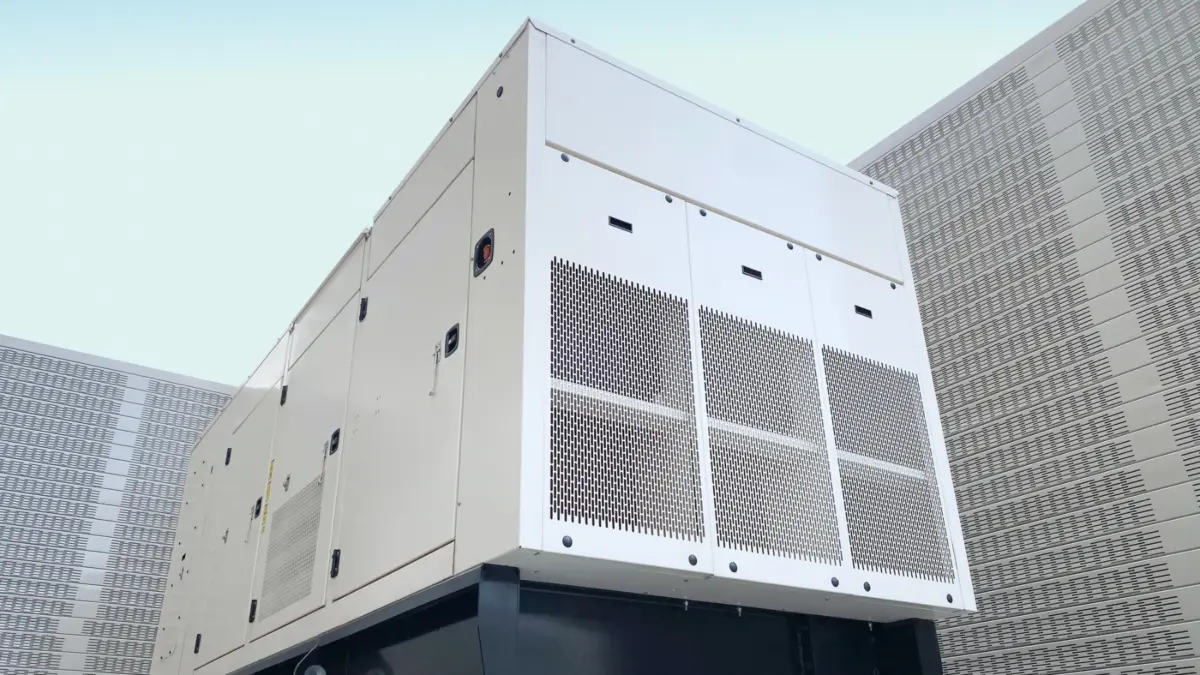
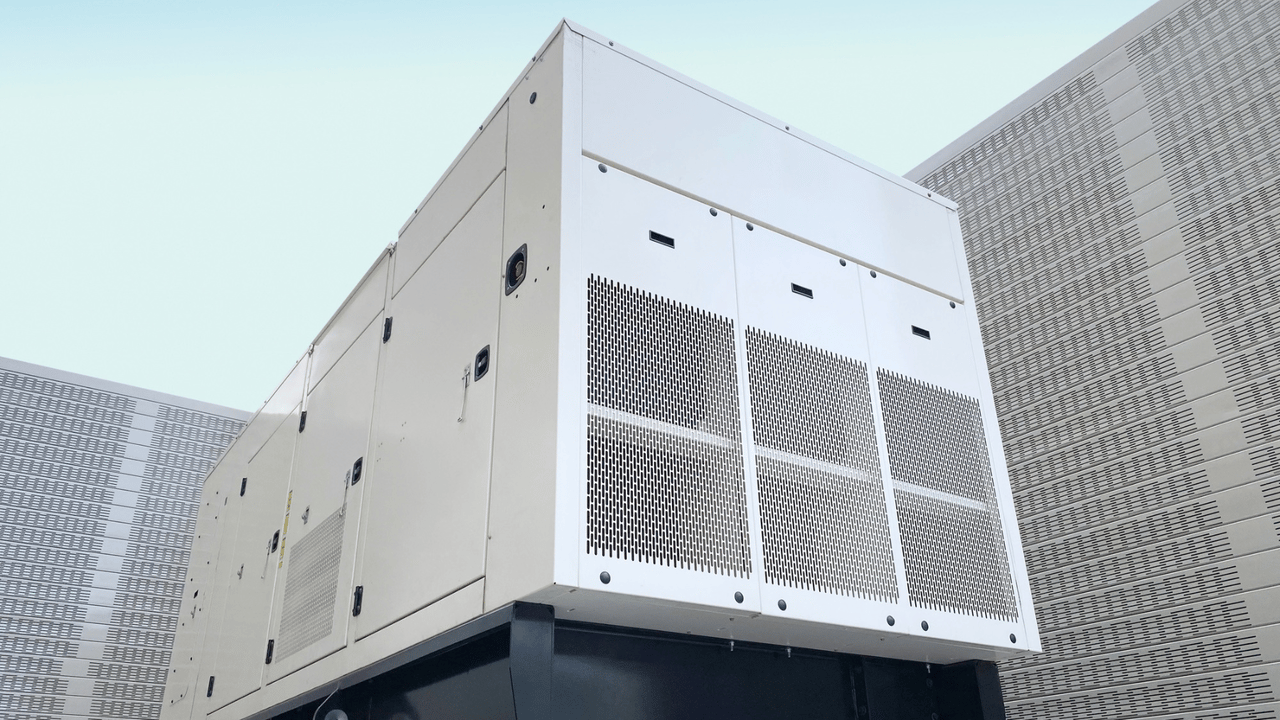
- Backup Diesel Generators: Standby generators—often powered by massive V16 or V20 diesel engines—are notorious contributors to low-frequency noise. Even when equipped with standard exhaust silencers designed to muffle high-pitched exhaust notes, the low-end rumble and mechanical vibration of these massive engines easily pierce through building envelopes and travel vast distances.
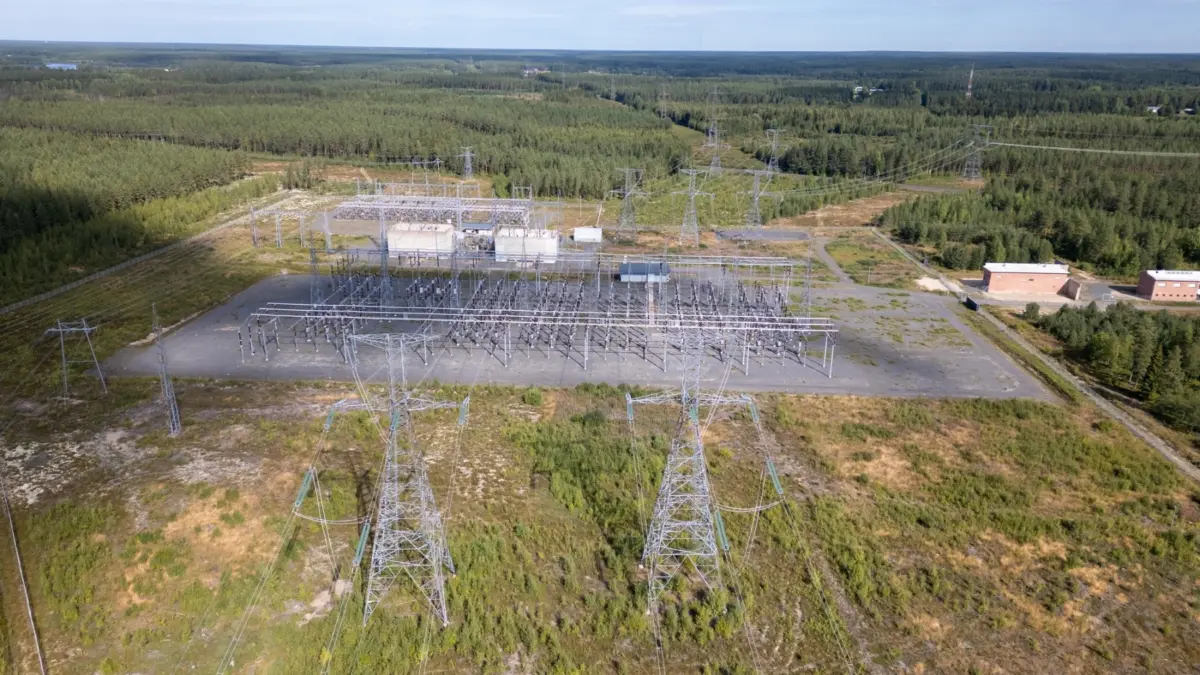
- Transformer Substations: On-site step-down transformers and electrical substations hum at the frequency of the electrical grid (50 Hz or 60 Hz), but subharmonics and mechanical core vibrations can generate low-frequency acoustic energy that couples directly with the ground and surrounding air.
- Air-Pressure Dynamics: The sheer volume of air being drawn into and expelled from a facility creates pressure waves within ductwork and large server halls, acting like a giant organ pipe that amplifies low-frequency tones.
Official Statements and Industry Perspectives
The debate over data center infrasound has created a tense dialogue between concerned citizens, independent acoustic researchers, and industry representatives.
"Most people assume that if a facility passes a standard decibel test at the property line, it is a good neighbor. But standard A-weighted sound meters are deliberately designed to filter out low-frequency energy. Operators are measuring the wrong spectrum while communities are feeling the exact impact they claim doesn’t exist."
— Dr. Aris Thorne, Environmental Acoustics Consultant
Community advocacy groups have increasingly pointed to peer-reviewed studies linking prolonged exposure to low-frequency noise and infrasound with physiological stress responses. When individuals are subjected to continuous sub-audible vibrations, the human nervous system can interpret the sensation as a persistent threat, triggering cortisol spikes, chronic fatigue, and sleep deprivation.
Conversely, data center industry associations maintain that definitive causal links between data center operations and specific health maladies remain unproven.
"The data center industry is committed to sustainable, community-friendly development. However, measuring infrasound requires highly specialized microbarometers and acoustic sensors that are rarely deployed in standard municipal assessments. We need rigorous, science-based data to separate perceived impacts from actual infrastructural emissions before rushing into restrictive new regulatory frameworks."
— Acoustical Engineering Working Group, Data Center Coalition Statement
Despite pushing back against unverified health claims, forward-thinking operators recognize that ignoring public concern is a losing strategy. Public relations and community trust are vital currency when securing zoning permits for multi-billion-dollar campuses.
Practical Mitigation Strategies: How to Silence the Sub-Audible
Fortunately, engineering solutions exist to tame infrasound emissions before they become a legal or community relations crisis. Data center operators aiming to stay ahead of regulatory crackdowns are deploying several practical, cost-effective mitigation strategies:
1. Advanced Acoustic Tuning and Specialized Silencers
Standard reactive and dissipative silencers are often tuned only for audible frequencies. To combat infrasound, operators are turning to tuned dissipative silencers and custom acoustic baffles specifically engineered to dampen sub-20 Hz waves. These systems use specialized Helmholtz resonators—cavities designed to trap and neutralize specific low-frequency wavelengths.
2. Vibration Isolation Mounts and Floating Floors
Because low-frequency energy travels effectively through solid ground and building structures, isolating heavy equipment is critical. Installing industrial-grade spring mounts, elastomeric pads, and inertia bases beneath chillers, generators, and transformers prevents mechanical vibrations from coupling with the earth or building foundations.
3. Strategic Facility Layout and Siting
Acoustic planning must begin at the architectural design phase. Placing noisy infrastructure—such as generator yards and cooling plants—deep within the interior of the campus, shielded by administrative office blocks or non-sensitive warehousing, dramatically reduces the direct line-of-sight propagation of low-frequency waves toward neighboring property lines.
4. Operational Scheduling and Runtime Limits
For equipment that inevitably produces high levels of low-frequency noise, such as routine weekly or monthly diesel generator tests, operational discipline is key. Limiting runtime to strict daytime hours minimizes sleep disruption and community annoyance compared to nocturnal testing schedules.
Future Outlook: Transparency, Technology, and the Path Forward
As the digital economy demands faster, denser, and more powerful computing infrastructure, the physical footprint of data centers will continue to evolve. Artificial intelligence workloads show no signs of slowing down, ensuring that thermal management and power demands will remain at an all-time high.
To navigate this high-stakes environment, data center operators must shift away from defensive postures and embrace proactive transparency. Waiting for community protests or regulatory mandates is no longer a viable business model.
+-----------------------------------------------------------------+
|              THE ROADMAP FOR COMMUNITY HARMONY                  |
+-----------------------------------------------------------------+
|  [1] Baseline Monitoring  ---> Deploy infrasound sensors        |
|  [2] Engineering Control  ---> Install tuned low-frequency traps|
|  [3] Open Dialogue        ---> Share data transparently         |
|  [4] Social License       ---> Build long-term trust            |
+-----------------------------------------------------------------+
The future of sustainable data center development will rely on three core pillars:
- Comprehensive Measurement: Investing in specialized infrasound monitoring equipment to establish accurate baseline data before breaking ground.
- Proactive Engineering: Integrating low-frequency mitigation directly into the blueprint of next-generation AI campuses.
- Community Engagement: Hosting open forums where technical data is shared transparently with local residents, validating their lived experiences rather than dismissing them.
By acknowledging that what cannot be heard can still be felt, the data center industry can bridge the gap between technological progress and community well-being—ensuring that the digital revolution does not come at the cost of peace and quiet in America’s neighborhoods.