Executive Overview
In the modern entertainment landscape, the viability of any film or television project hinges as much on financial engineering as it does on creative execution. As production budgets face unprecedented scrutiny from financiers and studios alike, state-wide production incentives have transitioned from a helpful financial subsidy to an absolute operational necessity. However, navigating the labyrinthine regulatory frameworks, compliance audits, and residency verification protocols required to claim these incentives has historically been a manual, error-prone, and stress-inducing process.
Enter Goldenrod, a pioneering, filmmaker-built financial platform designed to demystify and streamline the incentive recovery process. Officially launching with immediate support for productions in Texas, Louisiana, and Kentucky—alongside a selective national early-access program—Goldenrod acts as a digital bridge between raw production accounting and complex state regulatory compliance.
Co-founded by veteran industry post-production and production executives, the platform combines a robust, real-time financial dashboard with high-touch, in-house consulting services. By automating compliance tracking and providing continuous fiscal transparency from pre-production through final audit, Goldenrod seeks to empower producers—ranging from independent micro-budget creators to major studio executives—to recoup the maximum qualifying rebates possible. The platform’s launch arrives at a critical juncture, particularly in Texas, where a historic legislative funding expansion has positioned the state as a primary battleground for domestic physical production.
Detailed Chronology
The genesis of Goldenrod is deeply intertwined with the shifting geopolitical and legislative landscape of American film production. To understand the platform’s development, one must trace the timeline of state incentive evolutions and the operational bottlenecks that inspired Goldenrod’s creation.
[2023-2024: Legislative Catalyst] ──> [2025: Platform Architecture & Private Beta] ──> [Early 2026: Proof of Concept at SXSW] ──> [Present: Public Launch & Expansion]The Legislative Catalyst (2023–2024)
The foundation for Goldenrod was laid following the passage of Texas’s landmark legislative package, which injected a historic $1.5 billion into the Texas Moving Image Industry Incentive Program (TMIIIP). Taking full effect as a revamped operational system, this massive capital infusion instantly transformed Texas from a secondary market into a top-tier destination capable of competing with production powerhouses like Georgia, California, and New York.
However, with massive funding came heightened regulatory scrutiny. The state’s transition to an aggressive cash-rebate model meant that while funds were distributed faster than traditional tax-credit systems, the compliance standards became significantly more rigorous. Production teams on the ground quickly realized that existing accounting tools were ill-equipped to track real-time qualifying local spend, regional labor ratios, and local vendor transactions with the precision required by state auditors.
Platform Architecture and Private Beta (2025)
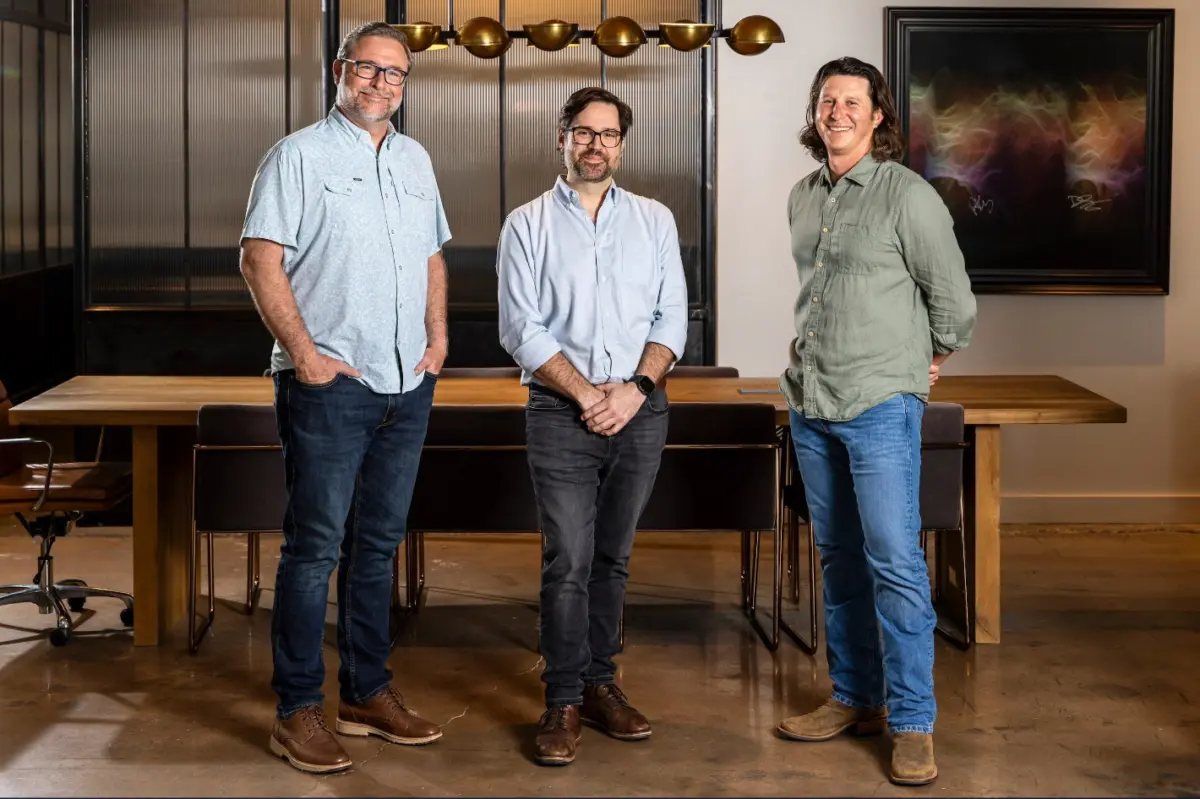
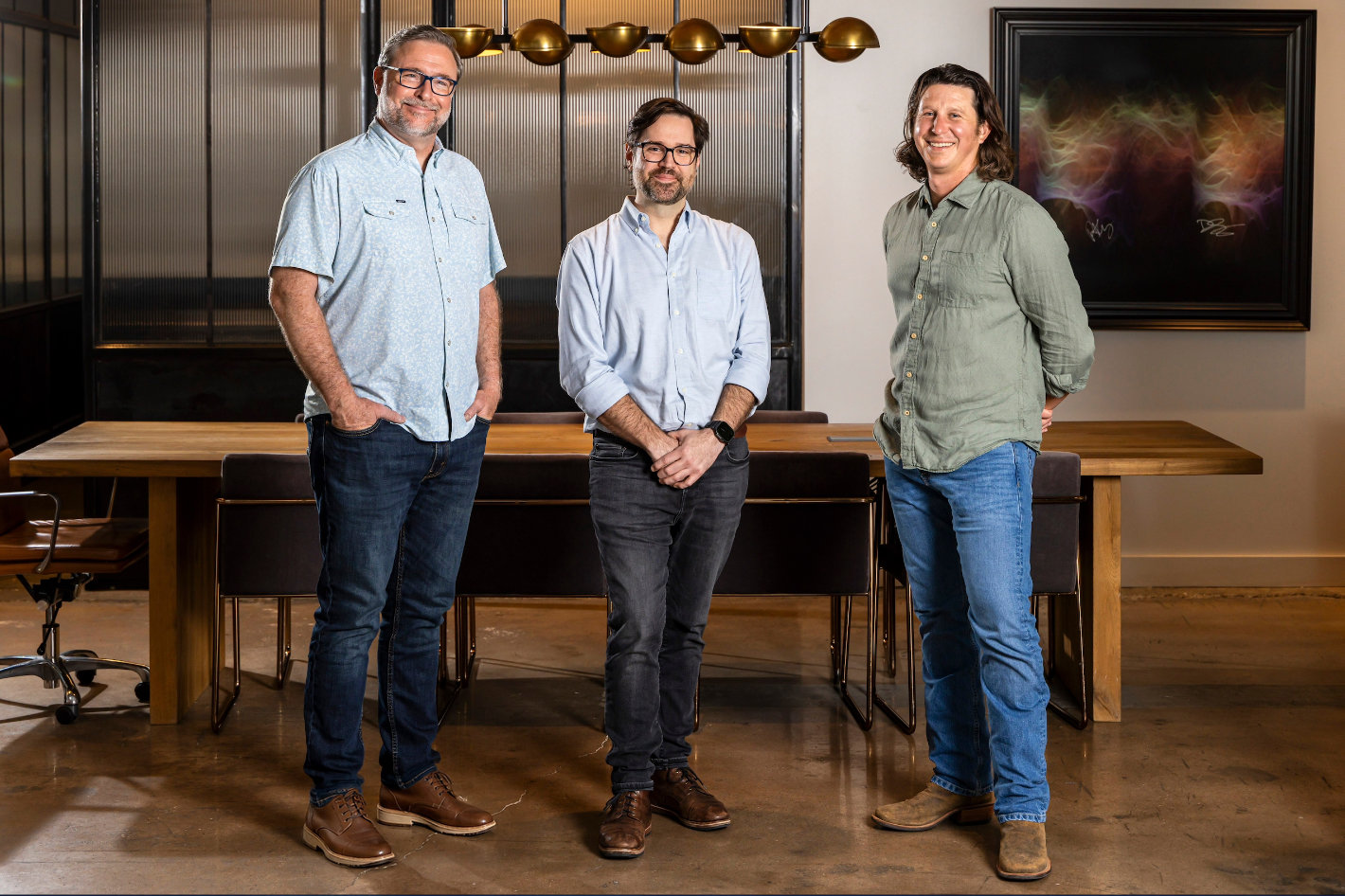
Recognizing this systemic friction, a coalition of Texas-based industry veterans—led by Ted Griffis and Brandon Thomas of the acclaimed Austin post-production house TBD Post, alongside producer Russell Wayne Groves of The Ranch Productions—began developing a proprietary software solution.
Throughout 2025, the team engineered a secure, filmmaker-friendly financial dashboard designed to ingest production accounting data and map it directly against state-specific compliance criteria. The platform was subjected to a rigorous private testing phase, embedded within active, boots-on-the-ground productions to stress-test its real-time tracking capabilities, compliance flagging algorithms, and user interface.
Proof of Concept: SXSW 2026
The efficacy of the platform was validated on the national stage in early 2026. Multiple feature films and television projects that celebrated their world premieres at the SXSW Film & TV Festival in 2026 had quietly utilized Goldenrod’s private beta software during their active production cycles. These productions successfully navigated their state filings, demonstrating that real-time compliance tracking not only protected their rebate yields but also accelerated the post-production delivery timeline by eliminating end-of-shoot accounting bottlenecks.
Public Launch and Phased Rollout (Present)
Following its successful proof of concept, Goldenrod has officially launched its public-facing platform. The initial rollout strategically targets three critical, high-incentive southern and midwestern states:
- Texas: Serving as the platform’s primary hub, capitalizing on the $1.5 billion rebate fund.
- Louisiana: Supporting one of the nation’s most established and historically robust tax incentive markets.
- Kentucky: Offering a rapidly growing, highly competitive incentive landscape that has attracted an influx of independent and studio productions.
Simultaneously, Goldenrod has opened a controlled, national early-access program. This initiative allows select productions operating in other incentive-heavy states to onboard onto the platform, allowing Goldenrod to gather localized data and optimize its software as it systematically scales its automated compliance engine nationwide.
Supporting Context & Metrics
To appreciate the market demand for a platform like Goldenrod, it is necessary to examine the mechanics of state film incentives and the specific financial structures of the markets in which Goldenrod is launching.
| Jurisdiction | Incentive Type | Maximum Potential Rebate/Credit | Minimum Budget Threshold | Primary Administrative Bottlenecks |
|---|---|---|---|---|
| Texas | Cash Rebate | Up to 31% | $250,000 | Strict local residency quotas, regional spend mandates, fast-tracked audit queues. |
| Louisiana | Tax Credit | Up to 40% (inclusive of payroll/local multipliers) | $300,000 | Complex credit monetization/brokerage, multi-tiered CPA verification. |
| Kentucky | Refundable Tax Credit | Up to 30% (35% in enhanced counties) | $250,000 (Feature/TV) | Strict local labor requirements, regional spending verifications. |
The Cash Rebate vs. Tax Credit Paradigm
One of the most critical distinctions in film finance is the difference between a cash rebate and a transferable tax credit:
- Transferable Tax Credits: In states like Georgia, productions receive tax credits. Because out-of-state production companies rarely have local tax liabilities, they must sell these credits to local corporations through brokers, typically receiving only 85 to 90 cents on the dollar after brokerage fees and transaction delays.
- Cash Rebates: Texas operates on a direct cash-rebate system. Once a production successfully completes its audit, the state treasury issues a direct cash payment for the qualified amount. While this system offers maximum financial liquidity and efficiency, it places the entire burden of proof on the production’s day-to-day accounting. A single unverified invoice or an incomplete residency affidavit can disqualify tens of thousands of dollars in qualifying spend.
The True Cost of Non-Compliance
For an independent production budgeted at $5 million shooting in Texas, a maximum 31% rebate represents up to $1.55 million returning directly to the project’s equity investors or senior lenders. Production loans are frequently collateralized against these anticipated rebates.
If a production experiences a mere 10% compliance failure rate due to administrative errors—such as hiring crew members whose residency documentation is invalid or failing to source equipment from qualified local vendors—the financial loss totals upwards of $155,000. More critically, such discrepancies can trigger exhaustive state audits, delaying the disbursement of the remaining $1.39 million by months or even years. This delay can accrue devastating interest on outstanding production loans.
$5,000,000 Base Budget (Texas Shoot)
   │
   ├── Max Qualifying Rebate (31%): $1,550,000
   │
   └── Impact of a 10% Compliance Failure:
       ├── Disqualified Spend Loss: -$155,000
       └── Operational Risk: Extended state audit, delayed loan payouts, accrued interest.
Goldenrod addresses this specific vulnerability. Rather than treating incentive compliance as a post-production accounting exercise, the platform operates continuously. It flags non-compliant expenditures, tracking residency ratios and vendor eligibility in real-time, allowing production managers to correct administrative oversights before the cameras even stop rolling.
Official Statements & Inside Perspectives
The driving force behind Goldenrod is a shared frustration with the legacy workflows of physical production. The founding team’s collective resume spans high-profile studio releases, indie darlings, and Emmy-winning documentary features, giving them unique insight into the operational friction points of the industry.
Co-founder Russell Wayne Groves, founder of The Ranch Productions (known for Family Movie and Stages), highlighted the heavy operational toll that administrative compliance takes on creative leadership:
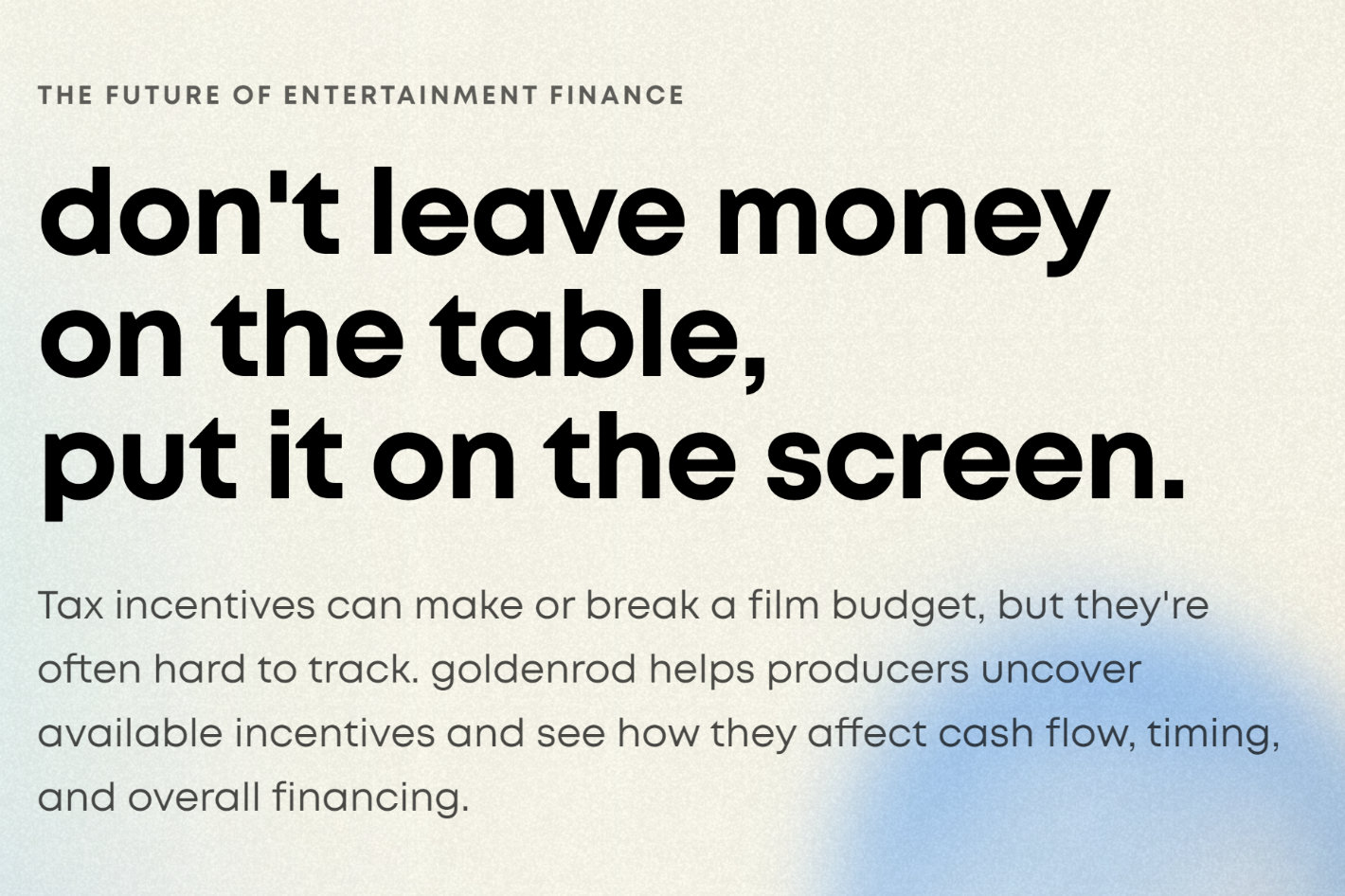
"I’ve spent years producing projects in Texas, watching real money slip away because incentives compliance is genuinely hard to get right, even when you’re trying. The administrative load pulls you off set, off the creative work, and if you miss something, you’re either leaving significant dollars on the table or facing disqualification entirely. That cycle is what pushed us to build Goldenrod. Think of it like TurboTax for production incentives: you focus on the work, we make sure you’re maximizing every dollar you’re entitled to, and your financiers always know exactly where things stand."
This "TurboTax-style" simplicity is supported by the technical and post-production expertise of co-founders Ted Griffis and Brandon Thomas. As the leaders of TBD Post—the Austin-based post-production powerhouse behind high-profile projects such as Markiplier’s upcoming Iron Lung, Netflix’s The Long Game, and Apple TV+’s Emmy-winning documentary Fathom—Griffis and Thomas understand that financial leakage often continues long after principal photography wraps.
Post-production expenditures, local VFX pipelines, and sound design are frequently eligible for state incentives but are often left unclaimed due to fragmented invoicing and a lack of coordination between physical production accountants and post-production supervisors. Goldenrod’s dashboard bridges this gap, tracking eligible expenditures through the entire life cycle of a project.
Future Outlook
As Goldenrod transitions from its initial launch phase into a broader market presence, its trajectory reflects larger structural shifts occurring within the global entertainment industry.
The Democratization of Production Finance
Historically, sophisticated incentive maximization was the exclusive domain of major Hollywood studios, which employ dedicated, in-house tax incentive departments and specialized entertainment law firms. Independent filmmakers and mid-tier production companies, operating with limited overhead, were forced to rely on freelance production accountants who may or may not have had deep, state-specific regulatory expertise.
By productizing this expertise, Goldenrod democratizes access to institutional-grade financial optimization. As independent film financing increasingly relies on a patchwork of regional equity, pre-sales, and soft money, the ability to present financiers with a real-time, transparent compliance dashboard is poised to become a standard requirement for securing production insurance and completion bonds.
Expansion of the SaaS-Plus-Consulting Model
The future of Goldenrod lies in its hybrid operational model. While pure software solutions often struggle with the nuances of localized regulatory changes, Goldenrod’s integration of digital tools with dedicated, in-house consulting experts ensures the platform remains adaptable. As state legislatures alter tax codes, budget thresholds, and local labor requirements, Goldenrod can update its software algorithms in real-time while providing direct advisory support to active productions.
As the platform expands beyond Texas, Louisiana, and Kentucky, it is positioned to capture a significant market share of the domestic physical production pipeline. In an industry where margins are razor-thin and financial transparency is increasingly demanded by financiers, Goldenrod’s launch represents a timely evolution—proving that the future of filmmaking is as much about smart financial technology as it is about what happens in front of the camera.