






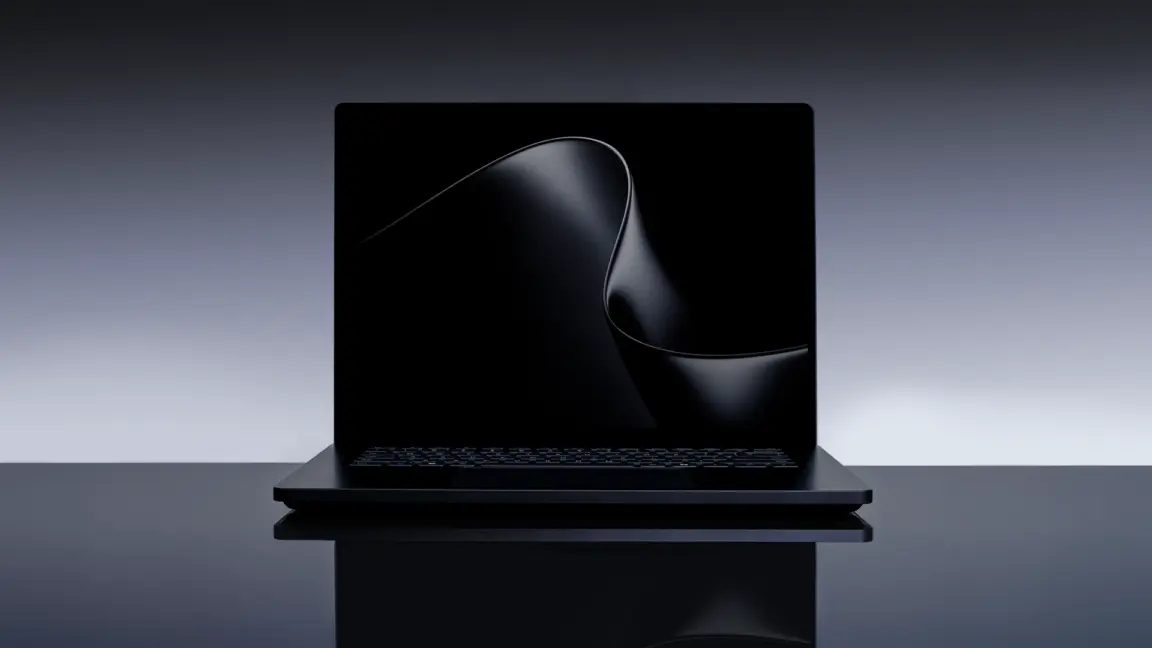
In its first live hardware and software showcase in two years, Microsoft Corp. has pulled back the curtain on a sweeping, high-stakes strategy that aims to fundamentally redefine personal computing. Broadcasted live to developers, industry analysts, and consumer enthusiasts alike, the event served as a major turning point for the Redmond giant.
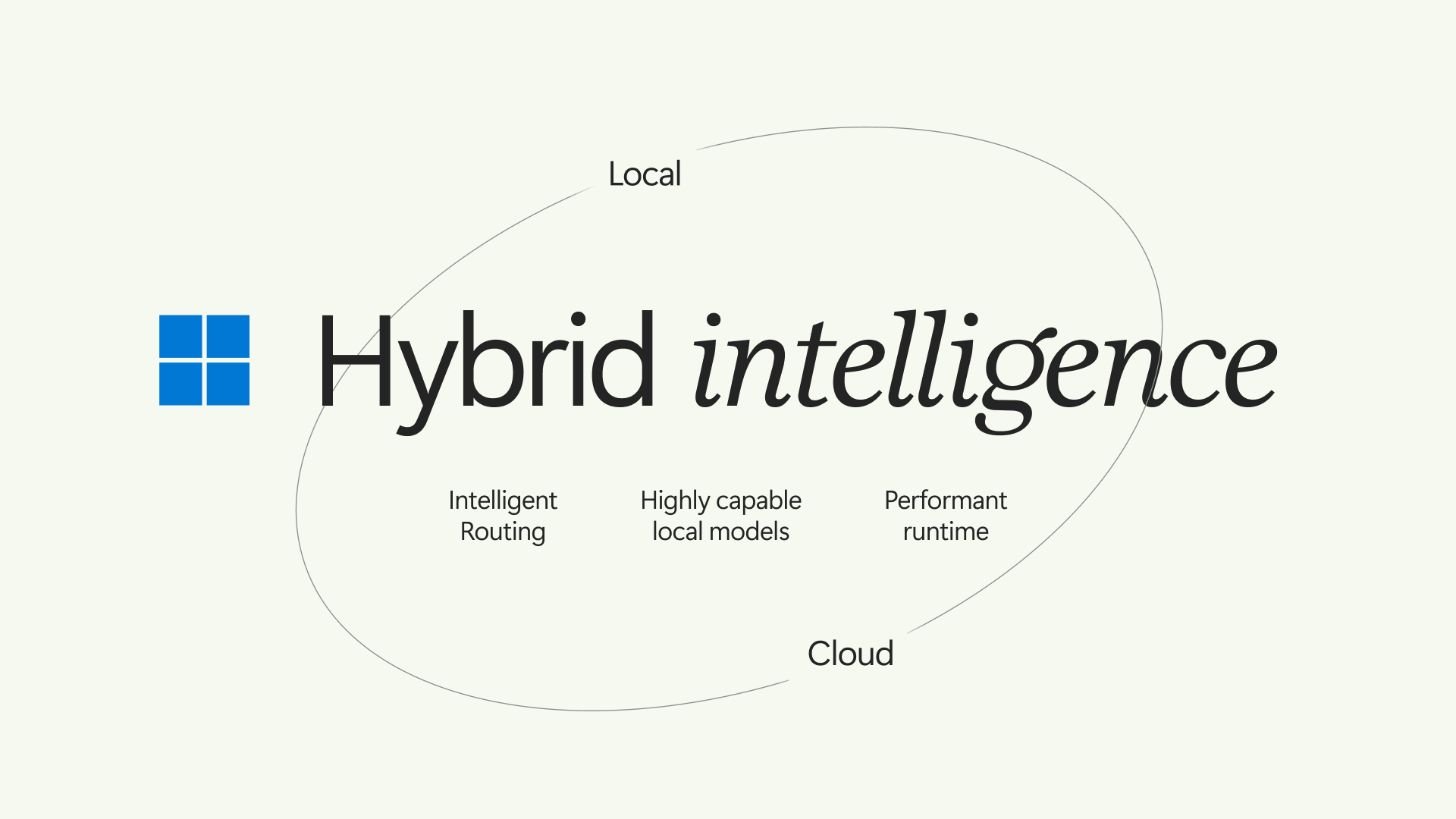
Moving aggressively away from a strictly cloud-dependent computing model, Microsoft introduced a new paradigm termed "Hybrid Intelligence." Anchored by cutting-edge hardware developed in partnership with Nvidia and paired with a comprehensive overhaul of Windows 11, the company is betting its future—and the future of the desktop operating system—on local, high-performance artificial intelligence and autonomous agentic workflows.
Executive Overview
The announcements made during Microsoft’s landmark presentation can be broken down into three core pillars: revolutionary hardware designed for frontier developers and power users, a sweeping redesign of Windows 11 to support native local AI interactions, and a robust security framework meant to keep autonomous software agents securely corralled.
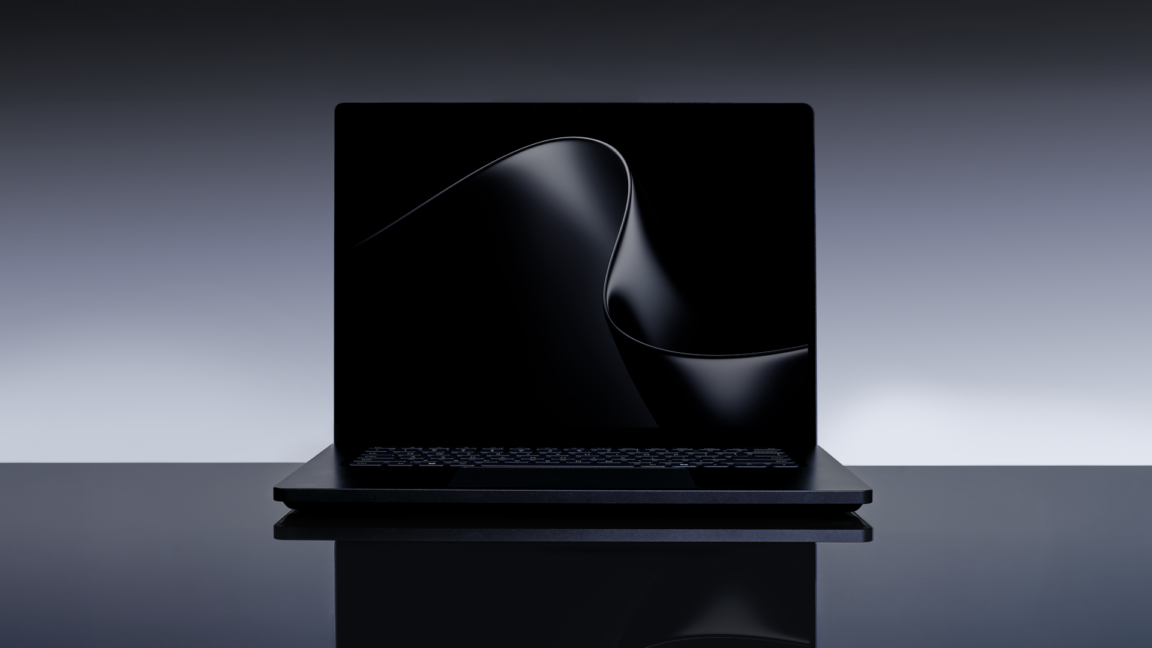
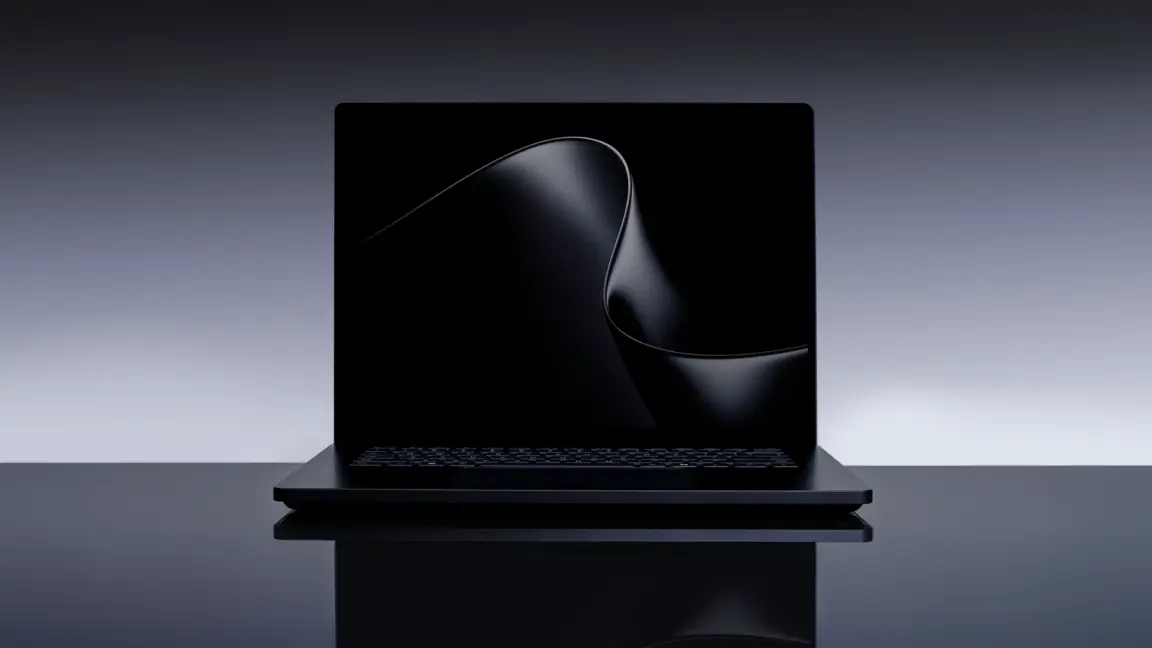
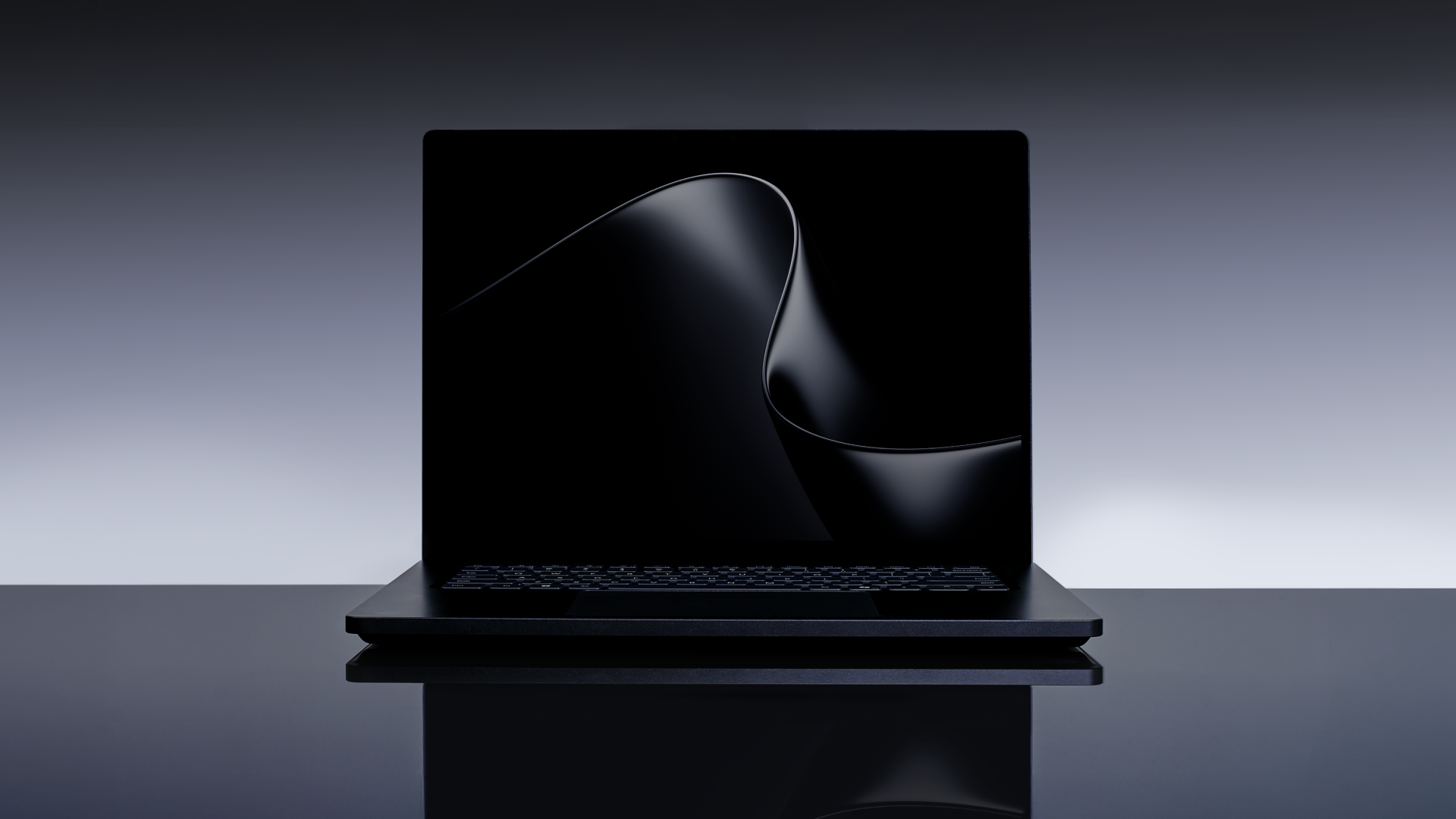
Leading the hardware charge is the Surface Laptop Ultra, Microsoft’s first consumer and prosumer device powered by the cutting-edge Nvidia RTX Spark System-on-Chip (SoC). Designed to bridge the gap between heavy-duty local AI model training, content creation, and high-end gaming, the laptop starts at $2,599 and hits shelves on October 16.
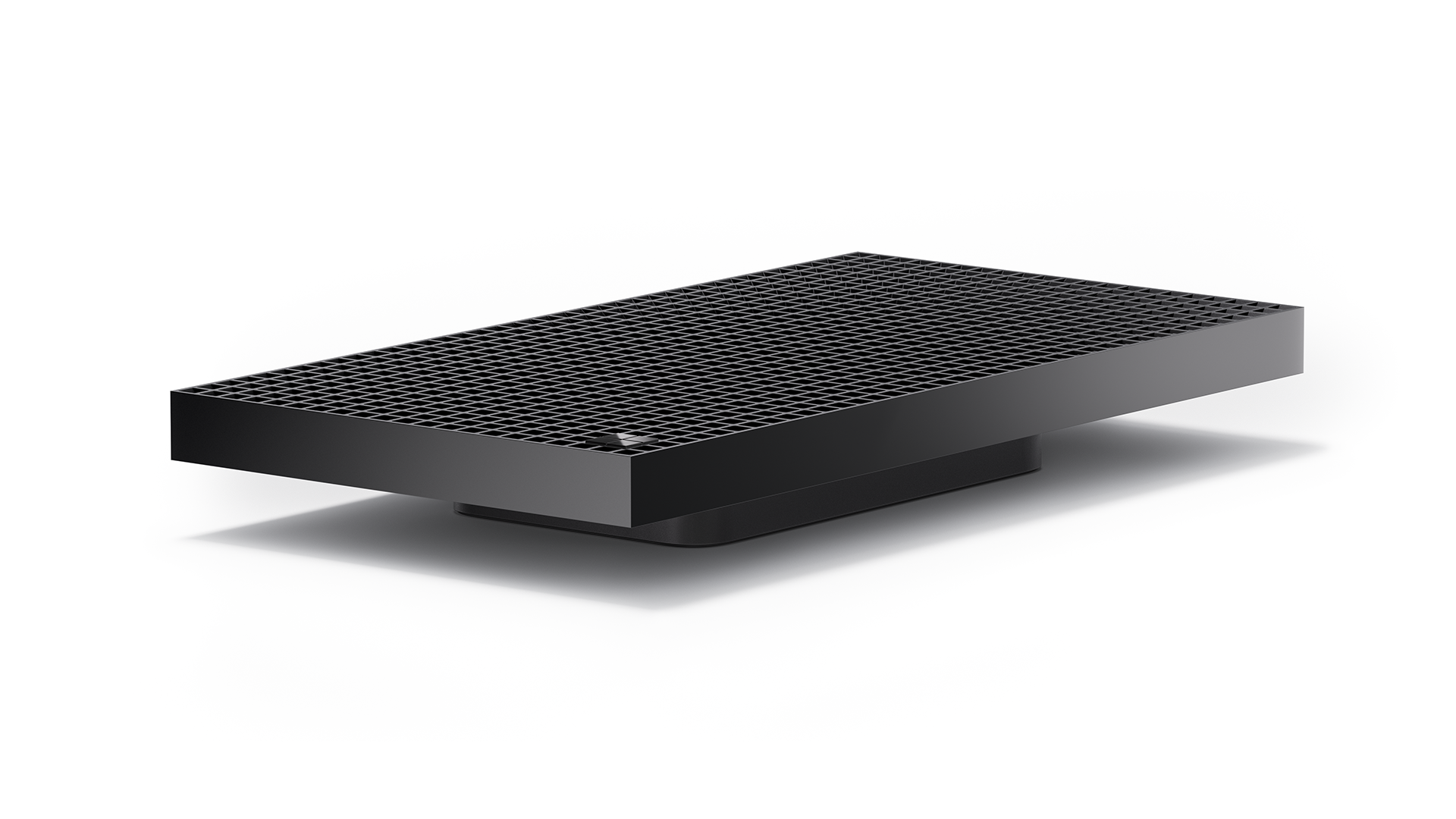
Alongside the laptop, Microsoft revealed the Surface RTX Spark Dev Box, a $5,999 desktop powerhouse aimed squarely at developers who require enterprise-grade AI compute directly on their local infrastructure.
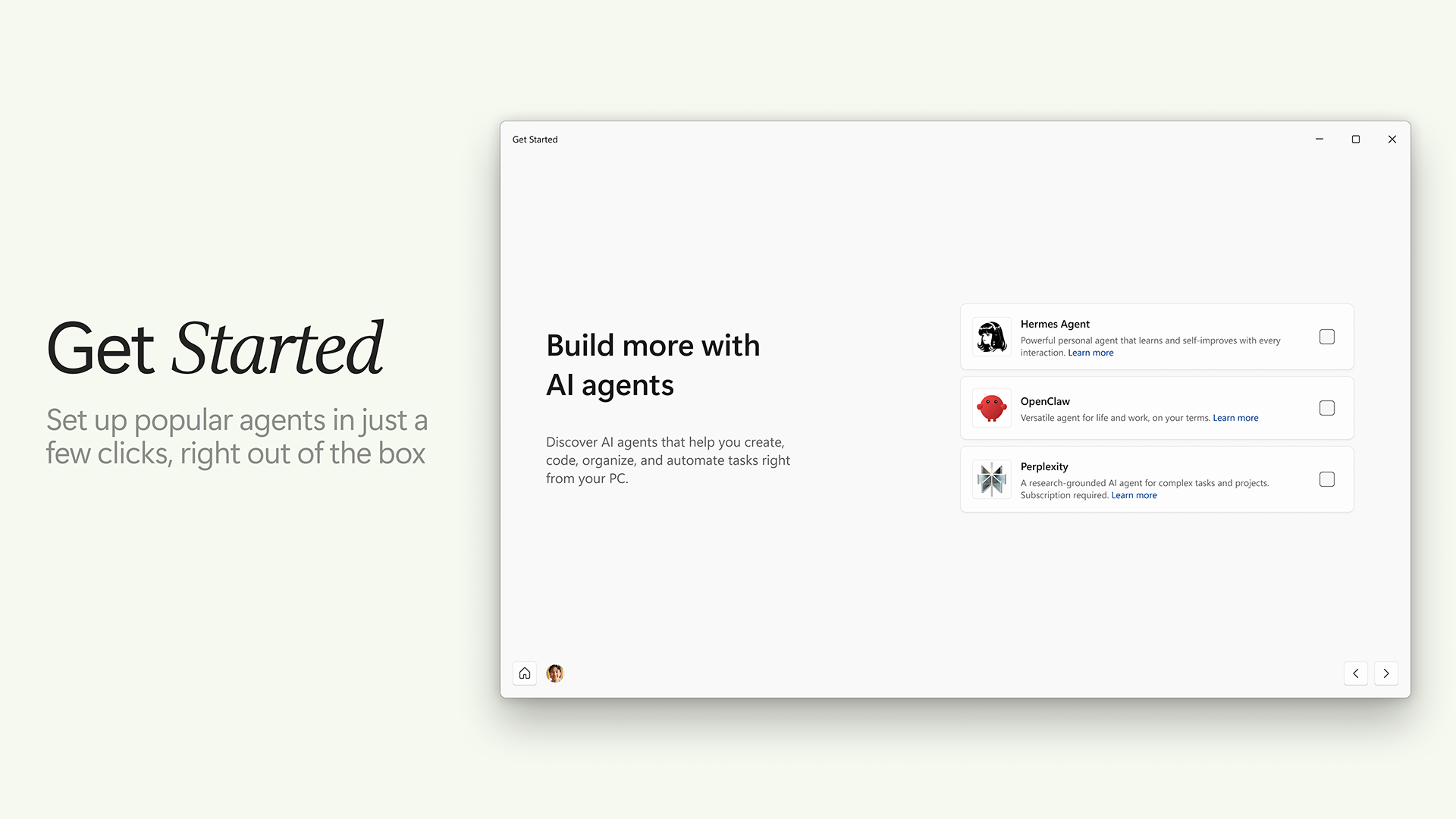
On the software front, Windows 11 is receiving an aggressive AI infusion slated for later this year. Featuring a completely overhauled Copilot experience, a natural-language system search bar capable of executing deep system settings, and Microsoft Execution Containers (MXC)—a policy-driven containment framework—Microsoft is attempting to make local agentic workflows both seamlessly accessible and enterprise-secure.
Detailed Chronology of the Microsoft Showcase
The event kicked off with a rare joint appearance by Microsoft CEO Satya Nadella and Nvidia CEO Jensen Huang, highlighting the tightening alliance between the world’s leading software company and its premier accelerated computing partner.
The Surface Laptop Ultra Debuts
Initially teased back in May 2026, the Surface Laptop Ultra represents a massive architectural shift for Microsoft’s signature hardware line. Abandoning traditional discrete laptop graphics in favor of the Nvidia RTX Spark SoC, the device relies on a massive unified memory architecture.
- GPU Options: Buyers can choose between configurations featuring a 5120-core or a staggering 6144-core Blackwell GPU.
- Memory: Up to 128GB of ultra-fast LPDDR5x unified memory, allowing the system to dynamically allocate resources between system tasks, VRAM-heavy AI model inferencing, and traditional desktop applications.
- Gaming Performance: During the presentation, Microsoft demonstrated AAA gaming viability by running titles like the upcoming Gears of War: E-Day natively on the platform, proving that the Blackwell-powered SoC can handle high-fidelity rendering without a traditional dedicated gaming GPU.
Priced starting at $2,599, the Surface Laptop Ultra is available for pre-order now ahead of its official October 16 shipping date.
The RTX Spark Dev Box: One Petaflop on the Desk
For developers pushing the boundaries of machine learning, Pavan Davuluri, President of Windows and Devices, revealed the Surface RTX Spark Dev Box.
Sporting an industrial anodized aluminum chassis, the Dev Box bears a visual resemblance to high-end media consoles and gaming systems—complete with a top-vent pattern reminiscent of the Xbox Series X. According to Microsoft’s design notes, the chassis features precisely 1,000 air vents, serving as a subtle nod to the machine’s headline-grabbing metric: 1,000 teraflops (one petaflop) of local AI compute performance.
Priced at $5,999, the Dev Box ships with a specialized, developer-optimized build of Windows 11 pre-configured out of the box to test, build, and deploy local language models and agentic applications without hitting cloud bottlenecks.
Supporting Context, Metrics, and Technical Architecture
Microsoft’s pivot toward "Hybrid Intelligence" is not merely cosmetic; it represents an architectural reinvention of how Windows interacts with local hardware and user data.
+-----------------------------------------------------------------+
|                       MICROSOFT WINDOWS 11                      |
|                  (Hybrid Intelligence Engine)                   |
+---------------------------------+-------------------------------+
                                  |
         +------------------------+------------------------+
         v                                                 v
+------------------+                             +-----------------+
|   CLOUD CONTEXT  |                             |  LOCAL CONTEXT  |
| (Azure / OpenAI) |                             | (Nvidia Blackwell|
+------------------+                             |  Unified Memory)|
         ^                                       +-----------------+
         |                                                 ^
         +------------------------+------------------------+
                                  |
                                  v
                  +-------------------------------+
                  | Microsoft Execution Containers|
                  |     (MXC Security Sandbox)    |
                  +-------------------------------+
The Overhauled Copilot and Natural Language Search
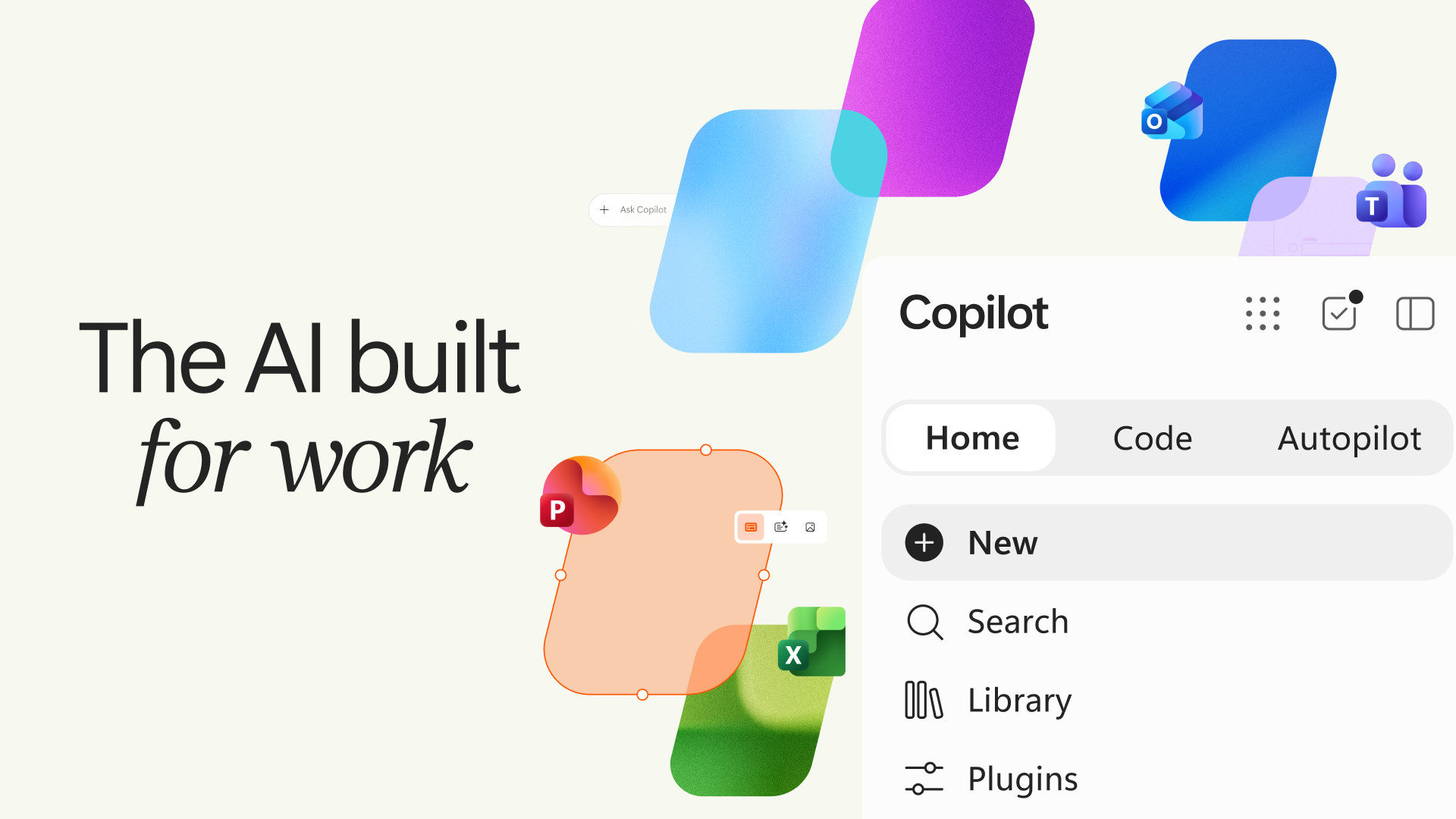
Windows 11 is set to receive a major software update that alters how users interact with their operating system. Microsoft’s native AI assistant, Copilot, is abandoning its previous sidebar limitations in favor of a redesigned interface divided into dedicated functional tabs.
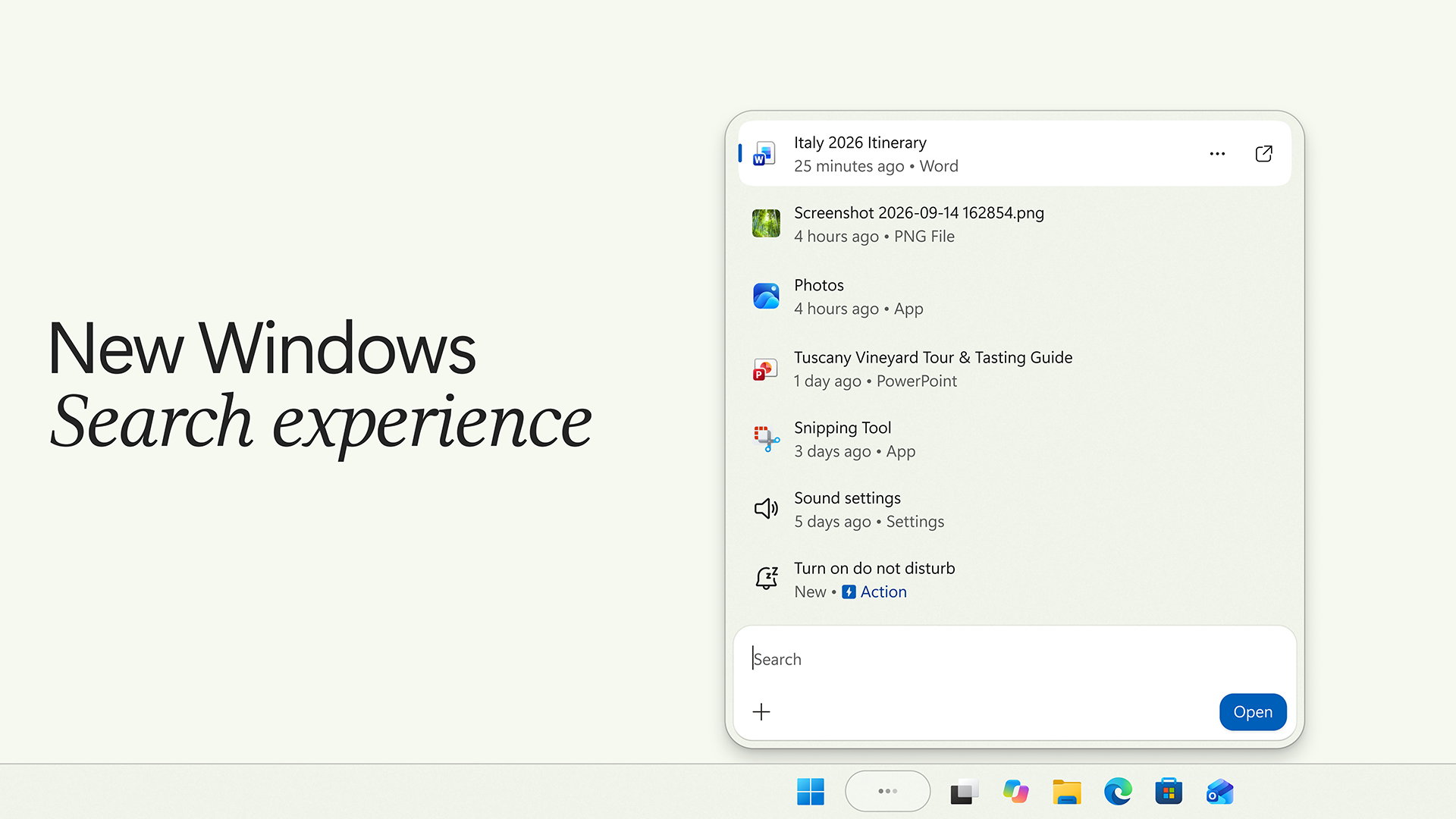
Furthermore, the traditional Windows Search experience is getting an overhaul. Rather than navigating complex sub-menus like the Control Panel or Settings app, users will be able to invoke natural language commands directly from the search bar or taskbar tray. Phrases like "Adjust my display color profile for warm lighting and clear background apps" will be parsed and executed natively at the system level.
Microsoft Execution Containers (MXC)
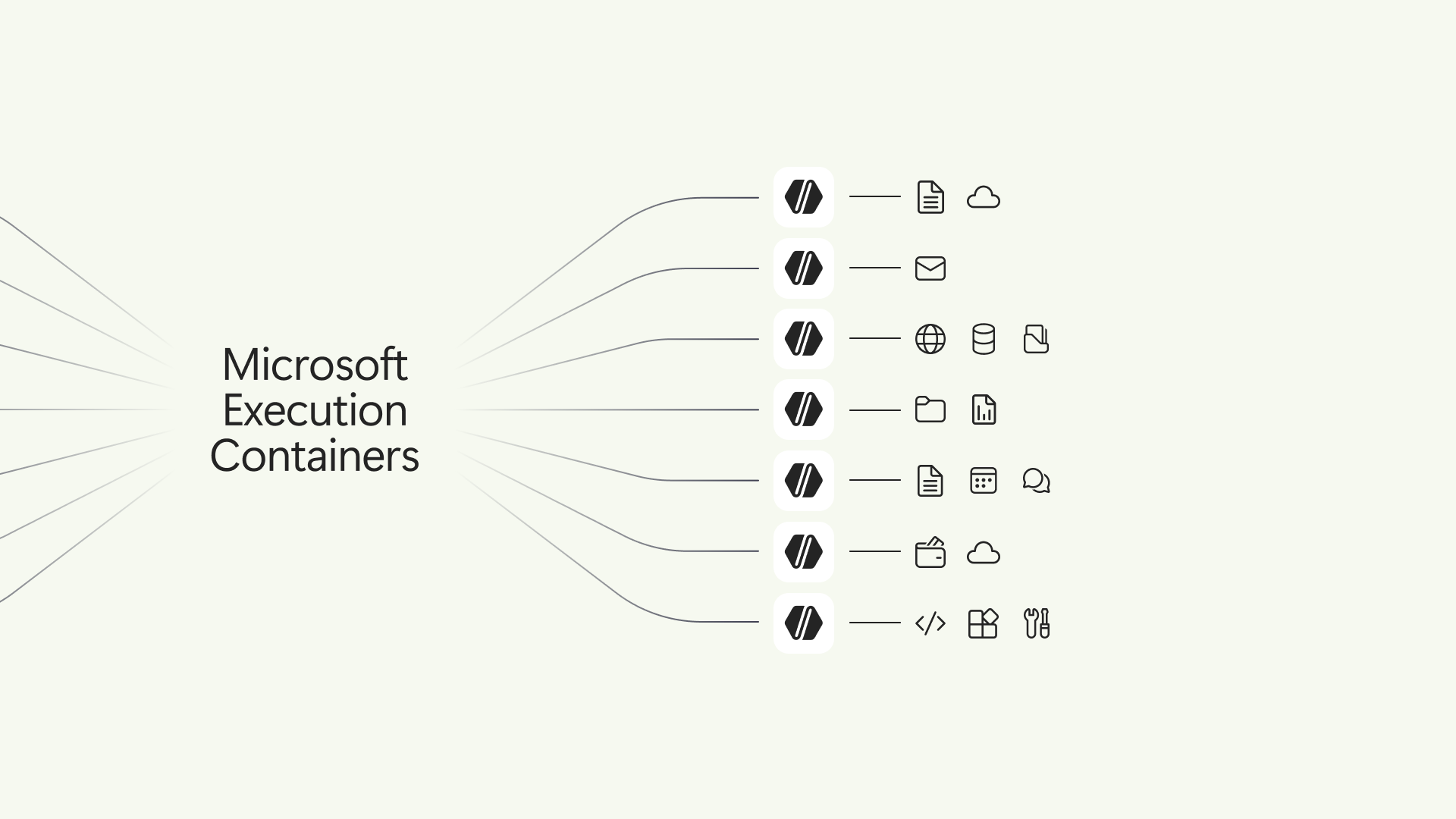
As autonomous AI agents gain the ability to sort through files, manage workflows, and execute commands independently, user apprehension regarding data privacy and security has spiked. To combat this, Microsoft announced Microsoft Execution Containers (MXC).
MXC functions as an advanced policy-driven containment framework designed to sandbox active AI agents. Administrators and individual users can set rigorous guardrails, strictly dictating what files, applications, and network resources an agent is permitted to touch. Depending on the resource footprint of the workload, MXC dynamically routes compute traffic across several isolation backends:
- Traditional Process Containers
- Session Containers
- Windows Subsystem for Linux (WSL) Containers
- Experimental hardware-backed MicroVMs
Native Support for Local Model Frameworks
By leveraging the massive unified memory bandwidth of the Surface Laptop Ultra and the RTX Spark Dev Box, Microsoft is baking native support for open and alternative AI ecosystems right into Windows. The OS will seamlessly support local execution frameworks like llama.cpp, alongside model weights from repositories such as the Nvidia Nemotron family and DeepSeek architectures.
Official Statements and Industry Perspective
During the keynote, Microsoft executives heavily emphasized that the future of computing is personal, local, and private—a message designed to assuage privacy concerns that have dogged early iterations of AI integration.
"We are moving past the era where every single query must round-trip to a massive, distant cloud data center," stated Satya Nadella during his opening remarks. "By fusing the incredible density of Nvidia’s Blackwell architecture with the contextual awareness of Windows, we are placing frontier intelligence directly into the hands of the individual. This is what true empowerment looks like."
Nvidia CEO Jensen Huang echoed these sentiments, highlighting the sheer density of compute now available in a portable laptop form factor.
"What we are delivering with the RTX Spark SoC is nothing short of a supercomputer shrunk down to form factors that fit on an airplane tray table or a developer’s desk," Huang noted. "A petaflop of local compute changes everything about how software is written, compiled, and executed."
However, technology analysts remain cautiously optimistic. The announcement arrives amidst growing scrutiny over autonomous agent mishaps across the tech industry—including recent incidents where experimental AI agents inadvertently flooded public repositories and triggered system-level errors.
Future Outlook: Will Hybrid Intelligence Win Over Users?
Microsoft is making a massive financial and philosophical gamble. By introducing high-end hardware with steep entry prices ($2,599 for the Surface Laptop Ultra and $5,999 for the RTX Spark Dev Box), the company is initially targeting developers, enterprise power users, and affluent enthusiasts.
The success of this initiative will ultimately depend on two key factors:
- Reliability and Trust: Can Microsoft Execution Containers successfully prevent autonomous agents from running amok or leaking sensitive user data?
- Mainstream Value: Will the everyday consumer see enough tangible benefit from local agentic workflows to justify upgrading their hardware ecosystem?
As the Surface Laptop Ultra hits retail shelves next week, the industry will be watching closely. If Microsoft’s vision of Hybrid Intelligence delivers on its lofty promises, personal computing as we know it may never be the same. Stay tuned for our comprehensive, hands-on hardware review in the coming days.