Executive Overview
The U.S. power grid is experiencing a historic collision between a relentless wave of industrial electrification and a shrinking reserve of conventional power generation. Nowhere is this tension more apparent than within the footprint of PJM Interconnection, the massive regional transmission organization (RTO) coordinating the movement of wholesale electricity across 13 states and the District of Columbia.
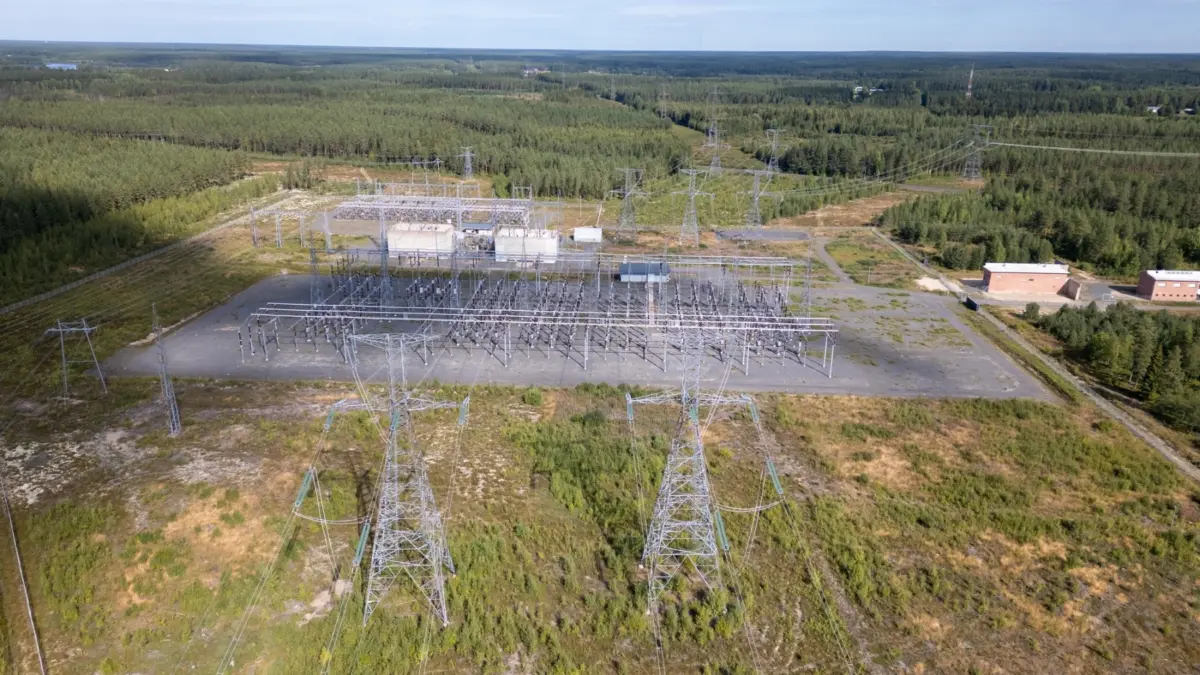
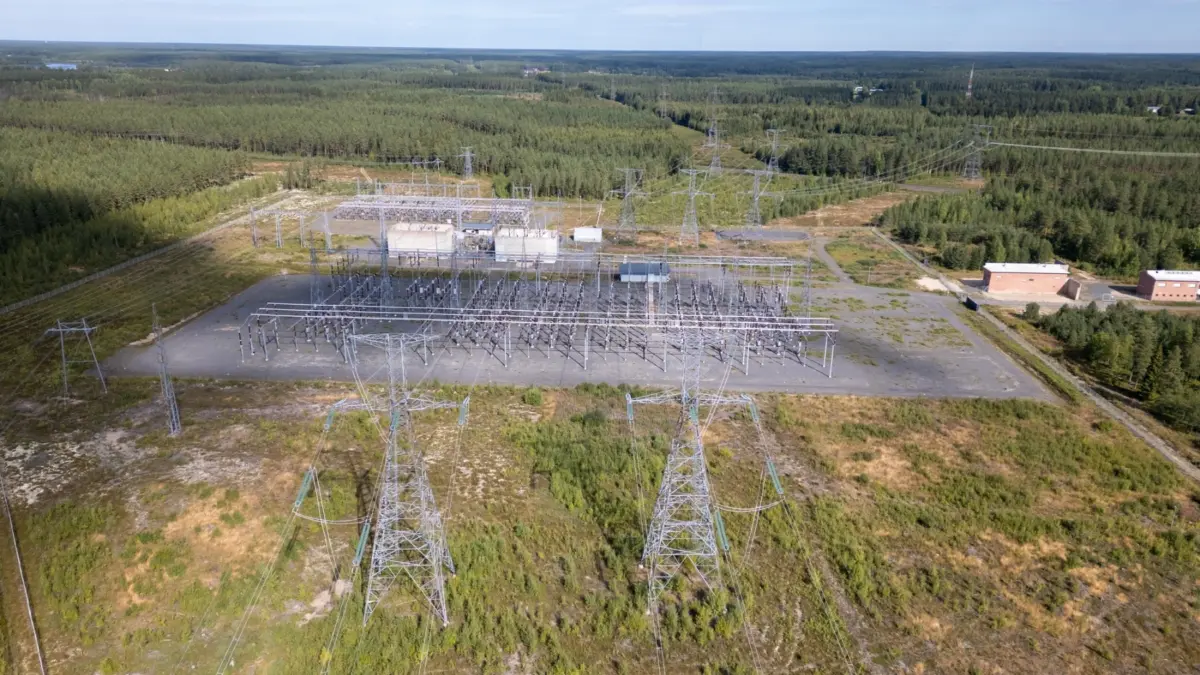
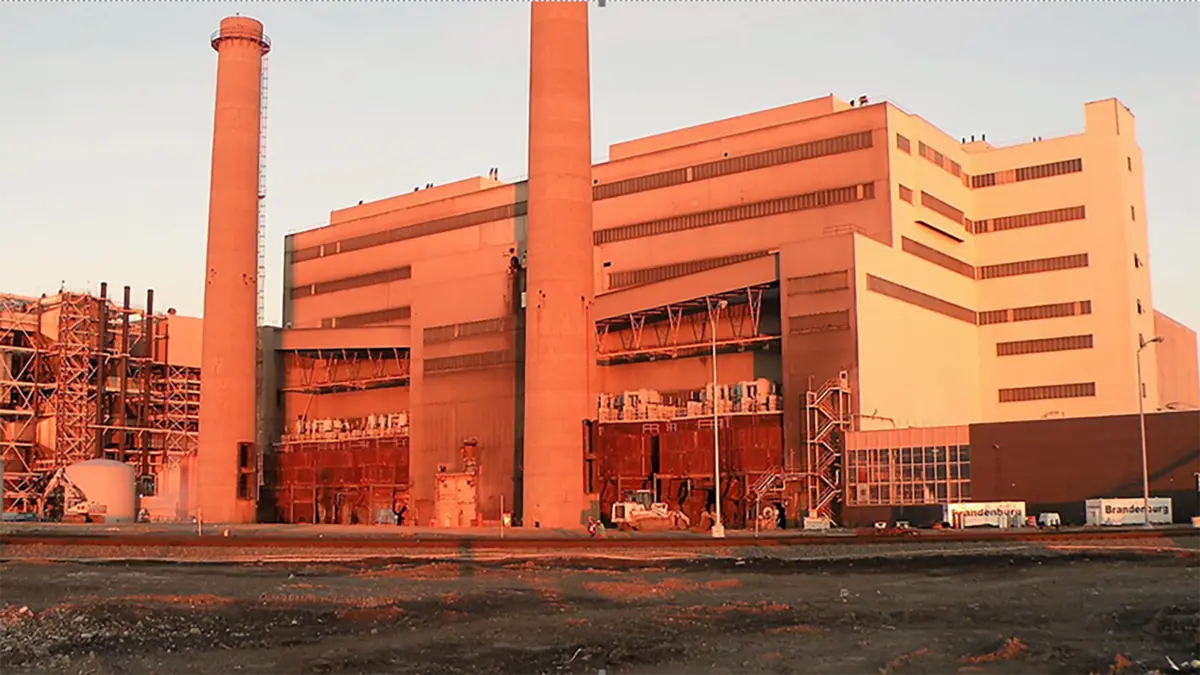
In a stark illustration of these mounting systemic pressures, the U.S. Department of Energy (DOE) has issued yet another emergency directive ordering PJM and plant operator Constellation Energy to keep two generating units at Pennsylvania’s Eddystone Generating Station online. The August 21 order, authorized under Section 202(c) of the Federal Power Act, keeps 760 megawatts (MW) of dual-fuel (natural gas and oil) capacity available to operate through November 20, 2026.
This latest intervention marks the sixth time federal authorities have stepped in to prevent the retirement of Eddystone Units 3 and 4 since they were originally scheduled to shutter on May 31, 2025. Driven by an unprecedented surge in electricity demand—fueled heavily by the rapid expansion of artificial intelligence (AI) and cloud computing data centers—coupled with the aggressive retirement of aging fossil-fuel infrastructure, federal regulators and grid operators find themselves trapped in a dangerous timing gap.
As energy experts, consumer advocates, and market analysts point out, generation capacity is vanishing far faster than new clean or conventional power plants and transmission lines can be permitted, financed, and built. What was once designed as a short-term emergency safety valve under the Federal Power Act is increasingly threatening to transform into a semi-permanent patch for an overextended grid.
Detailed Chronology: The Road to Emergency Status
The journey of the Eddystone Generating Station from a standard commercial asset to a federally mandated grid reliability anchor mirrors the macro-level transformation reshaping the North American electrical grid.
The Original Retirement Plan
For decades, Units 3 and 4 at the Eddystone plant—each boasting a 380-MW capacity and fueled by natural gas or oil—operated under normal market conditions within the PJM wholesale footprint. However, facing shifting economic realities, environmental compliance costs, and corporate decarbonization goals, Constellation Energy scheduled the twin units to permanently retire on May 31, 2025.
The Convergence of Crises
As the retirement date approached, PJM’s forward-looking capacity models began sounding alarm bells. The grid operator realized that the loss of Eddystone’s 760 MW, combined with a broader wave of fossil-fuel retirements across the region, would coincide with an exponential spike in power demand.
Rather than allowing the units to go dark, the DOE stepped in, utilizing its emergency powers under Section 202(c). This statutory mechanism empowers the Secretary of Energy to issue orders during a declared or perceived energy emergency requiring generation facilities to operate to prevent catastrophic grid failures.
A Record of Repeated Interventions
The August 21 order represents the sixth consecutive time the DOE has intervened to keep Eddystone active. Each temporary extension underscores the stubborn persistence of the underlying problem: the replacement generation penciled into long-term interconnection queues has failed to materialize on schedule. While PJM and state regulators grapple with supply chain bottlenecks, local permitting hurdles, and complex transmission upgrade timelines, the federal government has had to rely on Eddystone as a foundational insurance policy against rolling blackouts and supply shortages.
Supporting Context & Metrics: Data Centers Meet Retiring Generation
The underlying drivers of the Eddystone interventions are rooted in stark numerical realities. The DOE’s comprehensive reliability analysis reveals an impending supply-demand imbalance that has alarmed energy analysts and grid planners alike.
The Numbers Behind the Crunch
- 25 GW: Projected load growth across the PJM footprint, driven primarily by industrial and technological expansion.
- 15 GW: The specific share of PJM’s load growth attributed directly to the explosive buildout of data centers.
- 17 GW: The total volume of announced fossil-fuel generator retirements across the region during the same timeframe.
- 168,158 MW: PJM’s all-time peak load recorded on July 2, shattering previous historical records and demonstrating the baseline intensity of current grid demand.
Extreme Weather and Loss-of-Load Projections
The DOE’s modeling scenarios paint a precarious picture of grid vulnerability. Under average weather conditions, the analysis estimates roughly 430 loss-of-load hours. However, under worst-case meteorological scenarios combined with maximum unserved load conditions, that figure balloons to 1,052 hours, with potential unserved load reaching approximately 21.3 GW.
While these figures represent stress-test scenarios rather than definitive operational forecasts, they illustrate the narrow margins within which PJM now operates. Darryl Lawrence, Pennsylvania’s consumer advocate and head of the state’s Office of Consumer Advocate, noted that the region’s reserve margins—once the envy of the utility industry—have eroded significantly.
"During extreme weather conditions, PJM’s system is fragile," Lawrence observed. "And this is not something that we’ve seen in my time in the business, which is 20-plus years."
Furthermore, Lawrence contextualized the scale of the current demand surge by comparing it to historical eras of heavy industrial development. "We haven’t seen this kind of forecasted demand in the PJM system since the days when they were building steel mills," he noted.
Official Statements and Industry Perspectives
The reliance on Section 202(c) orders has ignited a fierce debate among utility executives, market analysts, legal experts, and state consumer advocates regarding the future of resource adequacy and market design.
The Timing Mismatch
Industry experts emphasize that the core crisis is structural rather than purely operational. Neil Osnato, founder of Persistence Analytics Group, encapsulated the dilemma: "The core problem is timing: load is arriving faster than replacement generation, and transmission can become executable."
Osnato drew a critical distinction between the two sides of the ledger. "Eddystone addresses the supply side of an existing timing gap," he explained. Meanwhile, PJM’s recently instituted large-load reforms—which require data centers and other massive power consumers to secure dedicated capacity—"address the demand-entry side of the future gap." Yet, because these two mechanisms operate on vastly different timelines, emergency measures remain necessary.
The Normalization of Emergency Powers
Elizabeth Whitney, managing principal at Meguire Whitney, points out that the repeated invocation of Section 202(c) signals a fundamental shift in federal energy policy. Historically utilized as a rare, short-term fix for localized disasters or sudden fuel supply disruptions, the authority is increasingly being folded into long-term resource management.
"If there is a statutory benefit to being in an emergency situation, then there’s going to be political pressure to find an emergency to justify that use," Whitney noted in an interview. While she acknowledged that the current orders are backed by legitimate reliability concerns, she raised a profound policy question: At what point does a permanent emergency measure cease to be an exception and simply become a flawed substitute for normal resource planning?
The Financial Burden: Who Pays?
Perhaps the most contentious debate surrounding the Eddystone extensions involves cost recovery. While the DOE order mandates that PJM utilize economic dispatch to minimize day-to-day operational costs for ratepayers, the broader overhead of keeping a retired plant on life support remains a financial puzzle.
Constellation Energy has reached an agreement with PJM to recover the compliance costs associated with the DOE order—including operational and mandatory maintenance expenditures—using the same cost-allocation framework applied to standard capacity charges. This means the expenses ultimately flow downstream to electricity customers.
Consumer advocates argue this approach is inherently unfair. Lawrence pointed to Pennsylvania’s traditional large-load tariff framework, which relies on a "but-for" test: if specific infrastructure or generation would not be required but for the arrival of a specific new customer, that customer should bear the financial burden.
Applying this logic to data centers, however, is exceptionally difficult. Electrons flowing across an interconnected transmission grid cannot be traced to a specific generating unit or a single hyperscale data center. Consequently, establishing a direct causal link between a burgeoning AI hub and the cost of preserving a dual-fuel plant in suburban Philadelphia remains legally and logistically daunting.
Future Outlook: Navigating the AI Infrastructure Horizon
As policymakers and industry leaders look toward the remainder of the decade, the Eddystone situation serves as a canary in the coal mine for the broader U.S. energy transition.
The Forecasting Quagmire
Compounding the grid planning crisis is the inherent uncertainty surrounding data center demand forecasts. While the 15 GW of projected data center load accounts for 60% of PJM’s total expected growth, developers’ timelines remain notoriously fluid.
"A generator retirement is relatively binary. A 15 GW data-center forecast is not," Osnato noted. Furthermore, analysts warn of a "double-counting" phenomenon, wherein a single data center developer may engage in exploratory discussions with multiple local distribution utilities (such as PECO and PPL) while scouting locations. Each utility may incorporate the prospective load into its regional forecast, creating an inflated aggregate demand picture.
Whitney echoed these doubts, stating, "I don’t know that we can really reliably trust any modeling right now that is even three to five years out."
Legislative and Regulatory Horizons
Federal lawmakers face mounting pressure to establish a comprehensive framework addressing the massive resource demands of AI infrastructure. While the U.S. Congress has debated various legislative packages, comprehensive federal reform remains stalled, leaving regional grid operators and state utility commissions to manage the crisis piecemeal.
As lawmakers return from recess, debates over data center energy accountability and transmission siting are expected to intensify, though the window for legislative action before the close of the year is narrowing.
Conclusion: A Bridge, Not a Blueprint
For now, Eddystone Units 3 and 4 will continue to burn natural gas or oil when called upon, serving as a vital bulwark against blackouts while the region waits for new generation and transmission projects to clear regulatory hurdles.
The repeated use of emergency federal orders highlights the profound friction of an energy economy transitioning faster than its physical infrastructure can adapt. As Neil Osnato aptly summarized: "That’s why I see 202(c) as emergency reliability insurance. It is a bridge, not a design." Until a sustainable long-term design is achieved, the bridge must hold.