Executive Overview
In the relentless rush of modern scientific publishing, groundbreaking discoveries frequently slip through the cracks of mainstream media. While major headlines capture global attention with familiar breakthroughs, an underlying current of radical, cross-disciplinary innovation develops quietly in academic journals and specialized conferences. The month of August brought forth a staggering array of such overlooked marvels—phenomena that challenge our understanding of cosmology, tackle intractable environmental crises, and blur the boundaries between physics, biology, and materials engineering.
This investigative retrospective examines seven extraordinary scientific milestones that nearly missed the cultural radar. From the James Webb Space Telescope unveiling a new class of celestial body known as a "black hole star," to researchers upcycling plastic beverage bottles into edible astronaut cookies, these developments showcase humanity’s growing command over extreme scales of space and matter. Alongside these feats, oceanographers have linked whale calls to Albert Einstein’s special theory of relativity, geneticists have cracked a century-old mystery regarding how avocado flowers switch their biological sex, engineers have harnessed acoustic resonance to fly micro-drones, and solid-state physicists have engineered an electricity-free refrigeration cycle. Together, these breakthroughs redefine what is technologically and physically possible, offering a glimpse into a radically reimagined future.
Detailed Chronology of August’s Overlooked Breakthroughs
1. The Cosmic Anomaly: Discovery of the First "Black Hole Star" (MoM-BH*-1)
When astronomers first began combing through the early-release data provided by the James Webb Space Telescope (JWST) in 2024, they were met with a baffling celestial population: hundreds of diminutive, exceptionally luminous red dots lurking in the ancient universe. Existing when the cosmos was merely a few hundred million years old, these objects were initially cataloged as primordial baby quasars. However, one specific anomaly defied all conventional astrophysical classification. It was intensely red, violently bright, and completely unaligned with any known stellar profile.
Following intensive analysis, a team of researchers formally identified the anomaly—designated MoM-BH-1—as a "black hole star," a phenomenal hybrid object described in detail in the journal Nature*. Initially thought to be obscured by thick cosmic dust, the object’s emissions vanished abruptly below specific wavelengths. This sharp atmospheric cutoff, known as a "Balmer break," is a hallmark signature of stellar atmospheres, yet this was the deepest break ever recorded in human observation. Furthermore, spectrographic analysis revealed a total absence of metals, showing a composition exclusively of primordial hydrogen and helium.
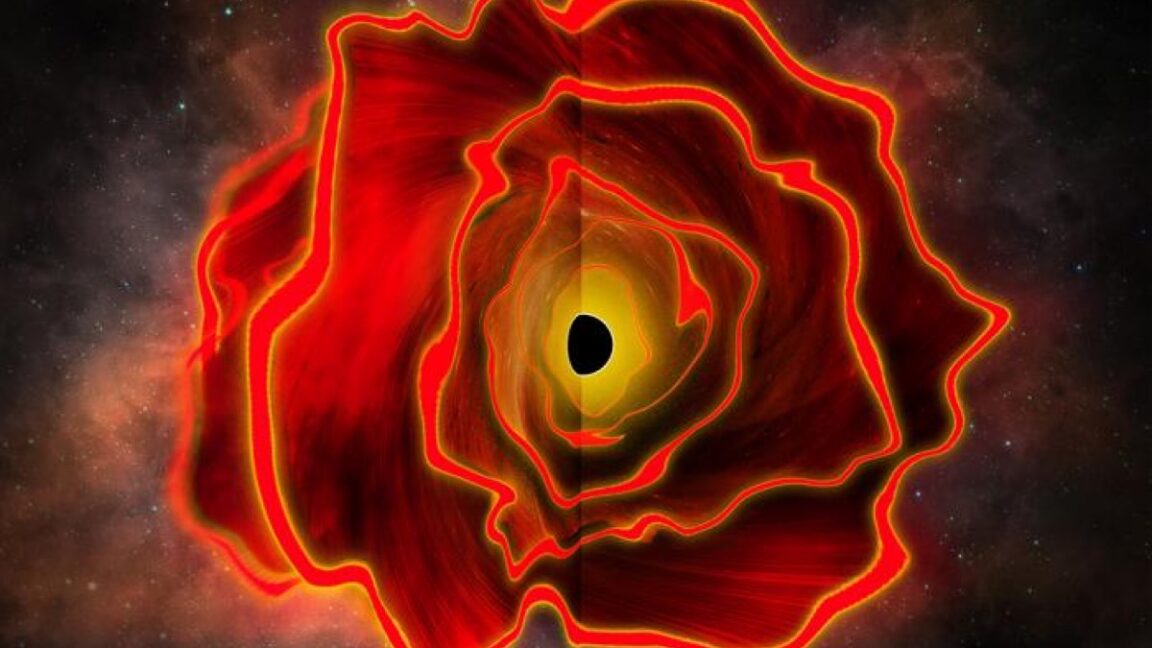
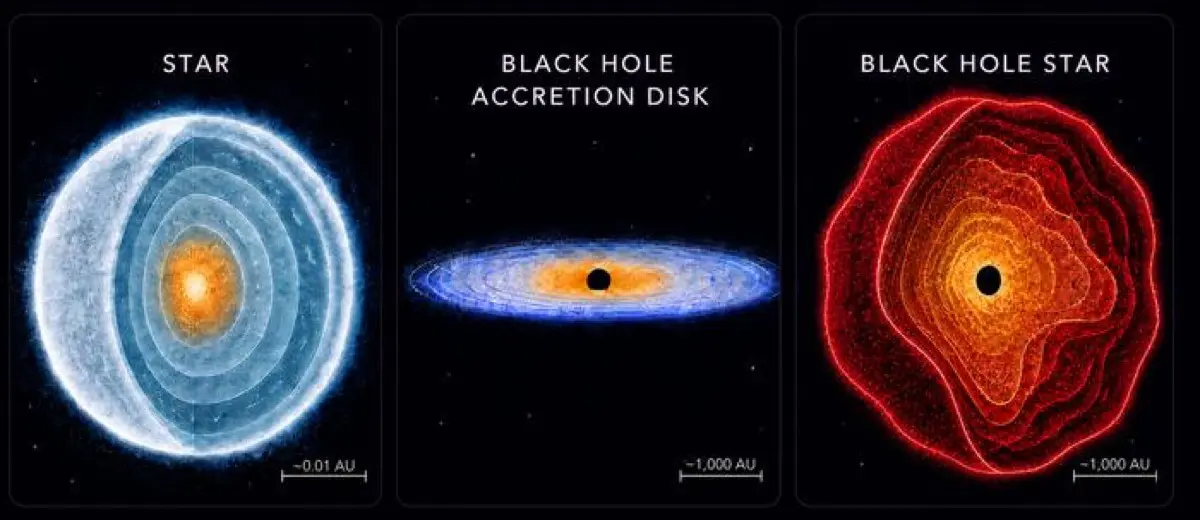
Computer simulations quickly resolved the paradox. The data pointed to a massive central black hole—weighing in at approximately 100 solar masses—embedded deep within an immense, ultra-dense cocoon of hydrogen stretching out to the scale of our entire solar system. Radiating with an energy output 100 billion times greater than our Sun, this central black hole accretes matter with ferocious intensity, generating an energy profile impossible through nuclear fusion alone. With two additional black hole stars identified in subsequent studies, this discovery offers astronomers a critical missing link to explain how supermassive black holes managed to grow so massive so soon after the Big Bang.
2. Gastronomic Upcycling: Transforming Plastic Bottles into Edible Space Cookies
Plastic pollution remains one of the most pervasive environmental threats of the modern era. While biological solutions like plastic-eating bacteria have long been studied, researchers at Southern Illinois University (SIU) have pioneered a radical upcycling paradigm: converting polyethylene terephthalate (PET)—the primary material used in beverage bottles—into an edible, nutrient-dense food source tailored for long-duration space missions, deep-space exploration, and off-world colonies on the Moon or Mars.
Spearheaded by SIU professor Lahiru Jayakody, the research team recognized the fundamental chemical similarity between plastic and food: both are fundamentally carbon-based structures. By developing a proprietary industrial process using water, oxygen, high temperatures, and high pressure, the team broke down stubborn PET bottles into microscopic building blocks. These accessible fragments were then introduced to genetically engineered strains of yeast, which metabolize the plastic molecules and convert them into vital proteins, lipids, and vitamins.
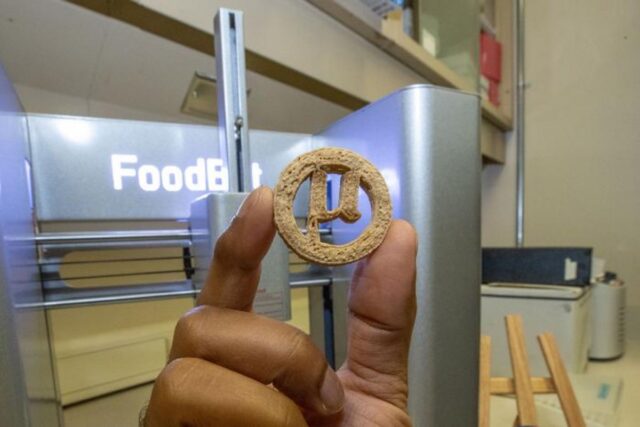
The resulting microbial biomass is then blended with essential dietary fiber, starch, and natural sweeteners before being extruded through a specialized 3D printer into uniform, nutrient-packed rations dubbed "μBites" (microbites). While human trials have not yet progressed to full-scale dietary integration, early test subjects noted that the cookies boast a genuinely pleasant aroma and represent a viable, sustainable caloric source for extreme survival scenarios. The SIU team is currently refining the flavor profile, with plans to make the product market-ready within the decade.
3. Acoustic Relativity: Whale Calls Echoing Einstein
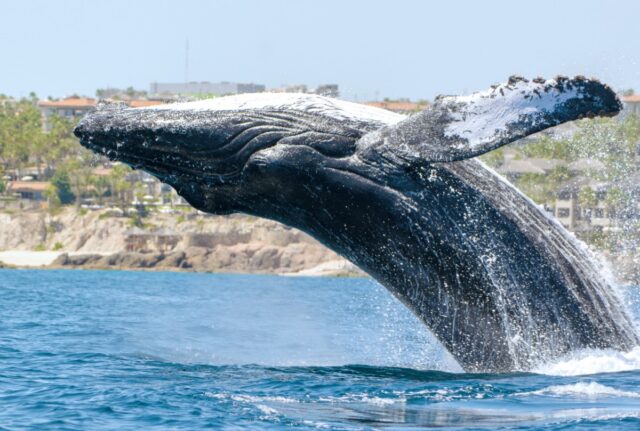
The intersection of marine biology and theoretical physics sounds like the premise of science fiction, yet oceanographer John Spiesberger, a visiting scholar at the University of Pennsylvania, has mathematically demonstrated a direct physical link between humpback whale vocalizations and Albert Einstein’s special theory of relativity.
The discovery unfolded serendipitously while Spiesberger was optimizing software designed to calculate the precise speed of sound for marine mammal tracking systems. Humpback whale calls are capable of traveling distances exceeding 100 kilometers underwater, allowing researchers to pinpoint the animals’ locations by analyzing the exact arrival times of these acoustic signals at hydrophone arrays embedded along the ocean floor. However, Spiesberger’s software repeatedly generated erratic velocity values, fluctuating wildly between 1,000 and 3,000 meters per second, starkly contrasting against the standard oceanic sound speed of roughly 1,500 meters per second.
Rather than dismissing the fluctuations as a software glitch, Spiesberger and his colleagues identified a genuine physical phenomenon known as temporal interference, documented in Physical Review E. When a whale calls near the ocean’s surface, acoustic receivers capture both the direct sound wave and its surface-reflected echo simultaneously. This superposition creates an interference pattern where the signal’s strongest peak appears to accelerate, occasionally appearing to break the local speed of sound. Crucially, the encoded information within the acoustic wave still obeys the strict speed-of-light constraints of special relativity, preserving fundamental physical laws. Spiesberger is currently constructing physical acoustic test beds using microphones on hard laboratory floors to replicate and record this relativistic analog in controlled environments.
4. Entomological Profiling: Decoding Mosquito Preferences
Few human-animal interactions are as universally reviled as the relentless pursuit of blood-seeking mosquitoes. While common wisdom has long held that certain people are simply "mosquito magnets," new research published in iScience demonstrates that different mosquito species possess highly specialized, species-specific scent preferences driven by distinct neurological mechanisms for decoding human body chemistry.
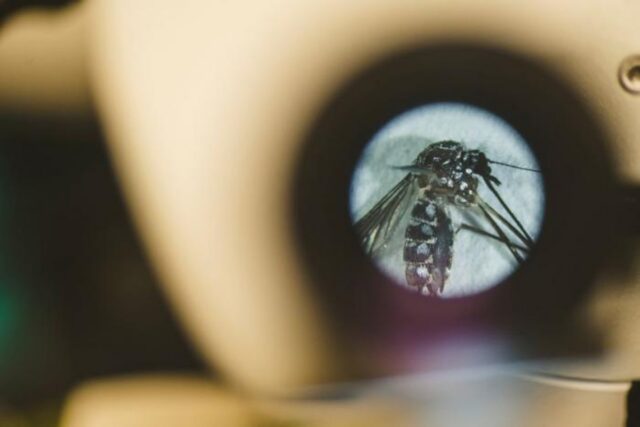
Led by Matthew DeGennaro at Florida International University, a comprehensive study exposed three prominent disease-vector species—the Egyptian mosquito (Aedes aegypti), the Asian tiger mosquito (Aedes albopictus), and the southern house mosquito (Culex quinquefasciatus)—to 119 human volunteers. The behavioral profiling revealed striking ecological divisions:
- The Egyptian Mosquito: A diurnal (daytime) feeder displaying a pronounced chemical preference for male human subjects over females.
- The Asian Tiger Mosquito: Also active during daylight hours, this species was irresistibly drawn to elevated human metabolic ketones and specific volatile organic compounds associated with plant matter.
- The Southern House Mosquito: A nocturnal feeder that selects targets exclusively based on the localized human skin microbiome—the complex ecosystem of bacteria and fungi living on the epidermis—with certain microbial profiles acting as powerful attractants and others serving as natural repellents.
This granular understanding of vector behavior lays the groundwork for the future engineering of species-specific repellents, moving away from broad-spectrum chemicals toward targeted, region-specific strategies to curb the transmission of debilitating mosquito-borne pathogens.
5. Botanical Hermaphroditism: The Genetic Code of Avocado Sex-Switches
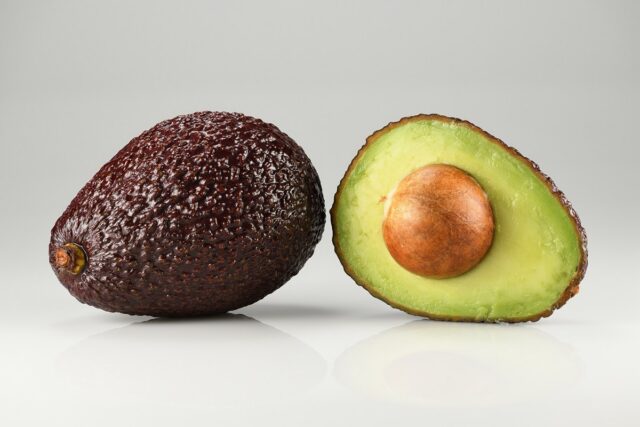
Avocados have ascended to cultural icon status in modern gastronomy, yet the biological mechanics behind their cultivation have baffled agricultural scientists for over a century. Avocado trees are functional hermaphrodites, meaning their flowers can act as either male (releasing pollen) or female (receiving pollen). To prevent self-fertilization, trees follow a strict circadian choreography: roughly half of all avocado cultivars (designated A-type) open as female flowers in the morning and switch to male in the afternoon, while B-type trees follow the exact inverse schedule.
Researchers at the University of California, Davis, finally unlocked this botanical mystery, publishing their findings in the Proceedings of the National Academy of Sciences (PNAS). By sequencing the genomes of hundreds of avocado trees, the team isolated a single master-control gene, designated SDMYB, which dictates whether a given tree adheres to an A-type or B-type flowering rhythm.
Mirroring the sex chromosomes found in animal species, SDMYB exhibits two alternative versions (alleles)—one dominant and one recessive. A-type trees carry one copy of each allele, while B-type trees possess two copies of the recessive variant. Intriguingly, this exact genetic mechanism was identified across 26 related tree species, proving it to be a broader evolutionary adaptation. For commercial agriculture, this discovery is transformative: growers can now genetically test seedlings at the nursery stage rather than waiting 10 to 15 years for a mature tree to flower, allowing for optimized orchard layouts that guarantee cross-pollination.
6. Acoustic Propulsion: Powering Micro-Drones with Sound Waves
While the "Helmholtz resonance"—the deep humming sound generated when air is blown across the narrow neck of an empty glass bottle—is a familiar acoustic phenomenon, engineers at the École polytechnique fédérale de Lausanne (EPFL) have weaponized this effect to propel untethered micro-machines, as detailed in Science Advances.
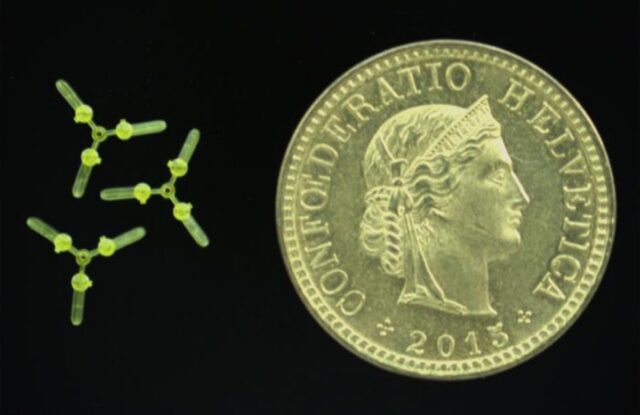
Although acoustic levitation has long been used to suspend small objects in mid-air, converting sound waves into forward thrust has remained an engineering bottleneck. The EPFL team resolved this by embedding precisely engineered micro-cavities into 3D-printed miniature boats and insect-sized microfliers constructed from polymers and glass. When subjected to specific sound waves, the air trapped inside these hollow cavities undergoes rapid resonance oscillations, forcing air out in directional bursts to generate continuous propulsive force.
The operational applications are diverse: miniature boats were outfitted with three cavities tuned to distinct audible frequencies, allowing remote steering simply by altering the frequency of an external audio speaker. Meanwhile, microfliers were equipped with cavities tuned to ultrasonic frequencies, generating vertical aerodynamic lift comparable to the flight mechanics of a micro-helicopter.
7. Solid-State Thermodynamics: Electricity-Free Cooling via Shape-Memory Alloys
Modern refrigeration and climate control systems are heavily reliant on the Carnot cycle, utilizing electricity-hungry compressors to pump heat through volatile refrigerant gases. While historical pioneers like Albert Einstein and Leo Szilard attempted to engineer energy-efficient, moving-part-free refrigerators in the 1930s, modern material science has introduced an even more radical avenue: elastocaloric cooling driven by shape-memory alloys.
Published in Nature Energy, a breakthrough research collaboration demonstrated a heat-driven solid-state cooling system capable of running entirely on waste heat or solar thermal energy, bypassing electrical grids altogether. Elastocaloric materials heat up when mechanically compressed and absorb thermal energy (cooling down) when the mechanical load is released. However, traditional elastocaloric devices still require electricity-driven mechanical actuators to apply that physical force.
The research team bypassed this limitation by coupling two ultra-thin nickel-titanium alloy foils. The first foil possesses unique thermal-shrinkage properties, converting low-grade waste heat directly into mechanical work without consuming electricity. This kinetic energy is transferred instantly to the second foil, inducing a reversible crystal structure shift that actively pumps heat away and generates a continuous cooling effect. While currently in the proof-of-concept phase, scaling this technology promises self-cooling computer processors that recycle their own thermal exhaust and automotive electronics powered purely by engine waste heat.
Supporting Context & Metrics
| Innovation Field | Core Technology / Phenomenon | Key Institution / Journal | Practical Application |
|---|---|---|---|
| Astrophysics | "Black hole star" (MoM-BH*-1) | Nature | Solving the supermassive black hole formation paradox |
| Materials Science | PET plastic upcycling into edible rations | Southern Illinois University (ACS) | Sustainable nutrition for deep-space missions and colonies |
| Marine Biology | Relativistic acoustic temporal interference | University of Pennsylvania (Physical Review E) | Advanced marine mammal tracking and acoustic physics |
| Entomology | Species-specific mosquito scent decoding | Florida International University (iScience) | Targeted vector control and region-specific repellents |
| Botany | SDMYB gene regulating avocado sex schedules | UC Davis (PNAS) | Accelerated commercial orchard planning and crop optimization |
| Robotics | Helmholtz resonance acoustic micro-propulsion | EPFL (Science Advances) | Powering untethered micro-drones and micro-boats |
| Thermodynamics | Electricity-free elastocaloric cooling foils | KIT (Nature Energy) | Waste-heat-powered cooling for electronics and computing |
Official Statements and Academic Insights
The sheer breadth of these August breakthroughs highlights an era of aggressive, boundary-crossing scientific inquiry. Commenting on the discovery of MoM-BH*-1, lead astronomers emphasized the paradigm-shifting nature of JWST’s early universe observations, noting:
"We are no longer looking merely at the fading echoes of the Big Bang; we are witnessing hyper-dense astrophysical engines operating under physical regimes we previously dismissed as theoretical impossibilities. These objects challenge the very timeline of cosmic structure assembly."
Addressing the circular economy initiative behind the plastic-to-cookie initiative, Professor Lahiru Jayakody emphasized the dual imperative of material science and space exploration:
"Plastic waste is an unyielding terrestrial curse, yet chemically, it represents a dense reservoir of carbon. By letting biology bridge the gap between petrochemical waste and human nutrition, we are designing closed-loop life support systems that will sustain humanity whether we are stranded on a deep-sea submarine or establishing a foothold on Mars."
On the thermodynamic front, researchers developing the electricity-free cooling system underscored the urgency of moving beyond traditional refrigeration cycles:
"The global demand for climate control is accelerating energy grid strain worldwide. By weaponizing shape-memory alloys to turn waste heat directly into mechanical cooling power, we are stepping outside the century-old Carnot paradigm into a truly sustainable thermal future."
Future Outlook
As these disparate fields of research mature over the coming decade, their collective trajectory points toward an increasingly interconnected scientific landscape. The unveiling of black hole stars pushes observational astrophysics closer to unifying quantum mechanics with general relativity during extreme gravitational events. Concurrently, the successful conversion of waste plastics into edible biomass portends a revolution in circular bio-manufacturing, offering robust survival architectures for remote outposts on Earth and across the solar system.
In marine and agricultural sciences, decoding the acoustic physics of whale calls and mapping the genetic switches of plant hermaphroditism demonstrate how foundational biology continues to intersect with advanced physics and genomics. Meanwhile, the successful deployment of acoustic micro-drones and electricity-free, thermal-driven cooling foils signals an impending shift in engineering—away from heavy, energy-intensive electrical grids toward decentralized, elegant, material-driven mechanics.
Ultimately, these stories—long threatened by the velocity of the modern news cycle—remind us that the most profound scientific transformations often begin quietly in the laboratory, waiting to rewrite our understanding of the universe.