By Shane Snider | Senior News Writer, Data Center Knowledge
September 1, 2026
Executive Overview
Artificial intelligence has officially crossed the threshold from an experimental novelty into a foundational operating layer for the architecture, engineering, and construction (AEC) sectors. As the global demand for advanced physical infrastructure—ranging from hyperscale AI data centers and renewable energy farms to complex urban commercial complexes—reaches historic highs, traditional construction methodologies are buckling under the weight of manual inefficiencies, labor shortages, and stringent sustainability mandates.
At the Ai4 2026 conference, held from August 4–6 in Las Vegas, top-tier AEC industry leaders converged to dissect how artificial intelligence is rewriting the rules of the entire construction lifecycle. In a landmark panel discussion titled "From Blueprint to Build: AI in the Construction Lifecycle," a panel of seasoned experts—featuring Amit Sinha of TRC Companies, Jeff Miller of Clayco, and Patrick Murphy of Coastal Construction—offered an unfiltered look at the realities of deploying machine learning, computer vision, and predictive analytics on mega-projects.
While the transformative potential of AI to streamline design optimization, preempt supply chain disruptions, and drastically reduce on-site safety incidents is undisputed, the panel made it clear that the journey is fraught with friction. AEC firms navigating this digital revolution are currently wrestling with foundational industry hurdles, including fragmented data standards, deep-seated cultural resistance to change, and the unique challenges of scaling artificial intelligence within an inherently risk-averse environment.
This report delves deep into the insights shared at Ai4 2026, exploring how cutting-edge technologies are reshaping modern builds, the hurdles organizations must clear to realize ROI, and what the future holds for a digitized construction ecosystem.
Detailed Chronology: Insights from the Ai4 2026 AEC Panel
The session at the Las Vegas Convention Center mapped out the evolution of AI integration across four distinct phases of the construction lifecycle: initial design and pre-construction planning, logistics and supply chain management, on-site operations and safety, and long-term facility performance.
Phase 1: Pre-Construction and Design Optimization
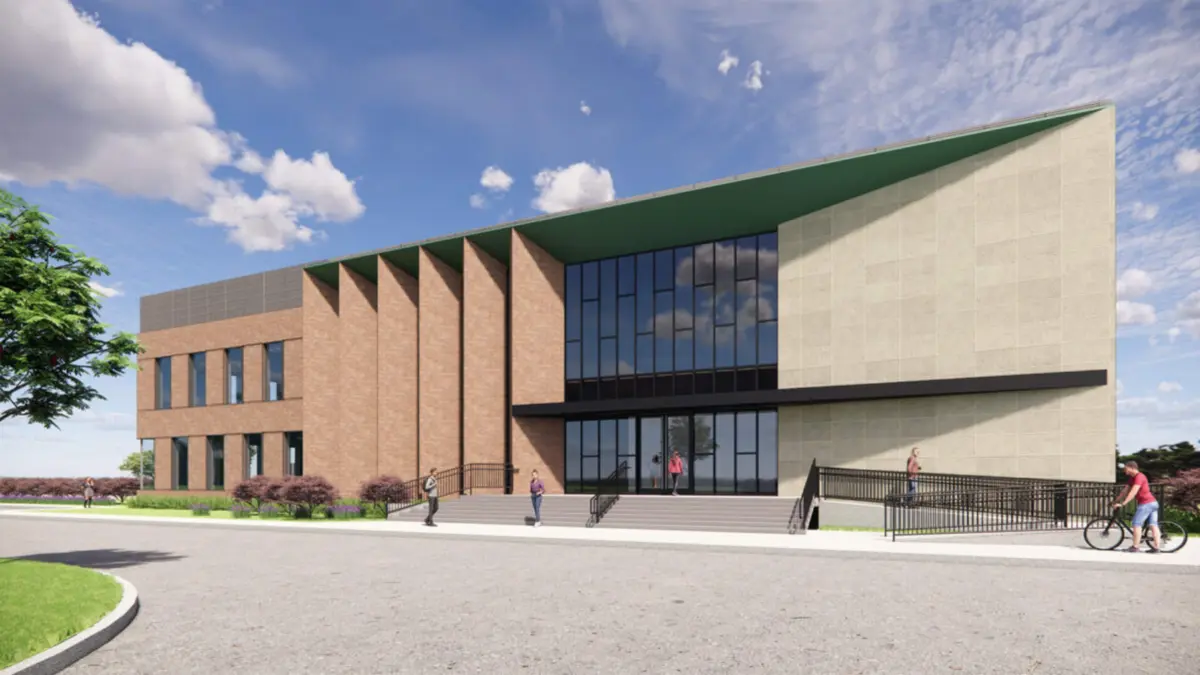
Long before a single shovel breaks ground, modern construction projects generate petabytes of data—ranging from architectural schematics and structural load calculations to environmental impact reports and zoning regulations. Historically, synthesizing this data required countless hours of manual coordination among architects, structural engineers, and general contractors.
At Ai4 2026, panelists emphasized that generative AI and machine learning models are now being deployed during the earliest schematic phases to run thousands of design iterations simultaneously. By analyzing historical project data, these models can instantly recommend optimal material layouts that maximize energy efficiency, minimize structural vulnerabilities, and reduce waste before a blueprint is even finalized.

Furthermore, AI-driven estimating tools are drastically improving the accuracy of initial bids. In an era where hyper-inflation and fluctuating material costs can derail a project’s financial viability overnight, automated cost-estimation models allow firms to price bids with granular precision, safeguarding profit margins and reassuring institutional investors.
Phase 2: Logistics, Supply Chain, and Predictive Forecasting
Once a project moves from the drawing board to execution, maintaining an unbroken chain of material delivery is paramount. Supply chain disruptions have historically been one of the primary drivers of cost overruns and schedule delays in the construction industry.
During the panel, experts highlighted how firms are utilizing predictive analytics to forecast material shortages weeks or even months in advance. By integrating real-time data feeds—spanning global shipping indices, local traffic patterns, weather forecasts, and manufacturer inventories—AI algorithms can predict bottlenecks and autonomously reroute shipments or suggest alternative local suppliers.
This predictive capability is especially critical for specialized builds, such as hyperscale data centers requiring precise deliveries of massive chillers, heavy-gauge electrical busways, and high-density server infrastructure components. Ensuring these long-lead items arrive precisely "just-in-time" prevents costly on-site congestion and eliminates idle labor overhead.
Phase 3: On-Site Operations, Computer Vision, and Incident Prevention
Construction sites are dynamic, hazardous environments where heavy machinery, complex electrical work, and high-altitude tasks intersect daily. Protecting the workforce remains the industry’s highest moral and economic priority.
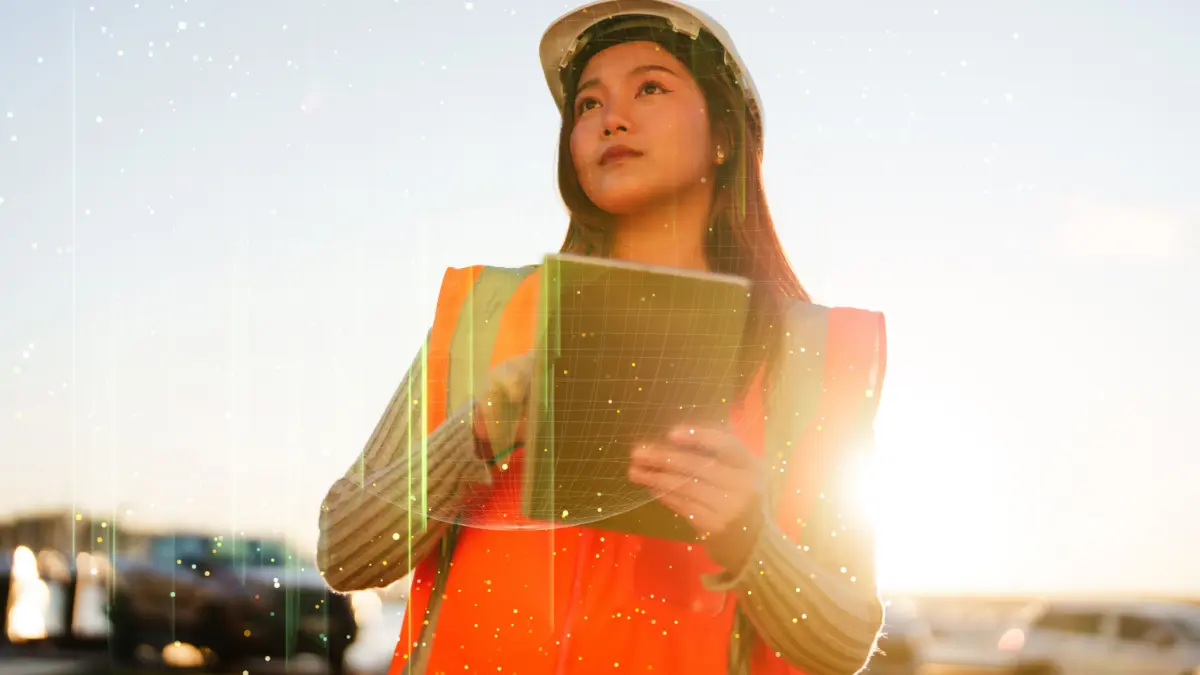
Panelists discussed the rapid deployment of computer vision and edge-AI devices across active job sites. By connecting existing closed-circuit security cameras and drone-feed hardware to real-time AI processing units, firms can continuously monitor sites for safety compliance.
- Proactive Hazard Detection: Algorithms can automatically detect whether workers are wearing mandatory personal protective equipment (PPE)—such as hard hats, safety harnesses, and high-visibility vests—and flag unauthorized personnel entering restricted crane-swing zones.
- Structural Health Monitoring: Computer vision models analyze high-resolution progress photos to spot hairline concrete cracking, improper rebar placement, or structural shifting long before human inspectors might notice them with the naked eye.
- Productivity Tracking: Beyond safety, machine learning models analyze equipment utilization rates, tracking how long excavators, cranes, and concrete mixers sit idle, thereby offering project managers actionable insights to optimize fleet deployment.
Phase 4: Operational Handover and Building Performance
The construction lifecycle does not end when the ribbon is cut; modern smart buildings require seamless handovers of digital twins—virtual replicas of physical assets embedded with operational data.
AI models trained on construction sensor data are increasingly being used to commission buildings faster. By analyzing HVAC system efficiency, lighting controls, and energy consumption patterns during the initial weeks of occupancy, AI can automatically tune building management systems (BMS) to achieve peak operational efficiency from day one, drastically reducing the building’s carbon footprint and operational expenditure.

Supporting Context & Metrics: The State of AI in AEC
To fully appreciate the gravity of the discussions at Ai4 2026, one must examine the macroeconomic and technological pressures forcing the architecture, engineering, and construction sectors to digitize rapidly.
The Compute Boom and Infrastructure Strain
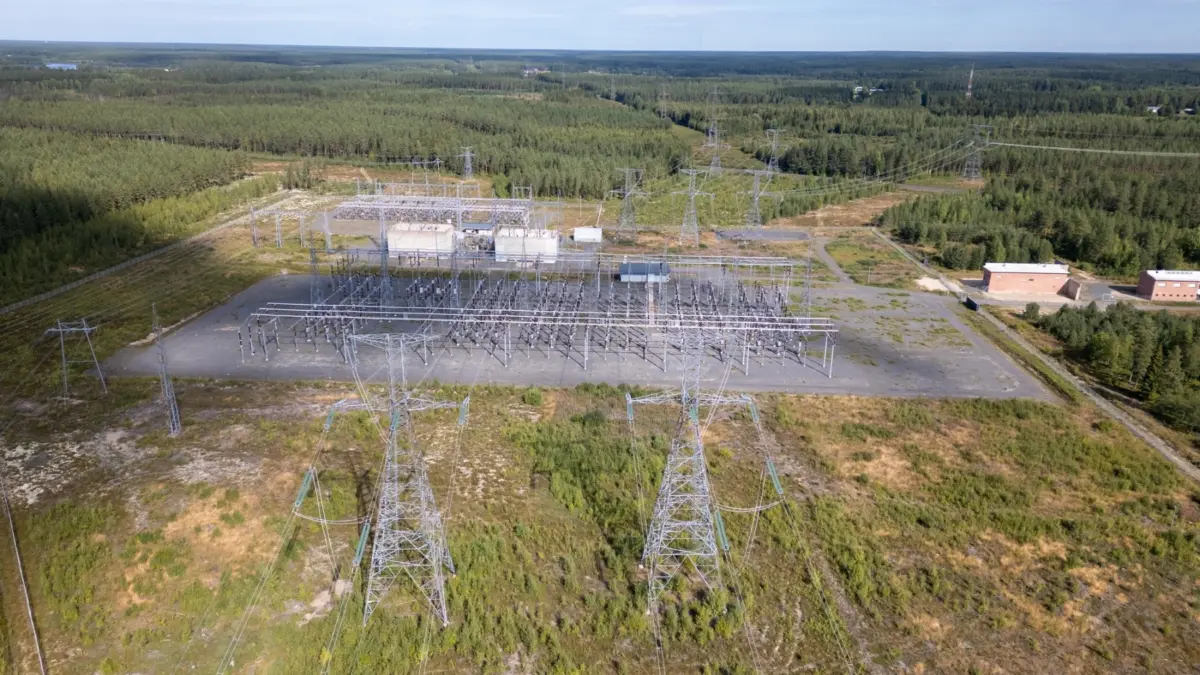
The exponential rise of generative AI workloads has triggered an unprecedented global rush to build high-performance data centers, liquid-cooled server farms, and dedicated renewable energy generation facilities. According to recent industry data, hyperscale cloud providers and AI developers are pouring hundreds of billions of dollars into capital expenditures to expand compute capacity.
However, the physical construction pipeline is struggling to keep pace with digital demand. Construction labor shortages persist globally, with an aging workforce retiring faster than younger talent can be recruited and trained. In this high-stakes environment, AI is no longer viewed merely as a productivity booster; it is recognized as a vital operational multiplier capable of achieving more with a constrained labor force.
Adoption Hurdles: The Three Pillars of Resistance
Despite the clear advantages, scaling AI across traditional construction enterprises is far from plug-and-play. The Ai4 panel candidly addressed the three major barriers holding the industry back:
- Data Fragmentation and Standardization: The construction industry has traditionally operated on fragmented, siloed data systems. Architects use one proprietary software suite, structural engineers another, general contractors a third, and subcontractors often rely on paper records or disconnected spreadsheets. Without unified data standards (such as universally adopted IFC schemas and clean data lakes), training robust, enterprise-wide machine learning models remains exceedingly difficult.
- Cultural Resistance to Change: Construction is an inherently conservative industry built on decades of precedent, risk mitigation, and "tribal knowledge." Convincing veteran superintendents and project executives who have spent 30 years building structures via traditional methods to trust algorithmic recommendations requires deliberate change management, transparent communication, and demonstrable early wins.
- Risk Averse Liability Frameworks: In construction, mistakes carry catastrophic physical and financial consequences. Legal frameworks surrounding who is liable when an AI model recommends a structural modification that ultimately fails remain legally ambiguous. Navigating this web of insurance, indemnification, and professional liability is one of the most complex hurdles facing modern AEC firms.
Perspectives from the Frontlines
The dialogue at Ai4 2026 brought together leaders at the forefront of digital transformation in heavy civil and commercial construction.
- TRC Companies’ Amit Sinha brought a holistic engineering and environmental perspective to the table, emphasizing that sustainable infrastructure development depends heavily on the integration of data intelligence from project inception through decommissioning. Sinha noted that environmental compliance and ESG (Environmental, Social, and Governance) reporting can be heavily automated using machine learning models that track carbon footprints across the supply chain.
- Clayco’s Jeff Miller shared ground-level insights into how large-scale general contractors are operationalizing artificial intelligence across massive industrial and commercial developments. Miller highlighted the importance of cultivating internal tech champions—individuals who understand both the practical realities of job-site execution and the mathematical foundations of data science—to bridge the gap between field crews and corporate IT departments.
- Coastal Construction’s Patrick Murphy detailed the day-to-day realities of deploying AI tools on complex, multi-story urban builds. Murphy underscored that technology must add undeniable value to the worker on the ground without adding administrative friction, noting that user-friendly mobile applications integrated with voice-activated AI reporting are proving crucial to driving adoption among field personnel.
Future Outlook: What Lies Ahead for Construction Tech?
As the dust settles on Ai4 2026, the trajectory for artificial intelligence in the construction sector is sharply upward. Over the next three to five years, industry analysts anticipate several major developments:
- Autonomous Robotics and Heavy Machinery: Moving beyond predictive software, the integration of AI with autonomous heavy machinery will become increasingly common. Self-driving earthmovers, automated bricklaying systems, and autonomous welding robots will handle repetitive, hazardous tasks under the remote supervision of human operators.
- Generative BIM (Building Information Modeling): We are moving rapidly toward an era where human designers will act primarily as directors of generative design engines—inputting boundary conditions, performance requirements, and aesthetic preferences, while AI models generate fully engineered structural and MEP (Mechanical, Electrical, and Plumbing) blueprints complete with automated clash detection.
- Ecosystem Consolidation: The current market features a fragmented landscape of point-solution startups addressing single pain points. Expect a wave of enterprise consolidation as major AEC software conglomerates and large general contractors acquire specialized AI startups to build end-to-end, unified construction operating systems.
For an industry traditionally defined by concrete, steel, and physical sweat, the digital transformation unfolding today represents its most profound evolution since the invention of computer-aided design (CAD). As firms successfully navigate data standardization, workforce training, and cultural adaptation, artificial intelligence will firmly cement its place as the invisible architect of the built environment.
For a deeper dive into the technical frameworks and operational strategies discussed in Las Vegas, watch the full Ai4 2026 panel, "From Blueprint to Build: AI in the Construction Lifecycle," available on-demand via the conference archives.