By Shane Snider
Senior News Writer, Data Center Knowledge
August 28, 2026
Executive Overview
In a sweeping move that bridges national security and critical digital infrastructure, President Donald Trump has declared a formal national emergency concerning the United States bulk power system. The executive directive grants the Department of Energy (DOE) unprecedented regulatory authority to restrict the procurement, importation, and deployment of specific foreign-produced electrical grid equipment. More critically, the order extends its reach backward, empowering federal regulators to place stringent compliance conditions, operational mandates, or outright phase-out timelines on foreign-sourced hardware and software already embedded within domestic power networks.
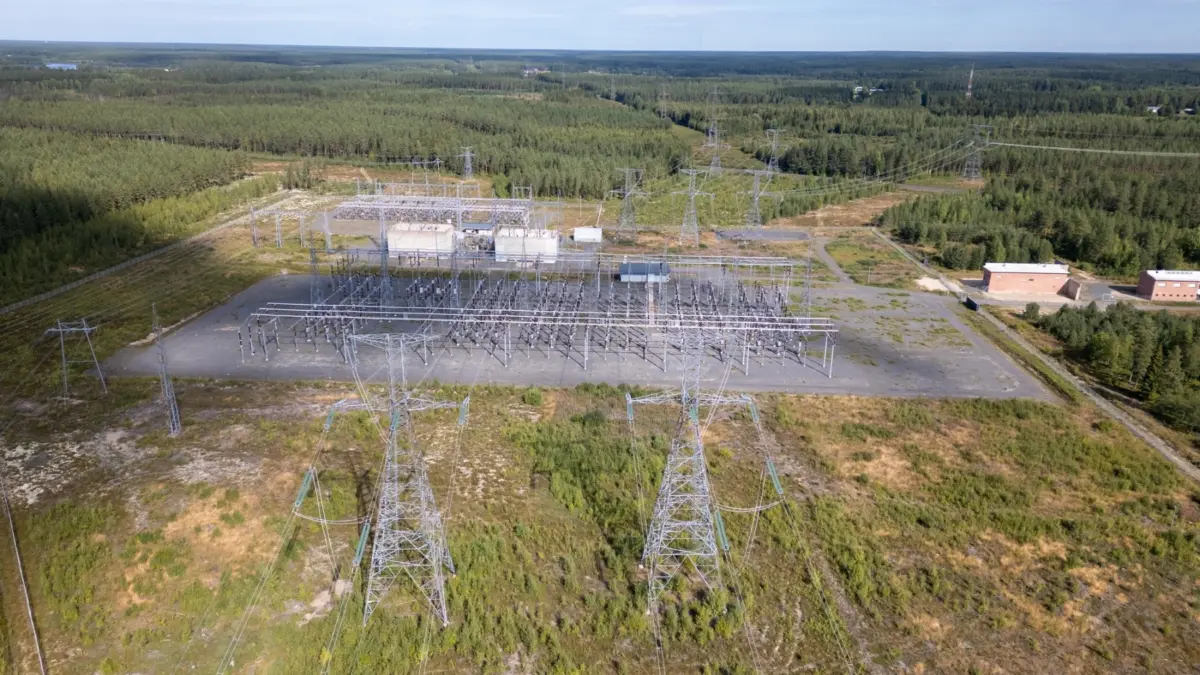
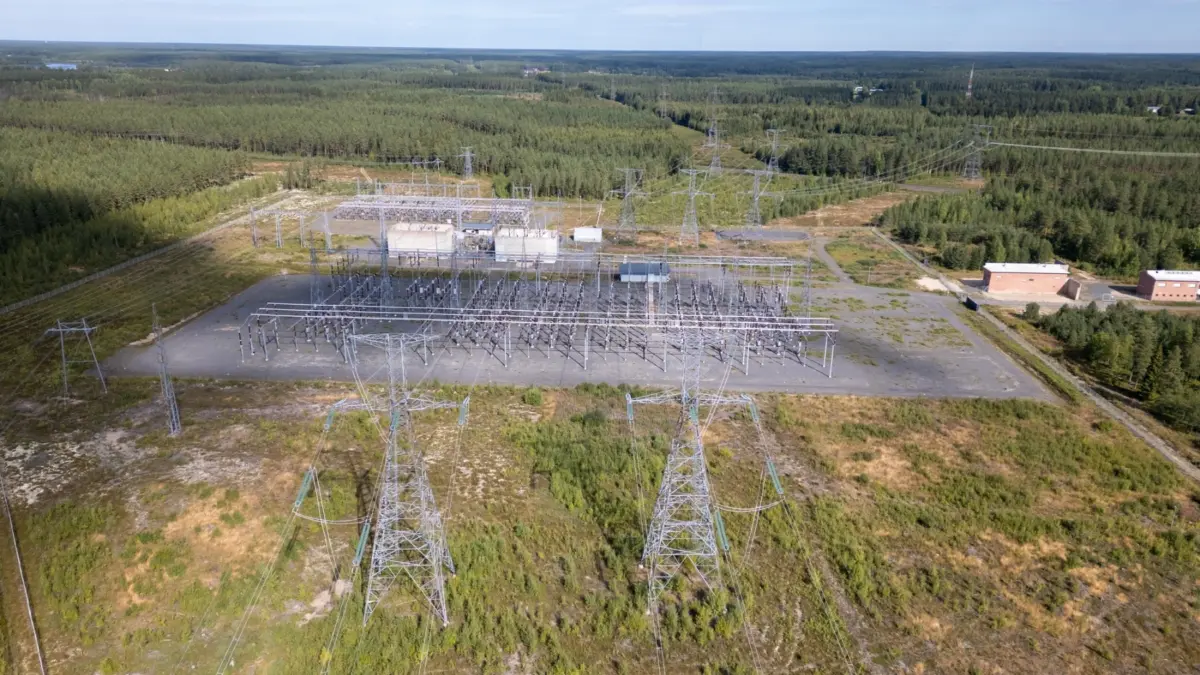
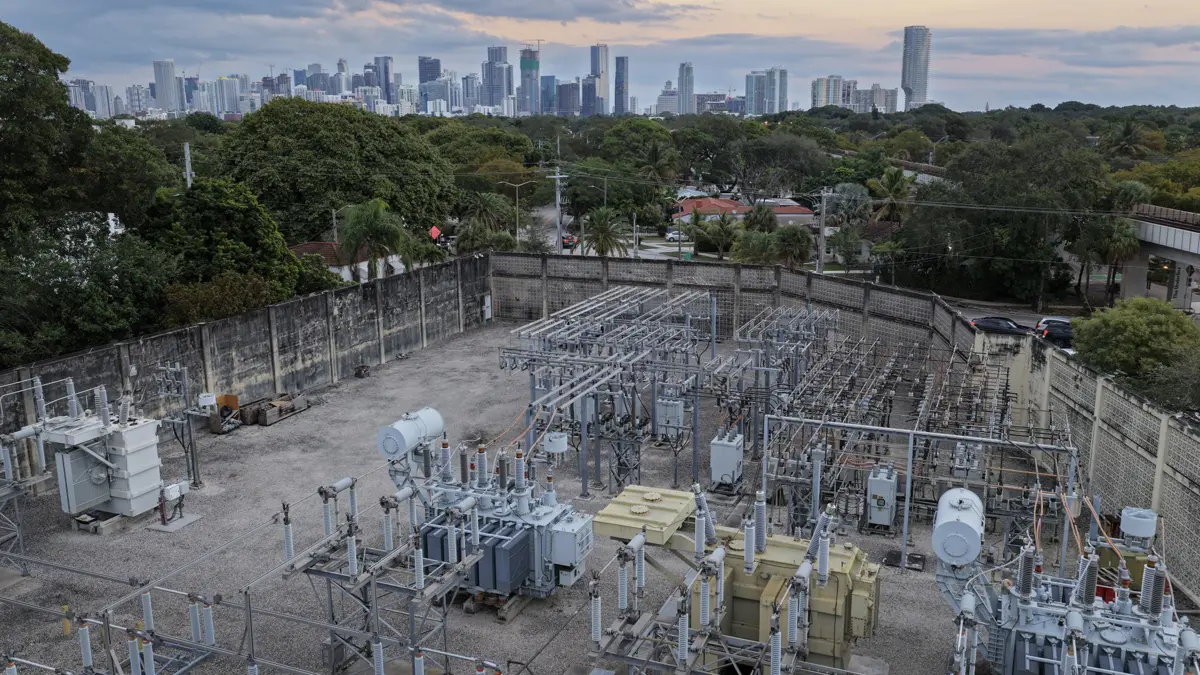
While framed by the White House as a vital safeguard against foreign espionage, remote sabotage, and supply chain vulnerabilities, the order has sent immediate shockwaves through the technology and utility sectors. For data center operators, hyperscalers, and real estate developers racing against the clock to energize massive artificial intelligence (AI) infrastructure, the directive introduces a volatile new variable into an already strained procurement ecosystem. Transformers, advanced inverters, high-voltage switchgear, and digital grid control systems—components that already suffer from multi-year lead times and intense global competition—now face an intricate layer of federal vetting.
As the industry awaits the DOE’s formal rulemaking phase—expected to unfold over a tense 120-day window—stakeholders are grappling with a sobering reality: equipment origin, vendor control, firmware dependencies, and remote-access pathways are no longer just commercial procurement details. They have officially become high-stakes national security determinants that could dictate whether multi-billion-dollar AI campuses successfully come online or stall out indefinitely in the permitting pipeline.
Detailed Chronology: From Executive Action to Regulatory Limbo
The legislative and administrative sequence leading to the August 26, 2026 executive action reflects a rapidly escalating convergence of geopolitical anxiety and domestic resource scarcity. Understanding the timeline is essential for charting how a national security decree swiftly morphs into a commercial logistics crisis for digital infrastructure developers.
The Buildup to the Declaration
- Late 2024–2025: The generative AI boom triggers an unprecedented surge in demand for accelerated computing clusters. Hyperscale data center operators begin consuming vast tranches of baseline and peaking power, rapidly outstripping local utility interconnection capacities and stretching global manufacturing supply chains for heavy electrical equipment.
- Early 2026: Lead times for large power transformers (LPTs) stretch past three to four years. Concurrently, government intelligence briefings and defense committees increasingly spotlight Western energy grids’ heavy reliance on foreign components, sub-assemblies, and embedded firmware originating from jurisdictions of concern.
- August 26, 2026: President Trump signs the executive order, declaring a national emergency under the International Emergency Economic Powers Act (IEEPA) and related statutes, focusing specifically on the vulnerabilities of the US bulk power system.
- August 27, 2026: Wall Street equity research firms, including Jefferies, publish emergency client notes warning that the decree will exacerbate existing structural bottlenecks, push domestic equipment pricing higher, and complicate maintenance operations for legacy infrastructure.
- August 28, 2026 (Present): The domestic energy market enters a 120-day countdown as the Department of Energy prepares to draft and publish the binding rules that will define covered suppliers, affected device categories, and compliance mechanisms.
[Early 2026: LPT Shortages] ---> [August 26: EO Signed] ---> [August 27: Jefferies Warning] ---> [Next 120 Days: DOE Rulemaking]Supporting Context & Metrics: The Intersection of AI Compute and Grid Constraints
To fully appreciate the gravity of the President’s executive order, one must examine the macro-level pressures currently reshaping the North American power supply chain. The explosive growth of advanced manufacturing, defense production, and large language model (LLM) training facilities has converted electricity from a background utility into the single most precious commodity in tech.
The Anatomy of Grid Vulnerability
The White House justification highlights a simple, uncomfortable truth: the United States has increasingly outsourced the manufacturing of critical electrical infrastructure components to overseas markets over the past several decades. While globalized supply chains historically offered cost efficiencies, they left critical domestic systems exposed to geopolitical choke points.
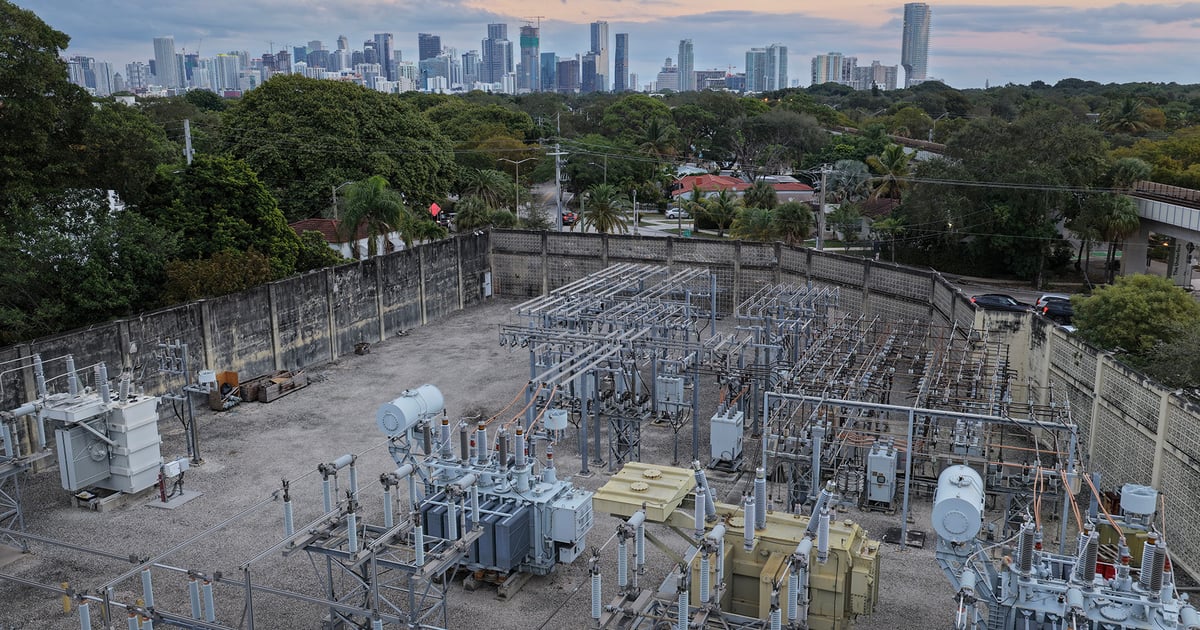
- Physical Equipment Exposure: Heavy power transformers, generation step-up transformers, large-scale battery energy storage systems (BESS), high-voltage direct current (HVDC) converters, and wind/solar inverters are frequently manufactured abroad.
- The Software Vector: Modern bulk-power equipment is rarely "dumb iron." Advanced transformers and grid-edge controls rely extensively on firmware, digital operating systems, and remote-monitoring dashboards. These digital capabilities introduce potential attack surfaces for foreign cyber-espionage, unauthorized remote access, or algorithmic logic bombs capable of disrupting energy flows.
- The Lifecycle Dependency: Supply chain risk does not end at the factory gate. Utilities and grid operators depend on foreign original equipment manufacturers (OEMs) for proprietary software updates, specialized diagnostic tools, and replacement components. If an OEM is suddenly restricted or deemed a national security threat, maintaining the operational continuity of existing grid assets becomes an extraordinary compliance hurdle.
Perspectives from Industry Analysts
Neil Osnato, founder of Persistence Analytics Group, emphasizes that the executive order fundamentally alters how risk is calculated across the energy sector.
"The biggest practical change is that equipment origin, vendor control, software, remote access and lifecycle dependencies can now become part of the reliability decision—not just the procurement decision," Osnato explains. "Utilities could have to answer a question beyond whether a piece of equipment works: whether they can continue to rely on it based on who made it, who can access it, what software it depends on, and what has changed since it was installed."
Furthermore, Osnato warns that basic country-of-origin labeling will be insufficient for compliance. A transformer manufactured domestically might still rely on foreign-sourced core laminations, proprietary control chips, or offshore firmware updates. Consequently, data center operators and electric utilities will need to map out multi-tiered dependency trees to ensure compliance before equipment ever arrives at a substation site.
Official Statements and Industry Response
Reactions from regulatory bodies, reliability organizations, and financial analysts reveal an industry caught between the necessity of national security hardening and the harsh operational realities of capital project execution.
NERC and Reliability Oversight
The North American Electric Reliability Corporation (NERC), through its Electricity Information Sharing and Analysis Center (EISSAC), has maintained a watchful eye over supply chain integrity for years. Responding to the executive order, a NERC spokesperson commended the administration for its collaborative approach.
NERC confirmed that it is actively enhancing its supply chain risk management standards. The organization plans to work closely alongside the DOE, the Federal Energy Regulatory Commission (FERC), and the Electricity Subsector Coordinating Council (ESCC) to help navigate the rollout of the administration’s new rules. NERC notes that actionable threat intelligence regarding geopolitical actors targeting the energy sector is shared with industry participants daily, making supply chain visibility an operational imperative rather than a theoretical exercise.
Financial and Market Analysts
Equity research from Jefferies, released immediately following the executive order’s publication, underscores the immediate economic friction the policy introduces.
- Elongated Lead Times: Analysts project that the rigorous vetting process, combined with potential prohibitions on specific foreign vendors, will further stretch delivery schedules for essential hardware.
- Price Escalation: With alternative domestic or allied manufacturing capacity operating at maximum utilization, restricted supply streams will inevitably drive up capital expenditure (CapEx) for both regulated utilities and private data center developers.
- Legacy Retrofits: The order’s mandate covering already installed equipment creates a complex administrative burden. If the DOE ultimately restricts certain legacy foreign components, utilities may be forced into premature retrofits or replacements, accelerating demand in an already backlogged market.
Future Outlook: Implications for Data Center Power and AI Expansion
For the data center industry, the timing of the executive order could not be more delicate. Developers are already struggling with multi-year interconnection queues, localized transmission bottlenecks, and the sheer challenge of securing gigawatt-scale power allocations for campus builds.
Shifting from "Procurement" to "Verification"
Up to this point, data center developers and their utility partners primary procurement metrics were straightforward: cost, delivery schedule, and technical specifications (such as voltage ratings and thermal capacities). The Trump administration’s national emergency declaration injects an entirely new metric: verifiable geopolitical and digital sovereignty.
Industry experts stress that project developers must adjust their engineering, procurement, and construction (EPC) strategies immediately. Waiting until late-stage construction or substation energization to audit equipment provenance is no longer viable.
"Announced equipment availability is not the same as executable, reliable equipment availability," Osnato notes, framing the core challenge for upcoming data center pipelines. "The answer should not be to weaken the verification standard. It should be to make the evidence standard clearer and earlier in the process so projects do not reach construction or energization before someone discovers that a critical equipment or supply chain assumption cannot be relied on."
What to Watch Over the Next 120 Days
As the Department of Energy formulates its implementation rules, hyperscale operators and infrastructure investors will be closely monitoring several critical factors:
- Definition of Scope: How broadly will the DOE define "covered equipment"? Will exemptions be carved out for certain allied nations, or will the rules cast a wide net across all non-domestic hardware?
- Grandfathering Provisions: Will equipment currently sitting in domestic warehouses or already contracted for delivery receive transitional waivers, or will they be subject to immediate containment reviews?
- Software and Firmware Exemptions: Will operators be permitted to scrub, replace, or locally patch foreign-sourced digital controls and firmware to achieve compliance, or must the physical hardware itself be replaced?
- Interconnection Timelines: How will regional transmission organizations (RTOs) and independent system operators (ISOs) integrate these federal compliance checks into their existing generator interconnection studies and deliverability tests?
Conclusion
President Trump’s declaration of a national emergency over the bulk power system marks a decisive turning point in American infrastructure policy. By tethering the physical reliability of the electrical grid directly to national security and foreign supply chain exposure, the administration has permanently altered the operational landscape.
For the AI data center boom, the directive introduces a formidable new hurdle. Success in the next era of compute infrastructure will belong not just to those with the deepest capital reserves, but to those capable of navigating an increasingly complex, secure, and fiercely guarded energy supply chain.