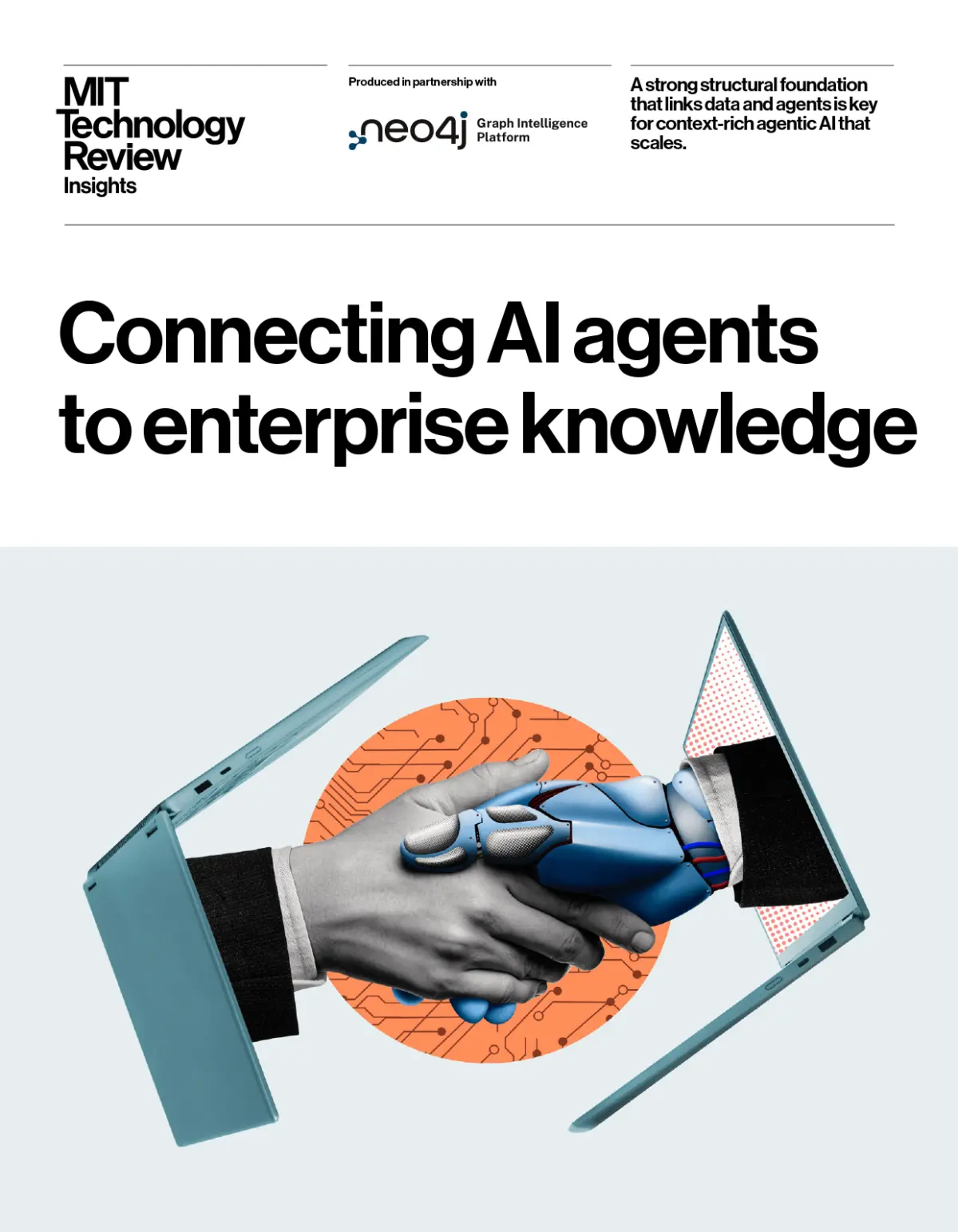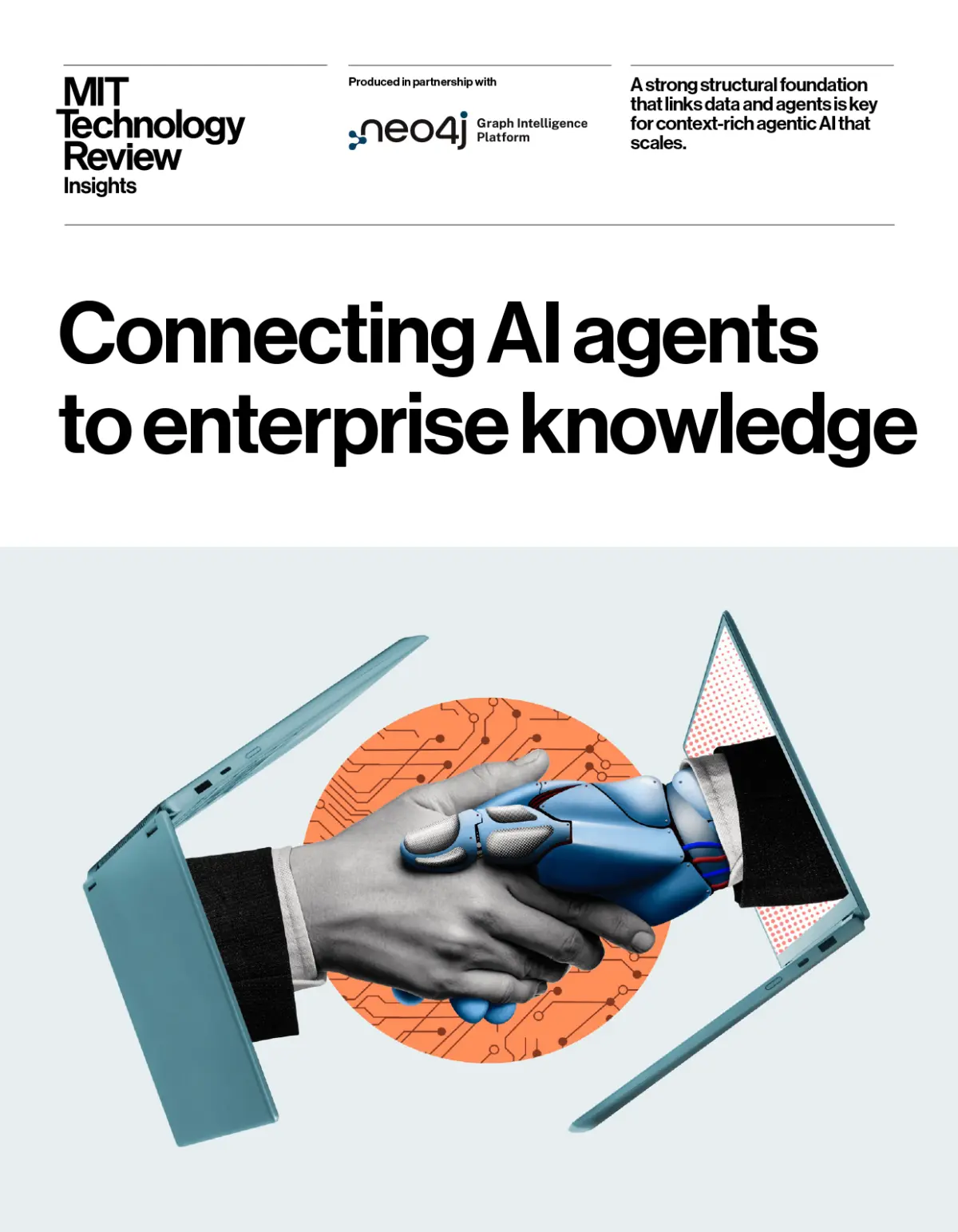
Executive Overview
In the relentless race to integrate artificial intelligence into enterprise operations, corporations have amassed staggering volumes of data. Modern organizations stream petabytes of telemetry, customer interactions, financial transactions, and operational metrics into sophisticated data lakes and warehouses. Yet, despite this data abundance, enterprise AI agents continually stumble over a fundamental hurdle: a severe, systemic lack of organizational knowledge.
While raw data provides the raw materials, knowledge represents the contextual understanding of what that data actually means within the unique ecosystem of a specific organization. Enterprise AI agents require this contextual intelligence to reason logically through complex situations, make high-stakes decisions, and autonomously execute downstream business processes. Without it, these autonomous systems are little more than sophisticated pattern-matchers, prone to hallucinations, flawed reasoning, and unreliable operational decisions that can introduce severe business risks.
A newly published industry research report based on a comprehensive survey of 300 data, artificial intelligence, and technology executives reveals that this deficit is not merely a technical nuisance—it is the primary bottleneck preventing agentic AI use cases from ever making the leap from experimental sandbox environments to live production.
As competitive pressures mount across global markets, the urgency to resolve this disconnect has reached a boiling point. Corporations must successfully deploy and scale agentic AI projects to capture the profound efficiency gains, cost reductions, and operational agility that artificial intelligence promises. Falling short in this endeavor carries severe consequences: organizations risk entirely wasting the substantial capital investments already sunk into premature AI initiatives while simultaneously ceding critical competitive ground to rivals who have mastered the art of operationalizing autonomous agents.
This article examines the core findings of the report, analyzing why AI agents stall, how elite "production leaders" overcome these barriers, and the architectural shifts—specifically the rise of the enterprise "knowledge layer"—required to unlock the true potential of agentic AI.
Detailed Chronology: The Evolution and Stagnation of Enterprise AI Agents
To understand the current crisis in enterprise AI deployment, it is helpful to trace the chronological evolution of corporate artificial intelligence initiatives over the past decade.
Phase 1: The Era of Predictive Analytics and Descriptive BI (2015–2020)
During the initial wave of corporate AI adoption, enterprises focused heavily on predictive modeling and business intelligence (BI). Organizations invested billions in data engineering, migrating on-premise relational databases to cloud-native data warehouses like Snowflake, AWS, and Google Cloud. The primary objective was descriptive and predictive: understanding what happened in the past and forecasting trends based on historical numbers. AI systems during this era were narrow, deterministic, and required heavy human intervention to interpret outputs.
Phase 2: The Generative AI Gold Rush (2022–2024)
The public debut of Large Language Models (LLMs) fundamentally disrupted enterprise expectations. Corporations rapidly pivoted from static analytical models to generative AI solutions capable of drafting text, summarizing documents, and writing code. Buoyed by the promise of conversational interfaces and out-of-the-box intelligence, executive boards mandated the rapid deployment of AI pilots. However, these early implementations were largely stateless, document-centric, and disconnected from core enterprise transactional systems.
Phase 3: The Rise of Agentic AI and the Production Wall (2024–Present)
Recognizing the limitations of static chat interfaces, the industry shifted its focus toward agentic AI—autonomous systems designed not just to answer questions, but to reason, formulate multi-step plans, interact with APIs, and execute complex workflows without continuous human prompting.

However, as organizations attempted to scale these agentic systems beyond isolated pilot programs, they hit a brick wall. While LLMs possessed vast generalized knowledge of the world, they operated inside a profound vacuum regarding enterprise-specific context. They did not know an organization’s proprietary supply chain dependencies, internal approval hierarchies, custom customer service SLAs, or nuanced compliance policies. Consequently, enterprise AI projects began to stall en masse, revealing that access to raw data was no longer the limiting factor—access to structured, contextual knowledge was.
Supporting Context & Metrics: Inside the Research Findings
The research report, conducted via a rigorous survey of 300 data, AI, and technology executives, provides a sobering look at the state of enterprise AI implementation. The data illuminates the stark gap between AI hype and production reality.
1. The Production Bottleneck: Only 34% Make the Cut
On average, only around a third (34%) of organizations’ agentic AI projects successfully make it into production. Even high-tech firms, which traditionally boast superior technical infrastructure, report significant friction in operationalizing agents. The primary points of failure include entrenched legacy data systems, mounting security and privacy concerns, and—most critically—a crippling lack of organizational knowledge and context.
2. The Anatomy of Production Leaders
A small, elite group of organizations surveyed—dubbed "production leaders"—diverge sharply from the industry average. Within these organizations, an impressive 61% of agentic projects advance beyond the pilot phase into full-scale production.
A deeper analysis of these leaders reveals a distinct competitive advantage: they possess significantly superior knowledge capabilities compared to their peers. Specifically, they excel across three critical dimensions of cognitive architecture:
- Semantic Knowledge: A robust understanding of how enterprise terms, entities, and data structures relate to one another within the business context.
- Episodic Memory: The ability of an agent to retain, recall, and learn from past interactions, decisions, and transaction histories over time.
- Procedural Knowledge: A structured understanding of the exact workflows, business rules, step-by-step processes, and operational constraints required to execute tasks.
3. Data Fragmentation as the Ultimate Barrier
When executives were surveyed regarding the top challenges to expanding their AI agents’ access to knowledge, data fragmentation emerged as the most formidable obstacle, cited by 55% of respondents. Data fragmentation—characterized by siloed departments, non-standardized data formats, and inadequate sharing across legacy systems—leaves AI agents starved of the holistic context required to make sound operational decisions.
Interestingly, the perception of risk shifts as organizations mature. Among the elite production leaders, data fragmentation is secondary to security and privacy concerns, which were cited by 72% of this group. As organizations scale agents into production, the challenge shifts from merely connecting fragmented systems to governing who (and what autonomous agents) can access sensitive enterprise data safely.
Official Statements and Architectural Insights
Industry experts and enterprise architects participating in the research underscore that solving the knowledge crisis requires moving beyond traditional data integration paradigms.
According to enterprise AI strategists, organizations can no longer rely on brute-force ingestion of unstructured documents into vector databases alone. While Retrieval-Augmented Generation (RAG) has served as a foundational tool for grounding LLMs, standard RAG architectures frequently fail when agents need to navigate complex, multi-hop logical relationships across disparate corporate databases.

"For an AI agent to act reliably on behalf of an enterprise, it requires a navigable map of reality," notes one prominent data architect interviewed for the study. "Data lakes store the raw ingredients, but a structured knowledge layer provides the recipe and the kitchen rules. Without that layer, agents are essentially guessing blindly."
Executives surveyed overwhelmingly agree on the prescribed remedy. Among the myriad steps available to yield higher-quality agent decisions, technology leaders expect the most profound impact to come from strengthening the structural foundation between the organization’s raw data and its AI agents.
To achieve this, technical leaders are actively endorsing the implementation of an enterprise "knowledge layer." This architectural abstraction sits between raw enterprise data stores and agentic reasoning engines, translating raw tables, logs, and documents into a coherent, queryable web of meaning.
Future Outlook: Investment Priorities for the Next Wave of AI
To overcome the knowledge barrier and successfully scale agentic AI projects beyond the pilot phase, enterprise technology budgets are shifting rapidly. Based on the insights compiled in the research report, organizations are prioritizing investments across three distinct technological pillars:
1. Advanced Retrieval Technologies
Enterprises are aggressively modernizing their data pipelines to support real-time agentic workflows. Investment priorities include the development of sophisticated ingestion pipelines, AI-ready application programming interfaces (APIs), and next-generation Retrieval-Augmented Generation (RAG) frameworks capable of handling complex semantic queries with low latency.
2. AI Evaluation and Guardrail Agents
As autonomous agents are granted broader operational autonomy, ensuring reliability and compliance becomes paramount. Organizations are deploying specialized "evaluation agents"—AI systems specifically designed to monitor, audit, and score the reasoning steps and outputs of operational agents before downstream actions are executed.
3. Knowledge Graphs
Perhaps the most significant architectural trend highlighted in the report is the rapid adoption of knowledge graphs. By mapping entities (such as customers, products, accounts, and suppliers) and their complex interrelationships into graph databases, organizations can provide AI agents with explicit, deterministic semantic context. Knowledge graphs eliminate the ambiguity inherent in unstructured text search, enabling agents to reason logically across interconnected business domains with unprecedented accuracy.
Conclusion
The era of treating AI agents as plug-and-play applications connected to raw data repositories is drawing to a close. As the findings of this landmark research demonstrate, the future of enterprise automation belongs to organizations capable of bridging the chasm between raw data and contextual understanding. By investing strategically in knowledge layers, advanced retrieval pipelines, and graph-based architectures, enterprises can finally unlock the full operational promise of agentic AI—turning experimental pilots into scalable, reliable engines of long-term competitive advantage.
This content was produced by Insights, MIT Technology Review’s custom content arm, not its editorial staff. It was researched and written by humans, with any AI tools that may have been used limited to production processes under human oversight.