Executive Overview
In a strategic push to solidify its position as a dominant force in social commerce, YouTube is rolling out a dual-pronged update that impacts both ends of the creator economy. The platform has officially initiated a localized affiliate shopping test designed to auto-optimize product fulfillment through nearby merchants, aiming to reduce shipping times and maximize conversion rates. Simultaneously, YouTube is overhauling its sponsored content disclosure framework. These changes introduce modernized labeling, advanced geo-demographic targeting controls for branded content, and automated detection systems to ensure strict adherence to international advertising regulations.
For digital creators, brands, and multichannel networks, these updates represent a pivotal shift in how products are marketed and monetized on the platform. By bridging the gap between global product discovery and localized fulfillment, YouTube is directly tackling some of the primary friction points that have traditionally hindered social shopping. At the same time, the platform’s sharpened focus on compliance safeguards both creators and corporate partners against regulatory scrutiny in an increasingly fragmented global legal landscape.
This comprehensive report examines the mechanics of YouTube’s new localized affiliate experiment, analyzes the implications of its updated paid partnership disclosure tools, and evaluates what these developments mean for the future of digital advertising and creator-led e-commerce.
Detailed Chronology of Platform Updates
YouTube’s latest suite of commerce and compliance features has been rolled out in rapid succession, reflecting the platform’s urgency to capture a larger share of the digital retail market while mitigating regulatory risks.
The Evolution of YouTube Shopping and Affiliate Integration
The groundwork for these updates was laid earlier in the year when YouTube aggressively expanded its Shopping Affiliate program. Historically, creator-led affiliate marketing was constrained by fragmented third-party networks or restricted native integrations. However, YouTube’s recent integration of major retail giants—most notably the inclusion of Amazon affiliate links—significantly widened the scope of monetization possibilities for creators.
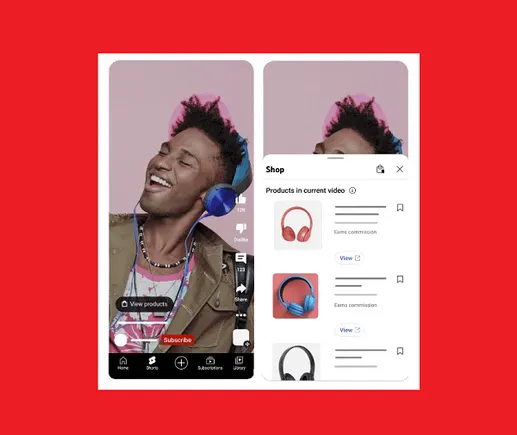
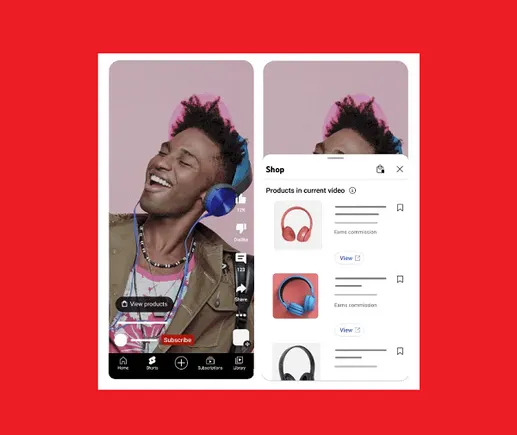
Eligible creators could suddenly tag millions of products directly within their video content, earning commissions on resulting sales without forcing viewers to navigate away from the platform. Yet, despite this expanded catalog, structural inefficiencies remained. A viewer in London or Sydney might click a creator-tagged product, only to find that the primary fulfillment source was located overseas, resulting in exorbitant shipping fees, currency conversion hurdles, and protracted delivery timelines. These logistical barriers often killed purchase intent at the final checkout stage.
The Launch of the Local Affiliate Shopping Experiment
To combat cart abandonment and optimize sales performance, YouTube announced a new, highly targeted affiliate shopping test. Rather than forcing a one-size-fits-all approach to tagged items, the platform’s experimental framework dynamically substitutes the original creator-tagged product with an identical or functionally equivalent item sourced from an eligible local retailer.
According to platform documentation, this pilot test operates entirely within the parameters of the YouTube Shopping Affiliate program. Crucially, YouTube has clarified that this algorithm-driven optimization will not override videos where creators have manually enabled the "Paid Product Placement" setting. Instead, the test focuses strictly on organic affiliate links, assessing whether serving geographically proximate merchants can meaningfully drive consumer action and elevate overall conversion efficiency.
Overhauling Branded Content and Paid Partnership Controls
Parallel to its e-commerce experimentation, YouTube turned its attention to the complex web of global advertising standards. Recognizing that creators frequently struggle to navigate the divergent legal requirements of the Federal Trade Commission (FTC) in the United States, the European Union’s Audiovisual Media Services Directive (AVMSD), and various national consumer protection laws, YouTube introduced a robust suite of compliance controls.
These updates span several key pillars:
- Refined Terminology: The platform updated its paid product placement policies, introducing modernized terminology designed to align with broader industry standards regarding branded content.
- Enhanced Disclosure Labels: Viewers will now encounter redesigned, at-a-glance branded content disclosures that provide immediate context regarding the commercial nature of a video.
- Advanced Demographic Targeting: Creators are now equipped with granular settings to apply age and location restrictions specifically to branded content.
- Automated Enforcement: YouTube has deployed machine learning systems capable of scanning newly uploaded videos to detect undeclared commercial relationships, automatically applying disclosure labels when necessary.
Supporting Context & Metrics: The Economics of Social Commerce
To fully understand the weight of YouTube’s recent announcements, one must examine the broader macroeconomic climate of social commerce and the unique operational challenges facing video creators today.
The Rise of Frictionless Shopping
Global social commerce is experiencing exponential growth, projected to reach multi-trillion-dollar valuations over the next few years. Consumers—particularly Gen Z and Millennial cohorts—increasingly expect discovery and purchase to occur within the same digital ecosystem. Platforms like TikTok, Instagram, and YouTube are no longer viewed merely as entertainment hubs; they are primary search engines and virtual storefronts.
However, the conversion funnel in social video has historically suffered from high drop-off rates. Industry benchmarks suggest that while engagement (likes, comments, shares) on creator content is high, intent-to-purchase often shatters when consumers encounter logistical friction. Factors such as:
- Unexpected international shipping costs
- Delivery windows exceeding 7 to 10 business days
- Unfamiliar regional e-commerce storefronts
These elements severely depress affiliate earnings. By experimenting with localized fulfillment, YouTube is effectively applying supply chain optimization principles to creator marketing. If an algorithm can seamlessly route a buyer to a local warehouse or regional distributor, delivery times drop from weeks to days, directly correlating with higher conversion rates and increased commission payouts for creators.
Navigating Regulatory Minefields
The regulatory environment for influencer marketing and branded content has grown intensely strict. Regulatory bodies worldwide are aggressively cracking down on covert sponsorships, native advertising that lacks clear disclosure, and the marketing of age-restricted products (such as alcohol, gambling, and certain financial services) to vulnerable demographics.
For global creators, compliance has long been a logistical nightmare. A video sponsored by a beverage brand might be entirely legal for adult audiences in one country, but violate strict regional broadcasting laws or digital marketing codes in another. By introducing granular age and location restrictions directly into the branded content workflow, YouTube is solving a major pain point. Creators no longer have to choose between flatly rejecting lucrative global brand deals or risking severe legal penalties and platform demonetization. They can now configure their content distribution to respect regional legal boundaries automatically.
Furthermore, the introduction of automated detection systems signals a shift toward proactive platform governance. Rather than waiting for regulatory bodies to levy fines or issue warnings for undisclosed sponsorships, YouTube’s automated systems act as a safety net, ensuring perpetual transparency and shielding both the platform and its users from regulatory liability.
Official Statements and Platform Guidance
YouTube’s leadership and official support channels have provided detailed framing for these updates, emphasizing a dual commitment to creator empowerment and viewer transparency.
Addressing the localized affiliate shopping test, YouTube stated:
"We’re running a small affiliate shopping experiment to show the exact same creator-tagged affiliate product, but sourced from a different eligible local retailer. This test helps us measure if we can improve shopping performance by auto-optimizing which local merchants to serve for a product."
The platform was careful to delineate between traditional sponsorships and automated affiliate optimization, confirming that the test remains strictly confined to the Shopping Affiliate infrastructure and will not interfere with explicit Paid Product Placement configurations established by creators.
On the regulatory and disclosure front, YouTube highlighted the dual benefit of its new controls for both consumers and brand partners:
"As this rolls out, viewers will see a new updated branded content disclosure label that gives them the context they need at a glance."
Regarding the new age and location restriction settings for branded content, YouTube noted that these tools are engineered to facilitate international commerce without compromising legal compliance:
"This will help creators manage specific legal requirements for sponsored content across different countries. This will also facilitate more brand deals with creators because creators won’t have to reject proposals ‘because of strict demographic or regional constraints.’"
Addressing the implementation of automated enforcement mechanisms, the platform issued a clear directive to its creator base:
"If our systems detect that your newly uploaded video includes branded content that you did not disclose, we may automatically apply the disclosure label on your behalf to ensure policy compliance and viewer transparency."
Future Outlook: The Intersection of Creator Economy and E-Commerce
As YouTube continues to iterate upon these features, the long-term implications for the digital media landscape are profound. The platform is methodically transforming from a passive video repository into an intelligent, end-to-end commercial operating system.
The Convergence of Logistics and Content
The success of YouTube’s local affiliate shopping experiment could fundamentally alter how merchandise is distributed through digital media. If localized auto-optimization proves effective, expect the platform to expand the pilot into a permanent, global feature. This could eventually lead to deeper API integrations with major regional supply chain networks, third-party logistics (3PL) providers, and local merchant inventories.
For creators, this means that content could soon possess dynamic, region-specific commerce layers. A single video could display different merchant tags based on whether the viewer is streaming from New York, Tokyo, or Berlin, maximizing purchasing efficiency worldwide.
Maturation of Creator Compliance
As regulatory oversight intensifies globally, platforms that fail to provide robust compliance tools will lose the trust of major enterprise advertisers. YouTube’s rollout of automated disclosure detection and localized targeting signals its evolution into a mature, enterprise-grade advertising medium.
Creators who adapt quickly to these new labeling frameworks and leverage the granular geo-targeting settings will find themselves positioned advantageously for high-budget brand partnerships. Conversely, creators who attempt to bypass automated detection or ignore regional restrictions will likely face algorithmic suppression or policy strikes.
Conclusion
YouTube’s latest updates mark a critical evolution in the maturation of the creator economy. By marrying localized fulfillment optimization with sophisticated, automated compliance architecture, YouTube is building a resilient ecosystem that serves all stakeholders: viewers receive transparent, friction-free purchasing paths; brands gain reliable, legally compliant channels for global product distribution; and creators unlock enhanced earning potential supported by enterprise-grade infrastructure. As these experiments transition into standard platform features, YouTube’s footprint in the global e-commerce arena is poised for unprecedented expansion.