The modern living room is undergoing a quiet, yet profound, technological revolution. For decades, the television remote control has reigned supreme as the undisputed gatekeeper of the home entertainment experience. Whether changing channels, adjusting volume, or navigating through complex smart TV interfaces, viewers have had to rely on a clunky array of plastic buttons, directional pads, and awkward on-screen keyboards. However, as traditional television viewing habits continue to shift toward streaming platforms, this legacy hardware is increasingly proving to be a bottleneck to user engagement.
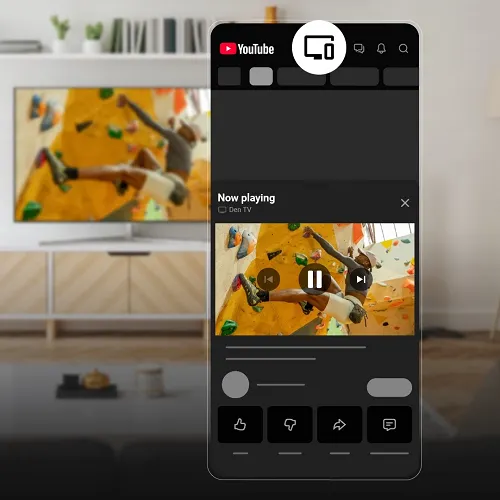
Enter YouTube’s latest platform update. In a strategic move designed to bridge the gap between personal mobile devices and the big screen, YouTube has officially announced a comprehensive upgrade to its Connected TV (CTV) viewing experience. The new feature allows users to seamlessly transform their smartphones into interactive companion controllers for YouTube running on their television sets.
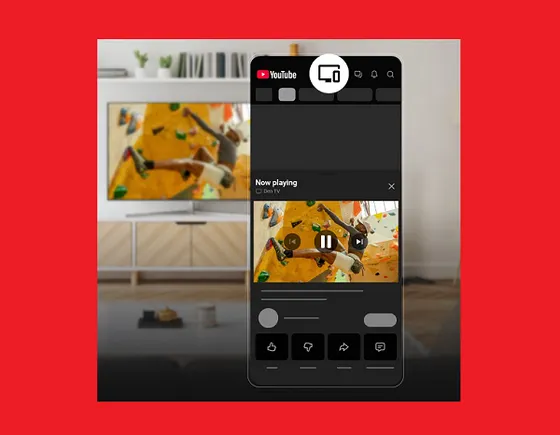
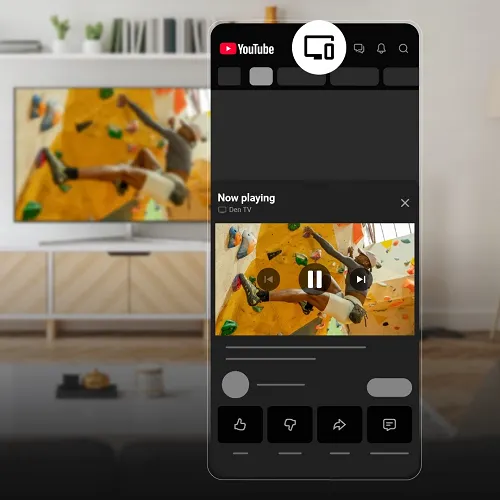
By pairing a mobile device with the television app, viewers can effortlessly bypass the frustration of typing out comments with a standard remote, reading lengthy video descriptions, or struggling to subscribe to a channel using a clumsy directional pad. Instead, the smartphone acts as a synchronized second screen, empowering users to interact with deep engagement features, manage their queues, and browse video feeds in real time—all without interrupting the video playback unfolding on the main television display.
This development represents more than just a minor convenience; it is a fundamental rethinking of how audiences consume digital video in a living room setting. As Connected TV continues to dominate media consumption habits—with global audiences now consuming more than a billion hours of YouTube content on home TV sets every single day—platforms must evolve to meet the demands of a multi-screen household. By removing technical friction points, such as the requirement for manual device pairing or shared local Wi-Fi networks, YouTube is positioning its ecosystem at the absolute forefront of modern home entertainment.
Detailed Chronology: Bridging the Mobile-to-TV Divide
To fully understand the significance of YouTube’s latest companion device update, it is essential to examine the historical trajectory of how users have attempted to bridge the gap between handheld screens and living room displays.
For years, casting content from a smartphone to a television relied on technologies like Google’s Chromecast, Apple’s AirPlay, or proprietary screen-mirroring protocols. While these systems successfully transferred video feeds from point A to point B, they historically treated the TV and the phone as isolated or entirely mirrored environments. If a user wanted to comment on a video, check a creator’s description box, or dive into related content while watching on a smart TV, they were typically forced to abandon the mobile casting device and resort to the physical TV remote—a notoriously tedious peripheral for text input and digital navigation.
Over the past several years, YouTube has methodically chipped away at these user experience barriers. The platform recognized early on that while the television offers superior visual and auditory immersion, the smartphone remains the ultimate input device for personal interaction, curation, and social engagement.
The Evolution of Smart TV Interactivity
The path to the current companion-mode update has involved a series of incremental rollouts aimed at optimizing the CTV environment:
AI-Powered Voice Search Integration: YouTube previously introduced conversational artificial intelligence tools designed for smart TVs. While powerful, this feature was inherently limited by hardware constraints, requiring users to own modern smart TV models equipped with specialized remote controls featuring built-in microphones.
CTV-Specific Content Formats: Recognizing that users interact with television differently than mobile devices, YouTube introduced dedicated podcast viewing modes, chapter markers, title cards, and experimental "TV-style stations" that simulate traditional linear broadcasting by streaming continuous loops of content from specific channels.
The Companion App Breakthrough: The culmination of these efforts is the current update, which decouples advanced interactivity from the television hardware entirely. By leveraging the user’s personal smartphone as an active, synchronized companion device, YouTube has effectively democratized advanced smart TV features. Users no longer need the latest, most expensive television model or a high-end remote control to access robust platform functionalities.
How the New System Operates
The mechanics behind the updated CTV app connectivity are designed for maximum simplicity. According to official product documentation released by Google, viewers no longer need to navigate complicated network settings, ensure both devices are operating on the exact same Wi-Fi network, or manually enter pairing codes.
Instead, the ecosystem relies on cloud-based synchronization linked to the user’s primary Google account. Once a user initiates a viewing session on their television, they can instantly bring up the companion interface on their smartphone.
Key operational capabilities of the updated system include:
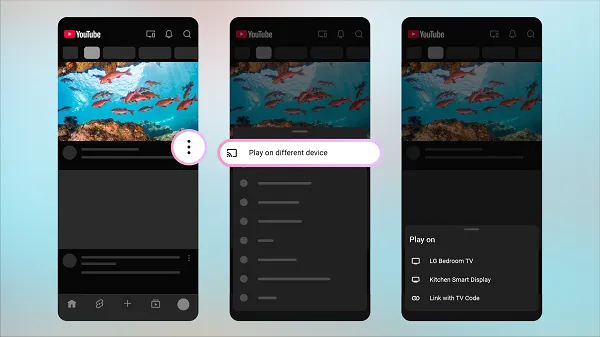
Seamless Video Handoff: Users browsing their mobile homepage feed can send videos straight to the television screen instantly. By simply tapping the three-dot menu next to any video title and selecting the new "Play on different device" prompt, the media transitions immediately to the television display.
Uninterrupted Multitasking: While a video plays on the big screen, the viewer’s smartphone becomes an independent control and discovery hub. Users can search for upcoming videos, browse YouTube Shorts, or read through comment sections without blocking the main television display.
Real-Time Engagement: Actions taken on the phone—such as leaving comments, hitting the like button, or subscribing to a creator’s channel—are instantly reflected across both the mobile and television interfaces.
Supporting Context & Metrics: The Rise of Connected TV
The timing of YouTube’s companion device rollout is far from accidental. It is a direct response to a massive, structural shift in how global audiences consume media. The living room television, long dominated by traditional cable broadcasting and scheduled programming, has firmly transitioned into an on-demand, internet-connected digital canvas.
The Numbers Driving the Shift
Recent industry data underscores the staggering dominance of Connected TV platforms, with YouTube leading the charge:
The Billion-Hour Milestone: YouTube’s internal metrics reveal that viewers now consume more than one billion hours of YouTube content on home television sets every single day. This metric illustrates that the television has evolved from a secondary viewing medium for the platform into a primary consumption hub.
Market Share Dominance: According to regular industry tracking, such as Nielsen’s "The Gauge" report, streaming platforms consistently capture the lion’s share of television viewing time, with YouTube frequently standing out as a dominant streaming network provider in terms of total monthly viewership hours.
The Engagement Paradox: Despite the massive volume of hours spent watching YouTube on TVs, platform analytics historically pointed to an engagement disparity. While passive viewing (watching long-form videos, documentaries, and music videos) thrived on the big screen, active participation (commenting, subscribing, tipping, and exploring deep metadata) plummeted when users were forced to use standard remotes.
Overcoming Hardware Limitations
The traditional TV remote is arguably the worst input device ever invented for navigating modern, data-rich digital platforms. Designed decades ago for changing channels and adjusting volume, the standard remote is fundamentally unequipped for modern software interfaces.
Typing out a search query or a thoughtful comment using an on-screen keyboard controlled by a four-way directional pad and an "OK" button is notoriously frustrating. Consequently, many viewers historically chose to abandon engagement altogether rather than battle their hardware.
By turning the smartphone into a companion controller, YouTube is effectively solving this usability crisis. Smartphones are optimized for touch-based navigation, rapid text input, and fluid multitasking. By merging the superior visual fidelity of the television screen with the ergonomic superiority of the mobile phone, YouTube has engineered an optimal hybrid viewing experience.
Official Statements and Platform Strategy
In statements detailing the rollout, YouTube product representatives emphasized that the update was built entirely around direct user feedback.
"We’ve heard from many of you that the TV is your favorite place to watch YouTube," YouTube noted in an official communication accompanying the release. "But some features like typing out comments, reading a description, or subscribing to a channel can be tricky when you’re only using a standard remote. This update lets you take full advantage of your engagement features without interrupting content playing on your TV."
This customer-centric philosophy has guided YouTube’s broader product roadmap for the living room over the past several years. As the platform has grown into a dominant force in the living room, executives have prioritized turning passive television viewers into active, engaged community members.
Furthermore, YouTube’s engineering teams have focused heavily on reducing friction in cross-device synchronization. By eliminating the historical requirement for shared local network connections or manual device pairing codes, the company has lowered the technical barrier to entry. Users do not need to be tech-savvy network administrators to link their devices; the integration happens intuitively through their Google profile ecosystem.
This strategy aligns closely with broader trends across the digital media landscape, where major technology firms are racing to create unified, cross-device ecosystems. By making the smartphone an indispensable companion to the television, YouTube ensures that its platform remains sticky, engaging, and deeply integrated into the daily digital routines of its audience.
Future Outlook: What This Means for Creators, Viewers, and Competitors
The deployment of YouTube’s companion phone feature signals a fascinating glimpse into the future of digital entertainment. As the lines between mobile apps, smart televisions, and social media continue to blur, several key implications emerge for the digital media ecosystem.
1. A Boost for Creator Engagement and Metrics
For content creators, the implications of this update are overwhelmingly positive. Historically, creator revenue and audience loyalty have been heavily tied to engagement metrics—specifically likes, comments, and subscriber conversions. When users watched YouTube on TVs, conversion rates for subscriptions and comments often lagged behind mobile and desktop viewing simply due to user friction.
By making it effortless to like, comment, and subscribe from a smartphone while watching on the big screen, YouTube is likely to see an overall lift in engagement metrics across CTV viewing sessions. Creators may benefit from more active audiences, higher comment volumes, and stronger community growth driven by living room viewers who are no longer restricted by a remote control.
2. Redefining the "Second Screen" Phenomenon
For years, digital marketers and media analysts have studied the "second screen" phenomenon—the habit of users looking at their phones while watching television. Traditionally, this behavior represented a threat to television broadcasters, as viewers would become distracted by social media, messaging apps, or mobile games, tuning out the primary screen entirely.
YouTube’s new feature brilliantly inverts this dynamic. Instead of treating the smartphone as a distraction from the television, YouTube has successfully turned the phone into an extension of the television. The user is still looking at their phone, but their attention remains firmly anchored within the YouTube ecosystem. This represents a masterclass in retaining user mindshare within a multi-screen household.
3. Raising the Bar for Competitors
The move also places intense competitive pressure on rival streaming services and traditional television manufacturers. Platforms like Netflix, Disney+, Amazon Prime Video, and traditional cable operators have long struggled to create intuitive companion app experiences. While some services offer basic casting functions, few have integrated real-time social engagement, cross-device multitasking, and cloud-synchronized content curation to the degree that YouTube has achieved with this update.
Competitors will now be forced to evaluate their own living room strategies. As consumers increasingly expect seamless, multi-device harmony, platforms that continue to rely on isolated, remote-only interfaces risk feeling dated and cumbersome to modern digital natives.
4. The Path Ahead
As YouTube continues to refine its Connected TV ecosystem—blending AI-powered voice tools, specialized channel stations, podcast optimization, and now advanced mobile companion controls—the living room screen is no longer a passive window. It has transformed into an interactive, highly personalized digital nexus.
For the average viewer curled up on the couch, the era of wrestling with a plastic remote control to leave a comment or subscribe to a favorite creator is finally coming to an end. With their smartphone acting as a smart, responsive wand in hand, users are entering a new era of effortless, high-engagement television viewing.