Executive Overview
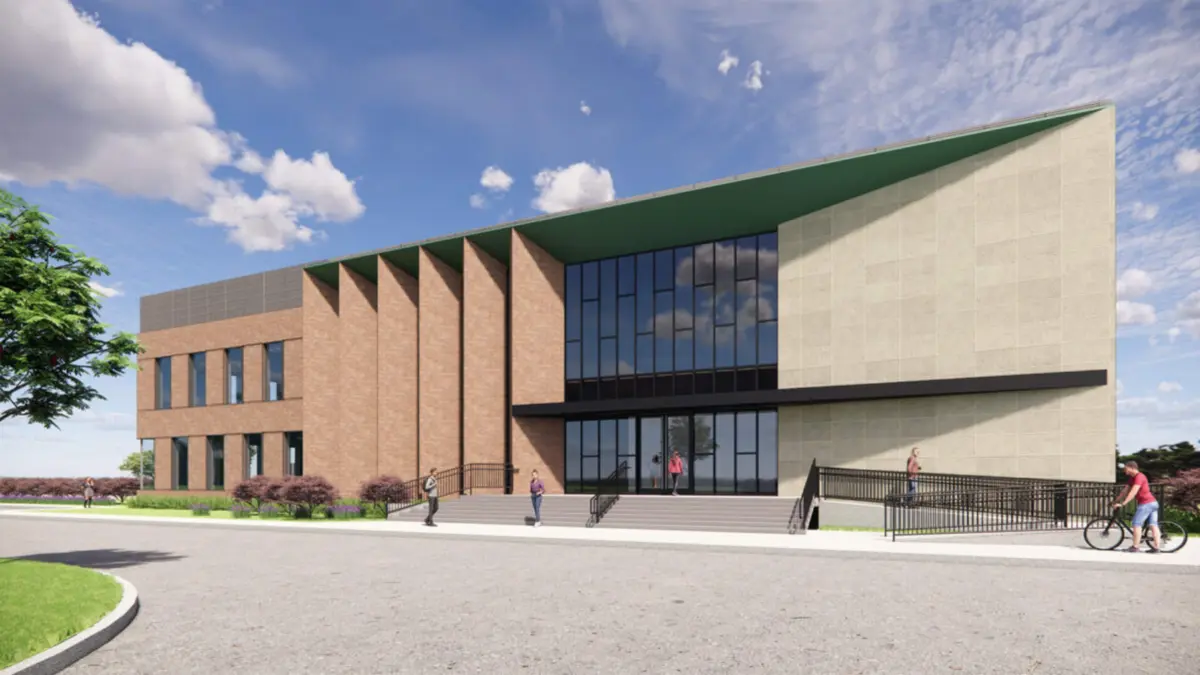
To the casual observer, a modern enterprise data center looks less like a factory and more like a high-tech fortress of clean lines and pristine concrete. Filtered air hums through immaculate white corridors, security doors lock tight behind biometric authentication, and there are no flare stacks, heavy smoke plumes, or chemical storage yards visible on the perimeter. Yet beneath this pristine exterior lies a quiet reality: the very engineering triumphs that guarantee 99.999% uptime also transform these facilities into complex, high-density chemical facilities.
Driven by the artificial intelligence (AI) boom, cloud computing, and a global digital infrastructure supercycle, data center capacity is skyrocketing. According to industry outlooks, global capacity is projected to surge from 103 gigawatts (GW) to an unprecedented 200 GW within this decade. But as the architecture scales upward in power, density, and thermal output, it brings a dense concentration of volatile materials behind closed doors.
From the lithium-ion battery banks storing massive energy loads to the dense webs of next-generation refrigerants, backup generators, and water-treatment skids, a typical facility introduces upwards of ten distinct gas and chemical hazards. These threats are contained within tightly sealed, pressure-managed building envelopes designed to protect sensitive IT hardware—a design choice that, paradoxically, can trap hazardous leaks and obscure them from human detection until disaster strikes.
Detailed Chronology: The Daejeon Incident and the Anatomy of an Outage
The hidden perils of modern data center infrastructure were brought into sharp, global focus a year ago this month in Daejeon, South Korea. During routine maintenance at the National Information Resource Services (NIRS)—an installation intended to make the facility safer and more reliable—a catastrophic uninterruptible power supply (UPS) battery failure occurred.
The resulting thermal runaway and fire destroyed 384 lithium-ion battery units, instantly cutting off 647 critical government systems and plunging essential administrative networks offline. What followed was a stark demonstration of how physical safety and network availability are inextricably linked.
The Response and Recovery Battle
Because the blaze erupted within a high-stakes computing environment housing core state infrastructure, emergency responders were forced to bypass water-based suppression techniques to prevent catastrophic water damage to live electrical systems. Instead, they relied heavily on gas-based suppressants, including carbon dioxide.
Despite these tactical interventions, the sheer intensity of the lithium-ion fire proved formidable. It took firefighters a grueling 22 hours to completely extinguish the blaze, and initial government projections estimated it would take a full four weeks to fully restore all offline systems.
Crucially, investigative reports following the disaster revealed an unsettling detail: the NIRS batteries had reportedly passed a routine safety inspection just months prior, in June of that same year. The incident underscored a sobering truth in modern engineering: regulatory compliance and paper-based inspections are no match for the erratic, volatile physics of chemical and battery-driven storage failures.
Supporting Context & Metrics: Unpacking the Hidden Hazards
The Daejeon disaster is not an isolated anomaly; it is a symptom of a broader operational blind spot. When facility operators discuss industrial gases or safety hazards, their minds almost invariably drift to energy storage. However, the hazard profile of a modern hyperscale or enterprise data center is far more diverse and decentralized.
1. The Energy Storage Dilemma: Lead-Acid vs. Lithium-Ion
- Lead-Acid Systems: Traditional lead-acid batteries on float charge continuously evolve hydrogen gas. Because flammable concentrations of hydrogen begin at a mere 4% by volume, this invisible, odorless gas can easily migrate through structural gaps that facility managers never knew existed.
- Lithium-Ion Systems: While lithium-ion chemistry eliminates the hydrogen evolution risk of older systems, it introduces an entirely different vector of danger. Thermal runaway can vent toxic and highly flammable gases within minutes, often directly adjacent to live DC power equipment.
2. Refrigerants and Thermal Management
With high-density AI server racks driving unprecedented heat loads, liquid cooling and advanced HVAC systems have become standard. Refrigerant volumes on site now represent some of the largest concentrations of hazardous chemicals in the building. Because most commercial refrigerants are heavier than air, any leak invariably settles into low-lying plant rooms, cable pits, and maintenance channels, stealthily displacing oxygen while threatening the cooling loops the servers rely upon.
3. Standby Generators and Combustion Byproducts
Backup diesel generators are the ultimate insurance policy against grid failure, but their integration into tight urban or suburban footprints creates environmental management challenges. With short exhaust stacks, stagnant atmospheric conditions, and nearby fresh-air intakes, combustion exhaust can easily recirculate into building ventilation systems. Every routine test run or emergency spin-up pumps carbon monoxide and nitrogen dioxide into unexpected corners of the infrastructure.
4. Specialized Gases and Suppression Systems
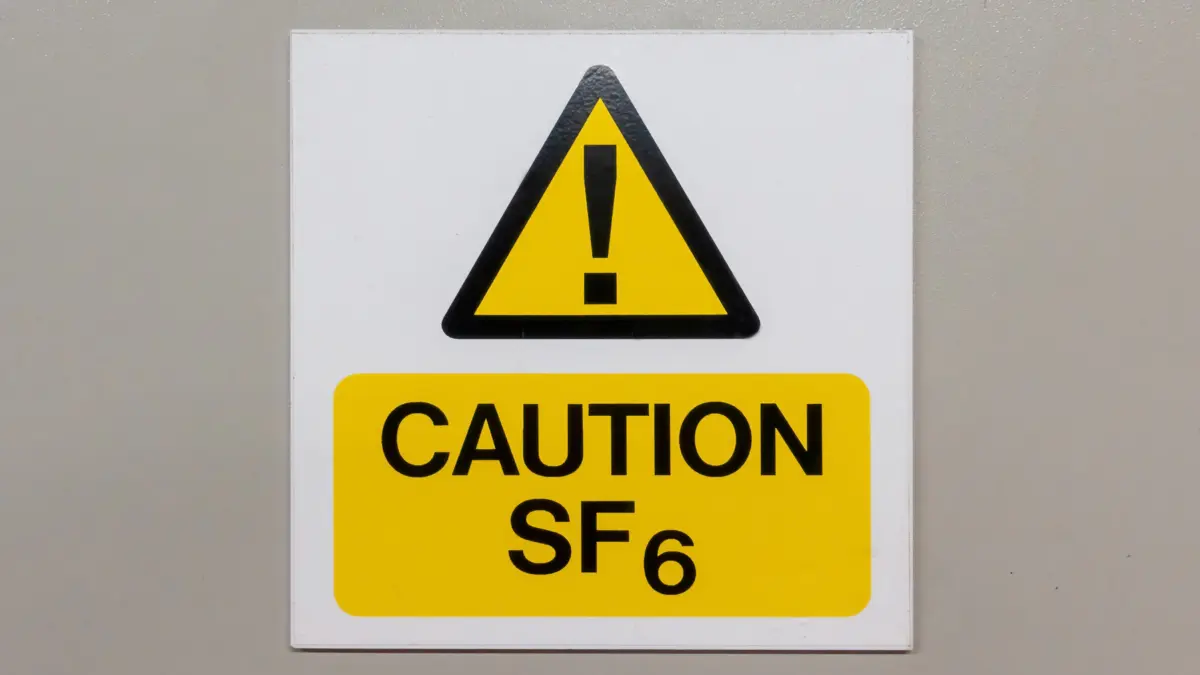
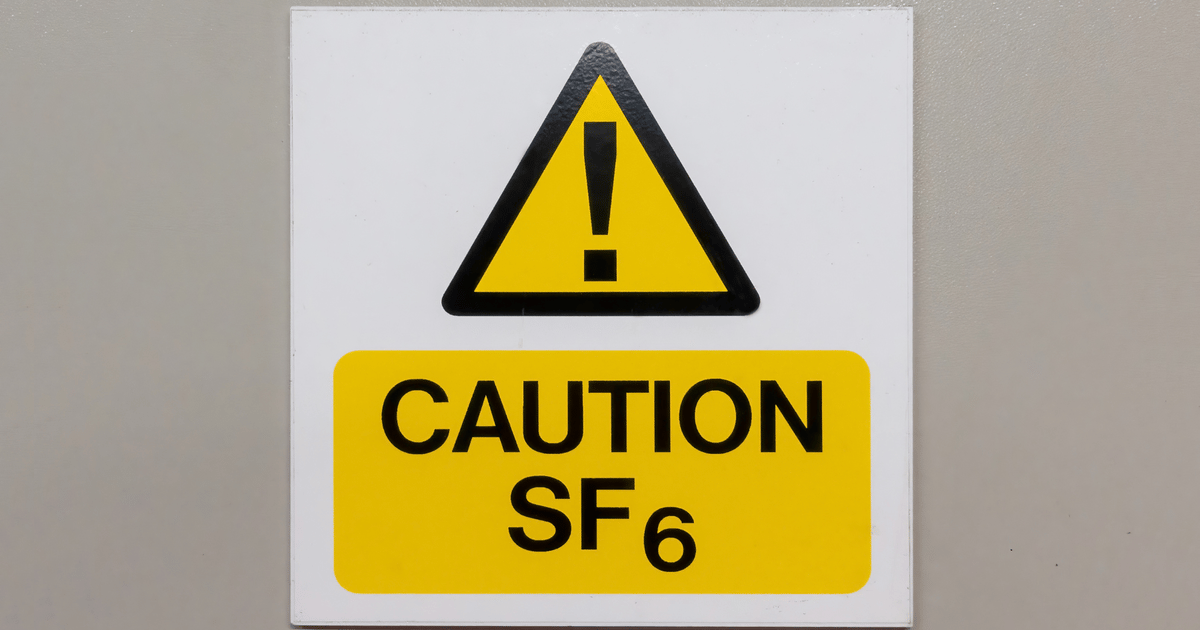
Sulfur hexafluoride (SF6)—a potent greenhouse gas and efficient electrical insulator—acts as a heavy asphyxiant. Under electrical arcing, SF6 decomposes into highly corrosive and toxic byproducts that settle in poorly ventilated sub-floors. Furthermore, clean-agent and inert-gas fire suppression systems rely on specific gas concentrations to extinguish fires in occupied spaces, creating complex tactical dilemmas if human personnel are trapped inside during activation.
5. Water Treatment and Chemical Skids
Corrosion control, humidification, and cooling tower management require aggressive chemical dosing. Familiar industrial substances like chlorine and cleaning agents pose severe toxicity risks. A stark historical precedent occurred in 2015 at an Apple data center in Maiden, North Carolina, where a spilled cooling-system cleaning chemical sent five maintenance workers to the hospital. Underlying nearly all of these chemical scenarios is a silent, creeping threat: rapid oxygen depletion.
Official Statements and Industry Insights
The convergence of massive power scaling and complex chemical inventories has forced industry watchdogs and safety engineers to rethink conventional data center management paradigms.
According to findings compiled by the Uptime Institute, power and cooling failures remain the leading drivers of significant data center outages. Cooling failures alone account for roughly 19% of all serious operational incidents, with more than half of these events carrying financial tolls exceeding $100,000 in downtime and remediation costs.
Safety experts emphasize that the distinction between a "safety incident" and an "availability incident" is purely semantic. In a modern 200-GW digital economy, an environmental or chemical failure is an availability failure.

Furthermore, industry analysts note that the rapid pace of retrofitting older facilities compounds the risk. Facilities originally engineered for conventional mechanical systems are now being retrofitted with lower-global-warming-potential (GWP) refrigerant blends—some of which are mildly flammable—alongside high-density liquid cooling loops running right past live server chassis. When these systems are packed into tightly sealed, pressure-managed building envelopes designed to optimize airflow for IT equipment, any accidental leak is trapped and concentrated rather than safely dispersed.
Future Outlook: Engineering a Safer Digital Infrastructure
As global data center development enters an unprecedented investment supercycle, mitigating these multi-layered chemical and electrical hazards requires a fundamental shift in facility management, sensor deployment, and operational culture. Industry specialists suggest several immediate structural interventions:
Consolidating Hazard Inventories
In many facilities, institutional knowledge is heavily siloed. Battery data resides exclusively with the UPS vendor, refrigerant volumes are stamped on chiller nameplates, suppression specifications sit within fire-safety binders, and water-treatment chemicals are managed by off-site third-party contractors. Creating a unified, real-time hazardous material inventory is a foundational step that must be prioritized and continuously updated.
Rethinking Gas Detection Architecture
A common engineering oversight is the poor placement of gas detectors. Too often, safety sensors are installed at standard human head-height simply because technicians can easily reach them for maintenance. However, gases like hydrogen rise rapidly, while refrigerants sink heavily into sub-floor trenches. Detection strategies must be tailored to the specific vapor density of each target substance.
Additionally, maintenance accessibility dictates safety longevity. If a gas sensor requires complex security clearance, administrative permits, and scheduled escorts to access, routine calibration inevitably slips. A detector can drift several percent off-specification over years of neglect while the compliance paperwork remains pristine.
Managing Maintenance Vulnerabilities
Data center disasters rarely stem from spontaneous, unprompted equipment breakdowns; rather, they frequently coincide with human intervention. The Daejeon fire and the Maiden chemical spill both occurred during scheduled maintenance windows intended to upgrade or service the facilities. Moving forward, operators must treat planned contractor work with the same rigorous hazard analysis applied to high-risk industrial plants.
Granular Room Categorization
Finally, facilities must treat individual internal spaces according to their specific environmental realities rather than the uniform roof they share. A high-voltage switchgear room, a chiller mechanical hall, and a lithium-ion battery enclosure pose completely distinct chemical, thermal, and electrical questions. They demand bespoke detection grids, tailored ventilation strategies, and customized emergency response protocols—ensuring that the digital fortresses powering our modern world remain as safe for the people who maintain them as they are reliable for the data they house.