






Executive Overview
In the rapidly expanding landscape of modern digital infrastructure, the twin pillars of global connectivity are data centers and telecommunications (telco) providers. Operating in such close geographic and operational proximity that they are frequently mistaken for one another by casual observers, these two distinct entities actually serve fundamentally different purposes within the technology stack.
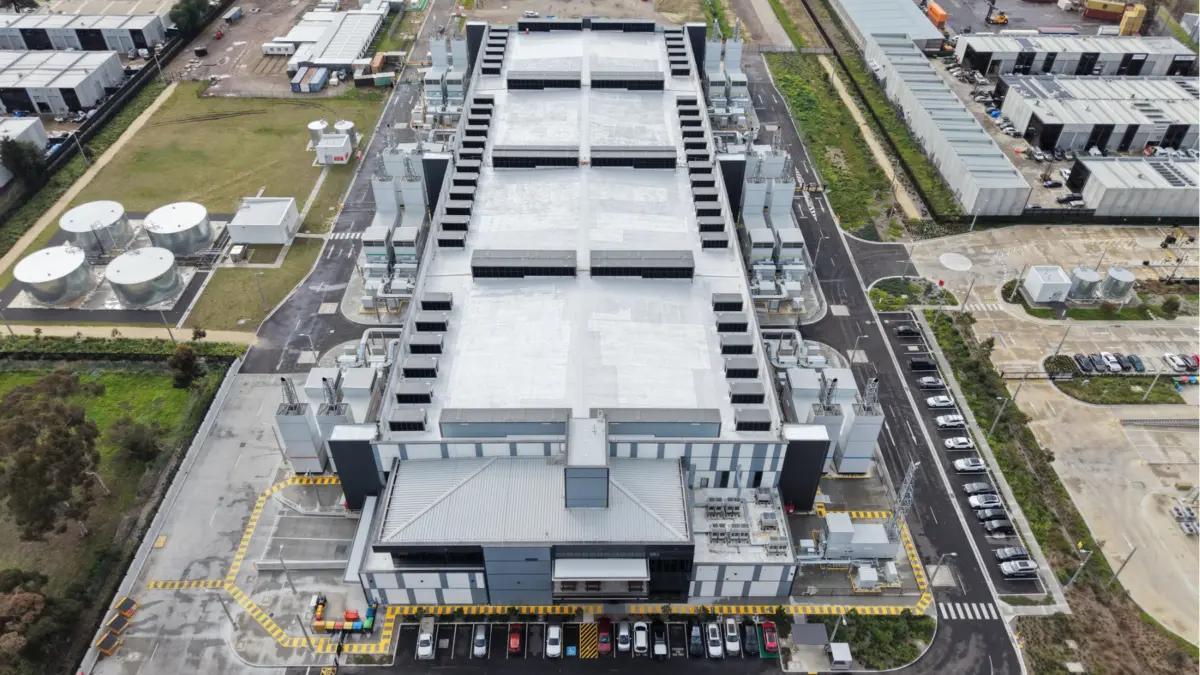
Data centers function as the secure, climate-controlled fortresses of the digital world. Their primary mission is to house, power, and cool the massive arrays of computing, storage, and networking equipment required to run everything from enterprise applications to generative artificial intelligence (AI) models. Conversely, telecommunications providers act as the digital highways. They build, maintain, and operate the intricate web of fiber-optic routes, cellular networks, switching centers, and routing protocols that transport data to, from, and between these computing hubs.
Understanding the delineation between these two sectors—as well as the critical points where their operations converge—is no longer merely an academic exercise for network engineers. As emerging workloads like artificial intelligence, machine learning, and cloud-native hyperscale operations strain traditional capacity limits, architects, enterprise leaders, and investors must recognize how data centers and telcos depend on one another. Without this symbiotic relationship, the modern internet, enterprise cloud computing, and the proliferation of real-time digital services would grind to a halt.
Detailed Chronology & Evolution of Digital Infrastructure
To fully appreciate the state of modern data centers and telecommunications networks, it is necessary to examine how these two industries evolved from disparate beginnings into tightly integrated co-dependencies.
The Era of Siloed Infrastructure (Pre-2000s)
In the early days of enterprise computing, the boundary lines were sharply drawn. Large corporations maintained localized "server rooms" on-premise, while telecommunications monopolies and legacy carriers managed copper and early fiber lines strictly for voice and basic data transmission (such as dial-up internet and enterprise WAN links). Data centers as commercial, multi-tenant facilities barely existed, and telecommunications companies viewed their networks strictly as conduits for voice traffic rather than pipelines for raw enterprise computation.
The Dot-Com Boom and the Birth of Colocation (Late 1990s – Early 2000s)
As the internet commercialized, the sheer volume of web traffic forced businesses to look beyond basic on-premise server closets. This era saw the genesis of the modern commercial data center, specifically the rise of colocation facilities. Companies like Equinix and Digital Realty emerged to offer neutral, highly secure environments where multiple enterprises could house servers. Crucially, these early data centers realized that proximity to telecommunications backbones was everything. Facilities were intentionally built near major carrier hotels—buildings where telecom networks natively interconnect—to ensure fast, reliable access to the public internet.
The Cloud Revolution and Hyperscale Expansion (2010s)
The emergence of public cloud providers—such as Amazon Web Services (AWS), Microsoft Azure, and Google Cloud—rewrote the rules of infrastructure. Instead of thousands of small enterprise server rooms, the market consolidated around massive "hyperscale" data centers. These facilities consumed acres of land and tens of megawatts of power. Concurrently, telecommunications providers underwent their own revolution, shifting away from legacy circuit-switched networks toward software-defined networking (SDN) and virtualized network functions (VNFs). This technological shift meant that telcos themselves needed data center real estate to host the virtualized computing engines powering their modern networks.
The AI Era and the Modern Interconnection Crisis (Present Day)
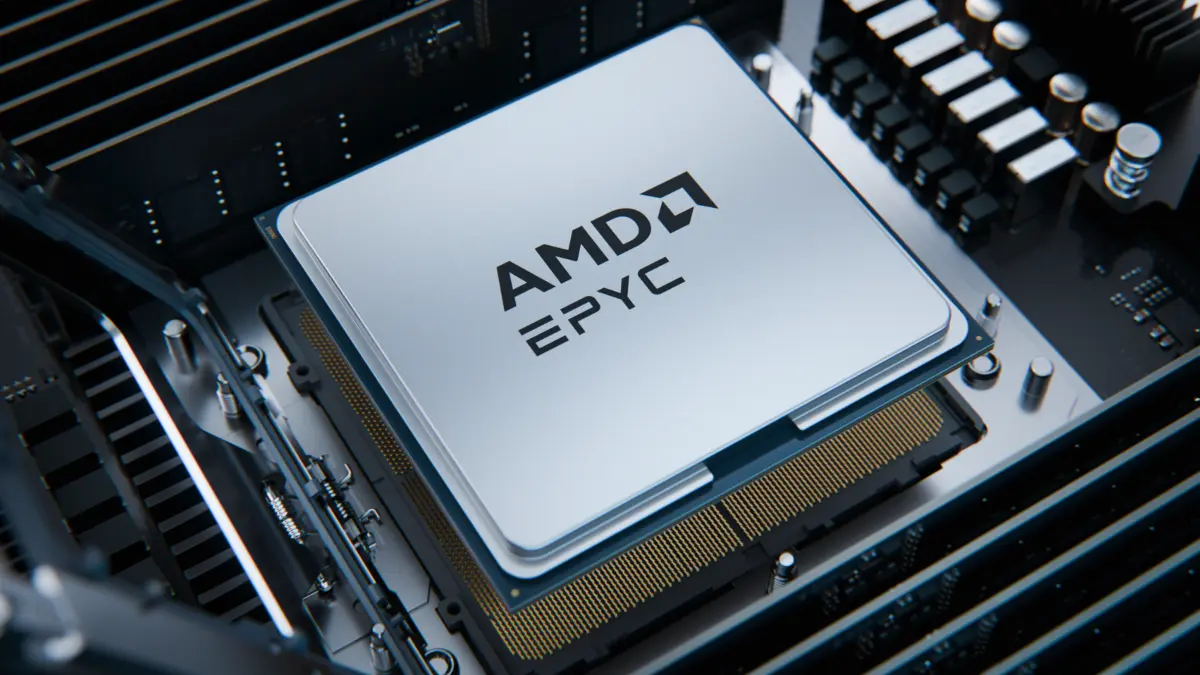
Today, the explosive growth of artificial intelligence and high-performance computing (HPC) has catalyzed an unprecedented infrastructure boom. Modern data centers are no longer just housing standard rack servers; they are deploying power-dense clusters of specialized AI accelerators (such as GPUs) that demand unprecedented levels of cooling and electrical capacity. Meanwhile, telcos are racing to upgrade their fiber routes and edge computing nodes to handle the massive data throughput required to feed these distributed AI models. The boundary lines between compute and connectivity have never been more blurred, underscoring an era of deep infrastructure convergence.
Inside the Modern Data Center: Architecture, Operations, and Business Models
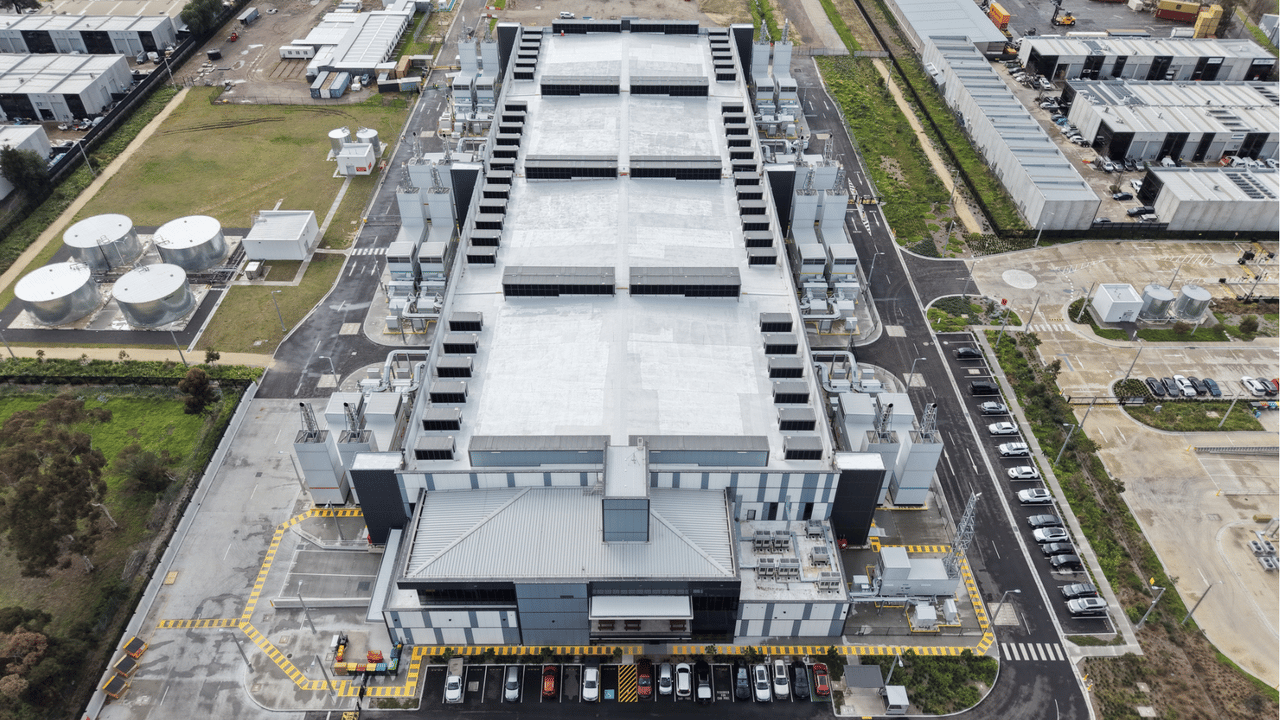
A modern data center is a marvel of industrial engineering. Ranging from massive hyperscale campuses featuring tens of thousands of servers to smaller edge facilities deployed in urban centers, these buildings are engineered from the ground up to guarantee continuous uptime and uncompromising security.
Core Architectural Requirements
To maintain the holy grail of "five nines" availability (99.999% uptime), data center operators must implement rigorous redundancy across all critical systems:
- Power Infrastructure: Facilities utilize dual utility power feeds, robust Uninterruptible Power Supply (UPS) battery banks, and industrial-grade diesel generators capable of sustaining operations indefinitely during a grid failure.
- Thermal Management: With server heat densities skyrocketing—particularly due to AI workloads—traditional air cooling is rapidly being supplemented or replaced by advanced liquid-cooling architectures, rear-door heat exchangers, and immersion cooling systems.
- Physical and Cybersecurity: Multi-layered physical security measures include biometric access controls, mantrap portals, 24/7 on-site security personnel, and rigorous video surveillance. Simultaneously, robust cybersecurity frameworks protect facility management systems from external digital intrusion.
Diverse Business Models
Data center operators serve the market through several distinct operational frameworks:
- Hyperscale Facilities: Massive, proprietary campuses owned and operated by major cloud providers or leased wholesale to single tenants to support vast cloud and AI ecosystems.
- Colocation Facilities: Multi-tenant environments where organizations rent floor space, racks, or private cages to house their own hardware while sharing infrastructure costs (power, cooling, physical security).
- Managed Data Centers: Facilities where the operator not only provides the physical environment and power but also manages the underlying hardware, operating systems, and routine IT maintenance on behalf of the customer.
How Telcos Deliver Connectivity: The Digital Arteries
While data centers provide the brainpower and storage capacity, telecommunications providers supply the nervous system. Telcos build, own, and operate the physical and virtualized network infrastructure that allows data to flow seamlessly across neighborhoods, nations, and continents.
Infrastructure Components
The telco arsenal encompasses several vital technological layers:
- Fiber-Optic Networks: Long-haul, metropolitan, and subsea fiber-optic cables that carry petabytes of data at the speed of light using pulses of laser light through glass strands.
- Switching and Routing Hardware: Core routers and edge switches that direct traffic packets along the most efficient pathways through the global network.
- Wireless and Mobile Networks: Cell towers, small cells, and 5G/6G infrastructure designed to connect mobile devices, IoT sensors, and remote enterprise locations to the wider digital grid.
Service Offerings
Telecommunications providers monetize their infrastructure by delivering a wide spectrum of connectivity services:
- Dedicated Internet Access (DIA): High-speed, uncontended internet connections tailored for businesses requiring symmetrical bandwidth.
- Multiprotocol Label Switching (MPLS) and Virtual Private Networks (VPNs): Secure, predictable wide-area network (WAN) links connecting enterprise branch offices to central data centers.
- Software-Defined WAN (SD-WAN): Agile, software-managed routing solutions that optimize traffic across multiple connectivity types (broadband, LTE, MPLS) in real-time.
Data Centers vs. Telcos: Core Differences at a Glance
| Feature/Metric | Data Centers | Telecommunications Providers (Telcos) |
|---|---|---|
| Primary Mission | To provide a secure, climate-controlled, highly available physical environment for computing, storage, and IT hardware. | To build, operate, and maintain network infrastructure that transports data between endpoints. |
| Primary Assets | Real estate, raised floors, power generation (generators/UPS), HVAC systems, physical security, racks, and server hardware. | Fiber-optic cables, cellular towers, routing and switching gear, spectrum licenses, and transmission facilities. |
| Core Value Proposition | Resilience, uptime, power density, scalability, physical/cyber protection, and ease of hardware deployment. | Low latency, global reach, high bandwidth, network reliability, and versatile connectivity options. |
| Primary Focus Areas | Compute capacity, storage efficiency, power management, and thermal dissipation. | Packet transmission, bandwidth velocity, route optimization, and signal coverage. |
Where They Intersect: The Synergy of Modern Infrastructure
Despite their differing operational mandates, data centers and telcos are fundamentally codependent. One cannot maximize its economic value without the other.
Data Centers Need Telco Connectivity
A data center devoid of connectivity is nothing more than an expensive, dark warehouse of silicon. The commercial value of any data center is directly proportional to the quality, diversity, and speed of its network options.
To satisfy enterprise tenants who demand low latency and high redundancy, data center operators pursue one of two strategies:
- Direct Procurement: The operator builds and manages its own diverse fiber paths into the facility, bundling network transit into the colocation offering.
- Carrier-Neutral "Meet-Me" Rooms (MMRs): The operator designs a neutral ecosystem where multiple independent telecommunications carriers and Internet Service Providers (ISPs) maintain a physical presence. Tenants can directly cross-connect to whichever telco best suits their performance, geographic, or financial requirements.
Telcos Run Data Centers for Network Operations
Conversely, telecommunications providers are massive consumers of data center real estate. Modern telecom networks have largely shed their legacy hardware-bound architectures in favor of software-defined networking, Network Functions Virtualization (NFV), and cloud-native control planes.
To manage traffic routing, orchestrate 5G core networks, and run operational support systems (OSS), telecom carriers require vast amounts of compute power. Consequently, telcos either operate their own specialized facilities or rent secure footprints inside carrier-neutral colocation data centers to house their routing servers and localized edge computing nodes.
Supporting Context & Industry Metrics
To contextualize the scale of this interdependent ecosystem, industry analysts point to several striking metrics:
- Power Consumption: Global data center electricity consumption continues to climb exponentially, driven largely by high-density AI clusters. Projections indicate that data centers could account for upwards of 8% to 10% of total global electricity demand by the end of the decade.
- Fiber Expansion: The rollout of 5G and the densification of edge data centers have accelerated global investment in fiber-optic infrastructure, with cumulative capital expenditures by telcos running into the hundreds of billions of dollars annually.
- Interconnection Bandwidth: According to recent market studies on global interconnection, enterprise private data exchange between data centers and network service providers is growing at a compound annual growth rate (CAGR) exceeding 40%, dwarfing the growth rate of the public internet.
Official Industry Perspectives
As the industry navigates this period of intense transformation, key stakeholders continue to emphasize the need for closer strategic alignment between real estate operators and network architects.
"The notion that you can build a state-of-the-art data center in a vacuum, ignoring local and regional network topologies, is a relic of the past," notes Dr. Elena Vance, Senior Director of Global Infrastructure Strategy at Nexus Technologies. "Today, compute and connectivity are two sides of the same digital coin. If your facility cannot natively support dense, multi-carrier interconnection and immediate access to low-latency fiber backbones, the underlying compute is effectively stranded."
Echoing this sentiment, Marcus Chen, Chief Technology Officer at Global Fiber Systems, highlights the transformation within the telecom sector itself: "Telcos are no longer just laying glass in the ground; we are actively moving our control functions into the data center ecosystem. The convergence of software-defined telecom and hyperscale compute means that our operational heartbeat is now hosted inside these facilities. We are deeply integrated partners in every sense of the word."
Future Outlook: The Next Decade of Infrastructure Convergence
Looking toward the horizon, several critical trends will shape the evolution of data centers and telecommunications providers:
- The Rise of Edge Computing and AI Proximity: As real-time applications—such as autonomous vehicles, industrial IoT, and augmented reality—demand ultra-low latency (sub-10 millisecond response times), data centers and telcos are collaborating to build thousands of distributed "edge" facilities. These micro-data centers are placed directly at the base of cell towers or within local telecom central offices.
- Co-Packaged Optics and Network Evolution: Traditional copper traces within servers are reaching their physical limitations. Emerging optical technologies, including co-packaged optics (CPO), promise to integrate fiber-optic connectivity directly onto server motherboards and switch application-specific integrated circuits (ASICs), further erasing the historical divide between internal server processing and external network transmission.
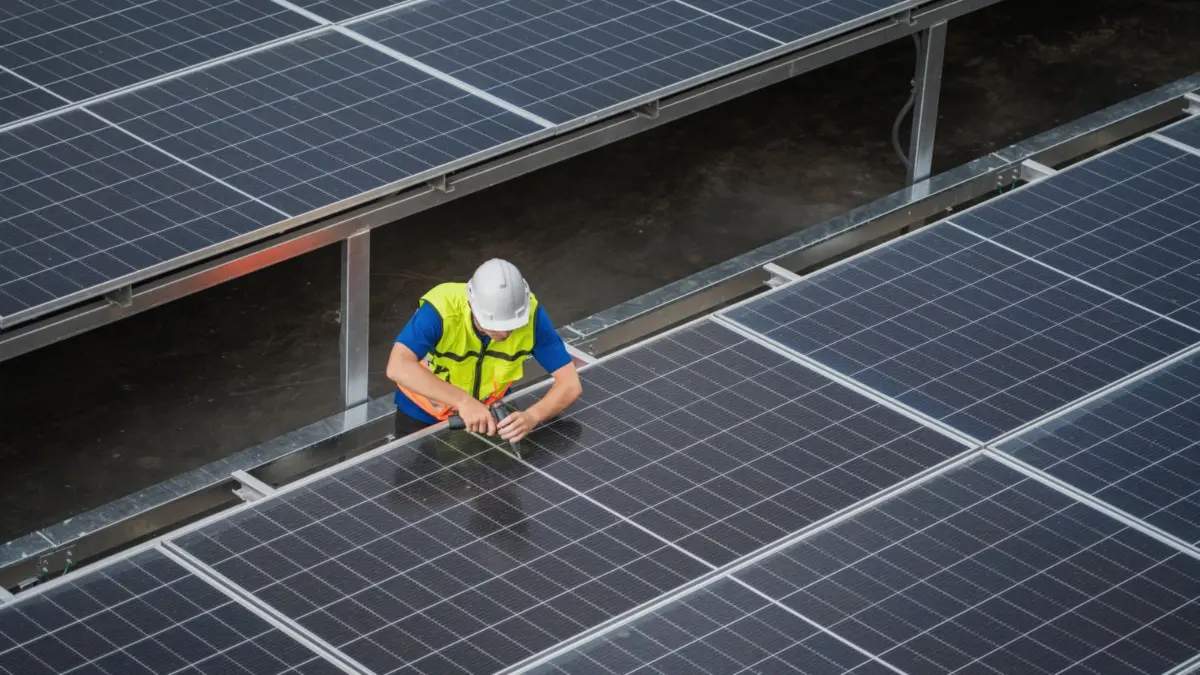
- Sustainability and Grid Integration: Both data center operators and telcos face intense regulatory and societal pressure to curb their carbon footprints. Future facilities will increasingly feature direct integration with renewable energy sources (such as dedicated small modular nuclear reactors, wind, and solar farms) alongside intelligent energy-storage systems managed cooperatively with regional power grids.
The Bottom Line
Data centers and telecommunications providers can no more exist independently of one another than the human brain can survive without the nervous system. While they serve structurally different functions—housing and processing data versus transporting it across vast distances—they are tightly, inextricably interdependent.
Conflating these two sectors obscures the complex engineering required to build, maintain, and scale modern digital infrastructure. By clearly distinguishing their unique roles while simultaneously recognizing the critical points where they intersect through carrier-neutral interconnection, enterprise leaders, network architects, and investors can better plan for the resilient, high-performance digital services of tomorrow.