Executive Overview
In an era defined by rapid technological integration, the landscape of social work has fundamentally transformed. Modern practitioners no longer rely solely on physical file cabinets and face-to-face interactions; instead, they navigate complex ecosystems of digital health records, telehealth platforms, encrypted messaging systems, and automated administrative tools. While these digital innovations have exponentially expanded access to critical social services, they have concurrently exposed vulnerable populations to unprecedented digital threats.
For the clients served by social workers—individuals already navigating crises, mental health challenges, economic hardship, or systemic marginalization—a data breach is not merely an administrative inconvenience. It represents a catastrophic violation of privacy that can exacerbate trauma, jeopardize employment, strain familial relationships, and inflict severe emotional distress. Consequently, information governance has evolved from a back-office compliance checkbox into a core clinical competency. Protecting client data is now inextricably linked to the core ethical obligation of "doing no harm."
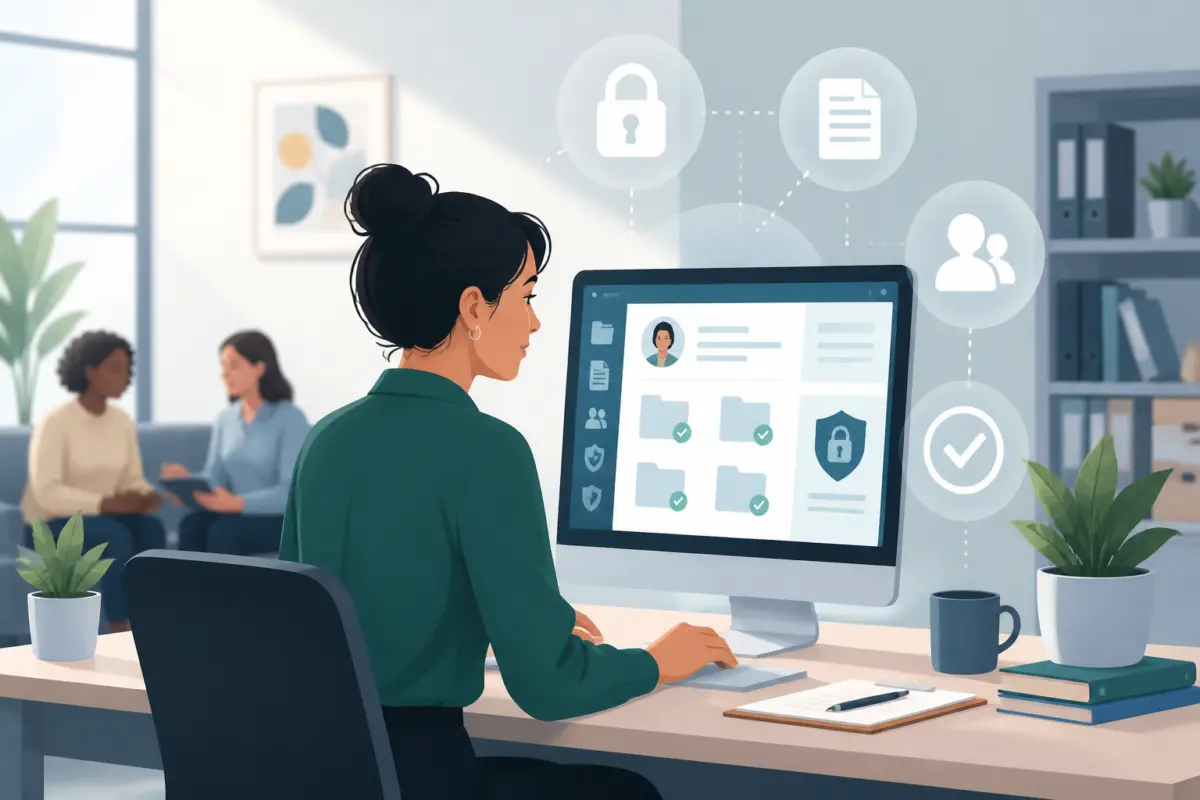
To effectively mitigate these escalating cyber risks, high-demand social work roles require the rigorous implementation of three foundational disciplines:
- The mandatory deployment of HIPAA-compliant, end-to-end encryption across all communication and storage vectors;
- A strict prohibition against utilizing consumer-grade artificial intelligence tools for drafting case notes or processing client profiles; and
- The uncompromising enforcement of explicit, documented consent protocols before sharing sensitive records with external parties.
By establishing absolute digital boundaries and maintaining absolute transparency with clients regarding data practices, modern practitioners can successfully bridge the gap between technological advancement and ethical stewardship.
Detailed Chronology: The Digital Evolution and Vulnerability Crisis in Social Work
To understand the current cybersecurity crisis facing the social services sector, one must examine how the profession’s relationship with technology has evolved over the past two decades.
Phase 1: The Paper Era and Physical Security (Pre-2010s)
Historically, social work confidentiality was maintained through physical controls. Case files were locked in metal filing cabinets within secure agency offices. Communication occurred via landline telephones or sealed postal mail. While breaches occurred—typically through physical theft or misplaced paper files—the scope and velocity of potential data exposure were inherently limited by the physical constraints of analog media.
Phase 2: The Push for Electronic Health Records (2010s)
Spurred by legislative incentives such as the Health Information Technology for Economic and Clinical Health (HITECH) Act, social work agencies and healthcare systems rapidly digitized their operations. Electronic Health Records (EHRs) were implemented to streamline care coordination, reduce redundancies, and improve longitudinal tracking of client outcomes. However, this digitization frequently outpaced the cybersecurity training and infrastructure of social services agencies, many of which operated on tight non-profit budgets without dedicated IT security personnel.
Phase 3: The Remote Work and Cloud Revolution (2020–2023)
The COVID-19 pandemic catalyzed an overnight shift toward telehealth, remote case management, and cloud-based document sharing. Social workers began managing complex caseloads from personal laptops, home Wi-Fi networks, and mobile phones. While this ensured continuity of care during lockdowns, it dramatically expanded the attack surface for cybercriminals. Personal devices intermingling with work applications created blind spots, leading to a surge in unencrypted data transmissions, phishing vulnerabilities, and accidental exposures.
Phase 4: The Generative AI Boom and Modern Threat Landscape (2023–Present)
Today, social workers manage high-volume caseloads while facing a barrage of sophisticated cyber threats. The rapid proliferation of consumer artificial intelligence tools—such as public large language models—has introduced a new vector of risk. Practitioners seeking relief from administrative burnout have increasingly turned to these technologies to summarize intakes or draft case evaluations, inadvertently leaking protected health information (PHI) onto vendor servers. Simultaneously, ransomware gangs and hostile state-sponsored actors have increasingly targeted healthcare and social service databases, recognizing the immense value and sensitivity of the data they hold.
Supporting Context & Metrics: The Scale of the Threat
The financial, operational, and human costs of failing to secure social work and healthcare data are staggering. Far from being isolated incidents, data breaches in the health and social services sectors represent a systemic vulnerability that demands immediate, industry-wide reform.
According to the comprehensive findings published in the IBM Cost of a Data Breach Report, the healthcare sector suffered an average breach cost of $7.42 million, ranking as the most expensive industry for data breaches for the twelfth consecutive year. These figures encompass not only direct financial losses from ransomware payouts and regulatory fines, but also the staggering costs of forensic investigations, legal defense, client notification services, and long-term reputational damage.
| Threat Vector | Mechanism of Exposure | Clinical & Financial Impact |
|---|---|---|
| Unencrypted Devices | Laptops left in vehicles, unsecured home Wi-Fi networks, or unencrypted USB drives storing client histories. | Full exposure of psychotherapy notes and intake files; risks massive HIPAA regulatory penalties and loss of licensure. |
| Consumer AI Tools | Pasting client psychiatric evaluations, names, or case summaries into public prompt bars (e.g., standard ChatGPT). | Immediate violation of federal privacy standards; data is retained on vendor servers and exposed to third-party review. |
| Digital Boundary Violations | Unauthorized or unwarranted browsing of client social media profiles without clinical justification or informed consent. | Destroys clinical rapport, introduces cognitive bias into assessments, and violates National Association of Social Workers (NASW) ethical codes. |
| Unauthorized Disclosures | Sharing client records with family members or external agencies without documented, explicit consent. | Destroys client trust, breaches statutory privacy frameworks, and invites civil litigation. |
The Mechanics of HIPAA-Compliant Encryption
To counter these threats, modern practitioners must understand the technical requirements of data protection. End-to-end encryption acts as a digital vault, scrambling client intake files and psychotherapy data into unreadable ciphertext during transmission. Without Advanced Encryption Standard (AES-256) encryption deployed across all storage drives, messaging tools, and email portals, a lost or stolen device instantly becomes a catastrophic breach vector.
Separating personal hardware from work systems is no longer optional. Social workers must recognize that checking work emails or reviewing case files on personal, unencrypted devices—even while on vacation—puts vulnerable clients directly in the crosshairs of cyber attackers.
The Danger of Public AI Programs
The temptation to utilize generative artificial intelligence to alleviate administrative burdens is understandable. Social workers routinely face crushing caseloads and exhaustive documentation requirements. However, consumer-grade AI tools transmit user prompts directly to vendor servers, where text is systematically saved, analyzed, and reviewed by human operators or utilized for model training.
Entering client details into these programs constitutes an immediate, unmitigated breach of professional confidentiality. As noted by the National Association of Social Workers (NASW) Code of Ethics, practitioners must maintain absolute zero-tolerance for disclosing protected records to unauthorized external platforms. Organizations wishing to leverage automation must adopt strictly vetted enterprise tools that feature ironclad zero-retention agreements and HIPAA Business Associate Agreements (BAAs).
Official Statements and Ethical Frameworks
Professional governing bodies and legislative frameworks worldwide have codified strict boundaries to protect client privacy in the digital age. These standards leave no room for ambiguity regarding the responsibilities of modern practitioners.
The National Association of Social Workers (NASW) Code of Ethics
The NASW Code of Ethics provides definitive guidance on electronic privacy, digital boundaries, and information governance:
- Standard 1.07 (Privacy and Confidentiality): Social workers should respect clients’ right to privacy and protect their confidentiality. They should not solicit private information from or about clients except for compelling professional reasons. Furthermore, standard 1.07 prohibits gathering client information electronically without informed consent, unless justified by an immediate emergency (such as an imminent threat of self-harm or harm to others). Looking through a client’s private social media posts out of idle curiosity or without clinical justification is a direct violation of professional ethics that risks introducing severe bias into clinical assessments and shattering therapeutic trust.
- Prohibition of Deceptive Tactics: Ethical practice explicitly forbids social workers from utilizing deceptive online methods—such as creating fake social media profiles to monitor or contact clients.
International and State Statutory Frameworks
Data protection is not merely an internal agency policy; it is a matter of statutory law backed by severe legal penalties.
- The Health Insurance Portability and Accountability Act (HIPAA): In the United States, HIPAA mandates rigorous administrative, physical, and technical safeguards to protect electronic protected health information (ePHI). Non-compliance can result in severe civil monetary penalties and criminal charges.
- The UK Data Protection Act 2018: Across international jurisdictions, such as in the United Kingdom, practitioners managing sensitive personal data must identify a defined lawful basis before processing information. The regulatory framework establishes confidentiality as the absolute default rule, permitting data sharing only when strict statutory safety exemptions apply.
Future Outlook: The Intersection of Automation, Trust, and Security
As the social work profession continues to evolve, the integration of technology is destined to accelerate rather than recede. The future of clinical social work will unquestionably involve more automated systems, predictive analytics, and digital care coordination platforms, not fewer.
However, this technological trajectory demands a paradigm shift in how the sector approaches risk management. Protecting vulnerable populations requires treating information security not as an afterthought or an administrative burden, but as a primary duty of care.
To build a resilient future, the social work sector must embrace several key forward-looking strategies:
- Proactive Client Communication: Social workers can alleviate client anxiety by establishing transparency early. Providing a clear, written privacy notice during the initial intake session—explaining exactly how case notes are stored, who has access to them, and what digital tools are utilized—establishes trust immediately.
- Mandatory Cybersecurity Training: Educational institutions and social work agencies must integrate robust information governance, threat recognition, and data privacy modules directly into professional curricula and ongoing continuing education programs.
- Vetted Enterprise Software Adoption: Agencies must invest in secure, purpose-built enterprise software that complies with federal and international privacy regulations, ensuring that automation tools support—rather than compromise—ethical clinical practice.
Ultimately, the preservation of human trust depends upon rigid adherence to data governance standards. By proactively securing digital boundaries, refusing unvetted consumer technologies, honoring explicit consent protocols, and treating client data with the utmost reverence, modern social workers can successfully harness the power of technology while fiercely protecting the dignity, safety, and privacy of the individuals they serve.