Executive Overview
The digital marketing landscape is undergoing a profound structural shift. For years, brands looking to capture the attention of digital-native consumers faced a stark economic reality: partnering with established social media influencers required exorbitant budgets, complex talent management, and exhaustive contract negotiations. Traditional advertising playbooks, meanwhile, suffered from banner blindness and diminishing returns.
Enter Noise, an innovative marketing platform bridging the gap between brands and everyday content creators. By bypassing traditional, high-cost mega-influencers and instead mobilizing everyday smartphone users—regardless of their follower counts—Noise has engineered a streamlined ecosystem where brands can deploy thousands of simultaneous campaigns at a fraction of standard market costs.
In a major validation of this model, Noise announced a $5.5 million seed funding round on Wednesday. Led by Capital Midwest, M25, and Grishin Robotics, with additional participation from Capitalize VC and high-profile operators from companies like DoorDash, this latest influx brings the startup’s total capital raised to $7.2 million.
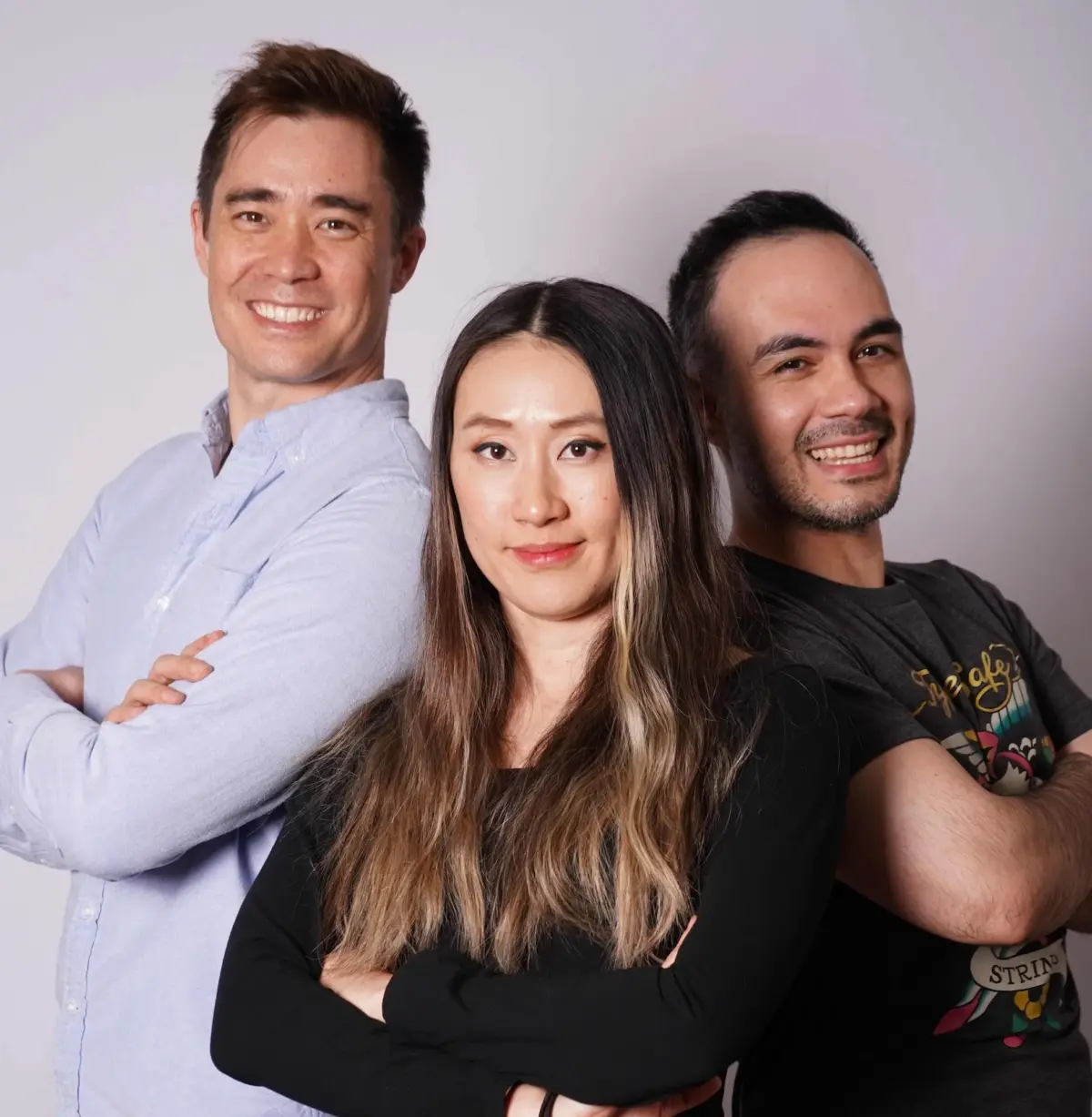
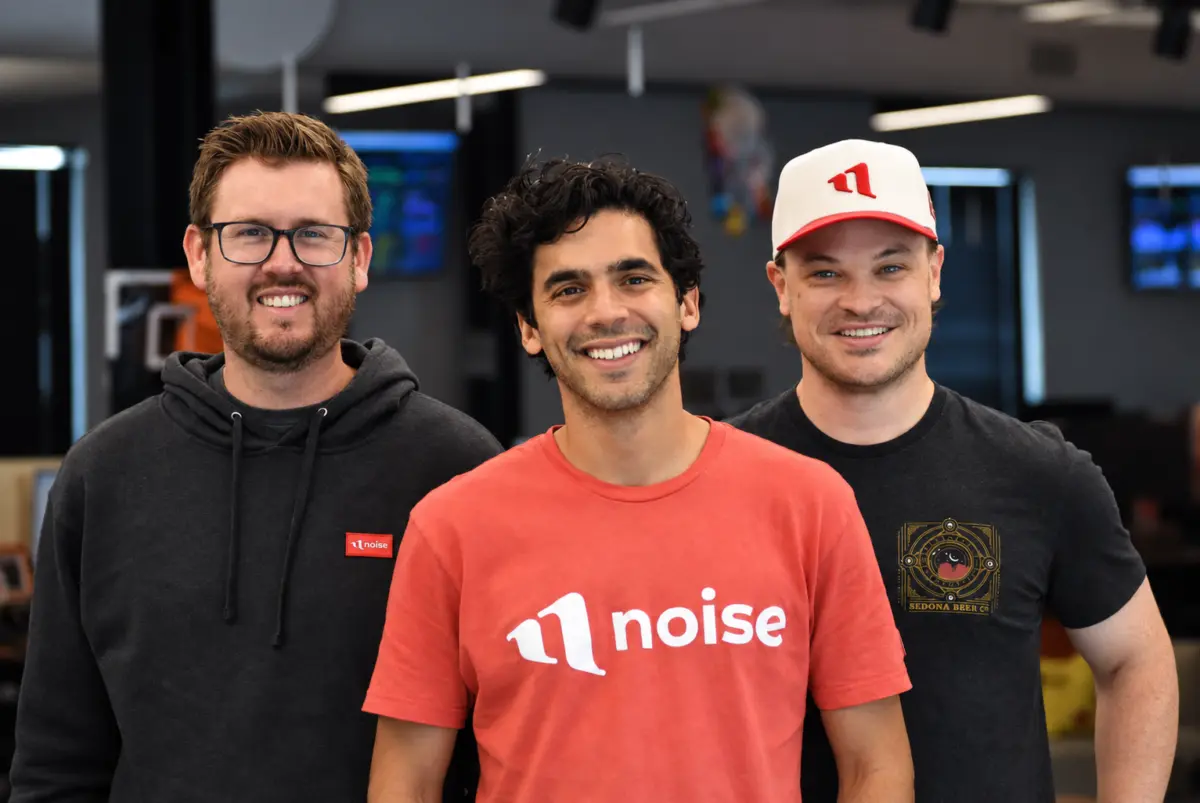
Founded in 2025 by Diego Kafie, Stu Feldt, and Nic Weber, Noise has quickly scaled to boast an astonishing 1.5 million creators on its platform. As the creator economy booms—fueled by statistics showing that over 57% of Generation Z aspire to become influencers—Noise is positioning itself as both a cost-effective growth engine for emerging brands and an accessible on-ramp for ordinary people looking to monetize their digital presence.
Detailed Chronology: From Scrappy Gaming Startup to Venture-Backed Disrupter
The genesis of Noise did not happen in a vacuum; it was forged out of necessity, experimentation, and entrepreneurial grit.
The Playbite Era (2023–2024)
Before conceptualizing Noise, co-founders Diego Kafie, Stu Feldt, and Nic Weber spent two years building and scaling a mobile gaming application called Playbite. Like many early-stage consumer tech startups, Playbite operated on a lean, scrappy budget. Acquiring users through conventional paid acquisition channels proved financially taxing and unsustainable for long-term growth.
Faced with these budgetary constraints, the founding trio began experimenting with unconventional creative marketing strategies. Rather than outsourcing promotion to expensive, established social media influencers, they decided to cultivate their own grassroots marketing force.
They started small, recruiting just five gamers and teaching them the fundamentals of producing engaging social media content that promoted the Playbite application. The results were immediate and staggering.
- Scaling Up: The founding team expanded the cohort to 10, then 25, then 100 people.
- The Viral Loop: Before long, Playbite’s app installs were skyrocketing. This decentralized "army" of everyday users flooded platforms like TikTok with authentic, daily content highlighting mobile games and the Playbite app.
- The Economic Advantage: Because these creators were everyday people learning content creation from scratch, the strategy cost a fraction of traditional marketing playbooks. Hiring established influencers with large followings and built-in clout would have instantly depleted the startup’s capital.
The Birth of Noise (2025)
Recognizing that they had accidentally stumbled upon a universal blueprint for scalable, low-cost user acquisition, Kafie, Feldt, and Weber decided to productize their internal growth engine. In 2025, they officially launched Noise.
The platform was designed to solve a dual-sided market failure: brands desperately needed authentic, high-volume content without the operational overhead of traditional agencies, while millions of everyday social media users lacked the blueprint or opportunity to break into the lucrative creator economy.
By automating creator onboarding, brief distribution, and performance tracking, Noise eliminated the logistical friction that usually plagues influencer marketing. Brands could now launch and manage campaigns spanning thousands of creators simultaneously.
The $5.5M Seed Round (Wednesday)
Building on rapid initial adoption, Noise reached a critical corporate milestone on Wednesday by announcing its $5.5 million seed round. Spearheaded by institutional heavyweights Capital Midwest, M25, and Grishin Robotics—and bolstered by strategic angel investors from DoorDash and Capitalize VC—the funding elevates Noise’s cumulative venture capital backing to $7.2 million. The company plans to channel this fresh capital directly into expanding its core product capabilities and scaling its internal team.
Supporting Context & Metrics: Navigating the Modern Influencer Boom
To fully appreciate the disruptive market timing of Noise, one must examine the broader socio-economic and digital trends defining the contemporary media landscape.
The Generational Shift Toward Creation
The aspiration to work in digital media is no longer a niche career path; it has become the dominant vocational dream for modern youth. Recent industry data compiled by outlets like CNBC reveals a striking cultural reality:
- Over 57% of Generation Z actively express a desire to become full-time or part-time influencers.
- Just over 40% of U.S. adults overall report wanting to participate in the creator economy.
Despite this overwhelming supply of aspiring creators, the barrier to entry has historically been punishingly high. Algorithm shifts, the pressure to maintain constant output, and the financial demands of high-production-value gear make breaking into the traditional influencer tier exceptionally stressful and time-consuming. Noise addresses this friction head-on by democratizing access to content creation for anyone with a smartphone.
The Competitive Landscape
Noise is not operating in a complete vacuum; it belongs to a new wave of "content creator infrastructure" companies—such as Billo and JoinBrands—that seek to transactionalize and streamline user-generated content (UGC). However, Noise distinguishes itself through its pay-per-view monetization model and its focus on rapidly scaling everyday consumers into proficient micro-marketers.
Current Market Traction
- Creator Base: 1.5 million registered creators currently utilize the Noise app.
- Top-Tier Earnings: According to CEO Diego Kafie, the platform’s most successful creators pull in more than six figures a year.
- Target Audience (Brands): The platform’s primary early adopters are mobile app developers and startups operating on lean marketing budgets who require rapid, diversified customer acquisition.
- Business Model: Rather than charging flat upfront retainers, Noise operates on a performance-aligned revenue model, taking a platform fee from what brands pay out to creators once verified views are successfully delivered.
Official Statements & Platform Mechanics
To understand how Noise operates on a granular level, it is essential to look at the mechanics of the platform through the lens of its leadership.
Democratizing Content Creation
In an interview discussing the platform’s core philosophy, CEO Diego Kafie emphasized that the overarching goal is to make digital monetization universally accessible.
"By democratizing ‘becoming a creator’ to literally anyone with a smartphone," Kafie noted, "we’re bringing costs down for brands, but enabling millions of people to make their first dollar on the internet."
When a user downloads the Noise application, they do not simply start posting blindly. Instead, they complete Noise creator training modules. These structured educational units teach novices how to conceptualize, shoot, and edit compelling content tailored specifically for commercial brands.
- The Tiered System: Upon completing initial training modules, new users gain access to foundational brand campaigns. As they successfully deliver views and build a proven track record within the ecosystem, they unlock higher-paid opportunities and more complex campaigns.
- Agency-Free Autonomy: Addressing concerns regarding creator compensation and agency exploitation, Kafie pushed back against the notion that the platform underpays creators. Brands establish their campaign rates transparently, and creators retain the ultimate autonomy to accept or decline offers. Kafie framed Noise as a liberating alternative to the grueling grind of independent content creation.
The Mechanics of "On-Autopilot" Scaling
For brands, the value proposition rests on operational simplicity. Marketing departments upload their creative briefs and allocate a campaign budget directly into the Noise platform. From there, the software handles the rest.
"Our top brands work with several thousand creators on autopilot," Kafie explained.
By deploying campaigns simultaneously across thousands of micro-creators, brands bypass the administrative nightmares associated with sourcing individual talents, managing disparate communications, and processing fragmented invoices.
Furthermore, Kafie highlighted the strategic advantages for companies seeking broad demographic reach:
"They are the most interested in reaching a really wide range of potential customers, making them the prime users for something like Noise, where they can easily recruit a small army of people to become their biggest users and advocates. This gives brands an unprecedented level of content diversity and reach at a fraction of the cost of traditional marketing playbooks."
The Launch of the "Organic-to-Ads" Program
Concurrent with its funding announcement, Noise unveiled its newest feature: the Organic-to-Ads program.
Historically, user-generated content created through platforms like Noise lived and died on the organic feeds of the creators. Under the new program, brands can seamlessly take the organic video assets produced by Noise creators and amplify them by pumping paid advertising spend behind them on major digital networks like Meta and TikTok.
"The creators still post to platforms," Kafie explained. "Pero in addition, the brands can now put paid ads spend behind those creatives to reach more people."
This hybrid strategy bridges the gap between organic grassroots authenticity and targeted performance marketing, giving brands immediate leverage to scale winning creative concepts globally.
Future Outlook: Scaling Beyond Startups
As Noise absorbs its $5.5 million seed injection and accelerates its hiring roadmap, the company’s long-term vision extends far beyond its current stronghold among mobile app startups.
Expanding Market Verticals
While mobile applications and early-stage ventures represent the vast majority of Noise’s current client roster due to their need for aggressive, agile customer acquisition, the startup’s ultimate ambition is to court enterprises of all sizes. As legacy consumer brands grapple with declining trust in traditional celebrity endorsements and expensive television spots, the authentic, peer-to-peer validation provided by platforms like Noise becomes an increasingly attractive alternative.
The Future of Digital Labor
By transforming everyday consumers into active corporate brand advocates, Noise is tapping into a fundamental democratization of the digital economy. As traditional employment structures evolve and more individuals seek flexible, app-based digital income streams, platforms that lower the barrier to entry for content creation will likely dictate the next decade of digital commerce.
For Noise, the challenge ahead will be maintaining quality control and creator engagement across a rapidly expanding user base of 1.5 million individuals (and counting). However, armed with fresh capital, institutional backing, and an innovative product roadmap that now spans both organic creation and paid ad amplification, Noise is exceptionally well-positioned to permanently alter how brands and everyday people interact in the digital marketplace.