Executive Overview
In the fast-moving and often contentious landscape of modern social media, few corporate transformations have been as abrupt or polarizing as Elon Musk’s dismantling of the original Twitter brand in favor of "X." When Musk systematically discarded the iconic blue bird logo, the familiar nomenclature, and decades of entrenched cultural capital, he left behind more than just a disoriented user base—he left behind a trail of abandoned intellectual property.
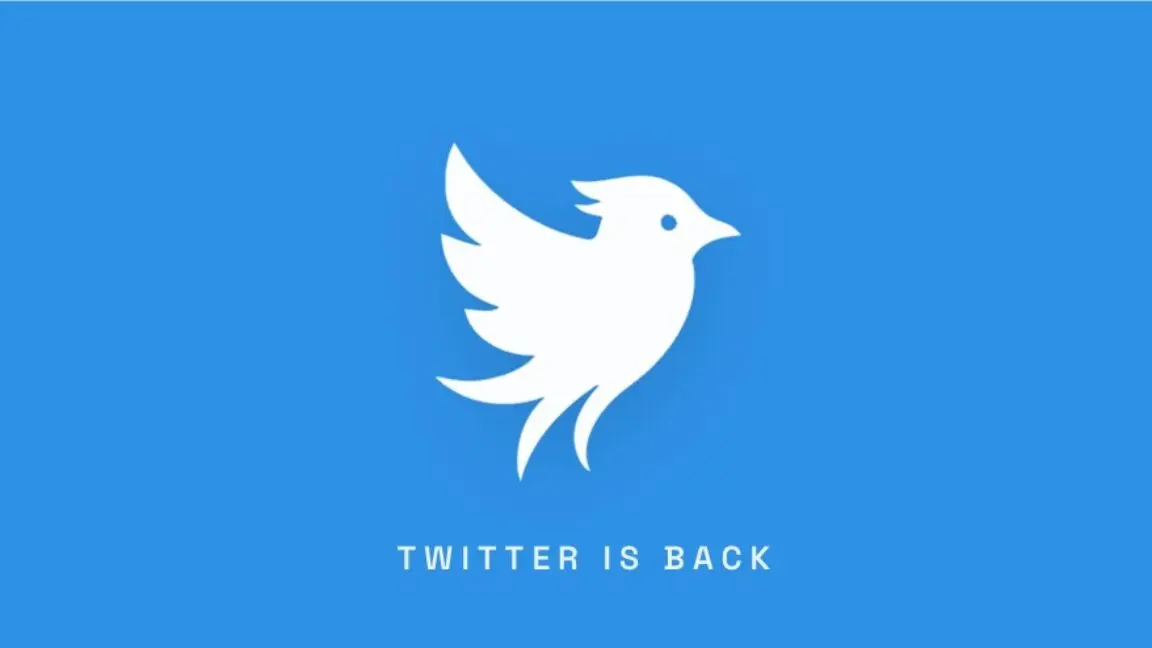
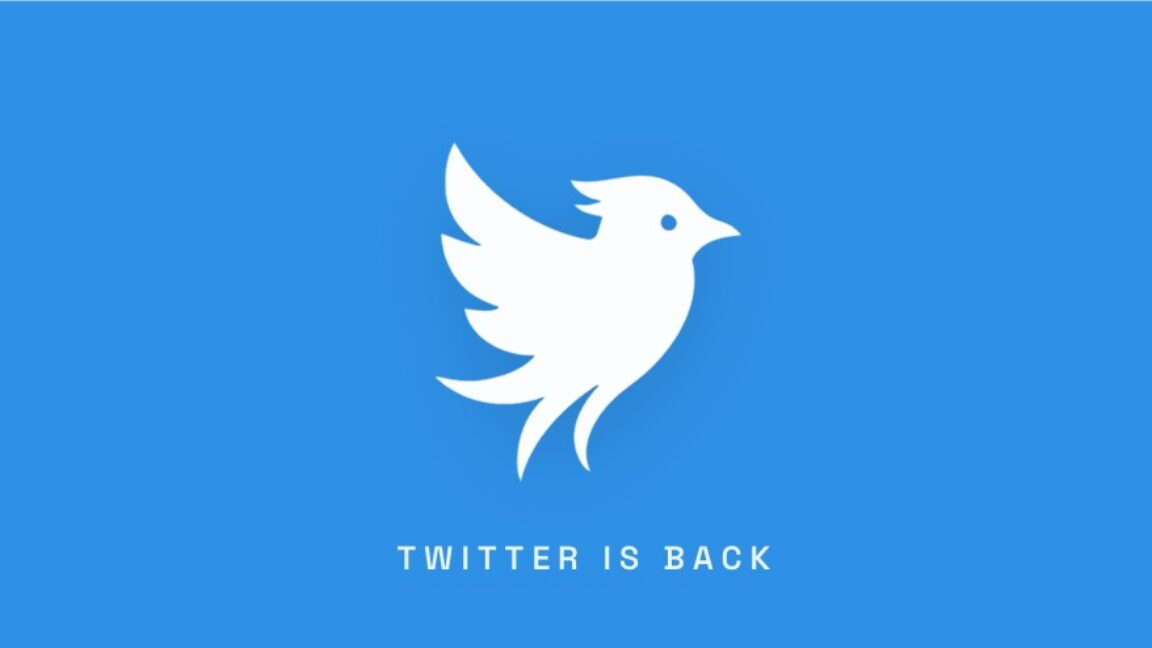
Enter Operation Bluebird, Inc., a newly emerged entity that has seized upon what it perceives as corporate negligence. Operating under the domain twitter.now, this fledgling platform has explicitly picked up the discarded identity of the old social media giant, promising a return to form while fundamentally altering the technological underpinnings of the traditional microblogging experience. The platform’s creators describe their mission with deliberate clarity on their landing page: "Operation Bluebird, Inc. picked up the name X Corp. walked away from and is rebuilding it on trust, in your browser at twitter.now. We are not X, and we are not affiliated with X Corp."
While currently operating in its nascent stages with a modest user base numbering in the hundreds, Twitter.now is already making waves across the tech sector. By offering a familiar interface complete with traditional replies and retweets, the platform invites early adopters back to a digital ecosystem that looks and feels like the Twitter of old. However, beneath this nostalgic veneer lies a radical modernization: an automated, real-time fact-checking engine powered by Google’s Gemini AI.
Dubbed "Vera," this integrated veracity engine represents a bold attempt to solve the monetization and moderation crises that have plagued modern social networks. By attempting to decouple user engagement from viral misinformation, Operation Bluebird is positioning itself as a conscientious alternative to algorithmic radicalization. Yet, this high-stakes venture walks a precarious legal tightrope. Trademark experts warn that while the platform’s founders may possess a legally defensible theory regarding trademark abandonment, poking a corporate titan like X Corp—and its owner, Elon Musk—is a high-risk gambit guaranteed to trigger an aggressive legal response.
Detailed Chronology and Platform Mechanics
The Rebirth at Twitter.now
The genesis of Twitter.now began long before the domain went live, taking shape in the legal grey zones created when X Corp. transitioned its branding away from the legacy Twitter assets. For months, trademark observers watched as independent entities maneuvered around the corporate vacuum left by Musk’s rebranding efforts. Operation Bluebird, Inc. crystallized these ambitions, transforming theoretical legal arguments into a functional, live application.
At present, Twitter.now remains in an invitation-only or early-access phase, hosting a tight-knit community of hundreds of pioneers. Upon logging into the web-based client at twitter.now, users are greeted by an interface that deliberately evokes the golden era of microblogging. The layout prioritizes chronological timelines, straightforward thread structures, and the familiar mechanics of replies, reposts, and likes. There is a calculated absence of the aggressive algorithmic feeds and paid-verification priority systems that currently dominate X.
Meet "Vera": The Gemini-Powered Veracity Engine
The crown jewel of Twitter.now’s technical architecture is not its user interface, but its radical approach to information integrity. Integrated directly into the fabric of the platform is an automated fact-checking feature powered by Google’s Gemini AI model. Named "Vera," this tool functions as a real-time veracity engine designed to analyze every piece of content published on the network.
During recent stress tests, platform stakeholder Coates demonstrated Vera’s capabilities by publishing intentionally spurious historical claims, such as the declaration that "George Washington was our second president." Within moments of publication, Vera intervened, providing contextual corrections and flagging the inaccuracy directly beneath the post.
Unlike traditional community-driven moderation models—such as Twitter/X’s "Community Notes," which rely on crowdsourced contributions and voting consensus—Vera operates autonomously and instantaneously. This algorithmic approach aims to preemptively curb the spread of viral falsehoods before they can achieve escape velocity across the network.
Supporting Context and Strategic Philosophy
Freedom of Speech vs. Freedom of Reach
The philosophical cornerstone of Operation Bluebird is articulated through a carefully nuanced distinction between expression and amplification. In recent interviews and public statements, the platform’s leadership has sought to distance themselves from the absolutist moderation philosophies championed by platforms like X, while still safeguarding core tenets of open dialogue.
"Our first goal is to see if we can truly bring back a town square that’s safer and less harmful," platform representatives noted during initial stress testing. This sentiment encapsulates the central design philosophy of Twitter.now.
The core mantra guiding the platform’s architects is succinct: "We say freedom of speech and not freedom of reach."
In practical terms, this means that while users retain the autonomy to express diverse opinions, the platform’s underlying architecture is deliberately engineered to withhold financial and algorithmic incentives from sensational, harmful, or verifiably inaccurate content. By breaking the feedback loop that ties viral outrage to platform monetization and engagement metrics, Operation Bluebird hopes to foster a more deliberate, less toxic discourse.
Legal Analysis and Trademark Dynamics
The "Chutzpah" of Operation Bluebird
While the technological and philosophical frameworks of Twitter.now are generating cautious optimism among digital safety advocates, the legal landscape surrounding the venture is fraught with hazard.
To evaluate the viability of Operation Bluebird’s strategy, Ars Technica consulted Josh Gerben, a prominent Washington, D.C.-based trademark attorney who has closely monitored the unfolding situation. According to Gerben, the legal theory underpinning the venture—namely, that X Corp. legally abandoned the "Twitter" trademark when it pivoted entirely to the "X" brand—is theoretically workable, but far from a guaranteed win in a court of law.
"I would say that there’s an element of chutzpah to do this, and they’re going to get the best fight that X has," Gerben stated.
For months, legal analysts have debated whether a corporation can completely discard a globally recognized trademark without relinquishing its legal protections under United States trademark law. Abandonment claims typically require proof of non-use coupled with an intent not to resume use. While X Corp. removed nearly all outward-facing branding associated with the Twitter name from its primary operations, the company’s legal counsel has maintained aggressive postures regarding its intellectual property portfolio.
Escalation and the Inevitable Counter-Offensive
The launch of the live platform at twitter.now marks a dramatic escalation in what was previously a bureaucratic skirmish over trademark filings. By moving from theoretical filings to an operational website actively servicing the public, Operation Bluebird has forced the hand of X Corp.’s legal team.
"It was one thing to file the trademark application; now that they’ve launched, there will be another response from [X Corporation]," Gerben observed. "They’ve really upped the ante now. It’s a really interesting escalation of the case. Go put another round of popcorn in the microwave!"
As of press time, neither X Corporation, its owner Elon Musk, nor Andrew Mayo—one of X’s primary legal representatives—have immediately responded to requests for comment from media outlets regarding the launch of Twitter.now or the utilization of the abandoned branding.
Official Statements and Industry Reception
The tech community’s reaction to the emergence of Twitter.now has been characterized by a mixture of fascination, skepticism, and anticipation. Industry analysts note that while historical attempts to recreate defunct social media platforms (such as post-acquisition migrations to Mastodon, Bluesky, or Threads) have met with varying degrees of success, none have attempted to explicitly commandeer the exact brand identity and real-time verification mechanisms in quite this fashion.
| Entity / Stakeholder | Stated Position / Action | Key Significance |
|---|---|---|
| Operation Bluebird, Inc. | Launched twitter.now, utilizing abandoned trademark assets. | Rebuilding a nostalgic interface backed by modern AI verification. |
| Platform Leadership (Coates) | Advocating for "freedom of speech, not freedom of reach." | Attempting to decouple viral engagement from harmful misinformation. |
| Josh Gerben (Trademark Attorney) | Noted the "chutzpah" of the move and predicted fierce pushback. | Highlights that the abandonment theory is plausible but legally perilous. |
| X Corp. / Elon Musk | No official comment issued to date. | Awaiting anticipated litigation or legal countermeasures. |
Future Outlook
As Twitter.now steps out of the shadows and opens its virtual doors to an initial cohort of users, the coming weeks will likely prove decisive for Operation Bluebird, Inc.
The immediate challenges facing the platform are twofold. Technologically, the team must prove that Vera, their Gemini-powered veracity engine, can scale effectively without introducing systemic bias, censorship concerns, or latency issues that could frustrate users. Fact-checking at scale in real time remains one of the most intractable problems in computer science, and any missteps by Vera will be ruthlessly scrutinized by the broader tech ecosystem.
Legally, the shadow of X Corp. looms large. Whether X Corp. chooses to file an immediate trademark infringement lawsuit, pursue domain seizure actions, or issue aggressive cease-and-desist mandates will shape the trajectory of Operation Bluebird. If the startup can successfully defend its legal theory in court, it could establish a fascinating precedent regarding corporate brand abandonment in the digital age. Conversely, the vast legal and financial resources of Elon Musk’s corporate apparatus present an existential threat to a company currently operating on a nascent scale.
For now, the digital world watches as a ghost is coaxed back to life within a browser window. Whether Twitter.now represents a sustainable blueprint for the future of civil online discourse or a brief, legally fraught footnote in social media history remains to be seen. One thing is certain: the popcorn is in the microwave, and the legal battle is just beginning.