Executive Overview
In an ongoing effort to streamline the user experience for digital marketers, media buyers, and brand strategists, Pinterest has announced a comprehensive update to its Ads Manager interface. The visual bookmarking and discovery platform has officially renamed several core campaign objectives. This strategic pivot is designed to eliminate industry jargon, reduce friction during campaign setup, and create a more intuitive workflow that directly maps marketing terminology to tangible business outcomes.
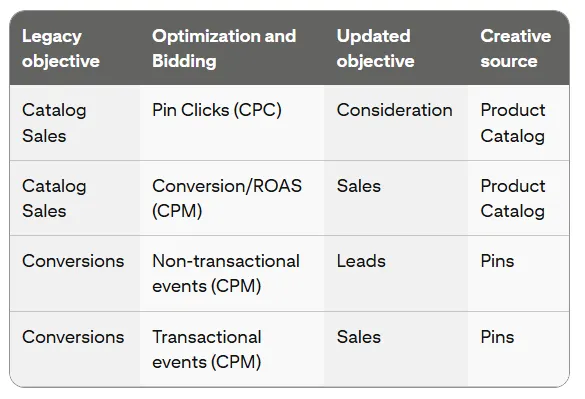
For years, digital advertising platforms have grappled with a nomenclature gap—the disconnect between the technical metrics platforms use to categorize user actions and the real-world goals that executives demand from their marketing budgets. Pinterest’s latest update directly addresses this pain point. By shifting away from abstract labels like "Conversions" and "Catalog Sales" and toward outcome-oriented categories such as "Leads," "Sales," and "Consideration," Pinterest is aligning its platform infrastructure with the vernacular of modern commerce.
Crucially, this structural evolution is purely semantic and architectural; it does not alter the underlying machine learning algorithms, delivery systems, or optimization models that power Pinterest ads. Advertisers can rest assured that their historical performance data, tracking pixels, and delivery efficiencies remain completely unaffected. However, the update introduces a definitive timeline for deprecating legacy structures, giving media teams ample breathing room to adapt their standard operating procedures.
This in-depth report examines the specific changes rolled out within Pinterest Ads Manager, analyzes the strategic rationale behind the rebrand, details the timeline for migration, and explores what these adjustments mean for both enterprise-level brands and small-to-medium-sized businesses (SMBs) navigating the visual search ecosystem.
Detailed Chronology: Unpacking the Ads Manager Evolution
The journey toward a more simplified advertising ecosystem on Pinterest has been incremental, driven by continuous feedback from enterprise partners, agency media planners, and direct-to-consumer (DTC) brands. As platforms scale and incorporate more advanced machine learning capabilities, the backend logic often becomes unnecessarily complex for everyday users. Pinterest’s product engineering and marketing teams identified that campaign setup was frequently plagued by ambiguity regarding where specific actions—such as a newsletter signup versus an e-commerce checkout—should be categorized.
The Phased Rollout and Structural Shifts
While Pinterest has historically offered robust targeting options, the nomenclature surrounding campaign setup occasionally forced advertisers to cross-reference documentation to ensure they were optimizing for the right goals. The newly deployed changes restructure how specific campaign types are designated within the Ads Manager dashboard:
- The Dissolution of Ambiguous Labels: Previously, advertisers looking to drive bottom-of-the-funnel activity had to choose between broad buckets that did not always instantly communicate the exact business outcome.
- Introduction of Outcome-Led Categories: Pinterest has reorganized these frameworks around three primary pillars: Leads, Sales, and Consideration.
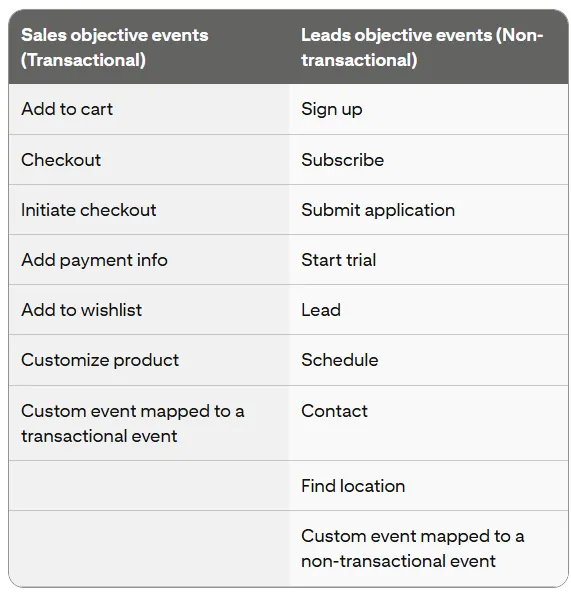
- Leads Campaigns: Explicitly designated to drive non-transactional outcomes. This includes user signups, newsletter subscriptions, appointment bookings, whitepaper downloads, and lead-form submissions.
- Sales Campaigns: Tailored specifically for transactional outcomes. This encompasses direct revenue-generating actions such as "add-to-cart" events, online checkouts, catalog purchases, and in-app transactions.
- Consideration: Maintained and clarified to capture mid-funnel engagement metrics, ensuring brands can effectively nurture audiences who are actively researching products or services but have not yet converted.
Transitioning Legacy Campaigns
A critical element of this chronology is how Pinterest is handling campaigns that are already live or saved as drafts within the platform. To prevent operational disruption during peak retail seasons, Pinterest has implemented a generous transition window:
- Immediate Effect: All newly created campaigns must utilize the updated objective names within Ads Manager. The platform interface now automatically reflects the simplified terminology.
- The Grace Period: Existing Conversions and Catalog Sales campaigns will remain fully editable, optimizable, and operational. Advertisers do not need to prematurely pause or rebuild active campaigns currently utilizing legacy names.
- The Sunset Date: Pinterest has established a hard deadline of April 30, 2027, for the complete retirement of legacy campaign structures. Until this date, accounts will maintain backward compatibility. After April 30, 2027, any remaining legacy Conversions and Catalog Sales campaigns will be automatically archived by the system.
Supporting Context & Metrics: Why Pinterest is Rethinking Ad Architecture
To fully understand the weight of Pinterest’s latest update, one must examine the broader macro-environment of digital advertising, user behavior on the platform, and the evolving demands placed on marketing technology stacks.
The Visual Discovery Advantage
Pinterest occupies a unique psychological space in the consumer journey. Unlike traditional social media platforms where users scroll through feeds of social updates, status reports, and breaking news, Pinterest is fundamentally a platform of intent and aspiration. Users come to Pinterest to plan their lives—ranging from major life milestones like weddings and home renovations to daily routines like recipe planning and wardrobe styling.

Because Pinterest users are inherently in a proactive discovery mindset, commercial intent on the platform is exceptionally high. Recent platform metrics highlight this reality:
- Over 500 million monthly active users globally utilize Pinterest to discover ideas, curate boards, and research products.
- Studies consistently show that Pinterest users have higher average order values (AOV) compared to users on other social discovery networks, largely because they arrive with pre-formed purchase intents.
- Retail and e-commerce brands have increasingly shifted performance marketing budgets toward Pinterest as signal loss (due to privacy regulations and cookie deprecation) makes deterministic attribution on open web channels more challenging.
Solving the Cognitive Load for Media Buyers
Despite these strong fundamentals, digital media buyers often manage multi-channel campaigns across Meta, Google, TikTok, Amazon, and Pinterest simultaneously. Each platform historically developed its own proprietary dialect for campaign objectives. A goal referred to as a "Conversion" on one network might be termed an "Action" or "Outcome" on another.
By rationalizing its campaign objectives into clear, action-oriented categories—Leads for non-transactional value and Sales for direct revenue—Pinterest is dramatically reducing cognitive load. Media planners no longer have to translate corporate marketing goals into platform-specific jargon. A Chief Marketing Officer asking for "more leads" can now direct their media buyer to spin up a "Leads campaign" with zero translational ambiguity.
Algorithmic Continuity and Performance Stability
One of the primary fears whenever an ad platform rebrands or restructures its user interface is the disruption of algorithmic momentum. Media buyers frequently worry that altering campaign frameworks will trigger a reset in machine learning learning phases, leading to inflated acquisition costs or volatile delivery.
Pinterest has explicitly mitigated these concerns. In official documentation released alongside the update, the company confirmed:
- Zero Performance Impact: The underlying delivery engines, auction dynamics, and signal optimization pathways remain unchanged.
- Ramp Times Remain Consistent: Campaign ramp and learning periods will continue to function precisely as they did previously, dictated primarily by creative inputs, budget sizing, and historical pixel data rather than dashboard nomenclature.
Official Statements and Industry Perspective
In rolling out these updates, Pinterest’s product leadership emphasized that the core philosophy of the platform remains centered on user-centric design—not just for the end consumer browsing Pins, but equally for the businesses funding the ecosystem.
Decoding Pinterest’s Product Messaging
In its official guidance distributed to enterprise partners and advertisers, Pinterest clarified the functional distinction between the newly defined pathways:
"Leads campaigns drive non-transactional outcomes, such as signups and leads. Sales campaigns drive transactional outcomes, such as add-to-carts and checkouts."
This succinct definition cuts through years of industry conflation. For a long time, the term "conversion" was used as a catch-all term that forced brands to manually inspect ad set configurations to discern whether a conversion meant a newsletter signup or a multi-thousand-dollar luxury purchase. By bifurcating these intents into dedicated, cleanly labeled objectives, Pinterest is establishing a cleaner semantic foundation for automated bidding strategies.
Industry Reception and Agency Feedback
Early reactions from digital marketing agencies and enterprise media buyers have been overwhelmingly positive. Agency executives have noted that while the change is subtle, its operational benefits scale rapidly across large teams.
- Onboarding Efficiency: Junior media buyers and interns can be trained faster on the Pinterest Ads Manager interface when the dashboard nomenclature mirrors standard business terminology.
- Client Reporting Clarity: When presenting performance metrics to non-technical stakeholders or executive boards, reporting on "Sales" versus "Leads" requires far less introductory explanation than breaking down legacy "Conversions" categories.
- Cross-Channel Harmonization: Media teams running omni-channel campaigns find it significantly easier to synchronize campaign naming conventions and performance benchmarks across disparate ad tech environments when platforms adopt universally understood classifications.
Future Outlook: What Advertisers Should Do Next
While Pinterest has provided a generous runway—giving advertisers until April 30, 2027, to fully clear out legacy campaigns—proactive media teams should not wait until the eleventh hour to adapt their internal processes. Best practices dictate a structured approach to integrating these updates into existing workflows.
1. Audit Active and Archived Campaigns
Media managers should conduct an immediate audit of their Pinterest Ads Manager accounts. While active Conversions and Catalog Sales campaigns will continue to run without interruption, identifying them now ensures that optimization strategies can be mapped out well in advance of the 2027 sunset date.
2. Update Standard Operating Procedures (SOPs) and Documentation
Agencies and in-house marketing departments maintain internal playbooks, training decks, and naming convention guidelines. These documents should be updated immediately to reflect the new terminology ("Leads" and "Sales" instead of legacy equivalents). Ensuring team-wide alignment prevents confusion during quarterly campaign launches.
3. Educate Stakeholders and Clients
Client-facing account managers should proactively communicate these changes to their brand partners. Framing the update as a positive enhancement—one that emphasizes clarity, streamlined reporting, and enhanced campaign focus—reinforces the agency’s proactive stance on platform governance and operational excellence.
4. Leverage the Expanded Objective Listing for Future Strategy
Pinterest’s updated objective listing serves as a helpful cheat sheet for strategic planning. Media planners should review the new framework to ensure they are fully leveraging Consideration, Leads, and Sales campaign types in alignment with their clients’ full-funnel marketing strategies. For instance, pairing a Consideration campaign (to capture early-stage inspiration traffic) with a downstream Sales campaign (to capture high-intent buyers) can create a more cohesive multi-touch attribution model within the Pinterest ecosystem.
Conclusion
Pinterest’s decision to rename and reorganize its Ads Manager campaign objectives may appear, at first glance, to be a minor administrative tweak. However, in the fast-paced world of digital advertising, clarity is currency. By removing ambiguity, aligning dashboard labels with real-world business outcomes, and preserving underlying algorithmic performance, Pinterest has demonstrated a keen understanding of the friction points facing modern marketers.
With a well-defined migration path stretching out to April 2027, advertisers have ample time to update their internal workflows without operational disruption. Ultimately, this update reinforces Pinterest’s position not only as a premier visual discovery engine, but as a mature, enterprise-grade advertising platform built for efficiency, transparency, and sustainable commercial growth.