Executive Overview
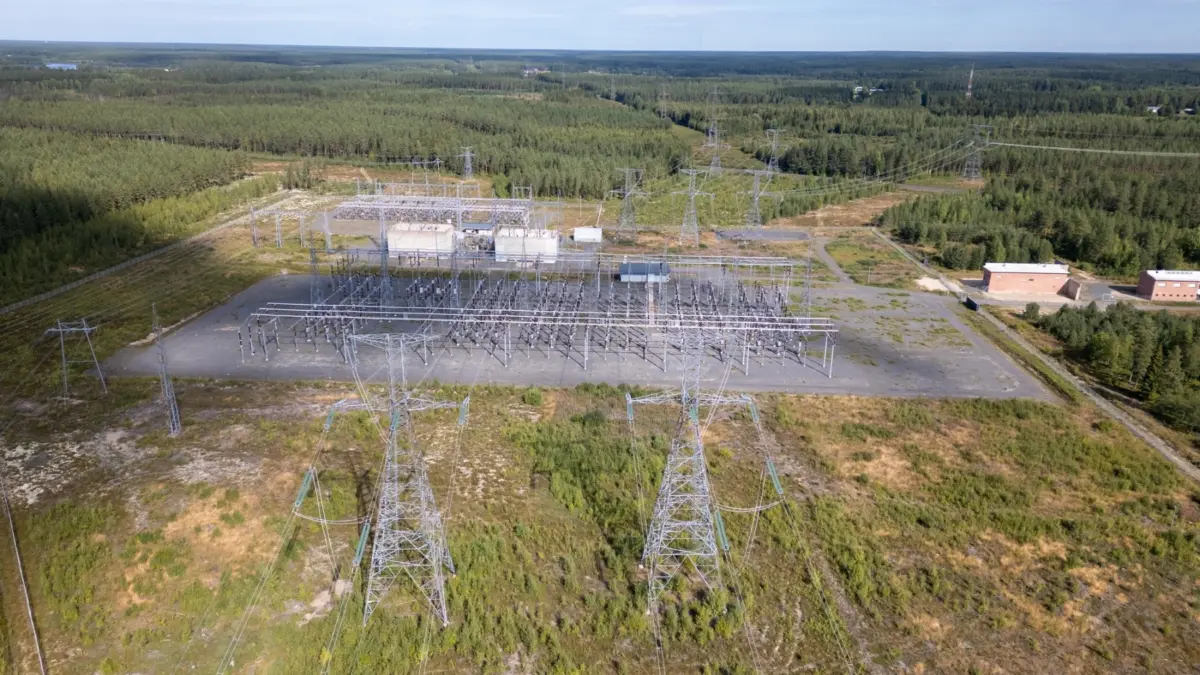
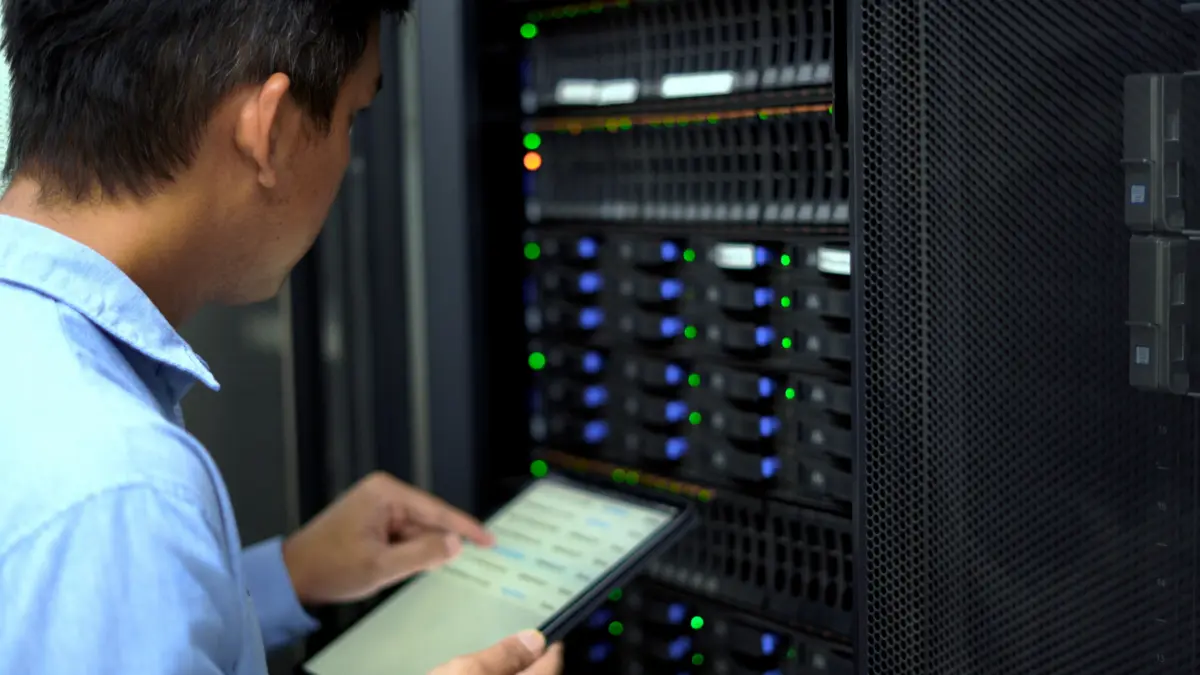
The global race to build out artificial intelligence infrastructure represents one of the most capital-intensive industrial expansion cycles in modern history. Hyperscale cloud providers, enterprise data center operators, and specialized AI startups are injecting unprecedented sums of money into raw computing capacity, real estate, electrical substations, and ultra-dense server deployments. Each new hyperscale campus functions as an electronic fortress—an enormous capitalization of advanced silicon, heavy electrical distribution equipment, complex cooling systems, and critical supporting utilities designed to process petabytes of data continuously and without interruption.
Yet, amid the frantic scramble for grid power, rack-level efficiency, and rapid deployment schedules, a critical vulnerability is consistently minimized or outright ignored during project planning: asset corrosion.
While leadership teams obsess over power availability, direct-to-chip liquid cooling options, rack density limits, and supply-chain lead times, corrosion operates silently beneath the surface. Because structural and material degradation rarely manifests as an immediate, catastrophic failure during the initial construction phase, it is easily deferred. Operators frequently view rust, galvanic reactions, and material pitting as localized maintenance headaches to be handled after a facility goes live.
This perspective is fundamentally flawed and financially perilous. According to industry analyses, the global cost of corrosion hovers at a staggering 3.4% of global Gross Domestic Product annually, a vast majority of which is entirely preventable through early intervention and engineered preservation practices. As AI data centers pivot aggressively toward liquid-cooled architectures to handle unprecedented thermal loads, the exposure to aggressive water chemistry, dissimilar metal interfaces, and extended equipment transit times grows exponentially.
To safeguard billions of dollars in digital infrastructure, stakeholders must fundamentally reframe corrosion. It is not merely a reactive maintenance challenge; it is a profound governance, design, and supply-chain imperative that must be addressed long before the first server rack is energized.
Detailed Chronology: The Lifecycle of Degradation
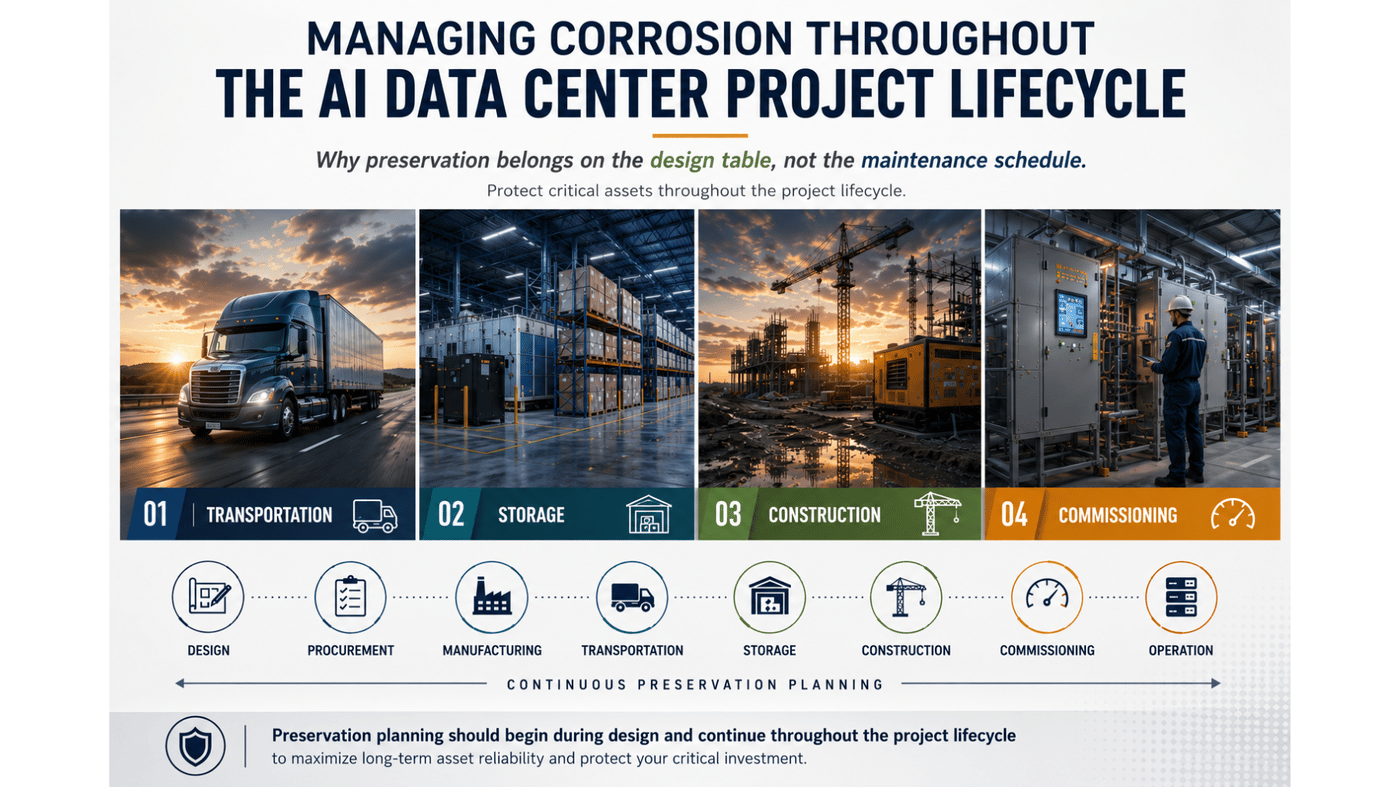
To understand why corrosion is catching AI data center operators off-guard, one must trace the lifecycle of a modern mission-critical facility. The degradation process does not begin when the facility opens its doors; rather, it often takes root months or even years earlier, quietly progressing through a predictable yet unmonitored chronology.
[Manufacturing] ──> [Transportation & Logistics] ──> [Extended Storage & Laydown Yards] ──> [Construction & Assembly] ──> [Commissioning & Operations]1. Manufacturing and Factory Acceptance
The journey of high-value data center components—ranging from chillers and heat exchangers to specialized piping manifolds and electrical switchgear—begins in manufacturing plants worldwide. During fabrication, metals are exposed to machining fluids, welding fluxes, and ambient atmospheric conditions. If temporary factory-applied coatings or desiccants are subpar or mismanaged, micro-pits can form before the equipment is even boxed for shipment.
2. Transportation and Logistics
Once cleared from the factory floor, equipment embarks on complex global supply chains. Ocean freight exposes sensitive components to salt-laden marine air, severe humidity fluctuations, and condensation events (often referred to as "container rain"). Inland trucking and rail transport introduce further vulnerabilities, particularly when shipments are delayed at ports, customs, or intermodal yards, leaving expensive assets exposed to the elements without active environmental controls.
3. Extended Storage and Laydown Yards
Because AI infrastructure projects are frequently plagued by supply-chain bottlenecks, long lead times, and shifting construction schedules, expensive mechanical and electrical hardware often sits idle for months. Stored in temporary warehouses, outdoor laydown yards, or partially enclosed job sites, this equipment is subjected to diurnal temperature swings, ground moisture, airborne pollutants, and dust. Without engineered preservation protocols, internal components begin to oxidize and degrade long before installation.
4. Construction, Installation, and Assembly
During the chaotic construction phase, different trades work simultaneously within confined spaces. Welding sparks, concrete dust, chemical sprays, and moisture from ongoing architectural work routinely infiltrate open piping networks and electrical cabinets. If preservation caps, purging gases, or protective enclosures are removed prematurely and not replaced, contaminants settle deep within critical systems, setting the stage for premature failure.
5. Commissioning and Operational Handover
The final tipping point occurs during pre-commissioning and hydrostatic testing. When stagnant water, improperly treated flushing fluids, or chemically unbalanced coolants are introduced into complex piping networks containing multiple metals (such as copper, aluminum, and stainless steel), galvanic and microbial-induced corrosion can accelerate rapidly. By the time operators discover pressure drops, pump cavitations, or coolant leaks during final commissioning, the damage is already structural and systemic.
Supporting Context & Metrics: The Paradigm Shift to Liquid Cooling
The historical baseline for data center reliability offers a false sense of security. Traditional air-cooled facilities experienced relatively low corrosion exposure because humidity and ambient air quality could be reliably controlled within tightly sealed white spaces. However, the generative AI boom has completely rewritten the laws of thermodynamics within the server room.
The Thermal Realities of Generative AI
Traditional air cooling has hit a hard physical ceiling. Modern AI accelerators—such as advanced GPUs and specialized neural processing units—routinely generate rack densities exceeding 40 to 100 kilowatts per rack, with future projections targeting densities well beyond 150 kW. Air can no longer move fast enough or absorb heat rapidly enough to prevent thermal throttling.
Consequently, the data center industry is undergoing a massive migration toward liquid cooling technologies, including:
- Direct-to-Chip Liquid Cooling: Circulating dielectric fluids or treated water directly over cold plates mounted to high-performance processors.
- Rear-Door Heat Exchangers (RDHX): Using liquid-filled coils to capture heat immediately as air exits the server chassis.
- Immersion Cooling: Submerging entire server assemblies in non-conductive dielectric liquids.
The Chemistry of Risk
While liquid cooling solves the thermal dilemma, it introduces complex hydraulic networks directly into the mission-critical computing environment. These systems rely on intricate mazes of pumps, valves, heat exchangers, and miles of piping.
This introduces several severe risk multipliers:
- Galvanic Couples: Bringing disparate metals (e.g., copper manifolds interacting with aluminum cold plates or carbon steel piping) into contact via an electrolyte solution creates an electrochemical battery, accelerating localized corrosion.
- Water Chemistry Volatility: Managing conductivity, pH levels, biocides, and corrosion inhibitors requires rigorous, continuous oversight. A minor drift in water chemistry can quickly pit stainless steel or erode copper piping.
- Stagnant Flow Zones: During part-load operations or system commissioning, stagnant or low-flow water pockets become breeding grounds for microbial growth and localized crevice corrosion.
When scaled across an enterprise portfolio representing billions of dollars in underlying digital assets, these localized corrosion events translate directly into lost uptime, degraded computational efficiency, and catastrophic capital expenditure write-offs.
Official Perspectives: Governance vs. Technology
According to leading asset preservation experts, the data center industry’s failure to manage corrosion effectively is rarely a technical limitation. Rather, it is a governance and procedural failure.
"Most large construction projects include well-defined governance processes for quality assurance, commissioning, safety, and risk management. Preservation, however, is often absent from those same governance frameworks," notes Gautam Ramdas, Vice President of Global Market Development at ZERUST Integrity Solutions.
Ramdas emphasizes that as equipment changes hands—moving iteratively from manufacturer to logistics provider, third-party warehousing agent, general contractor, and ultimately the facility owner—accountability fractures.
"As schedules shift and equipment remains idle longer than originally planned, preservation activities become inconsistent or overlooked altogether," Ramdas explains. "Without clearly defined ownership during these handoffs, corrosion can begin long before it becomes visible. By the time it is discovered, the opportunity to prevent it has often passed."
Lessons from Heavy Industry
To course-correct, the data center sector does not need to invent new science; it merely needs to look outward. Sectors such as oil and gas, offshore marine engineering, petrochemical refining, and heavy power generation recognized these vulnerabilities decades ago.
In these asset-intensive fields, preservation is baked into the DNA of project execution:
- Pre-Procurement Standards: Preservation requirements are written directly into purchasing contracts before an asset is ever built.
- Lifecycle Documentation: Preservation activities are meticulously logged during manufacturing, tracked during transit, verified upon site arrival, and formally audited during commissioning.
- Total Cost of Ownership Focus: Maintaining material integrity is universally understood as a foundational pillar of protecting long-term capital investments.
As AI infrastructure achieves comparable capital intensity and operational complexity, adopting these rigorous industrial preservation standards is no longer optional—it is a competitive necessity.

Future Outlook: Integrating Preservation into the AI Data Center Lifecycle
Protecting the next generation of AI data centers requires a fundamental shift in corporate mindset. Operators must transition away from viewing preservation as a reactive maintenance chore and embrace it as a strategic discipline that spans the entire asset lifecycle.
+-----------------------------------------------------------------+
|                  THE LIFECYCLE PRESERVATION MODEL               |
+-----------------------------------------------------------------+
| 1. Design Phase    -> Material compatibility & coolant specs      |
| 2. Procurement     -> Contractual preservation mandates         |
| 3. Logistics       -> Environmental monitoring in transit       |
| 4. Construction    -> Clean site protocols & protection caps    |
| 5. Commissioning   -> Water chemistry validation & audits       |
| 6. Operations      -> Continuous asset health monitoring        |
+-----------------------------------------------------------------+
1. Design-Phase Integration
The most cost-effective time to fight corrosion is on the drawing board. Design teams must evaluate material compatibility upfront, eliminate high-risk galvanic couples, specify robust coolant chemistries, eliminate dead-legs and stagnant flow areas in piping diagrams, and mandate preservation protocols for equipment destined for long-term storage.
2. Contractual Accountability
Procurement documents must clearly delineate responsibilities for equipment preservation across every tier of the supply chain. Suppliers and general contractors should be held to strict, auditable standards regarding how components are packaged, shipped, stored, and maintained prior to final handover.
3. Lifecycle Asset Management
Operators should consider deploying independent corrosion engineering specialists to audit preservation programs throughout construction and commissioning. Establishing clear inspection milestones ensures that hidden degradation vectors—such as internal pipe scaling or atmospheric oxidation—are identified and neutralized before systems are sealed and energized.
Conclusion
The global race to scale AI infrastructure will be won by operators who optimize not only for raw computing speed and power density, but for absolute asset reliability. As liquid cooling becomes the standard and capital investments reach historic highs, the question facing data center architects is no longer whether corrosion will occur, but whether proactive preservation was embedded early enough to stop it. Those who master lifecycle asset preservation will protect their balance sheets and secure true long-term operational resilience; those who do not will find their digital empires undermined from within.