Executive Overview
As the global appetite for digital infrastructure surges—fueled heavily by the artificial intelligence revolution, hyperscale cloud expansion, and edge computing—a new and insidious environmental friction point is emerging in communities across the globe. While the audible hum of cooling fans and backup generators has long drawn the ire of residential neighborhoods near data centers, a quieter, more pervasive phenomenon is increasingly taking center stage: infrasound.
Unlike standard acoustic noise, which registers cleanly on traditional decibel ($dB$) meters and drops off predictably with distance, infrasound consists of low-frequency acoustic energy operating strictly below the threshold of human hearing (typically under 20 Hz). Because people cannot consciously "hear" these frequencies, they often experience them as a persistent, low-grade physical pressure: subtle body vibrations, a deep bass thrum, or the rattling of windowpanes and doorframes in residential homes situated miles or even hundreds of yards from a facility’s perimeter.
In communities adjacent to massive new data center installations, this invisible acoustic footprint is transforming local zoning board meetings into battlegrounds. Residents increasingly report mysterious health complaints—ranging from chronic headaches and severe anxiety to debilitating nausea and insomnia. Yet, because standard regulatory codes rely on A-weighted decibel scales that completely filter out sub-audible frequencies, operators and local officials have frequently dismissed these concerns as phantom grievances.
This deep-dive investigation examines the physics of data center infrasound, its sources, the growing regulatory and community backlash, and the engineering and transparency measures operators must urgently adopt to preserve their social license to operate.
Detailed Chronology: The Evolution of Data Center Noise Discontent
To understand how infrasound became a frontline issue in data center development, it is necessary to trace the trajectory of community pushback against digital infrastructure over the past decade.
Phase 1: The Audible Era (Pre-2018)
In the early days of hyperscale expansion, community friction was almost exclusively centered on audible noise pollution. Facilities were frequently located near industrial parks, but as land scarcity drove campuses closer to suburban borders, cooling infrastructure—massive banks of chillers, rooftop exhaust fans, and cooling towers—began operating 24/7. Municipalities responded by applying traditional industrial noise ordinances, typically capping noise levels at 50 to 65 decibels during nighttime hours at property lines. Operators managed compliance by installing basic acoustical louvers and sound walls.
Phase 2: The Diesel Generator and High-Density Realization (2018–2022)
As data center densities spiked with the rise of high-performance computing (HPC), the scale of mechanical backup systems escalated dramatically. Standby diesel generators, crucial for maintaining uptime, required massive exhaust systems and periodic testing cycles. While operators scheduled these tests during daytime hours to minimize disruption, the sheer kinetic force of multi-megawatt reciprocating engines generated powerful low-frequency vibrations that traveled through the ground and air, bypassing standard acoustic barriers. Complaints began to shift from simple volume to structural vibrations and low-frequency "thumping" sounds.
Phase 3: The AI Boom and the Infrasound Flashpoint (2023–Present)
The generative AI boom accelerated construction pipelines, leading to the rapid deployment of campuses exceeding 100 to 300 megawatts. Facilities of this magnitude utilize immense liquid-cooling loops, high-capacity air-handling units, and dense rows of server racks operating under maximum thermal stress.
Concurrently, affected communities began organizing. Residents near major hubs in Northern Virginia, Silicon Valley, and emerging European markets started connecting the dots between newly operational data centers and unexplained domestic disturbances: rattling glassware, vibrating walls, and unexplained neurological symptoms. Legal challenges, such as a recent California judge’s order mandating a full environmental review for a massive 330 MW data center project, underscore a shifting judicial landscape where acoustic and environmental impacts are subject to rigorous public scrutiny.
Supporting Context & Metrics: The Physics and Health Impacts of Low-Frequency Noise
What Is Infrasound?
Acoustic energy is categorized by frequency, measured in Hertz (Hz). The standard human ear can perceive sounds ranging from approximately 20 Hz up to 20,000 Hz.
- Audible Sound ($>20text Hz$): Speech, music, industrial hums, and cooling fan whines.
- Infrasound ($<20text Hz$): Low-frequency waves that extend down to fractions of a Hz.
While infrasound cannot be heard as a distinct tone, it carries significant energy. Because long-wavelength low-frequency sounds experience minimal atmospheric attenuation, they travel much farther than high-frequency sounds and easily penetrate building envelopes, concrete walls, and earth barriers.
Natural vs. Anthropogenic Sources
Infrasound is not entirely artificial; nature produces vast amounts of it through ocean microbaroms, severe thunderstorms, wind shear over mountain ranges, and seismic activity. However, human-made infrasound—often called Low-Frequency Noise (LFN)—possesses distinct tonal characteristics that the human body easily identifies as unnatural or intrusive.
In a modern data center, multiple infrastructural components act as primary infrasound generators:
- Large-Scale HVAC and Air-Handling Units: Massive centrifugal fans and air-handling units moving millions of cubic feet of air per minute generate rhythmic pressure pulsations.
- Cooling Towers: The interaction of falling water, mechanical fan blades, and resonant air chambers creates powerful low-frequency acoustic signatures.
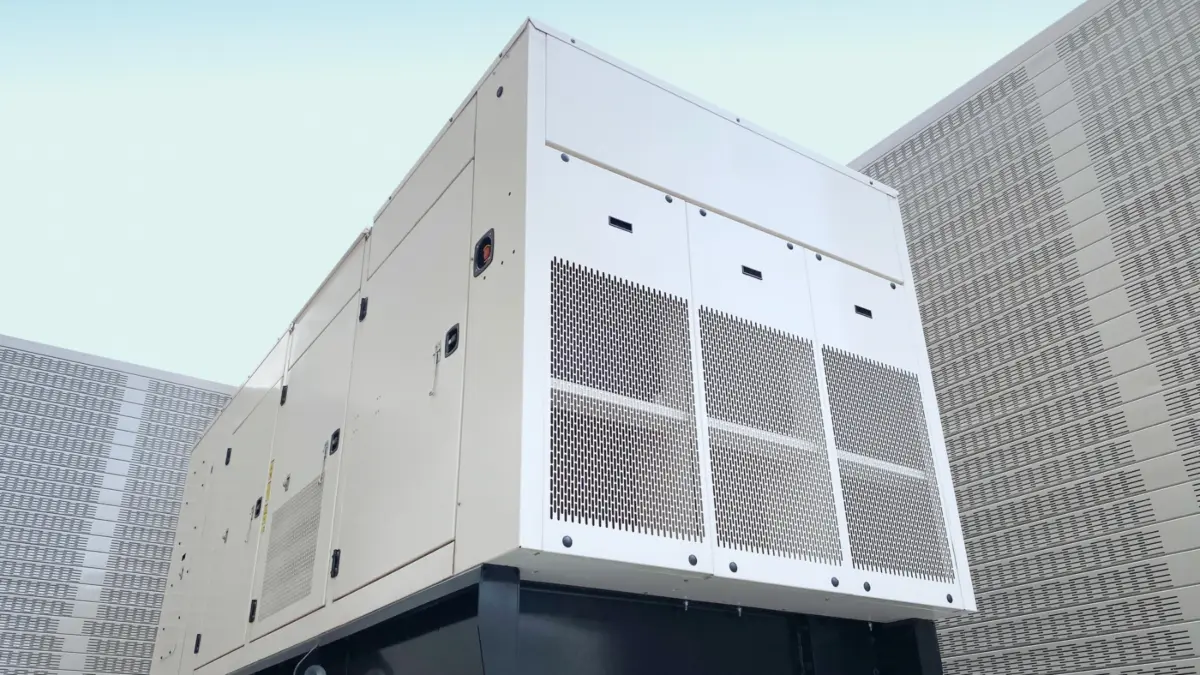
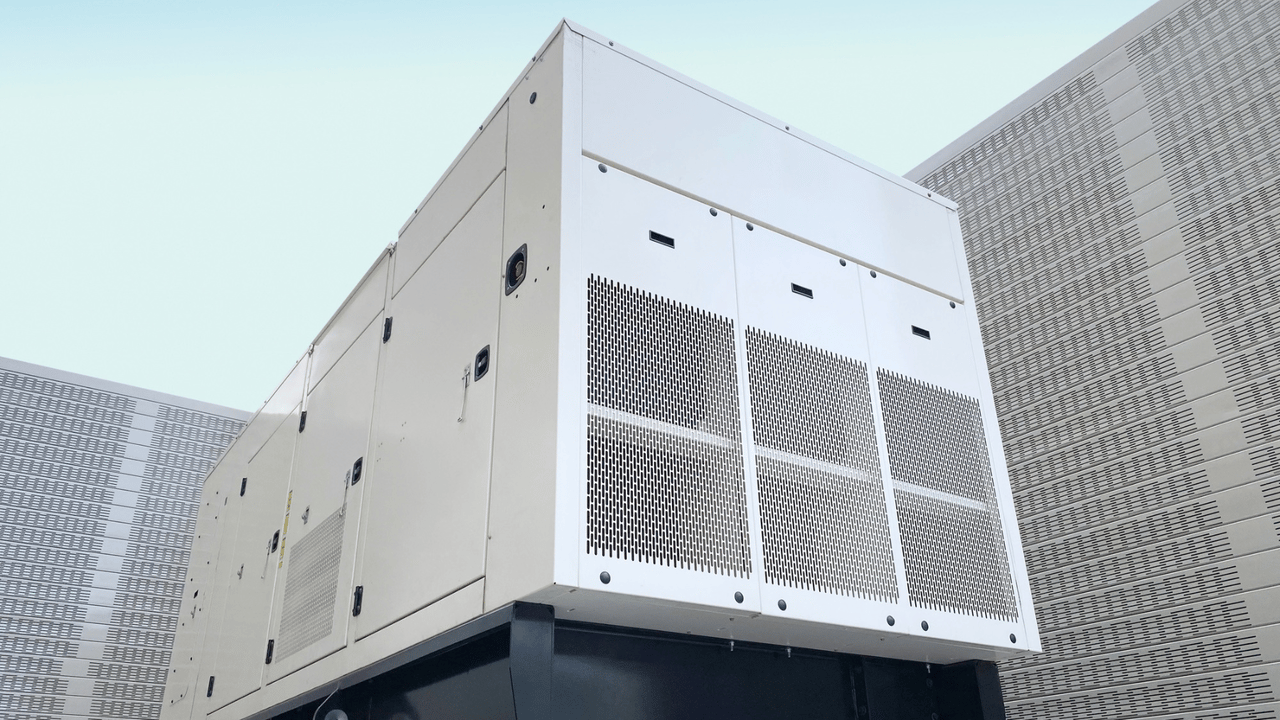
- Backup Diesel Generators: Even when operating at idle or during routine diagnostic load-bank testing, large reciprocating engines emit heavy pulses of exhaust-gas pressure and mechanical vibration.
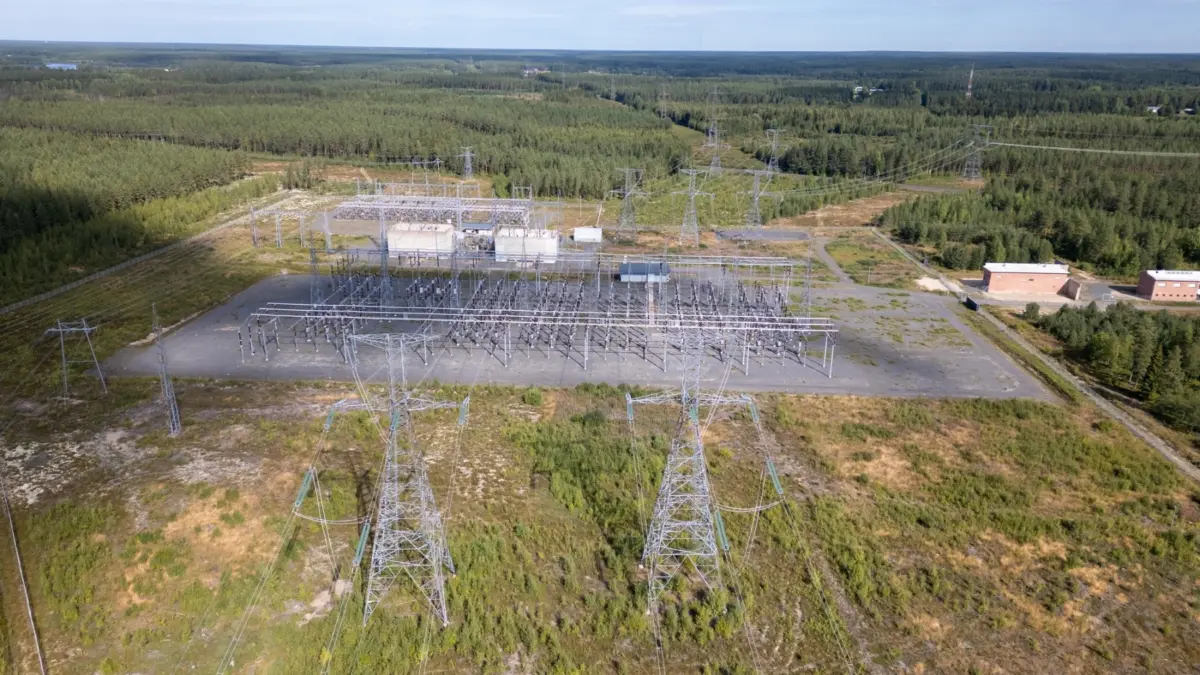
- Transformers and Electrical Substations: High-voltage step-down transformers produce low-frequency humming (typically 60 Hz or 120 Hz in North America, with sub-harmonics) that can couple with structural foundations.
The Health and Wellness Debate
The intersection of infrasound and human physiology remains a contentious subject within acoustics and public health. While some industrial bodies argue that infrasound below hearing thresholds has no biological effect, independent toxicologists and acousticians point to a growing body of anecdotal and clinical evidence linking chronic LFN exposure to:
- Vestibular Disturbance: The inner ear contains organs responsible for balance (the vestibule and semicircular canals). High-energy low-frequency waves can stimulate these structures, inducing sensations of motion sickness, dizziness, and spatial disorientation.
- Sleep Disruption: Even when a sound is technically inaudible, the human brain continues to monitor environmental stimuli during sleep. Sub-audible vibrations can trigger micro-awakenings, preventing restorative deep sleep and leading to chronic fatigue, anxiety, and elevated cortisol levels.
- Somatosensory Perception: The human chest cavity, skull, and abdominal walls possess natural resonant frequencies in the 3 Hz to 15 Hz range. When external infrasound matches these frequencies, sympathetic resonance occurs, causing a physical sensation of pressure or vibration in the body.
[Data Center Mechanical Sources]
       │
       ├── Centrifugal Fans & Air Handlers (Pulsating Air Pressure)
       ├── Cooling Towers (Water/Blade Resonance)
       ├── Backup Generators (Exhaust & Mechanical Piston Forces)
       └── Transformers (Electromagnetic Core Vibration)
       │
       ▼
[Low-Frequency Propagation (<20 Hz)]
       │
       ├── Penetrates Walls & Windows (Minimal Atmospheric Loss)
       ├── Couples with Ground & Building Structures
       │
       ▼
[Community Impact]
       ├── Structural Resonance (Rattling Windows, Buzzing Fittings)
       ├── Somatosensory Stimulation (Body Pressure, Dizziness)
       └── Physiological Stress (Sleep Disruption, Anxiety, Headaches)
Official Statements and Industry Perspective
As public pressure mounts, municipal planners, environmental advocacy groups, and industry associations are beginning to grapple with the reality of sub-audible pollution.
Dr. Aris Thorne, an environmental acoustician specializing in industrial noise mitigation, emphasizes that traditional zoning codes are technologically obsolete:
"We are attempting to govern 21st-century hyperscale computing infrastructure with 20th-century decibel meters. A standard A-weighted sound level meter ($dBA$) is deliberately engineered to ignore low-frequency energy because it mimics the sensitivity of the human ear at moderate volumes. When a data center neighbor complains of chest pressure and vibrating walls while a decibel meter reads a compliant 45 $dBA$, the meter isn’t wrong—it’s just blind to the frequency band causing the distress. Operators must realize that regulatory compliance no longer equals community acceptance."
Conversely, trade organizations representing data center developers emphasize that the industry is heavily invested in acoustic engineering and proactive mitigation. Marcus Vance, a director of engineering standards for a major digital infrastructure coalition, notes:
"Data center operators are acutely aware of their neighbors. Nobody builds a multi-million-dollar campus wanting to antagonize the local community. The challenge is that infrasound propagation is complex, highly dependent on local topography, meteorological conditions, and building materials. We are actively updating our engineering guidelines to incorporate C-weighted and G-weighted acoustic assessments, ensuring that low-frequency attenuation is baked into site design from day one rather than treated as an afterthought."
Local municipal officials find themselves caught in the middle. Councilwoman Elena Rostova of a suburban township hosting three major data center developments highlights the political friction:
"Our residents aren’t unreasonable; they understand that digital infrastructure powers the modern economy. But when families tell us they can no longer sleep in their own homes because of a phantom thrum that doctors can’t diagnose and our old noise ordinances can’t measure, trust breaks down. We are now rewriting our municipal code to require comprehensive low-frequency impact studies before a single spade of dirt is turned."
Future Outlook and Mitigation Strategies
Ignoring infrasound is no longer a viable long-term business strategy for data center operators. Delays caused by environmental lawsuits, zoning denials, and bitter public relations battles can cost tens of millions of dollars—far more than implementing proactive acoustic engineering during the initial design phase.
Fortunately, mitigating infrasound and low-frequency noise is entirely achievable through targeted engineering and operational adjustments:
1. Advanced Acoustic Engineering and Tuned Silencers
Standard fiberglass sound blankets are largely ineffective against low-frequency energy. Mitigating infrasound requires reactive silencers, acoustic baffles, and Helmholtz resonators tuned specifically to target the exact frequencies emitted by centrifugal fans, turbine exhausts, and transformer cores. By trapping or reflecting low-frequency waves before they leave the equipment housing, operators can drastically reduce perimeter transmission.
2. Structural Decoupling and Vibration Isolation
Because low-frequency energy travels effectively through solid matter, mechanical equipment must be physically decoupled from the building’s structural frame. Installing heavy-duty elastomeric or spring-type vibration isolators beneath chillers, generators, and transformers prevents kinetic energy from transferring into concrete slabs and propagating through the earth to neighboring properties.
3. Computational Acoustic Modeling
Modern operators are moving beyond basic site-line noise assessments by employing advanced 3D computational fluid dynamics (CFD) and finite element acoustic modeling. These simulations account for local topography, prevailing wind patterns, temperature inversions, and building geometries, allowing engineers to predict infrasound propagation profiles and optimize building orientations before construction begins.
4. Operational Scheduling and Testing Protocols
While emergency backup generator tests are mandatory, operators can minimize community friction by restricting testing to limited daytime hours, utilizing advanced mobile load-bank silencers, and staggering test schedules rather than running multiple multi-megawatt units simultaneously.
5. Transparency, Monitoring, and Community Engagement
Ultimately, technology must be paired with trust. Operators who install permanent, real-time acoustic monitoring stations capable of measuring G-weighted infrasound—and who share that data openly with municipal leaders and residents—disarm suspicion. When communities see verifiable metrics and an open door for dialogue, the narrative shifts from corporate secrecy to collaborative problem-solving.
As the data center industry scales to meet the insatiable demands of artificial intelligence and cloud computing, mastering the invisible acoustic footprint will separate the industry leaders of tomorrow from the legacy operators bogged down in endless litigation and community rejection.