










Executive Overview
The digital advertising ecosystem is plagued by an invisible, multi-billion-dollar tax that siphons marketing budgets away from real human consumers and directly into the pockets of cybercriminals. While brands pour vast fortunes into driving customer acquisition online, a staggering percentage of those ad impressions are never seen by human eyes, let alone converted into paying customers.
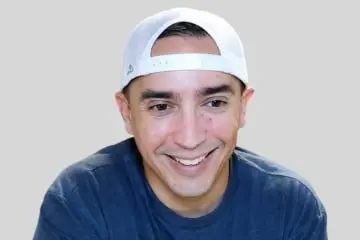
To unpack the mechanics of this high-tech deception, Practical Ecommerce recently sat down with Jeromy Sonne, a veteran Facebook ad specialist turned ad fraud detection expert and the founder of Daypart.ai. Sonne spends his days acting as a digital private investigator, combing through reams of campaign data to help major agencies and high-spending brands separate legitimate traffic from synthetic botnets, domain spoofing, and outright financial scams.
In this comprehensive discussion, Sonne sheds light on the multifaceted nature of modern ad fraud—ranging from basic automated click farms to sophisticated money-laundering operations run through shell companies. He contrasts the tightly regulated “walled gardens” of tech giants like Meta and Google with the far more treacherous, wide-open expanses of programmatic ad networks, connected TV (CTV), and mobile apps. For modern brand builders and media buyers, Sonne’s message is clear: cutting out fraud isn’t just a defensive accounting measure; it is single-handedly the most effective optimization tactic available to maximize return on ad spend (ROAS).
Detailed Chronology: From Media Buyer to Digital Fraud Detective
The Evolution of a Digital Marketer
Jeromy Sonne’s journey into the high-stakes world of fraud detection did not begin in cybersecurity; it started in the trenches of paid social media acquisition. In 2011, Sonne dove headfirst into the rapidly expanding universe of Facebook ads. During the early days of mobile app promotion, he mastered the nuances of scaling budgets, optimizing creative assets, and driving user acquisition across mobile platforms. Over time, his focus naturally expanded from mobile applications into the broader landscape of direct-to-consumer ecommerce.
Venturing into Ad Tech and the Podcast Space
As his expertise deepened, Sonne sought to build solutions rather than just manage budgets. He founded an ad tech company named Decibel, a pioneering platform engineered to streamline and optimize podcast advertising. However, despite the surging popularity of audio storytelling and podcasting as a medium, Decibel ultimately failed to achieve the necessary market traction to sustain long-term operations.
Stumbling into the War Against Fraud
Rather than exiting the ad tech space entirely, Sonne experienced a fortuitous career pivot. He found himself increasingly drawing on his deep technical understanding of ad delivery mechanics to help agencies and fellow ad tech companies audit their traffic. What started as troubleshooting isolated tracking anomalies quickly evolved into a full-fledged calling: combating systemic ad fraud on behalf of major advertisers.
Today, running Daypart, Sonne evaluates the accuracy, provenance, and legitimacy of ad campaigns for high-spending clients. Looking back on his diverse entrepreneurial trajectory, Sonne notes that fighting the bad guys and tracking down digital fraudsters has proven to be the most successful and fulfilling venture of his professional career.
The Anatomy of Modern Ad Fraud: Beyond Simple Bots
When the conversation turns to what ad fraud actually entails, Sonne is quick to correct the common misconception that it is merely a matter of a few automated bots clicking on banners. In reality, ad fraud is an expansive umbrella term covering a spectrum of malicious and deceptive practices designed to siphon marketing funds.
1. Bot Impressions and Automated Clicks
At its most basic level, ad fraud involves the generation of non-human traffic. Botnets—armies of infected computers or scripted virtual machines—are programmed to endlessly load web pages, refresh video streams, and click on display ads. This creates the illusion of high engagement, forcing advertisers to pay for impressions that zero real humans ever perceived.
2. Domain and Context Spoofing
Another prevalent tactic involves deceptive placement arbitrage. For example, an advertiser might contractually agree to pay a high cost-per-mille (CPM)—such as $30—for premium ad placement during a high-profile streaming television show or on a reputable news website. Behind the scenes, however, unscrupulous publishers use technical workarounds to redirect that ad placement to a low-quality, high-spam clickbait farm. The advertiser pays top-dollar rates while their brand message is displayed in a completely worthless or brand-damaging environment.
3. The Dark Extreme: Money Laundering
At the most sophisticated and criminal end of the spectrum, ad fraud transcends mere marketing waste and enters the territory of financial crime. Cybercriminals have been known to establish complex networks of shell companies that both purchase and sell digital advertising inventory. By routing illicit funds through programmatic ad exchanges disguised as legitimate campaign spending, bad actors successfully launder money out of the reach of international financial regulators.
Supporting Context & Metrics: Walled Gardens vs. The Open Web
For brands heavily reliant on digital acquisitions, understanding where fraud thrives is just as important as knowing how it operates. Sonne draws a stark contrast between closed ecosystems and open networks.
Walled Gardens: Meta and Google
Platforms like Meta (Facebook and Instagram) and Google operate as "walled gardens." They maintain strict, proprietary control over their user identities, tracking frameworks, and data environments. According to Sonne, these platforms are nominally safer for advertisers. Because they police their own ecosystems aggressively to protect their massive advertising revenues, they are generally more responsive when anomalies are detected.
Even so, these platforms are not entirely immune. For instance, campaigns running on Meta’s Audience Network—which extends Meta ads out into third-party mobile apps and websites—frequently encounter high-risk traffic. Sonne notes that Meta will occasionally sweep through its networks and proactively wipe out 10% or more of reported clicks and impressions after identifying them as fraudulent bots, AI automated agents, or compromised human accounts.
The Wild West of Programmatic Networks
In contrast to the walled gardens, the open web—including display networks, programmatic video suppliers, third-party mobile apps, connected television (CTV), and digital audio—operates like the Wild West.
Because programmatic advertising relies on rapid-fire, automated auctions across thousands of disparate, opaque intermediary networks, it creates fertile ground for bad actors. Sonne estimates that upwards of one-third or more of ad spend on open programmatic networks is likely fraudulent to some degree.
"The best way to increase your return on ad spend is to cut out fraud," Sonne emphasizes. "Real ads going to real humans is the best optimization tactic available."
Official Insights & Investigative Methodology
During the interview, Eric Bandholz, founder of the grooming brand Beardbrand—whose entire ad budget is funneled through Meta—posed a fundamental question facing modern media buyers: How can an advertiser accurately distinguish between legitimate human engagement and the inflated claims of ad platforms?
The Sherlock Holmes Approach to Data Transparency
Sonne’s answer is unequivocal: Transparency is the key. While no single automated software tool offers a silver bullet, advertisers who dig deep enough into granular data can uncover unmistakable patterns of deception.
To illustrate this, Sonne shared a recent case study from an audit of mobile ad campaigns. At first glance, the campaign data appeared entirely legitimate, displaying healthy click-through rates and standard engagement metrics. However, when Sonne dug deeper into the technical metadata—specifically the specific devices driving the traffic—the illusion shattered.
The logs indicated that all the ad impressions were originating from Apple iPads powered by Intel microprocessors.
"I’m a tech guy," Sonne noted. "iPads have never used Intel chips. The publishers were clearly spoofing device profiles, utilizing complex technical workarounds, or running sophisticated bot farms. You have to put on your Sherlock Holmes hat and look for patterns or technical claims that simply do not add up."
Trust, But Verify
Sonne advises advertisers to implement a strict "trust, but verify" policy. This involves cross-referencing metrics reported by ad platforms against internal data gathered by an independent ad server or tracking pixel. When glaring discrepancies arise, media buyers must not simply absorb the loss; they must document the anomalies, challenge the ad networks, and demand financial refunds. Additionally, advertisers using platforms like Meta should proactively utilize built-in controls—such as blacklisting low-quality apps within the Audience Network—to insulate their campaigns from predatory traffic sources.
Future Outlook: When Does Ad Fraud Auditing Make Financial Sense?
As digital advertising costs continue to rise, brands are increasingly forced to evaluate whether specialized fraud prevention services are necessary for their operations.
Enterprise-Scale Ad Spend
Sonne clarifies that specialized firms like Daypart are not built for everyday direct-to-consumer startups spending a few thousand dollars a month. His firm typically partners with large digital agencies and enterprise brands that are pouring several million dollars per month into open-web programmatic advertising, connected television (CTV), and digital audio channels. These are typically organizations that have already fully optimized and scaled their spend within the walled gardens of Meta and Google, forcing them to venture into the riskier open web.
Generally speaking, companies with an annual digital ad budget ranging from $25 million to $50 million can easily justify the cost of retaining specialized fraud detection and recoupment services. For smaller brands solely operating within Meta and Google, the internal friction and financial overhead of hiring an external auditor usually outweigh the immediate returns, given the relatively higher baseline safety of those walled gardens.
The Road Ahead for Digital Advertisers
Looking toward the future, the cat-and-mouse game between fraudsters and digital detectives is bound to evolve. As artificial intelligence and machine learning advance, generative AI agents are increasingly capable of mimicking human browsing behavior, filling out forms, and interacting with pages in ways that easily bypass legacy verification filters.
At the same time, platforms are responding with more rigorous identity resolution frameworks and tighter supply-chain transparency initiatives, such as the IAB’s ads.txt and sellers.json standards. Yet, until structural transparency becomes ubiquitous across every tier of the programmatic supply chain, vigilance remains the ultimate currency of the digital marketer.
For brands looking to navigate this treacherous landscape, partnering with experienced programmatic agencies, maintaining a healthy skepticism toward platform metrics, and partnering with specialized watchdogs like Daypart will remain critical to ensuring that marketing dollars actually reach living, breathing human beings ready to convert.
For more information on Jeromy Sonne’s work or to explore fraud detection services for enterprise ad campaigns, visit Daypart.ai. You can also connect with Jeromy directly on X and LinkedIn.