Executive Overview
The global media and entertainment industry is undergoing a profound paradigm shift. Broadcasters, cinematographers, and live production houses are simultaneously grappling with the demands of rapid IP migration, the integration of artificial intelligence, and the relentless pressure to deliver hyper-realistic, multi-platform content on tighter budgets. Against this backdrop of rapid technological evolution, Sony has arrived at IBC 2026 in Amsterdam with a clear, unified message: the future of media lies in seamless, intelligent connectivity.
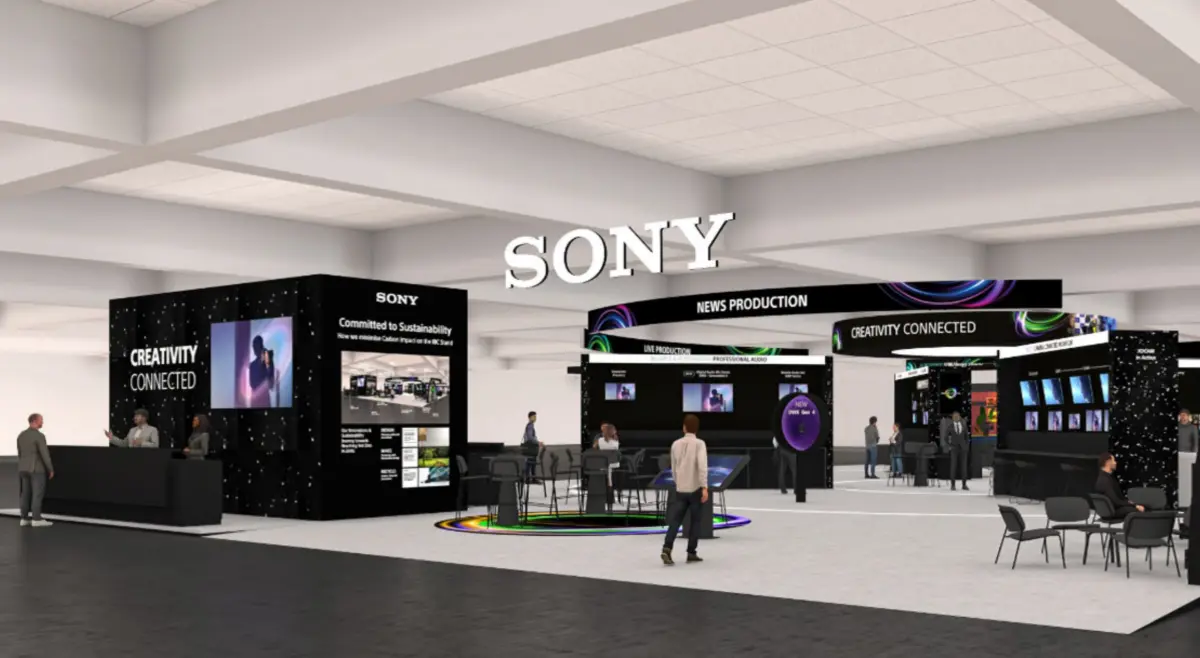
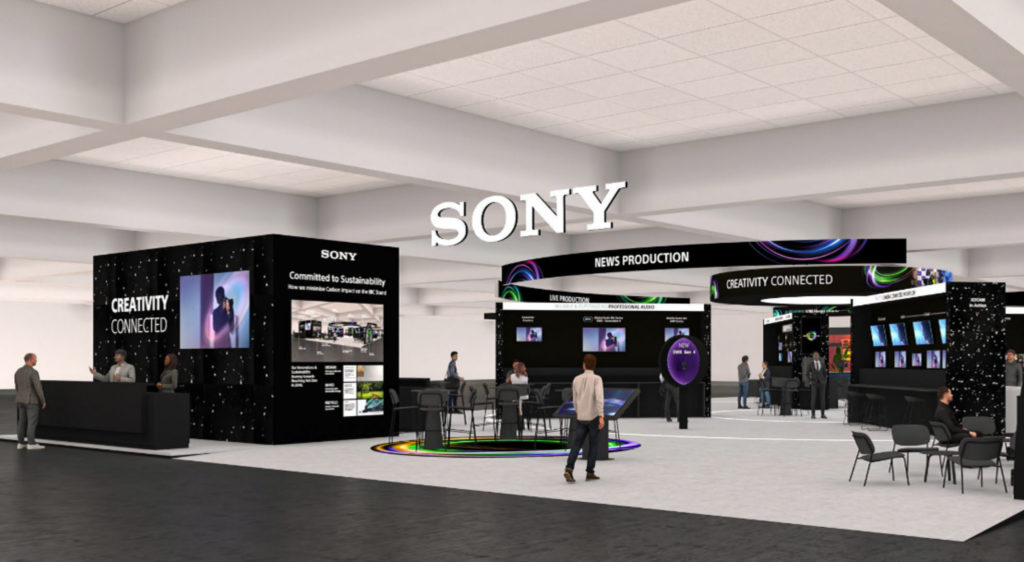
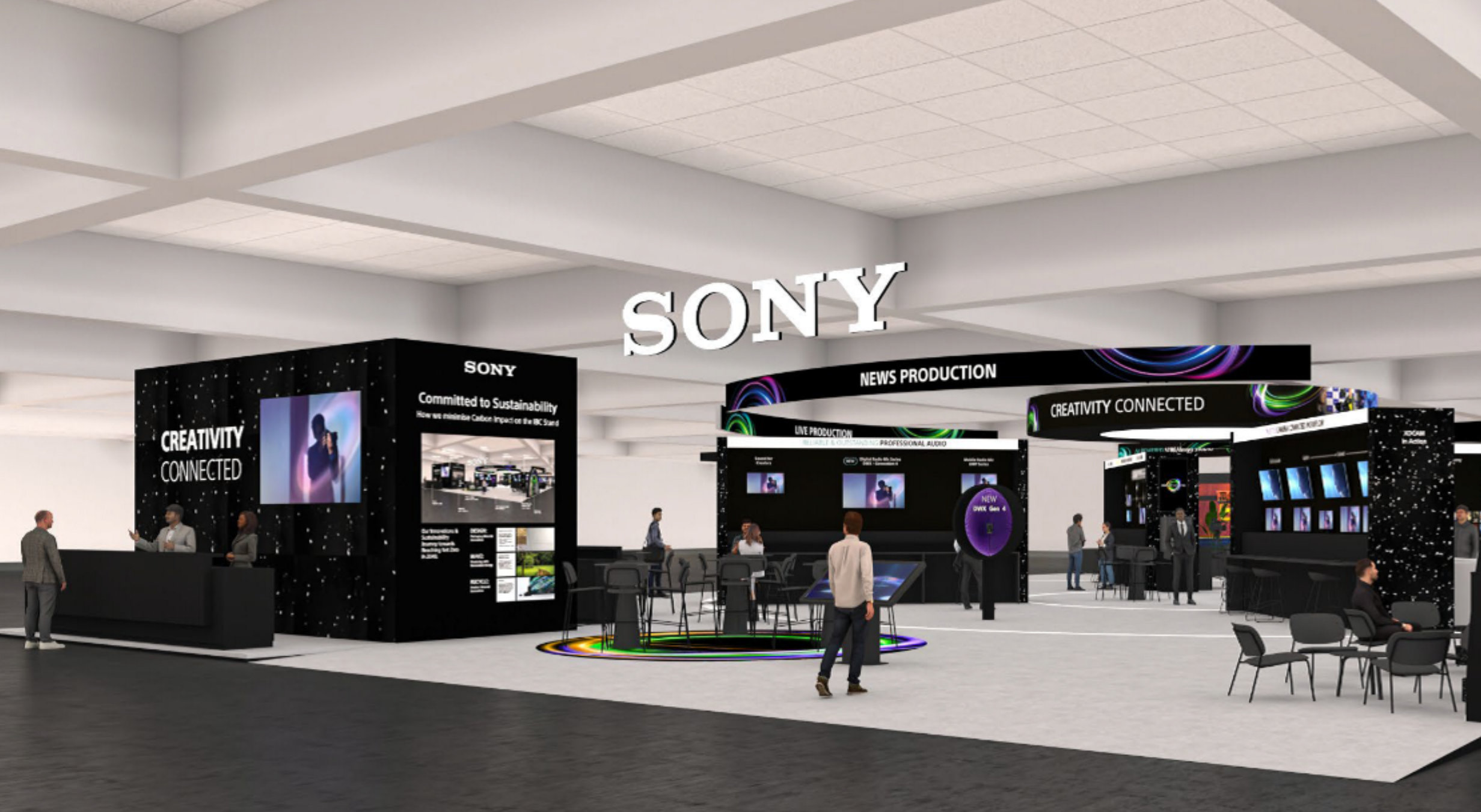
Under the banner of "Creativity Connected," Sony’s showcase in Hall 13 represents a comprehensive ecosystem approach. Rather than presenting isolated hardware products, the technology giant is demonstrating how cloud-native workflows, next-generation imaging, software-defined architectures, and state-of-the-art audio systems converge to liberate creators from traditional operational constraints.
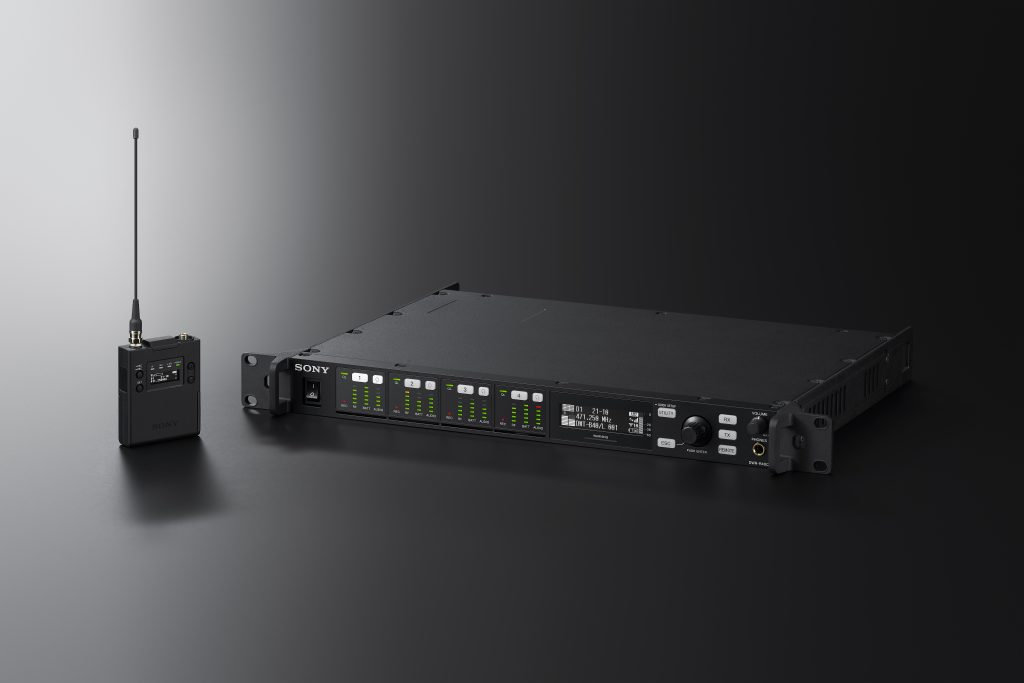
Among the headline announcements is the debut of the fourth-generation DWX Series Digital Wireless Audio System, featuring the DWT-B40 bodypack transmitter and the DWR-R40Q rack-mount receiver. In the imaging arena, Sony has expanded its legendary Cinema Line with the introduction of the Cinema Line Camera FX5 and the ultra-compact RIALTO 65 image sensor block.
Complementing these hardware milestones are significant software updates—such as Catalyst Prepare 3.0 and major updates to the Monitor & Control application—designed to unify on-set acquisition with post-production pipelines. By positioning itself at the intersection of high-end cinema, IP-based live broadcast, and AI-driven automation, Sony’s IBC 2026 portfolio lays the groundwork for how entertainment will be produced, processed, and distributed through 2027 and beyond.
Technical Breakdown: Next-Generation Audio and Imaging Architecture
Sony’s engineering philosophy at IBC 2026 centers on reducing physical footprint while maximizing output quality, operational reliability, and creative flexibility. This approach is evident across their latest audio, imaging, and optical innovations.
[Sony Acquisition Ecosystem]
       │
       ├─► Audio: DWX Gen 4 (DWT-B40 / DWR-R40Q) ──► Ultra-low Latency RF
       │
       ├─► Imaging: Cinema Line FX5 (Stacked CMOS) ──► High-Speed Readout
       │
       └─► Optics: FE 8-14mm F3.5 Fisheye G ──► Stereoscopic 3D via RIALTO 65
The 4th Gen DWX Wireless Audio System: DWT-B40 and DWR-R40Q
As the RF spectrum becomes increasingly congested due to the global rollout of 5G networks and consumer wireless devices, professional audio engineers require transmission systems that guarantee rock-solid stability without sacrificing acoustic fidelity. The fourth generation of the DWX Digital Wireless Microphone Series directly addresses these critical environmental challenges.
The DWT-B40 bodypack transmitter and the DWR-R40Q rack-mount receiver represent a significant evolution in digital wireless audio. Key architectural highlights of this fourth-generation system include:
- Advanced RF Transmission Reliability: Utilizing optimized digital modulation schemes, the system maintains a stable link even in high-density RF environments, minimizing dropouts during critical live broadcasts or theatrical performances.
- Intuitive, High-Density Operability: Designed for rapid deployment, the user interface on both the transmitter and receiver has been simplified. This allows operators of varying technical backgrounds to configure multi-channel setups quickly.
- Form Factor and Efficiency: The DWT-B40 features a lightweight, ruggedized chassis designed for discreet placement on talent, coupled with highly efficient power management to extend operational battery life on set.
- Future-Proof Timeline: While the system is on active display for hands-on evaluation at IBC 2026, Sony has scheduled the commercial shipping release for March 2027, giving production companies ample time to plan their hardware lifecycle upgrades.
Expanding the Cinema Line: The Debut of the FX5 and RIALTO 65
Sony’s Cinema Line has established a dominant position in modern filmmaking, from indie documentaries to Hollywood blockbusters. At IBC 2026, Sony is expanding this lineup to address the demand for more agile, high-performance acquisition tools.
Cinema Line Camera FX5
Positioned strategically within the lineup, the new FX5 bridges the gap between the compact mobility of the FX3 and the broadcast-ready functionality of the FX6. The cornerstone of the FX5 is its newly developed, fully stacked CMOS image sensor.
By stacking the pixel section, high-speed signal processing circuitry, and memory latching on separate layers, the sensor achieves exceptionally fast readout speeds. This architecture virtually eliminates rolling shutter distortion, making the FX5 ideal for high-speed action, drone cinematography, and rapid panning. Additionally, the stacked design enhances low-light performance and dynamic range, ensuring rich color gradation in challenging high-contrast environments.
RIALTO 65 Image Sensor Block
For filmmakers utilizing large-format cinematography, the debut of the RIALTO 65 image sensor block is a major highlight. Building on the success of the original VENICE Extension System, the RIALTO 65 allows operators to separate the sensor block from the camera body.
Optimized for 65mm/large-format sensor configurations, this system enables cinematographers to position the camera’s "eye" in incredibly tight spaces—such as inside vehicles, on compact gimbals, or on complex crane rigs—without sacrificing the cinematic depth of field, resolution, and dynamic range inherent to large-format capture.
+-----------------------------------------------------------------+
|                    RIALTO 65 Extension System                   |
+-----------------------------------------------------------------+
|  [Sensor Block (65mm)] <====== Tether Cable ======> [Camera Body]  |
|  - Ultra-lightweight                                - Recording |
|  - Fits tight spaces                                - Power     |
|  - Ideal for Gimbals                                - UI/I/O    |
+-----------------------------------------------------------------+
Advanced Optics and Precision Monitoring
High-resolution sensors are only as good as the glass in front of them and the monitors used to evaluate their output. Sony has addressed both ends of this imaging chain at IBC 2026.
FE 8-14mm F3.5 Fisheye G Lens
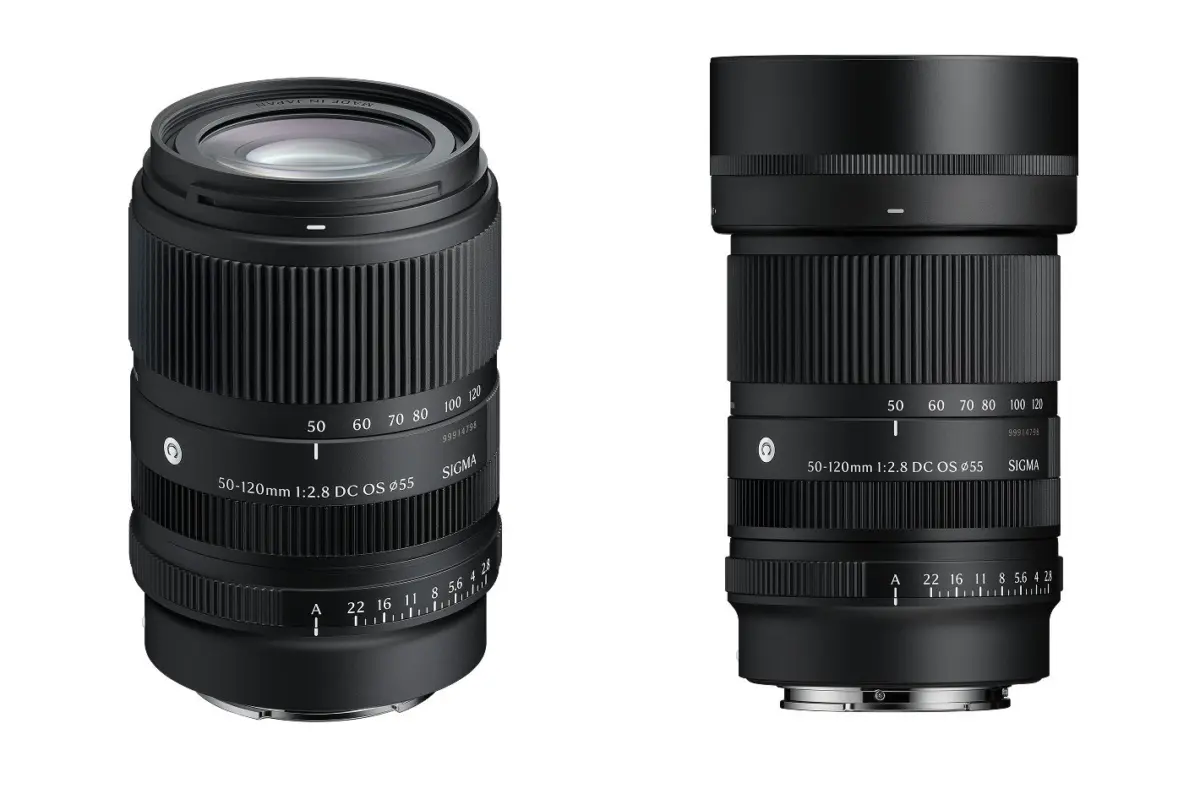
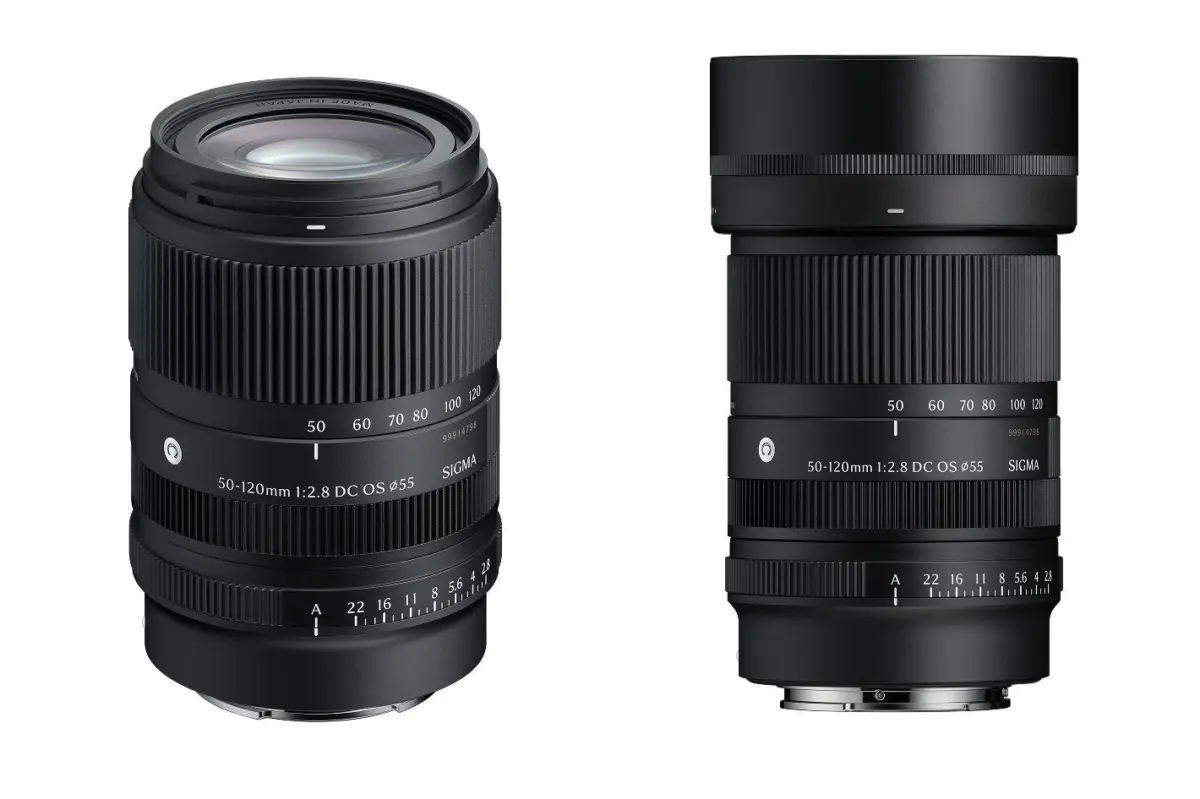
In a significant optical milestone, Sony introduced its first-ever fisheye zoom lens, the FE 8-14mm F3.5 Fisheye G. While highly versatile on its own, its true power is unlocked when paired with the VENICE Extension System Mini.
This combination enables a precise 64mm optical-axis distance, which closely mirrors the natural human inter-pupillary distance. This mechanical alignment is critical for capturing natural, distortion-free stereoscopic 3D and immersive virtual reality (VR) content, providing a highly convincing sense of depth for the viewer.
DP7 and DP5 Production Monitors
To ensure accurate image evaluation on set and in master control, Sony introduced the DP7 and DP5 monitors. Engineered for high-end color grading and HDR monitoring, these displays offer:
- Reference-Grade Color Reproduction: Precise mapping of wide color gamuts (including DCI-P3 and BT.2020) to ensure what is captured on set translates accurately to post-production.
- Integrated Remote Camera Control: Operators can adjust camera parameters directly from the monitor interface, streamlining workflows on complex multi-camera sets or remote broadcast environments.
Software Ecosystem Updates
The hardware announcements are supported by powerful updates to Sony’s software utilities:
- Monitor & Control Update: The updated mobile and tablet application now includes EL Zone exposure monitoring. Unlike traditional false color, which maps exposure to arbitrary IRE values, the EL Zone system displays exposure in stops relative to 18% middle gray. This provides cinematographers with a highly intuitive, stop-based visualization of their exposure latitude. Furthermore, the update introduces multi-camera control tailored specifically for vertical video, reflecting the growing demand for high-end mobile-first content.
- Catalyst Prepare 3.0: Sony’s ingest and media preparation software has been upgraded to support the highly efficient X-OCN C1/C2 compressed raw formats. This update also introduces intelligent, metadata-based clip selection and enhanced gyro-stabilization algorithms, dramatically reducing the time required to prep and stabilize footage before editing.
Real-World Use Cases: Inside Hall 13’s Immersive Ecosystems
Rather than presenting static displays, Sony’s space in Hall 13 is organized into interactive, real-world production environments. These live setups demonstrate how their technologies integrate to solve modern production challenges.
| Production Environment | Core Technologies Demonstrated | Target Application & Workflow Benefit |
|---|---|---|
| Cinematic Live | FX5, FX9, VENICE 2, DP7 Monitors, IP/ST 2110 Infrastructure | Bridges the gap between cinema aesthetics and live broadcast efficiency; brings shallow depth-of-field and rich color science to live events. |
| AR & IP Broadcast Studio | RIALTO 65, BRC-series PTZ cameras, Virtual Placement Software, SMPTE ST 2110 | Shows how high-bandwidth, low-latency IP routing allows real-time augmented reality graphics to blend seamlessly with physical studio elements. |
| Immersive Production | VENICE Extension System Mini, FE 8-14mm Fisheye G, Spatial Audio | Designed for VR, XR, and theme park installations, showcasing how stereoscopic capture and spatial audio create lifelike environments. |
| AI-Powered Streaming & Podcasting | DWX Gen 4 Audio, PTZ Auto-Tracking, Automated Cloud Switchers | Demonstrates how solo creators or small crews can produce network-quality talk shows using AI-driven camera tracking and automated audio mixing. |
Thought Leadership and Industry Panel Debates
To address the broader challenges facing the industry, Sony is leading two high-profile panel discussions in the Showcase Theatre (Hall 3). These sessions aim to provide concrete strategies for navigating the rapid shifts in broadcast and virtual production.
Panel 1: "A Software Revolution: The Future of Broadcast Workflows"
This session explores the transition of broadcast infrastructure from proprietary, hardware-based appliances to Software-Defined Architecture (SDA) and cloud-native microservices.
The panel of industry experts discusses how broadcasters can move away from rigid, expensive CapEx cycles toward flexible, OpEx-driven cloud models. Key topics include the integration of virtualized switchers, real-time cloud routing, and the role of AI in automating redundant tasks like metadata tagging, closed captioning, and multi-platform distribution.
Panel 2: "The New Frontier: Redefining Multi-Camera Virtual Production"
Virtual production using LED volumes has revolutionized filmmaking, but multi-camera shoots in these environments present unique technical challenges. This panel addresses issues such as moiré patterns, scan-line synchronization, and the computational limits of rendering real-time camera-tracked backgrounds for multiple perspectives simultaneously.
Sony’s experts demonstrate how their hardware-software synergy—specifically the integration of Crystal LED walls, VENICE cameras, and advanced tracking metadata—helps solve these issues, making multi-camera virtual production faster and more cost-effective.
Official Statements and Strategic Alignment
The innovations presented at IBC 2026 are part of a long-term strategic plan to position Sony not just as an equipment manufacturer, but as an end-to-end workflow partner.

Olivier Bovis, Head of Media Solutions Business at Sony Europe, highlighted this vision:
“At this year’s IBC show, Sony’s theme of ‘Creativity Connected’ will demonstrate how our technologies are the driving force behind the authentic and creative storytelling delivered by our customers. As the demand for innovations to cope with the ever-transforming sector continues to grow, Sony will present real-world examples for co-creating the future of entertainment with an ever-broader community of partners & creators.”
                       [Co-Creation Initiative]
                                  │
         ┌────────────────────────┼────────────────────────┐
         ▼                        ▼                        ▼
[Software-Defined]        [AI Integration]        [Partner Ecosystem]
  - Cloud Workflows         - Auto-Tracking         - Open API Standards
  - Microservices           - Smart Metadata        - Interoperability
This statement underlines a key shift in Sony’s business model. By focusing on "co-creation," the company is emphasizing open APIs, cloud interoperability, and partnerships with third-party software developers. This approach ensures that Sony’s hardware fits cleanly into existing production environments, whether they are based on-premises, in the cloud, or in hybrid configurations.
Future Outlook: The Roadmap to 2027 and Beyond
As the industry looks past IBC 2026, the technologies showcased by Sony offer a clear view of where production workflows are headed over the next several years.
- The Democratization of High-End Cinema Tools: The introduction of cameras like the FX5, combined with stop-based monitoring systems like EL Zone, shows that cinematic production values are no longer reserved solely for big-budget feature films. These tools are becoming increasingly accessible to independent filmmakers, documentarians, and commercial creators.
- IP and Cloud-Native Standardization: The industry’s transition to SMPTE ST 2110 and cloud-based routing is accelerating. Sony’s focus on software-defined workflows indicates a future where physical control rooms will increasingly coexist with—or yield to—virtualized, decentralized production environments.
- The Rise of Spatial and Immersive Media: As virtual reality, augmented reality, and dome-based projection venues continue to grow, tools like the FE 8-14mm Fisheye G lens and the RIALTO 65 system will play an important role. These tools simplify the complex capture process required for immersive 3D environments, helping creators produce high-quality spatial content more efficiently.
- AI as a Creative Partner: Rather than replacing human operators, AI tools are being positioned to handle repetitive tasks—such as auto-tracking, initial audio leveling, and metadata generation. This allows creative professionals to focus on storytelling, composition, and performances.
Sony’s showing at IBC 2026 makes a compelling case that the future of media production relies on interconnected systems. By linking advanced imaging, reliable audio, and flexible software tools into a single, cohesive ecosystem, Sony is helping creators navigate an evolving industry and shaping the future of global entertainment.