







Executive Overview
The modern digital creator economy is often marketed as a landscape of boundless entrepreneurial freedom, digital sisterhood, and self-made success. However, beneath the curated aesthetics and multi-million-dollar brand sponsorships lies a hyper-competitive corporate ecosystem driven by venture capital, aggressive talent management, and high-stakes media conglomerates.
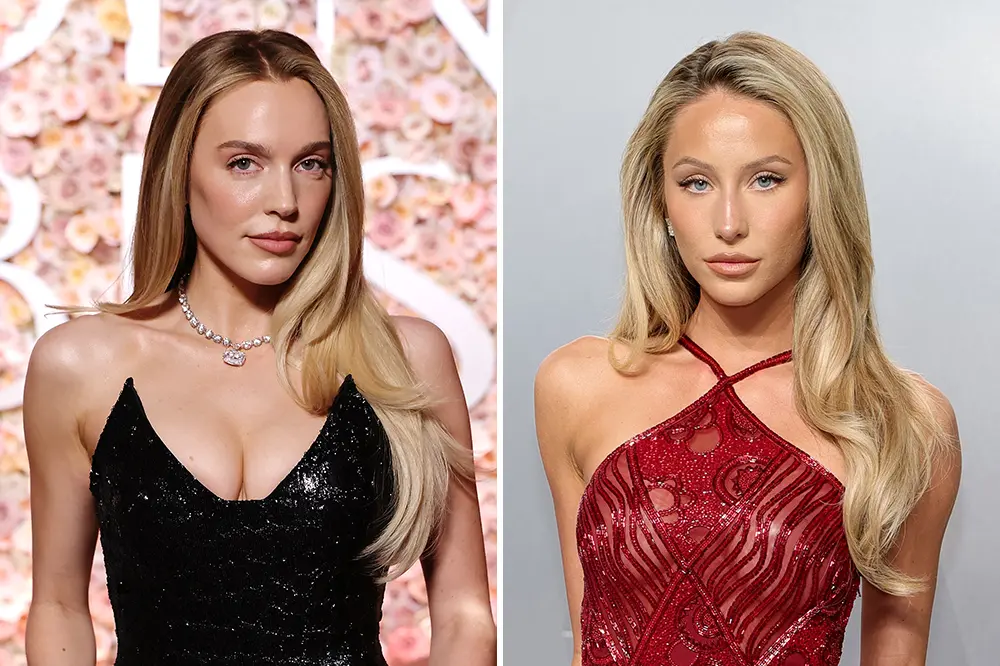
Few events have laid bare the cutthroat corporate mechanics of the creator economy quite the public implosion of the professional relationship between lifestyle mega-influencer Alix Earle and Call Her Daddy host Alex Cooper.
What began as a promising strategic alliance in 2023—when Earle launched her hit podcast Hot Mess under Cooper’s burgeoning Unwell media network—has devolved into a bitter, highly publicized feud. For months, the underlying reasons behind Earle’s sudden departure from the network remained speculative, shrouded in PR statements and corporate non-answers.
However, the season finale of Earle’s new reality television series, Earle Meets World, shattered this carefully maintained silence. In an emotionally raw, unfiltered sequence, Earle addressed the rift directly for the first time, exposing a litany of grievances that stretch from alleged boardroom intimidation and predatory contract dynamics to manipulative content strategies and a profound betrayal of trust.
This deep-dive analysis examines the anatomy of the Earle-Cooper feud, tracing its origins from a celebrated mentorship to a toxic business separation. We explore the broader implications for the creator economy, the growing power imbalances within influencer-led media networks, and what this high-profile fallout signals for the future of digital stardom.
Detailed Chronology: From Mentorship to Media War
1. The Honeymoon Phase: 2023 and the Birth of Hot Mess
The alliance between Alix Earle and Alex Cooper initially appeared to be a match made in digital heaven. In 2023, Earle was experiencing a meteoric rise to fame, captivating millions of followers with her unfiltered "Get Ready With Me" (GRWM) TikTok videos, relatable college lifestyle content, and transparent vulnerability.
Sensing a generational shift in digital media consumption, Alex Cooper—who had successfully transitioned her own massive brand into the Unwell media network following a multi-million-dollar deal with Spotify—recruited Earle. The goal was simple yet ambitious: house Earle’s brand-new podcast, Hot Mess, under the Unwell umbrella.
At the time, the partnership was hailed as a masterclass in cross-generational influencer collaboration. Cooper positioned herself as an industry veteran and older sister figure to the younger creator, offering guidance in navigating the complex waters of mainstream podcasting and digital monetization. Earle, trusting Cooper’s experience and corporate backing, jumped at the opportunity.
2. The Slow Fading of Support and Strategic Marginalization
Behind the polished promotional campaigns and chart-topping podcast debuts, tensions began to brew. According to revelations shared in Earle Meets World by both Alix Earle and her father and manager, TJ Earle, the promised institutional backing for Hot Mess began to evaporate as time went on.
TJ Earle alleged that his daughter’s podcast was systematically starved of the resources, marketing push, and structural prioritization afforded to other projects within the Unwell network. Furthermore, Alix noted a distinct cooling in personal and professional relations: Cooper allegedly ceased inviting Earle to exclusive network events, parties, and high-profile industry gatherings.
The partnership was quietly unraveling long before the public became aware. Compounding the professional insult, Earle revealed that she did not learn she was being dropped from the Unwell network through a direct conversation with Cooper or corporate executives; instead, she found out through trade reports and media leaks.
3. April Public Confrontation and the "Fake Drama" Accusations
The latent tension spilled into the public sphere in April, when Alex Cooper took to TikTok to openly call out Earle. In the video, Cooper accused Earle of manufacturing "fake drama" and alleged that the influencer was actively reposting passive-aggressive content regarding their feud—including a particularly pointed video that compared Cooper to an "ambulance chaser."
Challenging Earle’s silence, Cooper explicitly goaded her former protégé:
"There’s no NDA. No one is stopping you. Stop hiding behind other people and just say it yourself. What’s the beef?"
Despite the public provocation, Earle maintained her silence at the time—a restraint she later attributed to genuine fear. Behind closed doors, however, the pressure was immense.
4. The Reality TV Reckoning: Earle Meets World Finale
The culmination of this months-long standoff arrived in the season finale of Earle Meets World. Far from maintaining a diplomatic, PR-friendly stance, Earle pulled back the curtain on the toxic dynamics of her business dealings with Cooper.
Earle admitted to her family that her prolonged silence was rooted in intimidation. She recounted a chilling warning allegedly delivered by Cooper during a private phone call:
"You don’t want to go to war with me."
For an impressionable young creator still finding her footing in the upper echelons of the entertainment industry, the threat had its intended chilling effect. Yet, as the reality show finale demonstrated, Earle reached a breaking point, deciding that the fear of retaliation was no longer enough to keep her quiet.
Supporting Context & Metrics: The Business of Influence
To fully understand the weight of the Earle-Cooper fallout, one must examine the macroeconomics of the modern influencer economy. Media networks built around lifestyle creators are multi-million-dollar corporate entities that operate on aggressive growth metrics, ad-revenue sharing, and intellectual property (IP) control.
The Unwell Network Blueprint
Alex Cooper’s Unwell network was designed to replicate the immense monetization power of Call Her Daddy across a diverse roster of digital personalities. For creators like Alix Earle, joining such a network offers immediate access to professional production teams, high-tier advertising sales executives, and cross-platform promotional machinery.
However, these partnerships often come with complex trade-offs:
- IP and Revenue Sharing: Creators frequently sign away a substantial percentage of ad revenue and, in some cases, equity or ownership stakes in their podcast IP.
- Corporate Control: As networks scale to satisfy investors and corporate partners, the personal relationships between founders and creators often give way to cold, transactional metrics. If a show’s growth curve plateaus or strategic alignments shift, creators can find themselves unceremoniously sidelined.
- The Power Imbalance: Established media moguls hold immense institutional leverage over younger creators who enter the industry with little background in contract law, corporate negotiation, or crisis management.
The Psychological Toll of Hyper-Visibility
Earle’s revelations on Earle Meets World also shed light on the darker psychological realities of digital fame. During her 2023 appearance on Call Her Daddy, Earle recalled being encouraged to consume alcohol prior to filming, followed by a line of questioning focused on sexually explicit topics.
Reflecting on that interview, Earle expressed a profound sense of betrayal:
"I’m imagining myself in her shoes, to take someone in college who’s young, impressionable, you know looks up to you, and then ask them these raunchy questions… It’s stuff that didn’t necessarily want to live on the internet forever."
This highlights a growing ethical debate within digital media: the line between authentic, confessional entertainment and the exploitation of young, newly minted influencers for clickbait metrics and shock-value engagement.
Official Statements and Untold Text Messages
The most explosive revelation from the Earle Meets World finale was the exhibition of a drafted, highly detailed text message that Earle ultimately considered sending to Cooper. While it remains unconfirmed whether the message was ever officially transmitted, its contents provide an unvarnished window into Earle’s perspective on the fractured partnership.
The Drafted Message: A Point-by-Point Breakdown
In the drafted text, Earle directly confronts Cooper’s public posturing and business ethics:
- On the Public Feud: "I wanted to write you directly and let you know I don’t like you. I’m not gonna fall for your bait of getting into a back-and-forth online, and I don’t think you want that either."
- On Corporate Ethics: "You are manipulative and toxic. Go ahead and say ‘it’s just a business’ all you want, but the way you approach business is disgusting. You choose money over morals."
- On Exploitation and Power Dynamics: "You took advantage of me at a young age in a new industry I knew nothing about. You are full of false promises, and ‘Unwell’ was a continuation of that. We had a call where you threatened me to not go to war with you, because you know how sick and twisted you are."
- On Intimidation and Resilience: "Go ahead. Share this, use it against me, but you will no longer scare or trap me. You’re right. I may be petty, but I’m not malicious. If there’s one thing I learned from doing business with you, it’s to never do business with anyone like you."
Neither Alex Cooper nor representatives for the Unwell network have issued a formal, point-by-point public rebuttal to the specific allegations broadcast in the reality show finale. However, the release of these details has triggered a massive wave of discourse across TikTok, X (formerly Twitter), and digital media analysis platforms, sharply dividing fan bases and industry observers alike.
Future Outlook: What the Fallout Means for the Creator Economy
The Alix Earle and Alex Cooper feud is far more than a high-society celebrity catfight; it serves as a watershed moment for the creator economy. As digital influencers increasingly transition from independent content creators to corporate executives and media moguls, the systemic vulnerabilities of the industry are becoming impossible to ignore.
1. A Shift Toward Legal Literacy and Representation
For years, many digital creators entered lucrative business partnerships based on informal handshakes, personal admiration, and minimal legal oversight. The Earle-Cooper fallout will likely serve as a cautionary tale, prompting younger influencers to secure aggressive legal representation, independent management, and stringent contract protections before tying their personal brands to larger media networks.
2. The Weaponization of Personal Brand vs. Corporate Infrastructure
Earle’s ability to bypass traditional PR channels and air her grievances directly through her own television show demonstrates the immense power of direct-to-consumer media narratives. Unlike traditional Hollywood actors who are bound by studio publicity machines, modern influencers own their distribution channels. Earle’s decision to air her side of the story on Earle Meets World proves that creators can successfully weaponize their own docuseries and social platforms to rewrite corporate narratives.
3. The Changing Face of Mentorship in Digital Media
The romanticized notion of established digital stars taking up-and-coming creators under their wing is facing a severe reality check. As billion-dollar valuations and corporate networks intersect with personal friendships, the incentives often align against genuine mentorship. Future collaborations will likely be viewed through a much more cynical, highly calculated lens by both creators and their audiences.
Conclusion
As the dust settles on the Alix Earle and Alex Cooper feud, one thing is abundantly clear: the gilded age of naive influencer partnerships is over. What remains is a hyper-professionalized, cutthroat industry where brand loyalty is secondary to bottom-line metrics, and where the battle for narrative control is fought in real-time across television screens and social media feeds. For Alix Earle, the painful split from Unwell has been costly, emotionally taxing, and publicly messy—but it has also marked her definitive transition from an impressionable college creator into an independent media force fully aware of her own power.