Executive Overview
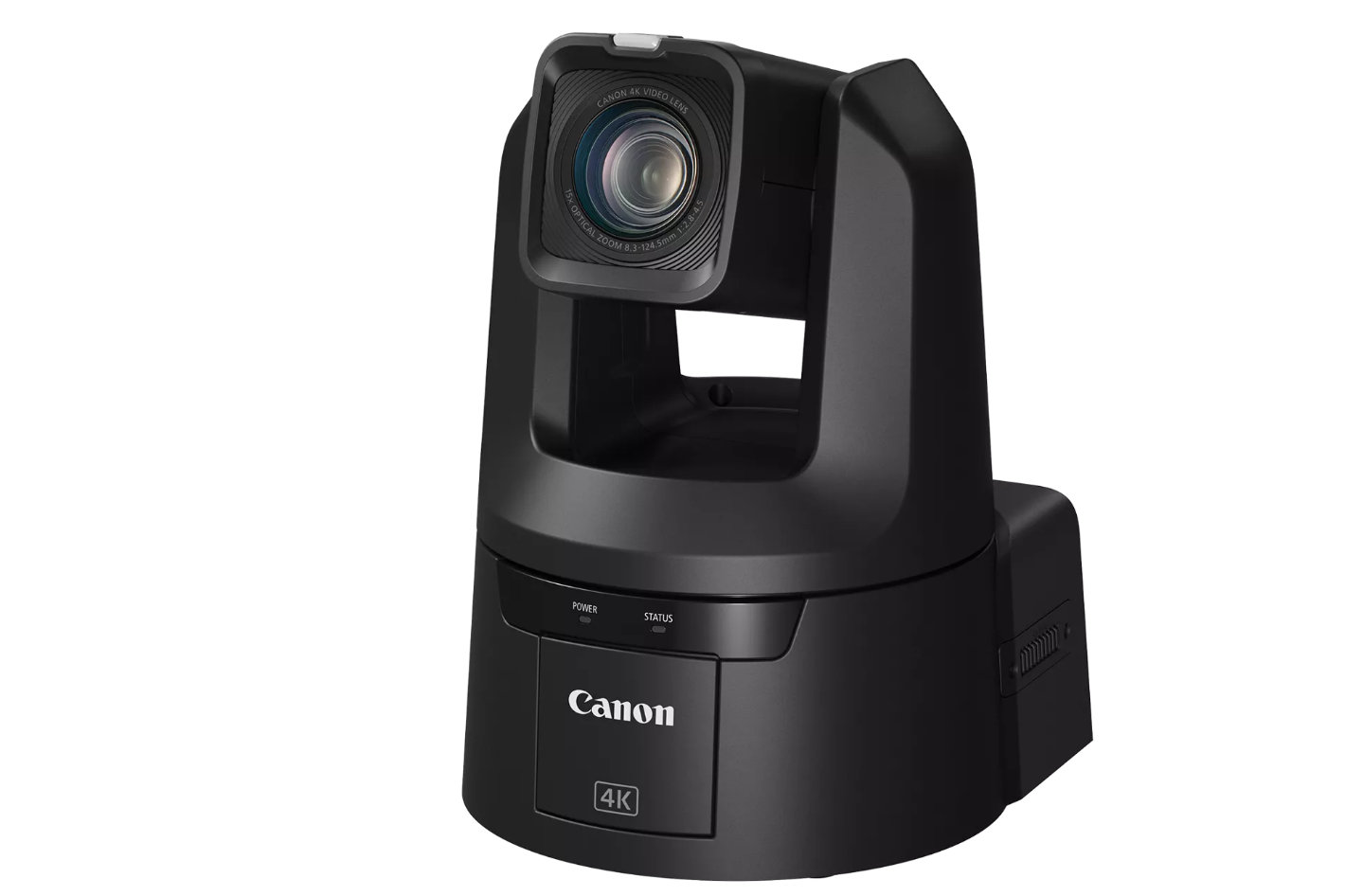
In an era defined by the rapid decentralization of video production, the demand for versatile, high-fidelity remote imaging solutions has reached unprecedented heights. Canon has announced a comprehensive suite of firmware updates designed to fundamentally upgrade the capabilities of its entire 4K pan-tilt-zoom (PTZ) remote camera lineup. Spanning hardware from the flagship CR-N700 to the accessible CR-N100 and the ruggedized CR-X300, this firmware rollout introduces key features designed to optimize operational workflows, reduce on-site personnel overhead, and bridge the historical gap between PTZ convenience and cinema-grade acquisition.
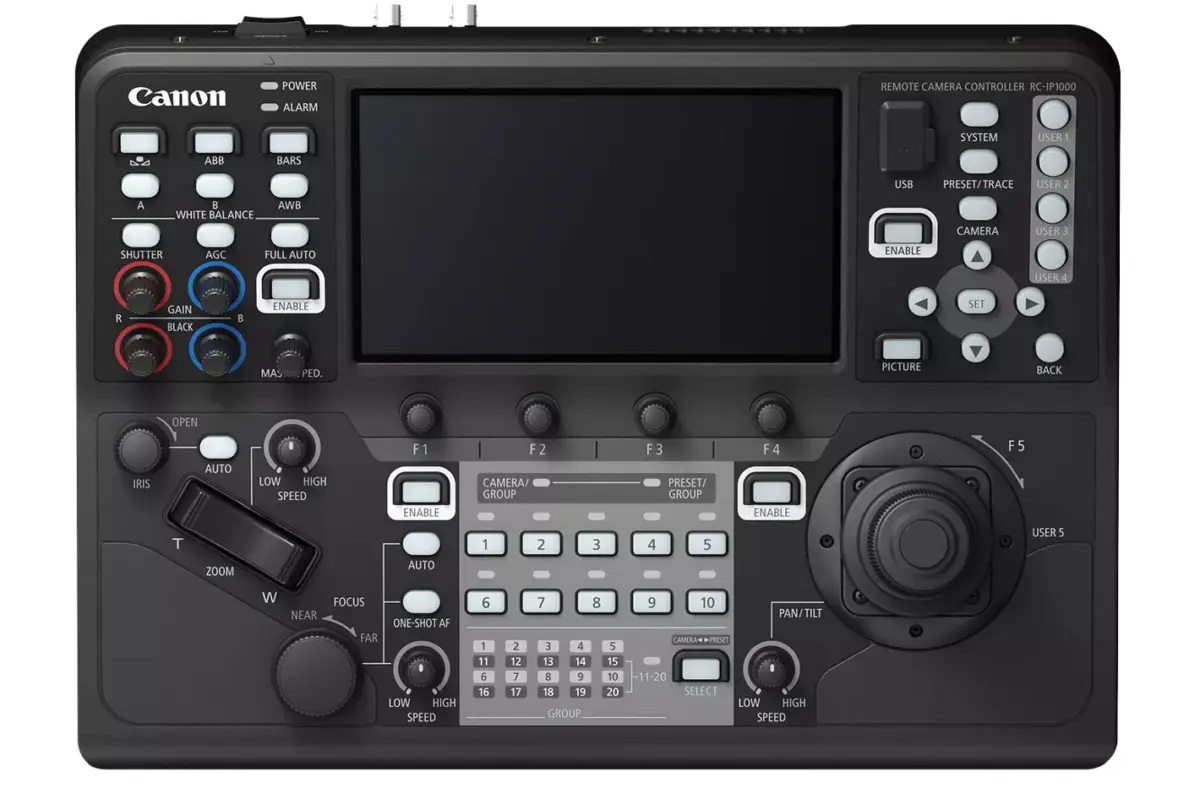
At the core of this announcement are two paradigm-shifting enhancements: On-Board SD Card Recording for select models and Face Registration Auto Tracking driven by advanced edge-computing algorithms. Additionally, the RC-IP1000 physical remote controller receives a major utility expansion, incorporating deeper third-party hardware integration and cross-platform camera control. By addressing critical pain points in live event production, corporate broadcasting, house of worship services, and reality television, Canon is positioning its remote imaging ecosystem not merely as a auxiliary toolset, but as a primary production architecture.
Detailed Chronology & Technical Deep-Dive
To understand the impact of Canon’s software-driven evolution, we must analyze the specific upgrades deployed across the product matrix. Rather than offering incremental patches, these updates introduce fundamental operational capabilities that redefine how PTZ cameras capture, store, and transmit data.
+-----------------------------------------------------------------------------------+
|                            CANON PTZ FIRMWARE MAP                                 |
+-----------------------------------------------------------------------------------+
|  Model   | On-Board Recording | Face-Registered Tracking | RC-IP1000 Integration  |
+----------+--------------------+--------------------------+------------------------+
| CR-N700  |  Yes (4K60p MXF)   |     Yes (Paid License)   | Full Control Link      |
| CR-N500  |  No                |     No                   | System Compatibility   |
| CR-N400  |  Yes (4K60p MXF)   |     Yes (Paid License)   | Full Control Link      |
| CR-N350  |  No                |     Yes (Paid License)   | System Compatibility   |
| CR-N300  |  No                |     No                   | System Compatibility   |
| CR-N100  |  No                |     No                   | System Compatibility   |
| CR-X300  |  No                |     No                   | System Compatibility   |
+-----------------------------------------------------------------------------------+
1. On-Board SD Card Recording (CR-N700 and CR-N400)
Historically, PTZ cameras have functioned primarily as "pass-through" imaging heads, relying entirely on external recorders, production switchers, or hardware encoders to capture footage. The introduction of internal SDXC card recording to the CR-N700 and CR-N400 fundamentally alters this workflow.
- High-Bitrate Codec Support: The cameras can now record 4K 60p video directly to internal SDXC media at bitrates reaching up to 600 Mbps. This ensures that even in the event of a network outage or transmission failure, a pristine, broadcast-ready master is preserved locally.
- Dual-Format Architecture: To accommodate varying post-production pipelines, Canon supports both the broadcast-standard, MXF-based XF-AVC codec (offering robust metadata retention and intra-frame efficiency) and the highly versatile, web-friendly MP4 wrapper.
- Decentralized Control & Playback: Triggering the internal capture mechanism is highly flexible. Operators can initiate recording via the physical RC-IP1000 controller, the camera’s native Web-UI, or through Canon’s proprietary software suite, including the Remote Camera Control Application and Multi-Camera Control Application.
- Media Mode & FTP Automation: When switched to "Media Mode," the PTZ cameras function as localized servers. Users can review captured clips directly from the RC-IP1000 touchscreen or a remote web browser. More importantly, the system enables automated or selective FTP uploading, allowing recorded files to be pushed directly to remote editing bays or cloud storage platforms without physical card retrieval.
2. Face Registration Auto Tracking (CR-N700, CR-N400, and CR-N350)
Automated camera tracking has transitioned from a novel luxury to an operational necessity. Canon’s updated Auto Tracking Application (available via a paid license) introduces a highly sophisticated facial recognition engine that mitigates the unpredictability of live environments.
[Camera Sensor Feed]
         │
         ▼
[Face Detection Engine] ──► [Priority Face Database]
         │                               │
         ▼                               ▼
[Dynamic Framing Algorithm] ◄── [Match Identified Target]
         │
         ▼
[PTZ Motor Execution] (Smooth Pan/Tilt/Zoom Adjustment)- Priority Face Identification: Rather than tracking the closest moving object or the largest face in the frame, the new system allows operators to register specific faces. The camera’s internal computer vision algorithms will identify and prioritize the registered individual, maintaining lock even if other subjects cross the field of view.
- Granular Framing Steps: The update increases the stepping resolution of the framing adjustments. This allows for smoother, more organic pan-and-tilt movements that mimic the subtle, anticipatory adjustments of a human operator.
- Preset Integration: This feature bridges the gap between static presets and dynamic tracking. Operators can link specific auto-tracking parameters to physical camera presets. For example, executing "Preset 1" could instantly configure the camera to frame a wide stage shot and begin tracking the presenter, while "Preset 2" could return the camera to a static close-up of a podium, disabling tracking automatically.
3. RC-IP1000 Controller Utility Expansion
The RC-IP1000 controller serves as the nervous system of Canon’s remote production ecosystems. The new firmware expands its integration capabilities, making it a more powerful tool for multi-camera operators.
- Stream Deck & Independent Camera Control: Through expanded Stream Deck support, operators can assign preset execution commands for secondary, background PTZ cameras to external keys. This allows the primary operator to trigger movements on auxiliary cameras without losing direct joystick and dial control over the primary active camera.
- Dedicated Function Mapping: Key system parameters—such as Auto Tracking toggle, Auto Loop sequences, and physical movement Trace recording—can now be mapped directly to dedicated physical buttons, eliminating the need to navigate nested touchscreen menus mid-broadcast.
- Cinema EOS Integration: In a move that unites Canon’s distinct product lines, the firmware adds support for the Canon EOS C50 cinema camera. This allows a single operator using the RC-IP1000 to manage a hybrid environment featuring both PTZ cameras and traditional large-format cinema systems, ensuring matching color profiles and synchronized control layouts.
Supporting Context & Market Metrics
The introduction of these firmware updates is a strategic response to a rapidly changing market. According to recent industry analyses, the global PTZ camera market is projected to grow significantly over the next decade, driven by the adoption of remote production workflows (REMI) and IP-based video transport protocols like NDI, SRT, and SMPTE ST 2110.
The Shift to "Single-Operator" Production
In commercial, corporate, and educational environments, production budgets are increasingly constrained. This pressure has driven the adoption of automated systems that allow a single operator to manage multi-camera setups.
Traditional Multicam Production:
[Camera 1 Operator]
[Camera 2 Operator]  ──► [Technical Director / Switcher] ──► [Program Out]
[Camera 3 Operator] /

Canon IP-Enabled Workflow:
[Single Operator + RC-IP1000 + Stream Deck] ──► [Multiple PTZs with Auto-Tracking] ──► [Program Out]
By integrating Face Registration Auto Tracking and Stream Deck-driven independent camera control, Canon enables a single operator to deliver high-production-value broadcasts. The automated tracking reduces the physical cognitive load on the operator, allowing them to focus on switching, audio leveling, and overall show direction.
The Redundancy Imperative
In professional broadcasting, signal loss is not an option. While IP transmission protocols like SRT (Secure Reliable Transport) feature built-in packet recovery, network infrastructure remains a potential point of failure. The addition of internal 600 Mbps XF-AVC recording directly to the CR-N700 and CR-N400 provides a reliable physical safety net. Broadcasters can confidently transmit a low-latency IP stream for live viewing, knowing that a pristine master copy is being captured locally to solid-state media.
Strategic Analysis & Business Impact
This firmware release highlights an important trend in the professional imaging market: the shift from hardware-centric product lifecycles to software-defined longevity.
Historically, hardware manufacturers relied on frequent product releases to introduce new capabilities, often leaving existing customers behind. Canon’s decision to deliver major features—like internal recording and advanced computer vision—via firmware updates to existing models shows a commitment to protecting customer investments.
   Traditional Hardware Lifecycle:
   [Year 1: Purchase Gen 1] ──► [Year 3: Gen 1 Obsolete] ──► [Year 4: Purchase Gen 2]

   Canon Software-Defined Lifecycle:
   [Year 1: Purchase CR-N700] ──► [Year 2: Firmware Upgrade] ──► [Year 3: Paid App License] ──► [Year 4: Peak Value]
This strategy offers several key advantages:
- Lower Total Cost of Ownership (TCO): Organizations can deploy Canon PTZ systems knowing their capabilities will expand over time without requiring expensive hardware replacements.
- Monetization of Software Services: By offering advanced tracking features as a paid application license, Canon is diversifying its revenue streams, moving toward a recurring or software-as-a-service (SaaS) model within its hardware ecosystem.
- Sustainability: Extending the operational lifespan of existing hardware helps reduce electronic waste, aligning with global corporate sustainability goals.
Future Outlook & Technological Roadmap
As the industry moves toward deeper integration of remote workflows, the line between PTZ systems and high-end cinema cameras will continue to blur. The updates scheduled for full release by October 2026 represent a key step in this ongoing convergence.
Looking ahead, we can expect several key trends to shape the remote imaging landscape:
- On-Camera Edge AI: Future PTZ models will likely feature dedicated neural processing units (NPUs) capable of running real-time posture analysis, skeletal tracking, and automated scene composition directly on the camera, without requiring external servers.
- Cloud-Native Integration: The direct-to-FTP capabilities introduced in this update point toward a future where PTZ cameras stream high-quality footage directly to cloud-based non-linear editing (NLE) platforms, allowing for near-instantaneous remote editing.
- Unification of Control Protocols: The integration of the EOS C50 cinema camera with the RC-IP1000 controller suggests a broader industry push toward unified control interfaces, where robotic platforms, cinema systems, and virtual production tools are managed through a single, standardized ecosystem.
Ultimately, Canon’s latest firmware roadmap demonstrates that the value of a professional camera is no longer determined solely by its physical sensor and glass, but by the intelligence of the software that controls it. By adding local recording, intelligent tracking, and expanded control options to its PTZ lineup, Canon is helping shape the next generation of remote video production.