Executive Overview
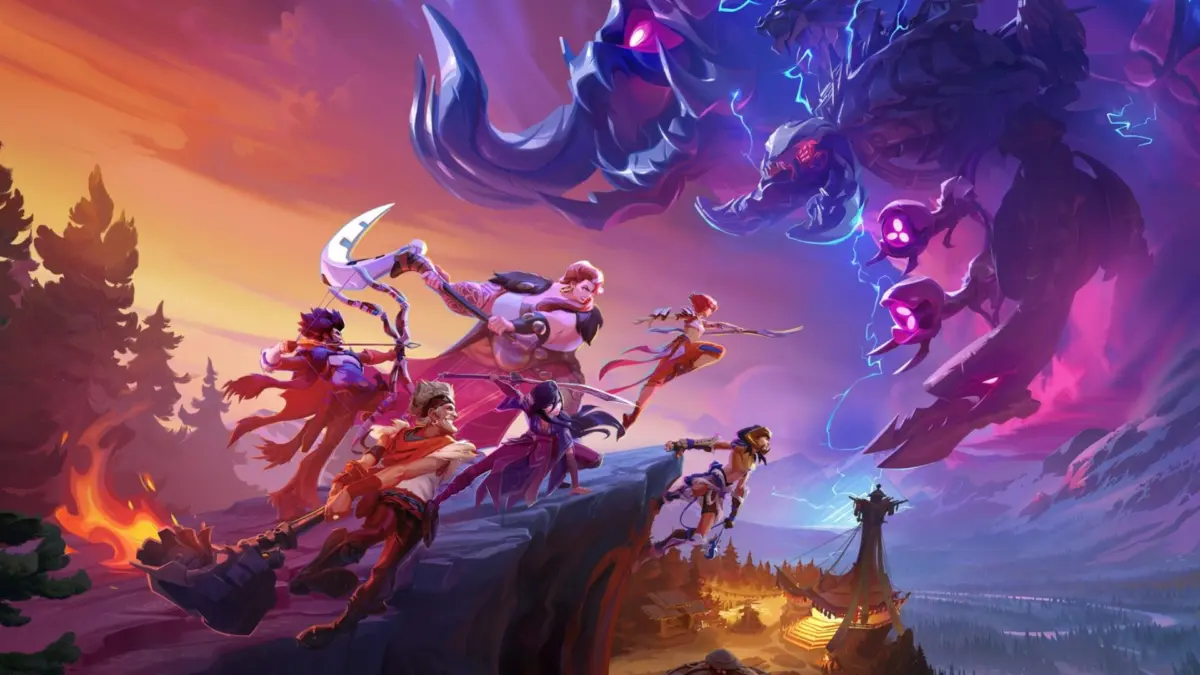
PlayStation’s ambitious push into the live-service games market has hit another major roadblock. Guerrilla Games, the Sony-owned subsidiary renowned for its critically acclaimed single-player epics, is reportedly overhauling its upcoming cooperative multiplayer title, Horizon Hunters Gathering. According to internal reports, the game is being stripped of its live-service architecture entirely following disappointing playtest feedback earlier this year.
The pivot represents a dramatic shift in direction for a project that has absorbed the lion’s share of Guerrilla’s studio resources for years. Rather than a continuously updated, monetized service model, Horizon Hunters Gathering is now being restructured into a more traditional, scoped-down multiplayer experience complete with a dedicated story mode.
This strategic retreat highlights a broader, industry-wide reckoning at Sony Interactive Entertainment. Over the past several years, PlayStation has struggled to replicate the monumental, long-term success of traditional live-service juggernauts. What began as a high-stakes, multi-billion-dollar corporate initiative to field at least 10 live-service games by 2026 has devolved into a cascade of project cancellations, studio closures, large-scale layoffs, and desperate strategic pivots. As executive patience wears thin, the development pipelines of Sony’s most prestigious first-party developers are facing unprecedented scrutiny.
Detailed Chronology: The Fall and Pivot of Horizon Hunters Gathering
The journey of Horizon Hunters Gathering reflects the turbulent operational climate inside modern AAA game development. For the past several years, the vast majority of Guerrilla Games’ workforce—reportedly "almost all" of the studio, according to industry reporting—has been laser-focused on developing this cooperative project within the beloved Horizon universe.
However, trouble began brewing earlier this year when internal and external playtests yielded negative feedback. The live-service mechanics, designed to retain player engagement over months and years through continuous content drops and monetization loops, reportedly failed to resonate with playtesters. Rather than pushing forward with a flawed framework, studio leadership made the difficult decision to halt and reevaluate.
During an internal studio meeting, executives at Guerrilla Games outlined a high-pressure roadmap for the team. Staff were reportedly told they have until December to hit a critical developmental milestone and convince leadership of the project’s viability under its new vision. The stakes are exceptionally high: many developers currently assigned to Horizon Hunters Gathering face potential reassignment to an alternative, unannounced project by the end of 2026.
This restructuring leaves the immediate future of the Horizon multiplayer spin-off shrouded in uncertainty. While a tiny core team at Guerrilla is reportedly in the early stages of plotting out the next mainline single-player entry in the Horizon franchise, that project remains years away from fruition, leaving the studio’s primary output in a state of extended transition.
Supporting Context & Metrics: PlayStation’s Troubled Live-Service Strategy
To understand the severity of the changes at Guerrilla Games, one must look back at the grand strategic pivot Sony announced to its investors in 2022. Eager to capture the recurring revenue streams characteristic of live-service giants like Fortnite, Apex Legends, and Destiny 2, PlayStation management committed to heavy investments in the multiplayer space. The objective was clear and aggressive: launch at least 10 live-service games by 2026.
The execution, however, has been plagued by friction, creative misalignments, and cultural clashes within PlayStation’s traditionally single-player-focused studios.
Cracks in the strategy began showing publicly in 2023. Months before ultimately canceling The Last of Us Online—a high-profile multiplayer project from Naughty Dog—Sony quietly pushed back the internal launch windows for half of its planned live-service portfolio. Around the same period, Bungie, acquired by Sony in 2022 for $3.6 billion to act as an internal live-service advisory pillar, began experiencing severe financial and operational turbulence, culminating in early staff reductions.
The situation escalated dramatically in late 2024 with the disastrous launch of Firewalk Studios’ sci-fi shooter, Concord. Released to apathetic market reception, the game was pulled offline a mere two weeks after its debut. Sony’s response was swift and uncompromising: Concord’s developer, Firewalk Studios, was entirely shuttered, alongside mobile development studio Neon Koi.
.png?disable=upscale&width=1200&height=630&fit=crop)
The purge did not stop there. Sony subsequently canceled two unannounced live-service titles originating from first-party mainstays Bluepoint Games and Bend Studio. The cancellation at Bend Studio reportedly resulted in immediate layoffs for an undisclosed number of external contractors.
Further compounding these losses, Sony completely closed Bluepoint Games in February, effectively ending the legacy of one of the industry’s premier remaster and remake studios. Meanwhile, Bungie’s flagship title, Destiny 2, saw its active development wind down significantly, accompanied by a devastating wave of layoffs that stripped the studio of nearly 300 employees.
PlayStation Live-Service Timeline & Retrenchment:
-----------------------------------------------------------------
2022: Sony announces plans for 10+ live-service games by 2026.
2023: 6 live-service titles delayed internally; The Last of Us Online canceled.
2024 (Aug): Concord launches and is shut down 2 weeks later; Firewalk Studios & Neon Koi closed.
2024-2025: Bluepoint Games & Bend Studio live-service projects scrapped; Bluepoint shuttered.
2025 (June): Destiny 2 active development ends; ~292 Bungie employees laid off.
2026 (Aug): Guerrilla Games reboots Horizon Hunters Gathering, dropping live-service entirely.
Industry-Wide Ripple Effects and Human Cost
Beneath the boardrooms, press releases, and shifting corporate roadmaps lies a profound human toll. The pivot toward live-service games—and the subsequent scrambling to undo those mistakes—has triggered a wave of job losses across the entire PlayStation ecosystem.
In 2024, Sony enacted a sweeping restructuring across PlayStation Studios, laying off approximately 900 employees globally to adapt to an "evolving economic landscape." Guerrilla Games was not spared from these cuts. Reports from Dutch media outlets at the time revealed that roughly 40 employees—constituting approximately 10 percent of Guerrilla’s total workforce—lost their jobs.
When corporate strategies pivot violently from single-player narrative masterpieces to reactive, metrics-driven live-service frameworks, and then back again under the weight of market rejections, it is the developers on the ground who bear the brunt of the instability. Years of creative labor, technical R&D, and artistic vision are frequently discarded overnight when corporate milestones are missed or market conditions shift.
The situation at Guerrilla Games—where a storied studio built on the heritage of Killzone and Horizon Zero Dawn spent years steering its entire apparatus toward a format that is now being hastily dismantled—serves as a cautionary tale for the modern AAA games industry.
Future Outlook: What Lies Ahead for Guerrilla and PlayStation?
As the dust settles on mid-2026, the long-term vision for PlayStation Studios looks markedly different than it did during the height of the live-service gold rush.
Sony’s leadership appears to be rediscovering the value of what made PlayStation a market leader in the first place: narrative-driven, single-player cinematic experiences that command high critical acclaim and steady, predictable hardware sales. The hasty retreat from live-service experimentation suggests that future greenlights will face unprecedented skepticism regarding monetization potential, player retention, and cultural fit within traditional studio workflows.
For Guerrilla Games, the immediate priority is survival and execution. Meeting the December milestone set by executives will determine whether the newly reimagined Horizon Hunters Gathering can be successfully salvaged as a traditional co-op adventure with a story mode. Beyond that, the long road toward a formal, mainline single-player Horizon sequel has barely begun.
As Game Developer and other industry outlets continue to press corporate representatives for official clarification, the broader gaming community watches closely. The era of unchecked live-service expansion at PlayStation has officially come to a close, replaced by a cautious, defensive posture focused on damage control, studio stabilization, and a return to creative roots.