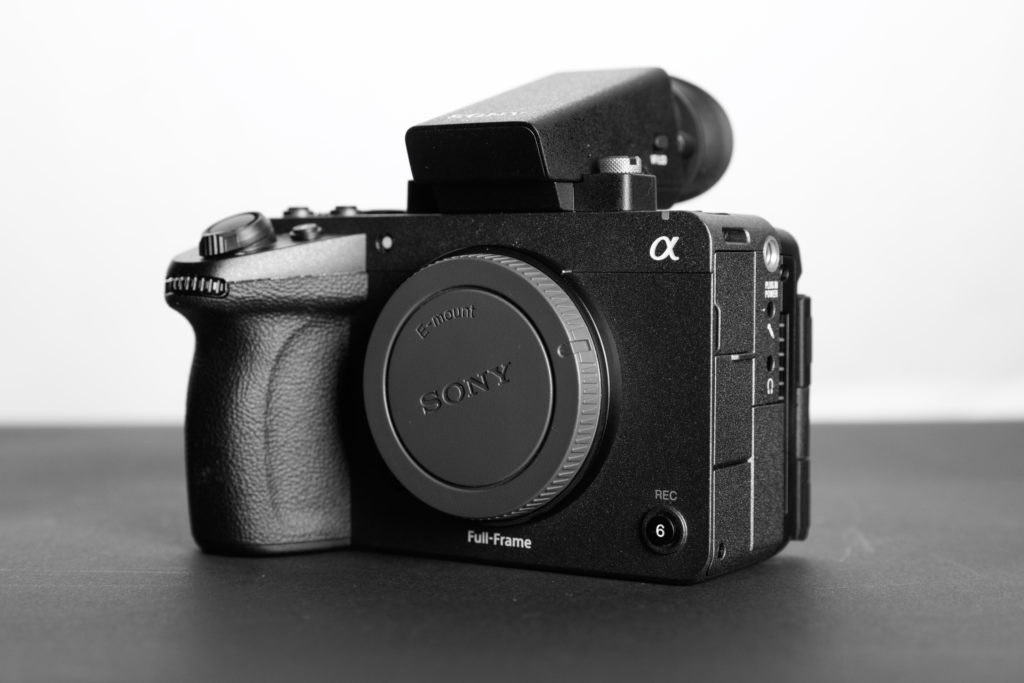
The landscape of digital cinematography is undergoing a structural realignment. With the announcement and subsequent release of the Sony FX5, Sony has not merely introduced another iterative mirrorless camera; it has fundamentally redefined the entry point for high-end cinema production. By integrating top-tier features previously reserved for flagship systems like the Venice 2 and the Burano—most notably the internal implementation of the X-OCN (Extended Original Camera Negative) codec—the FX5 bridges the historical chasm between compact mirrorless form factors and tier-one Hollywood production ecosystems.
For decades, camera operators and directors of photography (DPs) have had to navigate a frustrating compromise: prioritize the mobility and speed of mirrorless cameras at the expense of robust color science and post-production flexibility, or opt for bulky, expensive cinema packages that demand large crews and extensive rigging. The FX5 dismantles this dichotomy. Offering a highly practical, stripped-back design focused purely on motion acquisition, the camera signals a new strategic direction for Sony—one that prioritizes unified ecosystem integration, pristine image quality, and operational practicality over consumer-friendly, hybrid marketing.
However, this aggressive feature integration has not been without controversy. The exclusion of still photography modes, the introduction of a new, power-hungry battery standard, and structural limitations regarding the simultaneous use of the electronic viewfinder (EVF) and the XLR handle have sparked intense debate across online forums and industry circles. This report provides an authoritative analysis of the Sony FX5, examining its technical capabilities, its disruption of the Cinema Line hierarchy, and its real-world utility for solo operators and multi-camera sets.
Detailed Chronology: The Evolution of Sony’s Cinema Line
To understand the positioning of the FX5, one must examine the rapid evolution of Sony’s Cinema Line over the last decade.
For years, the Sony FS7 and its full-frame successor, the FX9, served as the workhorses of reality television, documentary filmmaking, and corporate video production. These cameras were built around ergonomics—featuring robust top handles, built-in variable ND filters, and comprehensive physical controls. However, their physical footprint remained substantial, requiring dedicated transport and setup time.
The Rise of the Compact Cinema Camera
The launch of the FX6 and subsequently the FX3 marked a pivot toward compact, highly sensitive full-frame sensors. The FX3, in particular, capitalized on the burgeoning market for solo content creators, wedding filmmakers, and indie documentarians who demanded the autofocus capabilities of Sony’s Alpha mirrorless line in a slightly more video-centric chassis.
The FX5 Disruption
The introduction of the FX5 represents a calculated departure from the FX3/FX6 framework. Rather than acting as a simple iterative update to the FX3, the FX5 is built from the ground up to serve as a compact companion to Sony’s elite cinema cameras (the Venice 2 and Burano). This is evidenced by the omission of legacy consumer codecs in favor of a unified RAW workflow, representing a top-down democratization of Sony’s elite imaging pipeline.
Supporting Context & Metrics: Technical Deep Dive
The Sony FX5 is defined by a series of highly practical engineering decisions that prioritize field utility over marketing specifications. Below, we analyze the core technical metrics and features that distinguish this system.
Unified Codec Ecosystem: The Power of Internal X-OCN
The inclusion of internal X-OCN recording is arguably the FX5’s most significant technical milestone. X-OCN (Extended Original Camera Negative) is Sony’s proprietary compressed RAW format, celebrated for its ability to retain 16-bit scene linear data while maintaining manageable bitrates comparable to standard ProRes workflows.
Feature / Metric
Sony FX5
Legacy FX3 / FX6
Sony Burano / Venice 2
Primary RAW Codec
Internal X-OCN (Lite/Standard)
External ProRes RAW / DNxHR
Internal X-OCN (ST/LT/XT)
Bit Depth
16-bit Linear (via X-OCN)
10-bit Internal / 12-bit Ext.
16-bit Linear
Base ISOs
800 / 4,000 / 12,800
800 / 12,800
800 / 3,200 (Venice 2)
Audio Capture
32-bit Float (via XLR Handle)
24-bit LPCM
24-bit LPCM
Stills Capability
None (Video Only)
Yes (Hybrid Sensor)
None (Video Only)
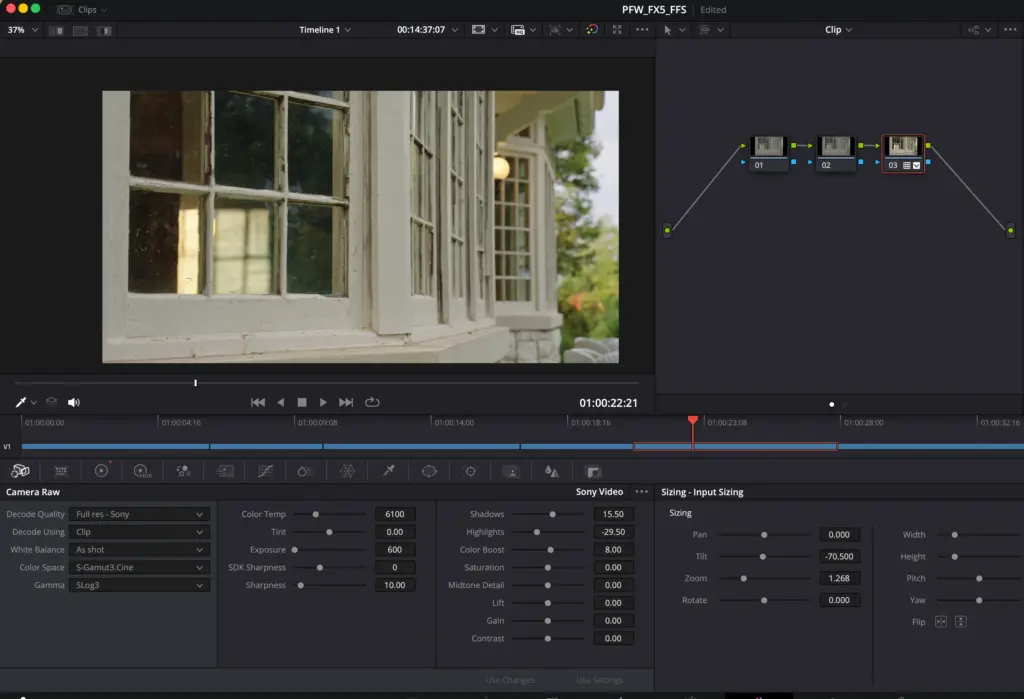
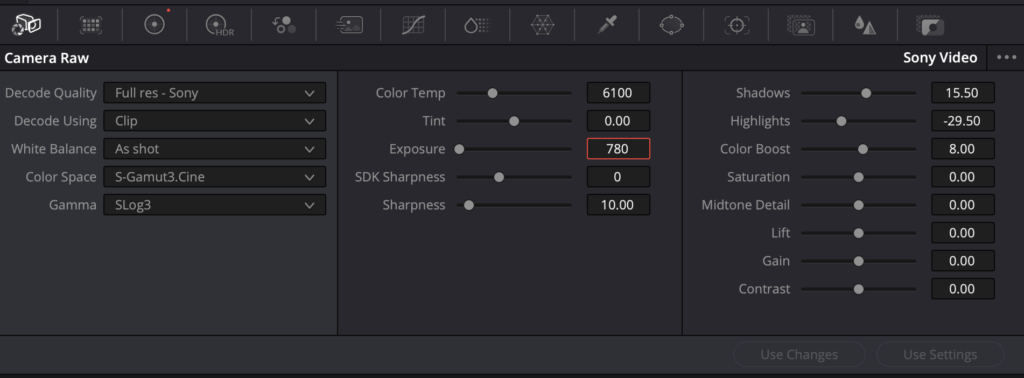
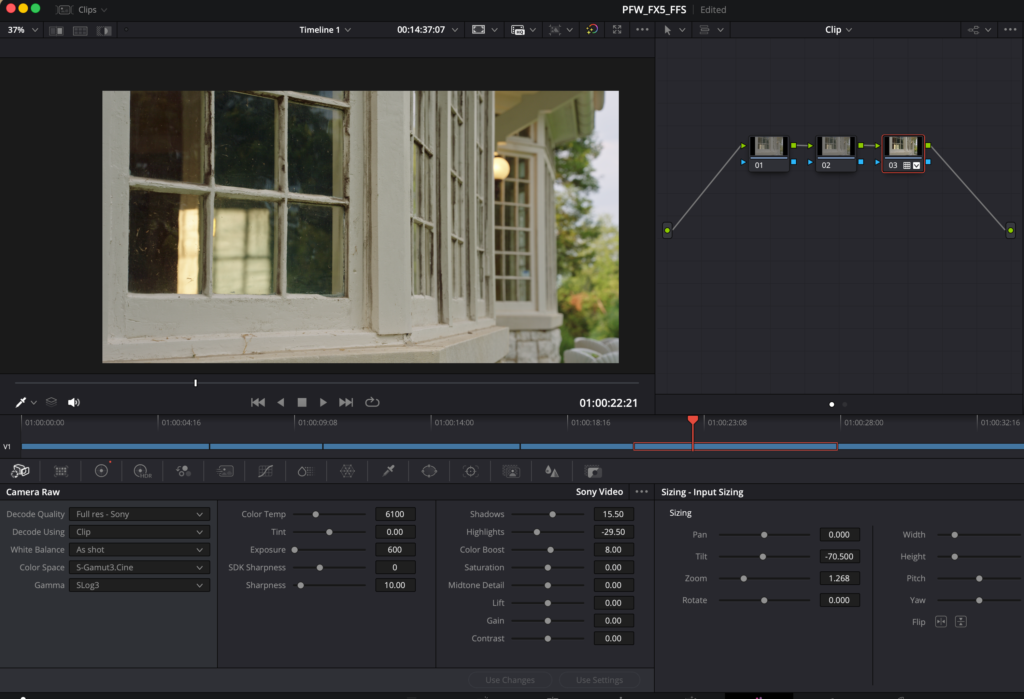
In post-production suites, X-OCN footage demonstrates exceptional latitude. Editors and colorists utilizing DaVinci Resolve report an unprecedented ability to recover highlight detail and upper mid-tones that would typically clip on standard 10-bit mirrorless codecs. This high dynamic range retention allows operators to monitor their shots via the rear LCD screen with a wider margin of error, knowing that slight overexposures can be seamlessly corrected in post-production.
The Triple-Native ISO Advantage
While dual-native ISO systems have become industry standard, the FX5 introduces a triple-base ISO architecture: 800, 4,000, and 12,800.
ISO 800 (Low Noise/Maximum Dynamic Range): Optimized for controlled lighting environments, commercial sets, and outdoor daytime shoots.
ISO 4,000 (Mid-Range Cleanliness): Ideal for documentary and run-and-gun scenarios, allowing operators to transition to high-frame-rate capture (such as 60p or 120p) without sacrificing exposure or resorting to excessive digital gain.
ISO 12,800 (Extreme Low Light): A critical tool for documentary filmmakers operating in uncontrolled, dimly lit environments, such as medical facilities, night exteriors, or ambient-lit rooms, delivering remarkably clean images with minimal chroma noise.
Additionally, the FX5 features Dual Gain Processing locked at base ISO 800, maximizing the sensor’s dynamic range capacity specifically for high-contrast scenes where highlight and shadow preservation are equally critical.
Audio Revolution: 32-Bit Float Integration
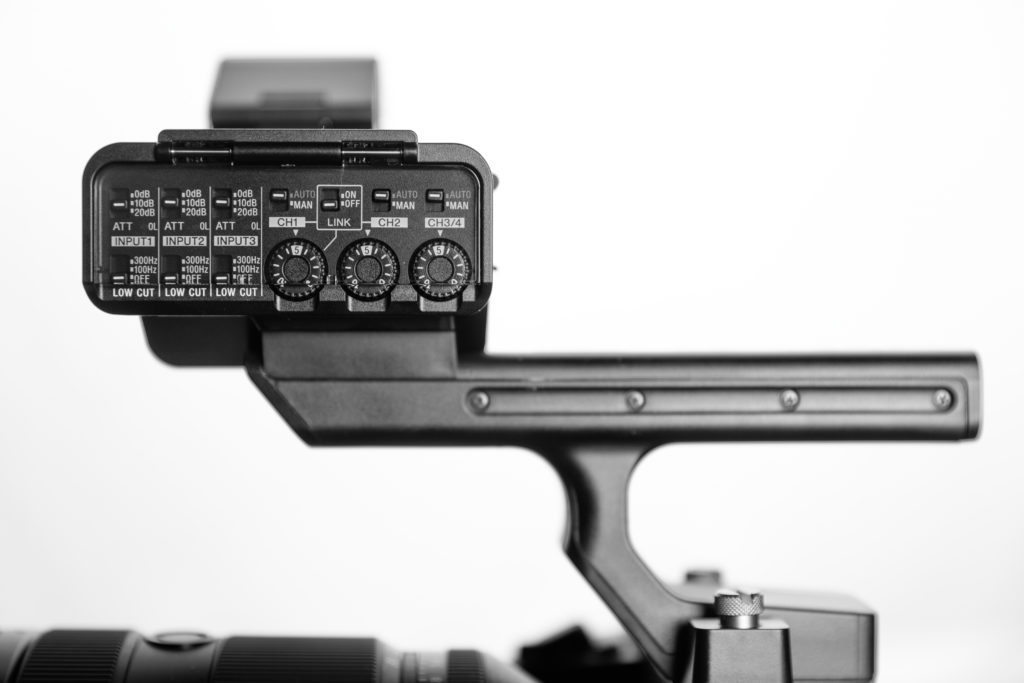
For solo operators, managing audio levels while simultaneously pulling focus, framing, and monitoring exposure is a notorious pain point. The FX5 addresses this by integrating 32-bit float audio recording directly into its detachable XLR handle.
Unlike traditional 24-bit audio, which clips permanently if the input signal exceeds the pre-amplifier’s threshold, 32-bit float records an immense dynamic range. Whether a subject whispers or an unexpected loud noise occurs, the audio can be adjusted in post-production without introducing clipping distortion or raising the noise floor to unusable levels.
Ergonomics, EVF, and the Power Delivery Transition
The FX5’s physical design emphasizes utility:
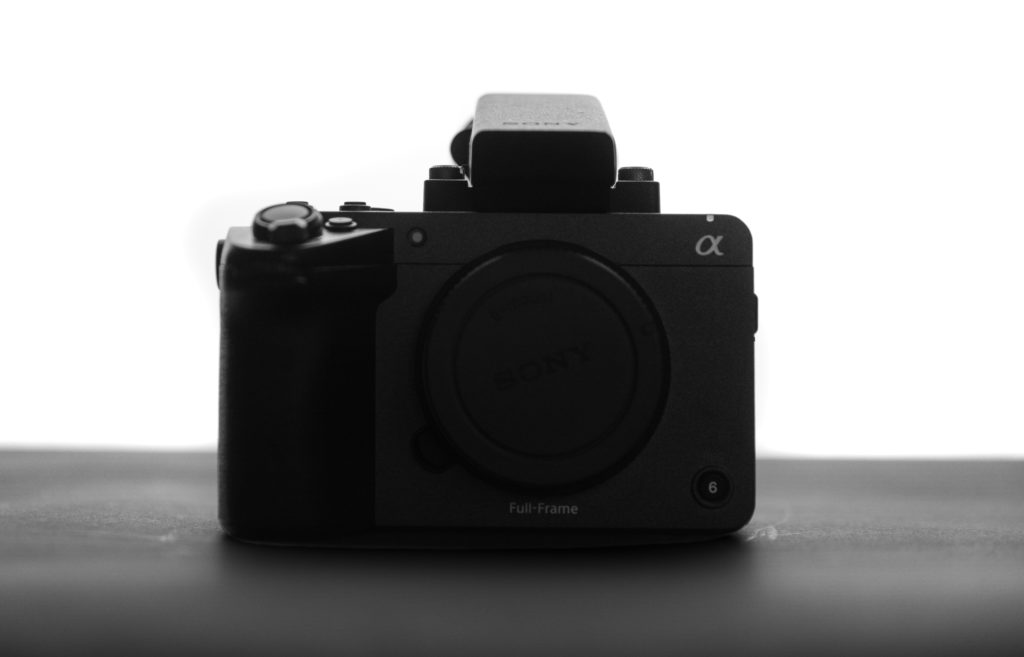
Dual Tripod Screws: Located on the base of the camera, this feature prevents camera rotation on quick-release plates—a simple but vital feature typically reserved for larger, heavier cinema bodies.
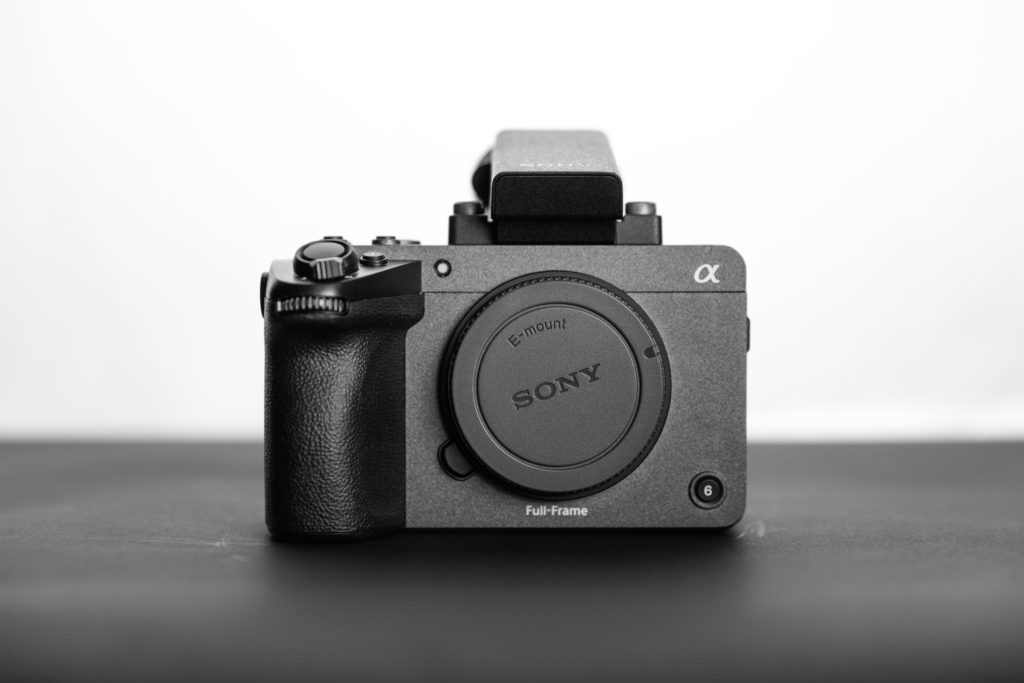
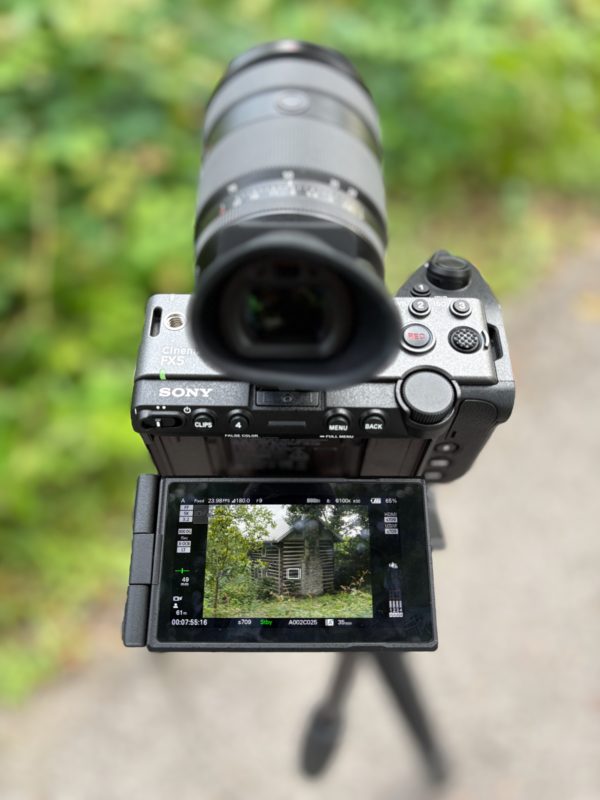
The Optional EVF: Sony has developed a highly bright, tiltable electronic viewfinder with an adjustable diopter, allowing operators to shoot comfortably in bright daylight without relying on bulky external monitors.
The Battery Redesign: To power the highly demanding processing pipeline required for internal X-OCN recording, Sony introduced a new, high-capacity battery standard. While this transition drew criticism from users hoping to utilize legacy FX3 (NP-FZ100) batteries, the increased power draw of the FX5’s internal processor rendered the older battery standard obsolete.
Official Statements and Industry Reactions
The reception of the Sony FX5 among veteran filmmakers highlights a shift in how modern production tools are evaluated. Rather than focusing on superficial "hype" or marketing specifications, seasoned operators have praised the camera’s hyper-practical design.
The Veteran’s Perspective: Practicality Over Compromise
Brian Hallett, a veteran Director of Photography with over three decades of experience spanning Super 16mm film to massive Betacam systems, emphasizes that the FX5 represents a high-water mark for compact camera design:
"The Sony FX5 is the kind of camera where compromise has mostly been shelved during the design process and replaced with practicality. Features like the dual tripod screws under the body are usually reserved for much larger cinema cameras. Sony didn’t need to add that, but they did, and it fundamentally changes the stability of your rig."
Hallett also notes that the FX5’s ecosystem compatibility makes it an invaluable tool for multi-tier productions:
"The footage looks like it was made to come as close as possible to matching the Venice 2 and the Burano. As a freelance DP, I can easily see myself owning a Burano and a couple of Sony FX5s, renting the Venice 2 only for the largest jobs. Having matching recording formats and looks across the entire system is incredibly useful."
Critiques and Market Controversy
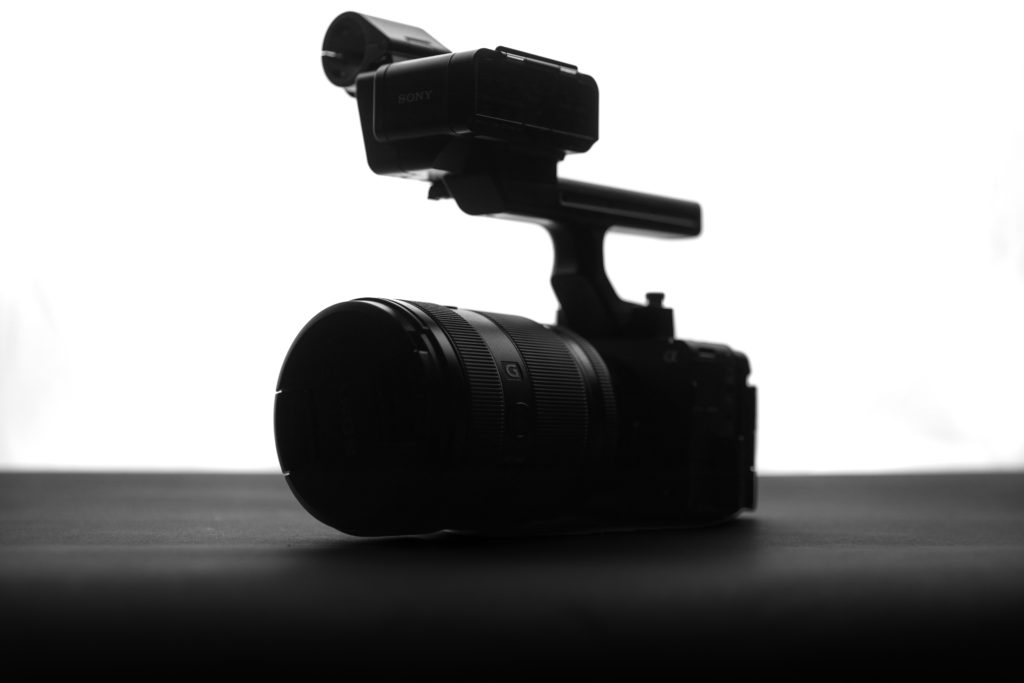
Despite the praise, the FX5 has faced pushback from specific sectors of the market. The decision to make the FX5 a video-only camera with no photography options has frustrated hybrid shooters. Additionally, the physical layout of the top plate presents an operational bottleneck: users cannot natively mount the optional EVF and the XLR handle simultaneously.
While third-party accessory manufacturers have quickly developed custom rigging solutions to resolve this physical limitation, the compromise remains a point of contention for operators who require high-quality physical audio inputs and an eyepiece monitor simultaneously.
Future Outlook: A New Standard for Digital Cinema
The introduction of the Sony FX5 is more than a product launch; it is a strategic declaration. By standardizing the X-OCN codec down to a compact, highly accessible form factor, Sony has effectively unified its imaging pipeline from entry-level indie filmmaking to multi-million dollar studio features.
The Decline of Legacy Formats
The hardware limitations of older systems like the FX3, FX6, and FX9 make it highly unlikely that these cameras will ever receive internal X-OCN or RAW recording via firmware updates. Consequently, the FX5 is positioned to lead a new generation of cinema tools, forcing competitors to reconsider their proprietary RAW licensing and codec structures.
Market Demand and Availability
The high volume of pre-orders and ongoing backorders for the FX5 underscores its market impact. Rental houses are already preparing to integrate the FX5 into their inventories, with some offering specialized "rigid sensor" modifications (permanently disabling the In-Body Image Stabilization) to accommodate high-vibration environments like car rigs and specialized gimbal tracking.
Ultimately, the Sony FX5 proves that the era of sacrificing image fidelity for the sake of physical mobility is over. By delivering a system that prioritizes unified post-production workflows, exceptional low-light performance, and practical field ergonomics, Sony has set a new benchmark that will influence the design of digital cinema cameras for years to come.