Executive Overview
Meta finds itself at a critical crossroads of technological innovation and public trust. As the tech giant aggressively rolls out advanced, device-specific video capture and editing tools tailored exclusively for its artificial intelligence-enabled smart glasses, it simultaneously battles a rising tide of consumer skepticism, regulatory scrutiny, and grassroots protest. Originally previewed by the company in June, these newly demonstrated features—including dynamic "spin view," synchronized "multi-cam" perspectives, and custom Instagram editing suites—aim to position Meta’s smart eyewear as indispensable gear for digital creators.
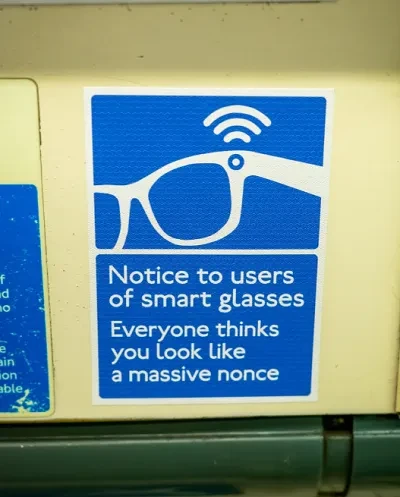
Yet, this marketing push is unfolding against a backdrop of severe controversy. Reports of covert filming, deliberate hardware tampering with privacy indicator lights, and the non-consensual uploading of footage have cast a dark shadow over the product line. While Meta continues to champion the creative utility of its hardware—reporting no direct hits to sales thus far—the convergence of invasive device use cases, international regulatory investigations, and physical street-level protests, such as those appearing on the London Underground, signals a turbulent future. This article offers a comprehensive examination of Meta’s latest feature drop, the structural privacy vulnerabilities plaguing the hardware, and the broader socio-political implications of consumer-grade AI surveillance.
Detailed Chronology: From Summer Previews to Underground Protests
The trajectory of Meta’s AI-enabled eyewear ecosystem over the past several months illustrates a stark contrast between corporate feature deployment and grassroots resistance.
June: The Initial Feature Teaser
Meta first pulled back the curtain on custom Instagram stories and editing features designed specifically for its smart glasses. During this initial preview, the company sought to establish a dedicated creative identity for the hardware, differentiating smartphone capture from the unique, first-person perspective offered by facial wearables. The promise was simple: give creators seamless tools to bridge the gap between their physical viewpoint and their social media channels.
Late Summer to Early Fall: The Escalation of Covert Filming
As adoption rates crept upward, cracks in the product’s safety architecture began to widen. Investigative reports and user communities exposed a deeply troubling trend: bad actors actively subverting built-in safety mechanisms. Most notably, users discovered methods to physically tamper with or outright deactivate the LED recording lights meant to signal when the glasses are capturing video or audio. This flaw enabled unauthorized, covert recordings of unsuspecting members of the public, which subsequently found their way onto various online platforms without the consent of those filmed.
International Regulatory Interventions and Activism
The fallout from these privacy violations was swift. Regulatory bodies across multiple jurisdictions, including high-profile investigations in the United Kingdom and the United States, launched formal inquiries into Meta’s safety protocols, compliance standards, and accountability measures regarding the smart glasses.
Parallel to legal and regulatory pressure, public pushback escalated into physical spaces. Activist groups—most notably highlighted by movements like Radical Graffiti—began organizing counter-campaigns. Striking anti-AI glasses posters started appearing across public transit systems, such as the London Underground, warning commuters about the dangers of passive, non-consensual surveillance embedded in everyday fashion accessories.
The Present: Doubling Down on Creation Amid Backlash
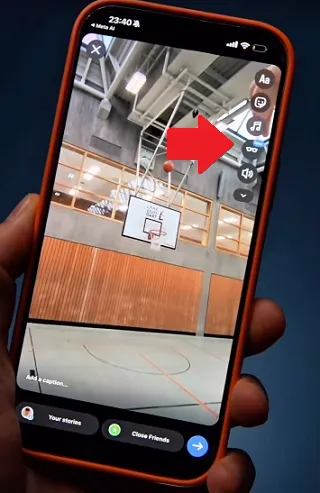
Refusing to halt its promotional momentum, Meta has chosen to lean directly into the utility of the product. The company has officially published live examples on Instagram highlighting new video capture modes and device-specific editing suites. By demonstrating how the glasses can transform standard storytelling into immersive, multi-angled narratives, Meta hopes to reframe the public narrative around utility and creative empowerment—even as it attempts to quietly manage the mounting PR crisis.

Supporting Context & Metrics: Unpacking the New Feature Ecosystem
To understand why Meta is willing to weather intense storms of criticism for these devices, one must examine the specific technological ecosystem the company is building. The newly showcased features are designed to create a sticky, highly integrated loop within the Instagram platform.
1. Spin View: Immersive Perspective Shifting
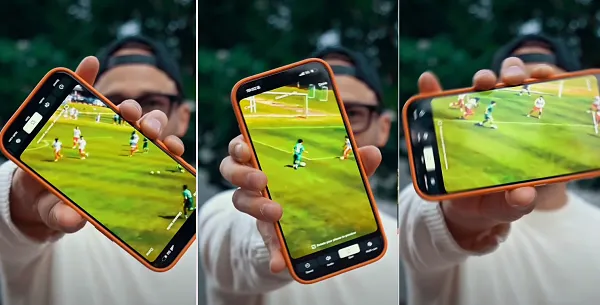
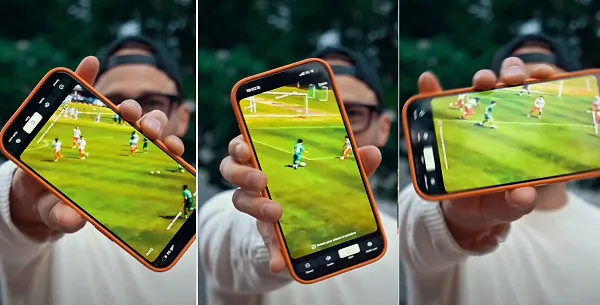
"Spin view" represents a novel approach to first-person video capture. By turning their device or head in specific ways during playback or capture, users can dynamically expand the field of view, exposing more of the recorded environment.
- The Creator Advantage: Traditional video forces the viewer into a fixed, rectangular aspect ratio determined at the moment of recording. Spin view offers a more visceral, true-to-life representation of an experience, allowing audiences to feel as though they are actively looking around the scene alongside the creator.
- Technical Integration: This mode relies heavily on the spatial sensors embedded within the Meta AI glasses, blending hardware gyroscopes with software-driven video expansion algorithms natively supported inside the Instagram application.
2. Multi-Cam: Synchronized Dual Perspectives
The "multi-cam" feature addresses a long-standing challenge in digital media production: the difficulty of capturing both the creator’s subjective point-of-view (POV) and their external reaction simultaneously without a complex multi-camera crew.
- How It Works: The system synchronizes video feeds originating concurrently from the user’s smartphone and their Meta AI glasses.
- Audience Engagement: Viewers are treated to a split-screen or dynamically switching perspective that contrasts what the creator is looking at with how they are reacting in real time. For vloggers, educators, and lifestyle influencers, this simplified multi-view setup drastically lowers the production barrier for high-engagement content.
3. Glasses-Specific Editing Tools
Beyond capturing footage, Meta has integrated a suite of editing instruments within Instagram built explicitly for files imported from its smart glasses. These tools streamline the post-production workflow, allowing users to quickly apply filters, crop perspectives optimized for vertical feeds, and adjust stabilization metrics unique to head-mounted video wear. By keeping this workflow entirely within the Meta ecosystem, the company incentivizes hardware owners to remain active creators and consumers within Instagram’s walled garden.
The Dark Side: The Mechanics of LED Tampering
Unfortunately, the very design elements that make these glasses appealing—lightweight frames, discrete styling, and hands-free operation—are the root causes of their greatest vulnerabilities.
- The Indicator Light Controversy: Federal and regional regulations, coupled with basic ethical standards, require smart recording devices to feature an obvious, externally visible LED light whenever recording is active.
- The Workaround: Investigative reports have revealed that users can block, paint over, or structurally modify the LED housing without disabling the core camera sensor. This loophole has transformed an otherwise consumer-grade gadget into a stealth recording instrument. Victims caught on camera have reported profound violations of privacy, fueling an environment of general distrust toward anyone wearing modern tech eyewear in public spaces.
Official Statements and Corporate Posture
Meta’s official corporate posture regarding the smart glasses initiative walks a delicate tightrope between aggressive technological promotion and damage control.
Throughout the unfolding controversy over LED tampering, Meta has issued statements acknowledging the reports and outlining ongoing software and hardware reviews designed to prevent unauthorized modifications. Company representatives have emphasized that safety, privacy, and user consent are foundational to the development of all Meta wearables. Engineers and product managers have been tasked with exploring future iterations that make hardware tampering structurally impossible or instantly detectable by the operating system.
Simultaneously, Meta’s marketing communications have maintained an unwavering focus on the transformative benefits of the devices. By publishing detailed workflow guides, creator spotlights, and visual demonstrations of spin view and multi-cam on Instagram, Meta is actively signaling to its investor base and creator community that the product line remains a core pillar of its hardware roadmap.

Crucially, corporate disclosures indicate that despite the vocal backlash, regulatory inquiries, and London Underground protest posters, Meta has not recorded any measurable, direct impact on unit sales. The consumer market’s appetite for cutting-edge AI integration appears, for the moment, to outweigh the widespread social anxieties surrounding public surveillance—though market analysts caution that this equilibrium may prove fragile.
Future Outlook: The Battle for Public Trust and Wearable AI
As we look toward the future of augmented reality and AI-powered wearables, the situation surrounding Meta’s smart glasses serves as a bellwether for the entire tech industry. Several key questions will define the trajectory of this market segment in the months and years ahead:
1. Regulatory Compliance vs. Rapid Innovation
Regulators in the UK, US, and European Union are keeping a close watch on Meta’s product rollout. Future outcomes could range from minor compliance guidelines regarding hardware indicator integrity to sweeping legislative frameworks governing all public-facing smart devices. If regulators mandate strict physical and software failsafes against covert recording, tech companies may be forced to redesign their wearable portfolios significantly.
2. The Normalization of Surveillance or Social Pushback?
The grassroots resistance exemplified by the London Underground anti-AI posters highlights a deep cultural anxiety. As smart glasses become more ubiquitous—from Meta, Apple, Google, and emerging competitors—society faces a philosophical reckoning over the right to a reasonable expectation of privacy in public spaces. Will society normalize passive recording, or will cultural etiquette and social ostracization render wearing smart glasses socially toxic in urban and sensitive environments?
3. Technical Countermeasures and Ecosystem Maturation
For Meta, the immediate technical challenge lies in out-engineering bad actors. Future firmware and hardware updates must successfully close the loophole on LED tampering while ensuring the user experience remains seamless and comfortable. If Meta can successfully couple ironclad privacy safeguards with its advanced editing ecosystem (spin view, multi-cam, and beyond), it may neutralize its critics and solidify its dominance in the burgeoning wearable AI market.
Ultimately, Meta’s AI glasses are caught in a high-stakes tug-of-war. On one side lies the immense potential of next-generation digital storytelling and immersive content creation; on the other lies a fractured public trust that demands accountability, transparency, and respect for individual privacy. How Meta navigates this divide will not only dictate the commercial success of its hardware division but will also set the ethical standard for how humanity integrates artificial intelligence directly onto the human face.