Executive Overview
The modern living room is undergoing a silent revolution. Long gone are the days when the television set served merely as a passive receiver for traditional cable networks, broadcast television, and scheduled programming. Today, the family television is an intelligent, connected portal powered by broadband internet and algorithmic curation. At the vanguard of this massive media migration is YouTube.
In a strategic update that signals a profound shift in how digital video is consumed, YouTube has announced a sweeping array of new features and interface modifications specifically tailored for its Connected TV (CTV) application. With users now consuming a staggering one billion hours of YouTube content on home television sets every single day, the platform is no longer just an alternative to traditional television—it is rapidly becoming the dominant operating system of the living room.
The centerpiece of this latest update is a direct bridge between internet creator culture and traditional television formatting. YouTube is officially introducing the ability for creators to transform standard video playlists into structured "shows," complete with episodic organization, immersive dedicated landing pages, and seasonal categorization. Alongside this major shift come enhanced navigation tools, dedicated spaces for music releases and podcasts, a streamlined QR-code sign-in flow, and a sophisticated account-locking mechanism designed to safeguard user privacy and parental controls.
This comprehensive overview explores the mechanics of YouTube’s latest CTV improvements, examining how these updates aim to capture an even larger slice of the lucrative living room advertising market, blur the lines between digital creators and Hollywood studios, and redefine what it means to "watch TV" in the twenty-first century.
Detailed Chronology of Updates
To understand the magnitude of YouTube’s living room strategy, one must examine the specific mechanics of the features rolling out to the platform’s TV application. YouTube’s product and engineering teams have meticulously addressed several friction points that have historically separated the lean-back experience of traditional television from the interactive, decentralized nature of online video.
1. Creator Playlists Transformed into "Shows"
For years, watching a multi-part series or an extended documentary series from a favorite YouTube creator on a television screen involved clicking through individual videos, managing disruptive mid-roll advertisements manually, or relying heavily on algorithmic auto-play features that could easily derail a cohesive viewing narrative.
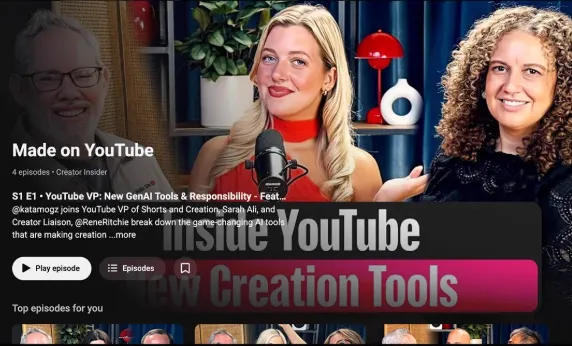
Under the new update, eligible creators participating in the YouTube Partner Program can designate playlists featuring high-quality videos—sharing consistent themes and overarching narratives—as formal "shows" directly within YouTube Studio. Once categorized as such, these playlists undergo a complete visual transformation on the CTV app.
Instead of looking like a standard, utilitarian list of video thumbnails, these collections are now displayed as polished, featured series. They feature dedicated, immersive show pages, carefully organized seasons, and a structured episodic presentation that mirrors the user interface of premium subscription video-on-demand (SVOD) services like Netflix, Max, or Disney+. CTV viewers can now hit "play" and glide through a creator’s episodic content seamlessly, bridging the gap between independent digital creation and prestige television production.
2. Enhanced Watch Pages: Dedicated Show and Podcast Tabs
To accommodate this shift toward structured viewing, YouTube has redesigned the Watch page interface on its TV app. The platform has introduced dedicated "Show" and "Podcasts" tabs, providing users with a cleaner, more intuitive way to organize and discover long-form creator content.
This is far from a cosmetic tweak; it represents a calculated institutional bet on the enduring appeal of long-form audio and video in a living room setting. Podcasts, in particular, have emerged as a surprise powerhouse for YouTube’s CTV strategy. Rather than treating podcasts as mere audio tracks accompanied by static images, living room audiences are increasingly turning their televisions into primary podcast consumption hubs, treating video podcasts as fully realized talk shows.
3. Navigation Overhauls and the Shorts Access Point
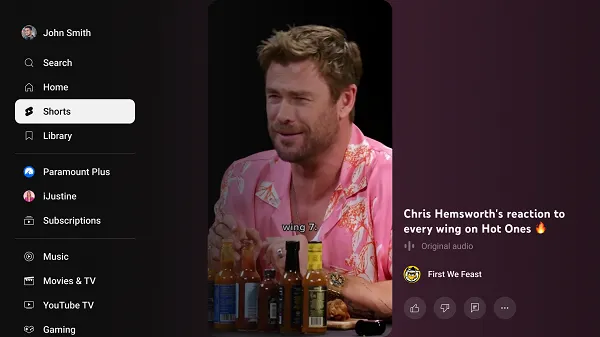
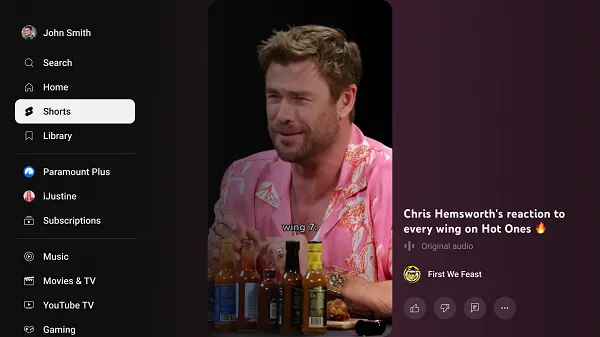
While long-form content is anchoring YouTube’s push into prestige TV territory, short-form content remains the platform’s hyper-growth engine. Recognizing that users navigating via a television remote require distinct UI paradigms, YouTube has introduced a new, frictionless access point for YouTube Shorts on the CTV app.
Additionally, the interface now incorporates significantly larger "Previous" and "Next" buttons. This seemingly minor design adjustment drastically improves usability for remote-control navigation, guiding user behavior and making it much easier to transition between videos without fumbling through complex menu trees.

4. The Music Releases Shelf
For music enthusiasts, YouTube has rolled out a dedicated "New Releases" shelf specifically tailored for musician and artist pages on CTV. Given that YouTube functions as one of the world’s most powerful music discovery and streaming engines, this feature allows fans to pull up high-definition music videos, live performances, and newly dropped albums instantly on their home entertainment systems, providing a direct competitor to traditional music television channels and dedicated audio streaming boxes.
5. Account Locking and Advanced Parental Controls
As living room devices become shared household commodities—used by parents, teenagers, and young children alike—privacy and content moderation have become paramount. YouTube’s latest update introduces a robust account-locking feature. Users can now secure their profiles with a 4-digit PIN code, ensuring that personal viewing histories, saved playlists, and algorithmic recommendations remain entirely private from other household members.
Simultaneously, this 4-digit code mechanism serves as a powerful parental control tool. Caregivers can set a secure PIN to prevent younger viewers from bypassing safety restrictions or watching mature clips in signed-out modes on the main television app. Furthermore, YouTube has streamlined its QR-code sign-in flow and completely redesigned the casting and Watch page viewing experiences specifically tailored for children’s content, creating a safer, more transparent environment for family-friendly viewing.
Supporting Context & Metrics
YouTube’s aggressive pivot toward Connected TV is not happening in a vacuum; it is a calculated response to seismic shifts in consumer behavior and global media consumption habits. The living room television set has officially reclaimed its crown as the primary screen in the modern household, and tech giants are locked in a fierce battle to control the underlying operating system and attention economy.
The Connected TV Boom
Connected TV has quietly evolved into YouTube’s fastest-growing consumption format. Recent internal data shared by the company reveals a staggering milestone: people now watch more than one billion hours of YouTube content on their home TV sets every single day.
This figure places YouTube shoulder-to-shoulder with, and in many demographics surpassing, traditional broadcast networks and major legacy cable conglomerates. The television screen offers higher advertiser yields, longer average watch times, and multi-user household viewing dynamics that mobile devices simply cannot replicate. By optimizing its application for the hardware capabilities of modern 4K smart TVs, YouTube is systematically dismantling the boundary between "digital video" and "television."
The Podcast Phenomenon on the Big Screen
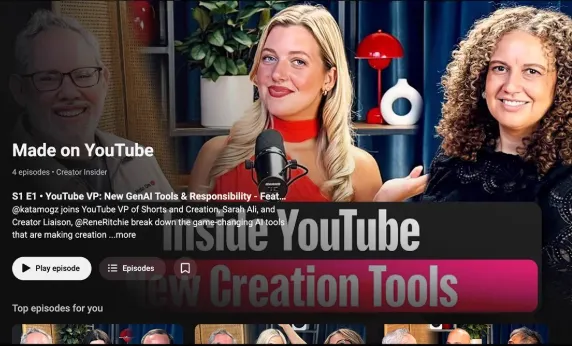
One of the most fascinating micro-trends accelerating YouTube’s CTV dominance is the rapid ascent of podcast consumption in the living room. According to data reported by CNBC, users streamed an astounding 700 million hours of YouTube podcasts via their television sets last October alone.
This metric shatters the conventional wisdom that podcasts are exclusively a mobile, on-the-go medium meant for headphones during commutes or workouts. Instead, consumers are increasingly treating high-profile video podcasts—ranging from long-form interviews and comedic roundtable discussions to political commentary and true-crime deep dives—as visual entertainment to be enjoyed on large-scale living room displays. By introducing dedicated Podcast tabs and episodic shows on CTV, YouTube is capitalizing directly on this behavioral shift, positioning itself as a primary competitor to traditional late-night talk shows and cable news networks.
Official Statements and Industry Perspective
While YouTube has continually iterated on its television application over the years, this particular wave of updates represents a philosophical alignment with the traditional television industry—while fiercely retaining the decentralized democratization of the creator economy.
In detailing the rollout of the "shows" feature, YouTube explained the strategic rationale behind the update through official communication channels:
"For creators in the YouTube Partner Program, playlists of high-quality videos that share consistent themes and stories across episodes can now be designated as shows in YouTube Studio. Once created, shows are displayed as beautifully designed featured series with dedicated immersive show pages and organized seasons."
Industry analysts have been quick to point out the brilliance of this maneuver. By allowing independent creators to package their content into recognizable "seasons" and "shows," YouTube is effectively handing creators the institutional toolset of a Hollywood showrunner.
Media strategists note that this packaging does two critical things:
- It increases viewer retention and completion rates: Viewers accustomed to binge-watching serialized content on Netflix or Amazon Prime are far more likely to sit through multiple consecutive videos from a creator when presented with an organized, seasonal interface.
- It attracts premium brand advertising dollars: Advertisers who were once hesitant to place high-end brand campaigns next to unorganized user-generated video playlists feel significantly more secure buying ad inventory against structured, immersive "shows" with clear thematic boundaries and demographic targeting.
Future Outlook: The Convergence of Digital and Traditional Media
As we look toward the horizon of the digital media landscape, YouTube’s latest CTV enhancements offer a clear window into the future of entertainment. The historical wall separating "TV" and "internet video" has officially crumbled.
For decades, the television screen was gatekept by studio executives, network programmers, and distribution monopolies. Today, a solo creator working from a home studio can package their serialized documentary, comedy series, or investigative podcast into a polished "show" that sits side-by-side with multi-million-dollar Hollywood productions on a 65-inch 4K screen in millions of living rooms worldwide.
However, this transition also brings unique challenges. As YouTube entrenches itself deeper into the living room, it will face increased regulatory scrutiny regarding child safety, data privacy, and content moderation—challenges that traditional broadcasters have navigated for generations. The introduction of robust 4-digit account locking and enhanced parental controls demonstrates that YouTube is acutely aware of these responsibilities as it welcomes entire families back to the television screen.
Ultimately, YouTube’s mission is clear: to be the default destination for all video consumption, regardless of screen size or genre. By bridging the gap between binge-worthy creator content, robust music discovery, surging podcast engagement, and uncompromising household privacy controls, YouTube is not merely participating in the Connected TV revolution—it is defining it. The living room has a new master of ceremonies, and its name is YouTube.