By Christopher Tozzi Technology Analyst & Industry Contributor
Executive Overview
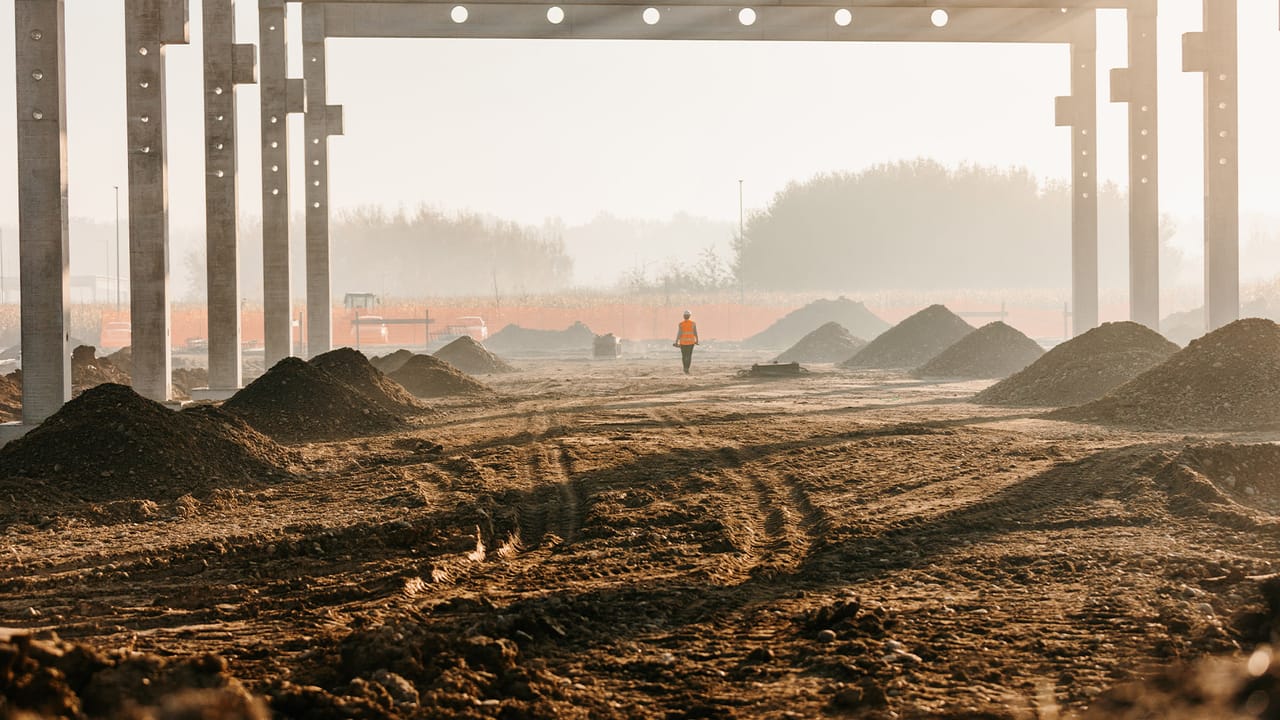
Public attention toward the explosive global data center expansion typically focuses on active, highly visible construction sites. Towering cranes, massive steel frameworks, and the heavy hum of earth-moving equipment dominate the narrative of a digital infrastructure revolution driven largely by artificial intelligence, cloud computing, and ubiquitous data consumption. However, the true story of how the industry is preparing for tomorrow goes far beyond what is currently being built.
Beneath the surface of active development lies a quiet, aggressive, and increasingly dominant corporate real estate strategy: data center land banking.
Driven by an unprecedented demand surge—accelerated heavily by the generative AI boom—data center operators and institutional real estate investors are no longer just buying land to build on it immediately. Instead, they are locking down vast, undeveloped parcels of property years, and sometimes decades, in advance of any concrete development plans.
Recent market indicators highlight the sheer scale of this shift. Data center land sales skyrocketed by an astonishing 141% over the past year, while the share of total development spending dedicated exclusively to land acquisition jumped from 19% in 2025 to 30% in 2026. Over 70% of industry operators now prioritize land banking as a core operational strategy to secure scarce geographic footprints.
This deep-dive analysis explores the mechanics of data center land banking, the market trends driving its meteoric rise, the financial calculations tempting investors, and the growing regulatory, community, and political headwinds threatening to disrupt the practice.
Detailed Chronology: From Opportunistic Purchases to Strategic Hoarding
To understand how data center land banking became a headline-grabbing phenomenon, it is necessary to examine how the relationship between technology operators and real estate has evolved over time.
Phase 1: The Traditional Build-to-Suit Model (Pre-2020)
Historically, the data center industry operated on a just-in-time real estate model. When a hyperscaler or colocation provider identified a regional demand spike—typically near major metropolitan fiber routes or established internet exchanges—they would source an appropriately zoned parcel of land. Construction would begin almost immediately following land acquisition and zoning approval. Accumulating large, speculative portfolios of vacant acreage with no immediate purpose was considered an inefficient use of capital.
Phase 2: The Pandemic Digital Acceleration (2020–2023)
The COVID-19 pandemic catalyzed a massive wave of remote work, streaming, and digital transformation. Data center demand surged globally. Operators began experiencing acute supply chain bottlenecks, labor shortages, and rising costs for construction materials. During this window, savvy developers began acquiring larger tracts of land to preemptively secure power access and fiber connectivity, though builds still generally followed within a couple of years.
Phase 3: The Generative AI Boom and the Land Rush (2024–Present)
The public launch of advanced generative AI models fundamentally altered the computational landscape. AI workloads require unprecedented densities, immense power grids, and specialized cooling infrastructure. Consequently, prime sites equipped with high-voltage electrical interconnects and abundant water access became scarce commodities.
Realizing that power availability was becoming the ultimate bottleneck to growth, investors began treating land not merely as a platform for construction, but as a strategic choke point. This realization triggered the 141% surge in land deals, pushing land acquisition spending to nearly a third of total development budgets by 2026. Today, land banking has evolved from a defensive real estate tactic into an aggressive, speculative investment asset class.
Supporting Context & Metrics: The Anatomy of a Modern Land Bank
Defining Data Center Land Banking
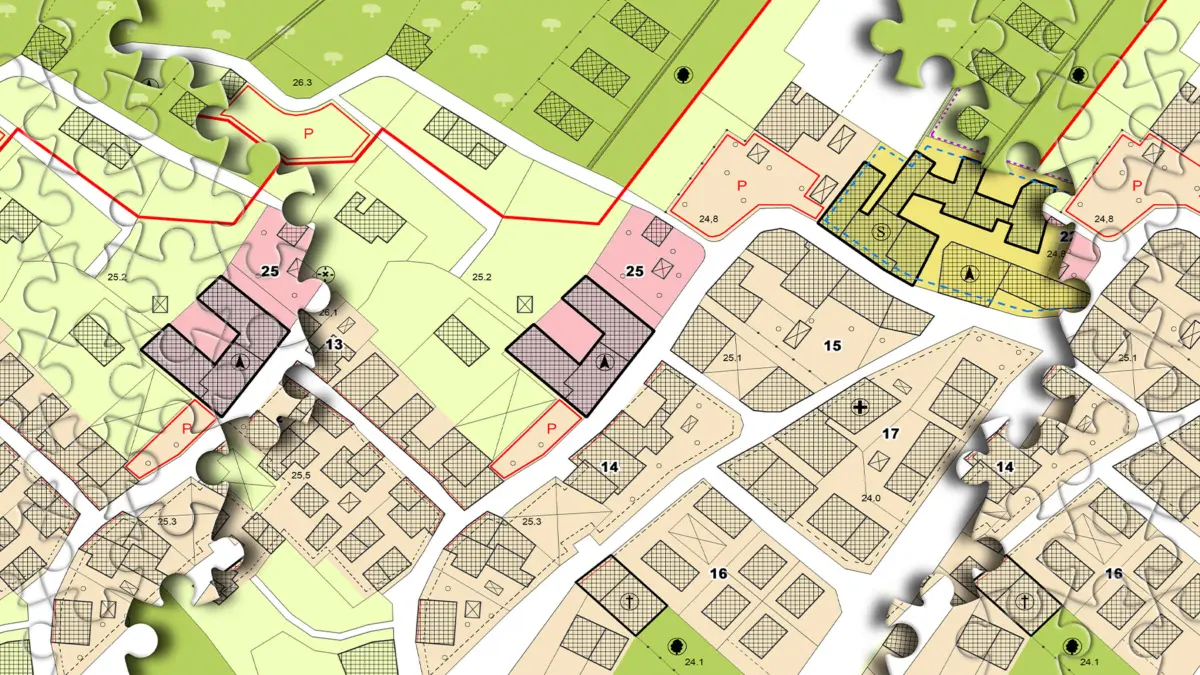
At its core, data center land banking is the practice of purchasing undeveloped parcels of real estate that possess ideal geographical, infrastructural, or logistical characteristics for future data center deployment. Unlike traditional real estate acquisition, the defining characteristic of land banking is the absence of an immediate timeline. A company might hold a plot of land for five to ten years without breaking ground.
Market Metrics at a Glance
141% Surge: Year-over-year increase in data center land transaction volumes.
30% of Spending: The share of total data center development budgets allocated to land acquisition in 2026, up sharply from 19% in 2025.
70+ % Priority: The percentage of leading data center operators currently prioritizing land banking to insulate themselves against site scarcity.
The Low-Risk, High-Reward Financial Equation
From a corporate finance perspective, land banking presents a uniquely asymmetrical risk-reward profile.
Minimal Holding Costs: Unlike fully developed commercial buildings or active data centers, vacant, undeveloped land typically incurs minimal carrying costs in the form of property taxes, basic maintenance, and security.
Alternative Exit Strategies: If market dynamics shift and the land is ultimately deemed unsuitable for a data center, the owner retains complete flexibility. Open land can be resold to residential developers, commercial logistics providers, or held for agricultural purposes.
Yield-on-Cost Advantages: Constructing a physical data center requires hundreds of millions of dollars in upfront capital expenditure, with complex long-term Yield-on-Cost (YOC) metrics that are difficult to predict amid fluctuating energy costs. In contrast, land banking allows investors to capture capital appreciation with lower exposure to operational execution risk.
Official Statements & Industry Perspectives
Industry leaders, municipal officials, and financial analysts hold sharply contrasting views on the rapid normalization of land banking.
The Investment Community
Proponents of land banking argue that securing real estate early is an absolute necessity to prevent gridlock in the technology sector.
"Land, much like energy and water, has transitioned from a basic commodity into a critical, highly contested resource," notes a leading real estate advisory report. "Without proactive land banking, operators risk being entirely priced out of strategic markets or locked out of access to essential electrical substations."
Municipal Leaders and Communities
Conversely, local governments and community advocacy groups view the practice with profound skepticism. When large technology firms or institutional investors acquire thousands of acres of local property and let it sit dormant, it often creates local friction.
"When corporations buy up vast tracts of our community’s land with zero immediate intention of building or creating local jobs, it freezes local economic development," stated a regional municipal planning official during a recent zoning board hearing. "It sidelines local farmers and small businesses while contributing nothing to the immediate tax base relative to the footprint consumed."
Future Outlook: Challenges and Trajectories Ahead
While data center land banking currently appears to be a runaway success for institutional investors, its long-term viability faces a complex matrix of regulatory, technological, and social challenges.
1. The Regulatory and Moratorium Threat
The most immediate headwind facing land bankers is the wave of political and community pushback. Across the United States and international markets, public opposition has sparked a wave of regulatory friction.
From state-level moratoriums in places like New York to voter-enacted bans in California, municipal governments are increasingly pushing back against the uncontrolled footprint of digital infrastructure. If more jurisdictions enact bans or strict limitations on data center construction, the underlying value of "banked" land—especially parcels priced at a premium due to their proximity to urban centers—could plummet precipitously.
2. Technological Shifts in Power Generation
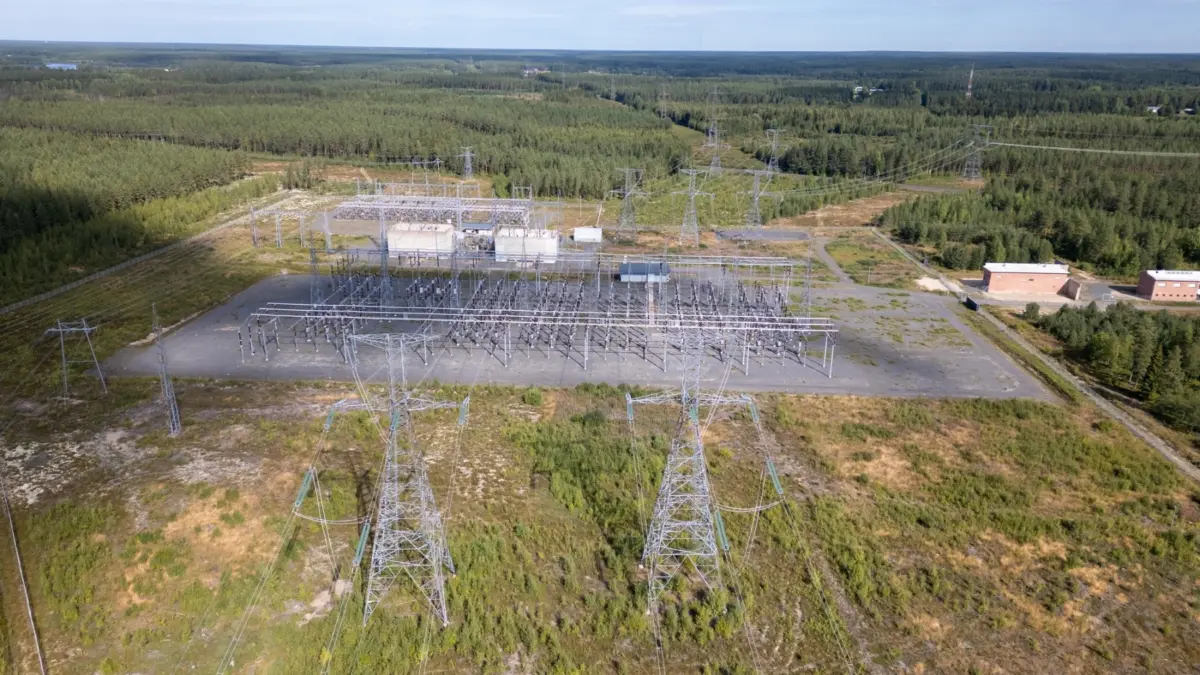
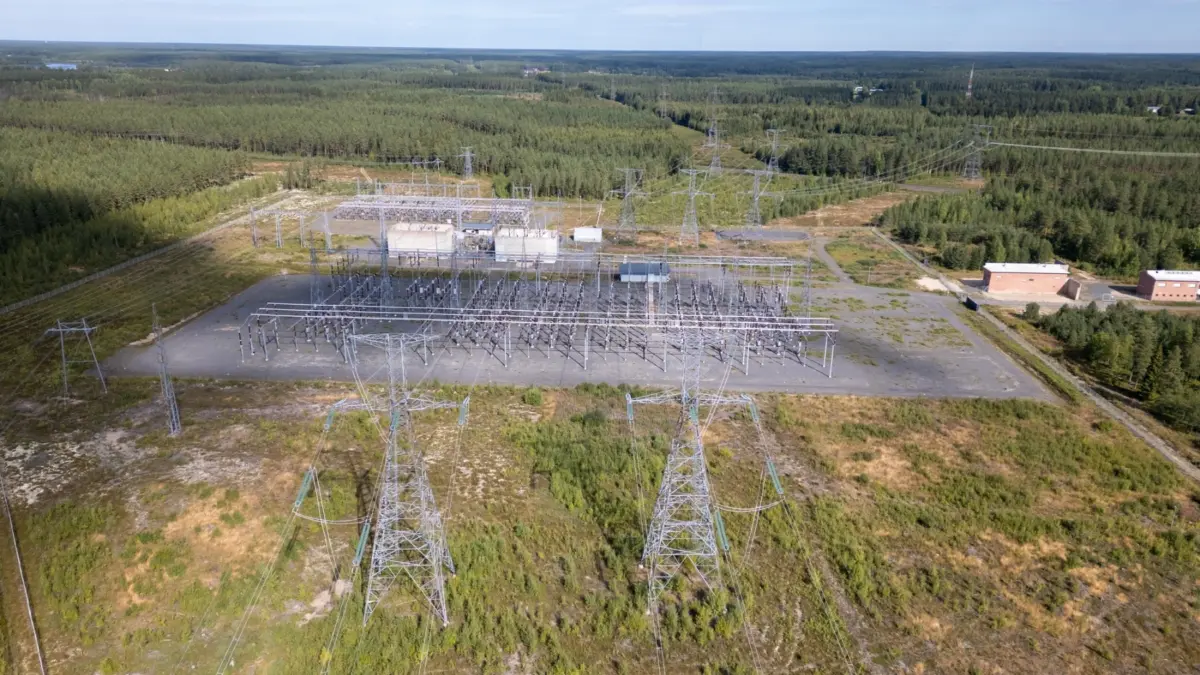
Land banking derives much of its strategic value from proximity to existing electrical grid infrastructure and fiber-optic trunk lines. However, the energy crisis facing data centers is driving rapid innovation in on-site power solutions.
If future data centers pivot entirely toward independent, on-site energy generation—such as localized small modular nuclear reactors (SMRs), advanced hydrogen fuel cells, or dedicated microgrids—the traditional grid hookup advantages conferred by strategic real estate positioning could diminish. Land that was once considered prime real estate because of its proximity to a substation may lose its competitive edge.
3. Socio-Political Fallout and the "Hogging" Perception
Perhaps the most persistent long-term consequence of widespread land banking is public relations backlash. The perception that well-funded technology giants and private equity firms are "hogging" vast quantities of local land to lock out competitors can poison community relations long before a single server is installed. This dynamic makes securing future zoning variances and building permits significantly more difficult.
Conclusion
Data center land banking is emblematic of an industry transitioning from hyper-growth to strategic resource hoarding. By converting real estate into a buffered asset class, investors have found a low-risk mechanism to hedge against the staggering demands of the AI revolution.
However, as public scrutiny intensifies, regulatory roadblocks multiply, and energy paradigms shift, land banking may prove to be a double-edged sword. While it guarantees a foothold in the future digital economy, it also invites regulatory backlash that could transform today’s prized real estate portfolio into tomorrow’s stranded asset.