As the artificial intelligence (AI) gold rush heads into its final stretch, the infrastructure driving it is hitting a profound social wall. What began two years ago as a wave of headline-grabbing announcements for massive hyperscale data centers quickly morphed into quiet murmurings of local discontent. Today, those murmurs have swelled into a deafening cacophony of public opposition. Across North America and beyond, local communities are staging fierce pushbacks against the water consumption, power demands, and noise pollution of these digital fortresses. In response, municipal and regional governments are moving swiftly, enacting strict bans, zoning restrictions, and moratoria.
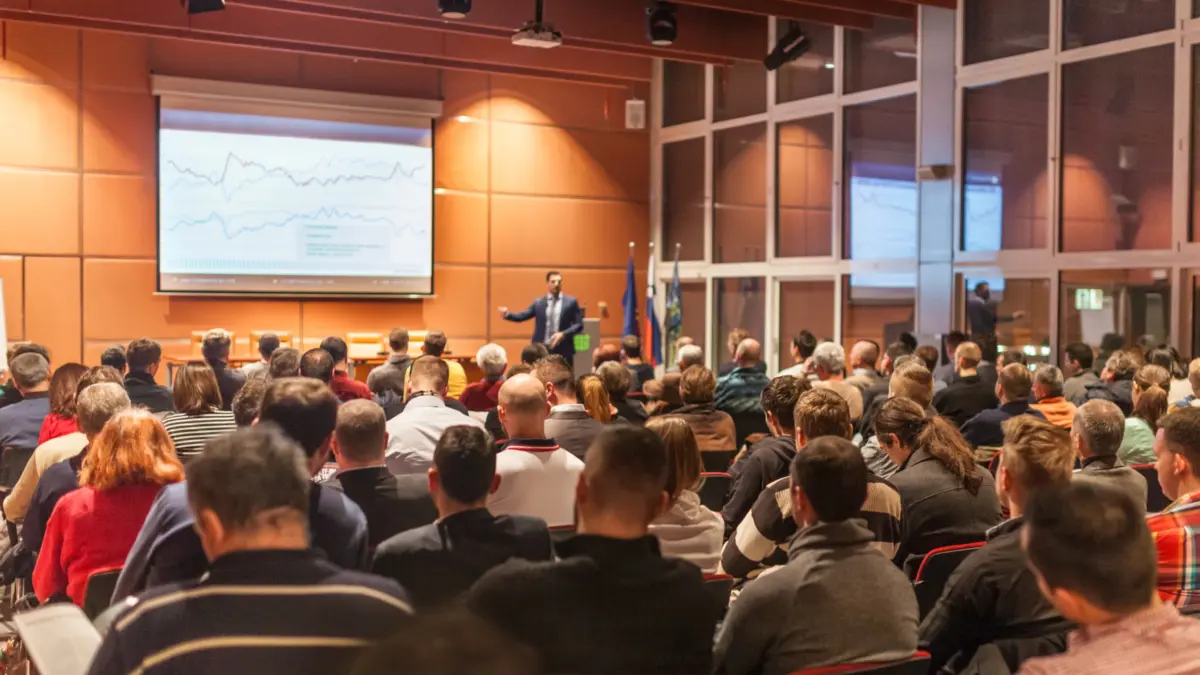
This growing friction took center stage at the recent Data Center World Power event in Dallas, held from September 21–23. Throughout the conference, industry leaders, utility executives, and developers grappled with a stark new reality: technical feasibility and abundant capital are no longer enough to bring a multi-billion-dollar AI campus to life. Securing a project today requires navigating a complex social landscape where community trust, proactive energy planning, and radical transparency dictate whether a server farm ever sees the light of day.
Executive Overview: The Great Social Bottleneck of the AI Economy
For the better part of a decade, the data center industry operated under a relatively quiet playbook. Developers targeted regions with cheap land, robust fiber-optic connectivity, and accessible grid capacity. They operated largely behind the scenes, utilizing non-disclosure agreements (NDAs) with local officials to fast-track approvals before the surrounding neighborhoods even knew what was coming.
That old paradigm is dead. The sheer scale of modern AI workloads—demanding unprecedented volumes of electricity and water—has thrust data centers into the center of public consciousness. Concerns over soaring residential utility bills, grid instability, and environmental degradation have galvanized grassroots opposition.
At Data Center World Power, industry veterans made it clear that community sentiment now rivals power availability as the single most critical factor in site selection. Developers who fail to engage early, fund localized grid upgrades, or offer tangible community benefits are finding their projects stalled or completely dismantled. To survive the next phase of the AI expansion, the industry must pivot from secrecy to radical transparency, co-developing energy solutions alongside utilities and learning when to walk away from entrenched opposition.
Detailed Chronology: From Silent Expansion to Public Uproar
To understand how the data center industry reached this critical juncture, it is helpful to trace the evolution of public perception over the past three years:
- The AI Hyper-Scale Wave (2023–2024): Fueled by the generative AI explosion, tech giants and specialized developers raced to secure real estate capable of supporting dense clusters of high-performance GPUs. Announcements of massive gigawatt-scale facilities dominated financial and tech headlines. During this period, traditional permitting pathways were heavily utilized, often with minimal public fanfare.
- The Early Murmurs of Discontent (2025): As construction broke ground on dozens of massive facilities, local residents began noticing the invisible strains being placed on their neighborhoods. Reports of unexpected spikes in local electricity rates, rumbling generator noise, and concerns over municipal water scarcity sparked localized neighborhood committees.
- The Cacophony of Opposition (Late 2026): By the final quarter of 2026, local resistance transformed into organized political movements. Town halls filled to capacity, environmental groups filed injunctions, and regional governments began instituting emergency moratoria on new data center zoning permits. Developers attending the Dallas conference acknowledged that public pushback had officially become their primary operational hurdle.
Supporting Context & Metrics: The Anatomy of Local Resistance
The friction between communities and data center developers is rooted in three primary resource concerns: power, water, and economics.
1. The Electricity Rate Anxiety
The most pervasive fear among local ratepayers is that powering hundreds of thousands of AI servers will drive up their monthly electricity bills. When a data center ties into a regional grid, it often requires immediate transmission upgrades and heavy-load substations. In the past, these costs were occasionally socialized across the broader utility customer base, leading to tangible rate hikes for residential and small business consumers.
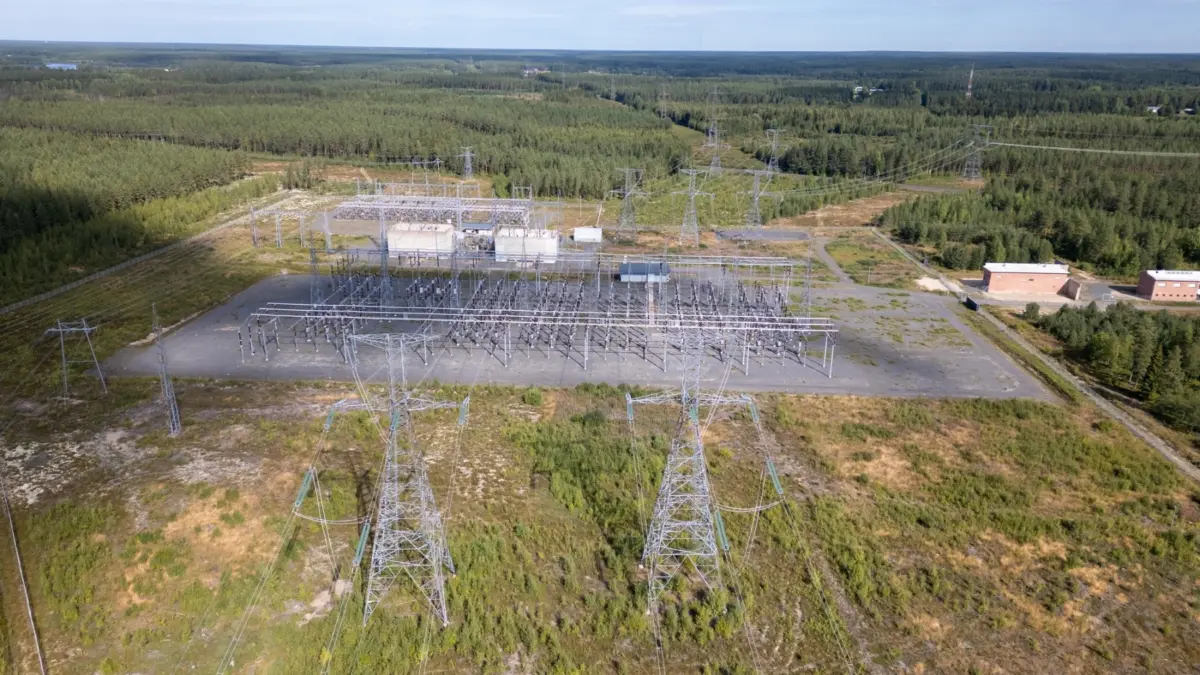
To counter this, forward-thinking developers are stepping up to shoulder the financial burden. Many are now fully funding Battery Energy Storage Systems (BESS) that stabilize the local grid while backing up their own facilities. Others are purchasing high-voltage transformers, constructing dedicated substations, and investing in advanced power electronics infrastructure to ensure that local ratepayers are completely insulated from the financial impacts of the data center’s energy appetite.
2. Water Usage and Environmental Myths
Hyperscale data centers require extensive cooling to keep servers operating at peak efficiency. While traditional evaporative cooling systems consume millions of gallons of water annually—sparking severe local pushback in drought-prone regions—the industry is rapidly evolving. Modern facilities increasingly utilize closed-loop systems that dramatically reduce process water consumption. However, convincing skeptical residents remains a massive hurdle, as numerical data sheets are often dismissed as corporate greenwashing.
3. The Shift in Siting Priorities
Historically, the golden rule of site selection was simple: proximity to major metropolitan fiber hubs. Over the last two years, that shifted to power availability. Today, industry leaders agree that a new tier has been added to the top of the hierarchy: community alignment.
Official Industry Insights: Strategies for Community Integration
During the panels at Data Center World Power, several high-profile executives shared actionable strategies for overcoming local hostility and rebuilding public trust.
Be Transparent Early: Retire the NDA Playbook
Diane Sullivan, Chief Development Officer at Hecate Energy—a Chicago-based utility-scale energy park developer—pulled no punches regarding the industry’s historical missteps. She argued that the current wave of backlash is a direct consequence of past practices relying on secrecy.
"In the past, developers would sometimes obtain permits before informing the public about a data center project, which is a terrible idea," Sullivan stated. "We must become open and be fully transparent about our plans."
Sullivan emphasized that while the NDA-heavy, under-the-radar approach may have worked for smaller, low-impact facilities of the past, the sheer scale of modern AI campuses demands upfront, public engagement as a core operational requirement.
Bring Power with You: Co-Develop Infrastructure
Permitting authorities and grid operators are increasingly slamming the door on proposals that lack a self-contained, viable energy roadmap. Developers can no longer simply ask the local utility for megawatts; they must bring their own generation portfolio to the table.

According to industry experts, successful proposals now incorporate co-developed energy assets—spanning wind, solar, geothermal, natural gas, nuclear, and advanced battery storage. Partnering early with Engineering, Procurement, and Construction (EPC) contractors and utilities ensures that the facility’s power footprint is balanced before a single zoning application is submitted. As Sullivan bluntly warned attendees: "Any project proposal should also include a power generation solution, or you are probably wasting your time."
Community Support Trumps Power Availability
Echoing this sentiment, Dado Slezak, Executive Vice President of Energy Capital and Strategy at QTS Data Centers, underscored the psychological and political realities of modern site development:
"You could have a perfectly executable project that’s real, it’s commercial, and has well-allocated risk, but the community shows up and doesn’t want you there."
To prevent this stalemate, Slezak noted that economic benefits must be made immediately tangible to everyday residents. Beyond baseline property tax contributions, QTS has pioneered agreements to fix and subsidize community electricity rates for multi-year periods—such as an initiative implemented in Iowa. Other developers are channeling investments into local water restoration projects and educational funding.
Alise Porto, Vice President of Sustainability and Strategic Initiatives at Switch, highlighted the importance of employment pipelines. While data centers create specialized permanent roles, the multi-year construction phase generates massive local job creation. Switch and other progressive developers are actively converting these construction opportunities into permanent careers via on-site retraining and technical certification programs.
Debunking Myths Through Facility Tours
Faced with entrenched skepticism regarding noise pollution and water depletion, presentations and slide decks often fall on deaf ears. Slezak advocated for experiential transparency: bringing community leaders and concerned residents directly inside working facilities.
"I can tell them that you consume less water in a hyperscale campus than a restaurant would, but they often don’t believe me," Slezak explained. "It is sometimes better to show them. I’ve toured groups through a facility and shown them our closed-loop system where there is no water consumption."
Navigating Geography: Pro-Growth Regions vs. Entrenched Opposition
While major resistance movements have choked off development in traditional tech hubs, other jurisdictions are actively rolling out the red carpet for digital infrastructure.
The Rise of NELA and Pro-Development States
Northeast Louisiana (NELA) has emerged as a prime sanctuary for data center investment. Rob Cleveland, President and CEO of Grow NELA (Northeast Louisiana Regional Economic Development Authority), noted that the region is experiencing a massive influx of developer interest. A key driver behind this momentum is regulatory efficiency: Grow NELA has streamlined its permitting timeline down to a blistering 15 days, a stark contrast to jurisdictions where the approval process can drag on for over a year.
Similarly, large swaths of Texas are welcoming developers with open arms. Despite tightening interconnection queues, the state is aggressively expanding both grid-scale and on-site generation. Measures enacted by the Governor’s Office and the Electric Reliability Council of Texas (ERCOT) are actively working to balance grid stability with rapid technological expansion, protecting local ratepayers while keeping the state open for business.
Knowing When to Walk Away
Despite the best community engagement frameworks, developers must recognize when resistance has crossed the threshold from negotiation to outright hostility. Panelists noted that in instances where developers have fully agreed to mitigate noise, cap water use, and shield ratepayers from costs, yet the local opposition continues to move the goalposts, the most pragmatic business decision is to exit the market.
"There are a lot of communities that will welcome you," Slezak reminded the Dallas audience, advising developers to redirect their capital toward forward-thinking regions eager for economic transformation.
Future Outlook: The Path Forward for AI Infrastructure
As the data center industry moves past 2026, the mandate is clear: the era of building in the shadows is over. The convergence of AI demand and community empowerment has permanently altered the development lifecycle.
In the future, successful data center deployment will rely on a tripartite foundation:
- Upfront Transparency: Open town halls, early public disclosures, and proactive communication replacing secret filings.
- Co-Developed Energy Independence: Bringing dedicated, sustainable power generation to every site to protect local grids and consumer wallets.
- Tangible Local Value: Delivering direct economic relief, educational pathways, and environmental restoration that make the host community a true beneficiary of the digital age.
By embracing these principles, the data center industry can bridge the chasm between local communities and the technological imperatives of the AI economy—ensuring that the digital infrastructure of tomorrow is built with the consent and support of the communities it touches today.