Executive Overview
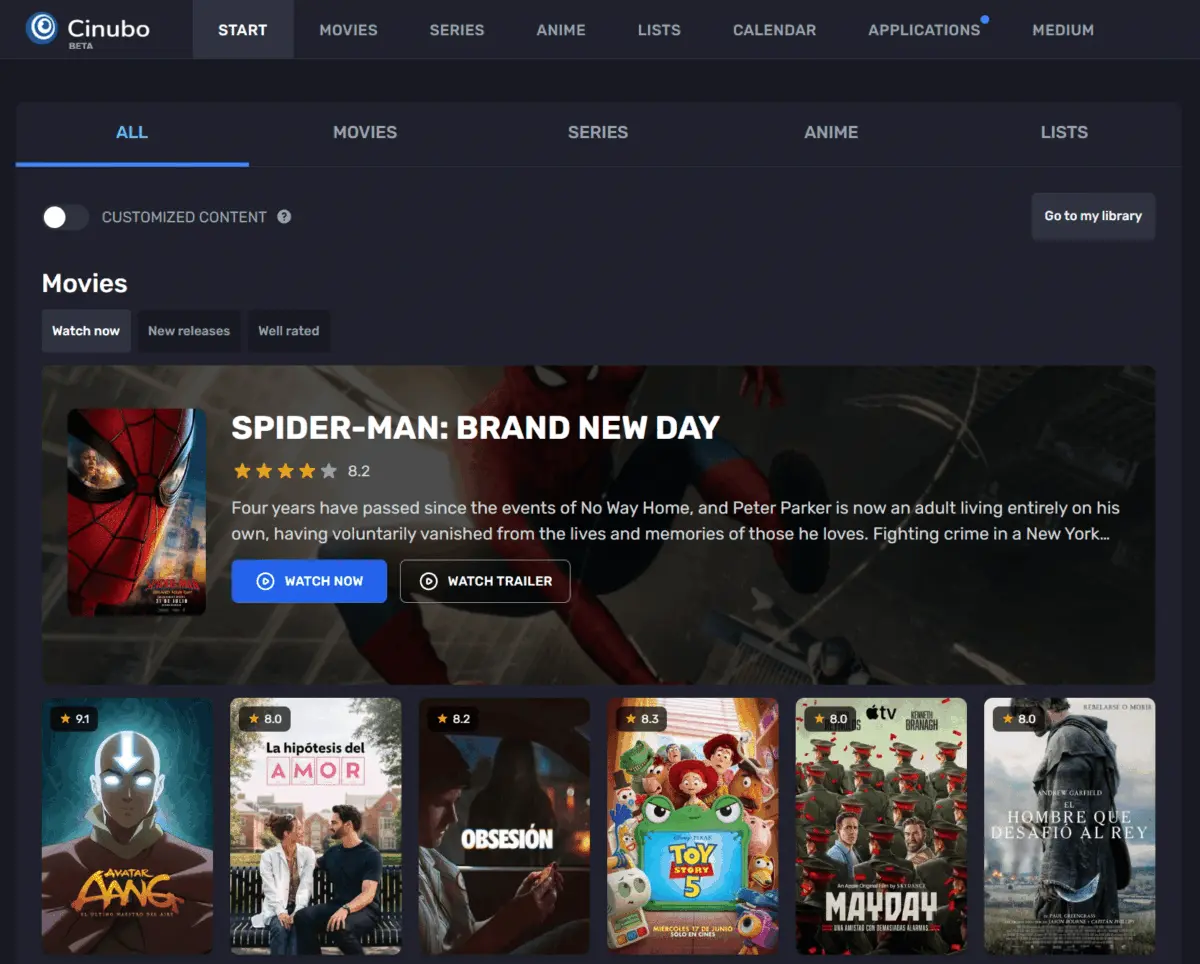
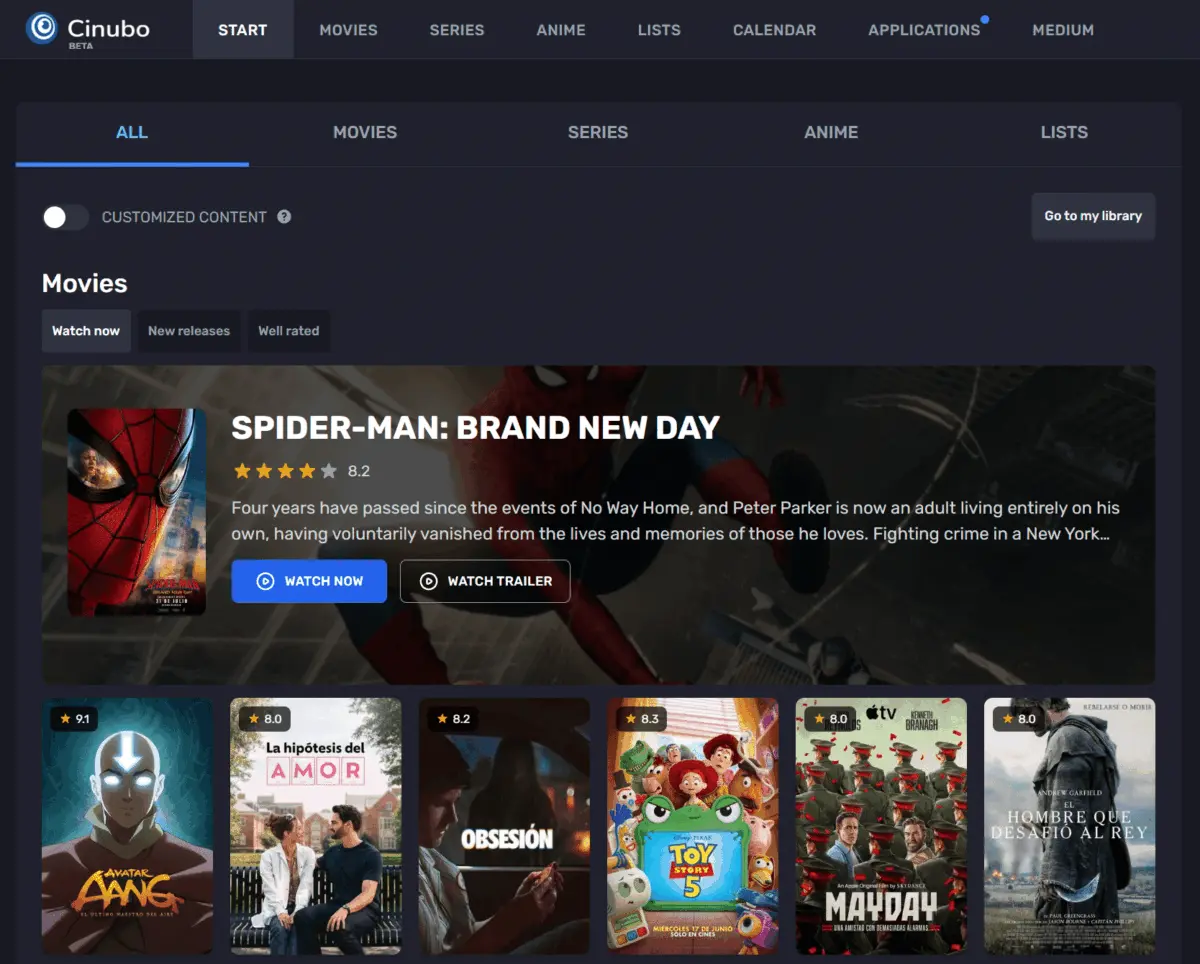
In the high-stakes, cat-and-mouse ecosystem of global digital piracy, few operations manage to scale to the massive traffic heights achieved by Cineby. Pulling in an estimated 160 million visits in a single month, the platform cemented its status as an undeniable juggernaut in the illicit streaming market. Alongside its heavy-hitting companion and mirror networks—including Fmovies+ and Cineplay—Cineby operated as a cornerstone of web-based media consumption for millions worldwide.
However, rather than suffering the typical, abrupt fate of most major pirate portals—which usually vanish overnight amid dramatic federal domain seizures, server raids, or sudden developer abandonment—Cineby has chosen a far more unusual exit strategy: a methodical, carefully broadcasted, step-by-step self-termination.
Rather than pulling the plug instantly, the operators published a comprehensive, multi-stage shutdown calendar. This controlled descent systematically dismantled the platform’s infrastructure feature-by-feature, beginning with the consolidation of mirror networks and culminating in the permanent erasure of its core domain names.
While the sudden exit of such a monumental player naturally triggered widespread speculation regarding imminent law enforcement action, a closer look reveals a complex brew of escalating international legal pressures, collapsing backend infrastructure, and a deliberate desire by the operators to preserve their legacy. This deep-dive investigation explores the chronology of Cineby’s shutdown, the mounting legal walls closing in around it, the internal mechanics that forced its hand, and what this means for the ever-evolving landscape of online copyright infringement.
Detailed Chronology: The Anatomy of a Shutdown
The orchestration of Cineby’s closure stands out as a masterclass in administrative wind-down. Instead of cutting off its user base abruptly—a move that routinely breeds chaos, spawns scam copycats, and leaves users vulnerable to malware—the anonymous team behind Cineby laid out a transparent timeline. This schedule gave users, mirrors, and community anchors ample warning, ensuring an orderly transition into digital oblivion.
The staged decommissioning process followed a strict chronological sequence:
- August 25: The first domino fell as popular mirror and companion domains, notably Fmovies+ and Cineplay, initiated automatic traffic redirects, funneling their millions of monthly visitors directly to the main Cineby portal to centralize the wind-down.
- August 26: The platform aggressively pruned its content offerings, shutting down all dedicated anime and live sports streaming pipelines.
- August 27: Direct file download functionalities were disabled, cutting off offline archiving capabilities for users.
- August 28: The infrastructure supporting user accounts was dismantled entirely, resulting in the permanent deletion of all stored user data, profiles, and preferences.
- August 30: Designated as the final day for mainstream media consumption, this marked the absolute last operational window for users to watch films and series on the platform.
- August 31: All film and television series streaming nodes were officially switched off, accompanied by a lengthy, reflective farewell message from the platform’s administrators.
- September 1: Cineby published its final public statements, bidding a definitive farewell to its community.
- September 5: The ultimate deadline. Every remaining domain, backup link, and infrastructure asset was scheduled to be taken offline permanently, rendering the shutdown entirely irreversible.
As the timeline progressed, milestones were met with clockwork precision. The live sports and alternative streaming hubs went dark exactly as scheduled, followed swiftly by the removal of the core video players. By executing the closure in stages, the operators successfully sidestepped the panic normally associated with sudden site deaths, cementing the event as a planned obsolescence rather than a sudden casualty of a police raid.

Supporting Context & Metrics: Scale, Reach, and the Infrastructure Crisis
To truly understand the weight of Cineby’s closure, one must examine the sheer scale of the operation. With traffic metrics hovering near 160 million monthly visits, Cineby was not merely a fringe website; it was a heavily optimized, globally recognized enterprise. Its auxiliary sites, Fmovies+ and Cineplay, commanded millions of unique visitors of their own, creating an interconnected web of pirate traffic that rivaled legitimate subscription-based video-on-demand (SVOD) services in user engagement.
Yet, behind the glossy interface and massive traffic numbers, structural cracks were forming beneath the surface. While external observers immediately pointed fingers at Hollywood’s legal teams, the operators themselves revealed a far more pragmatic internal catalyst: the collapse of their upstream supply chain.
In a candid, emotionally charged final statement released on August 31, the operators revealed that the writing had been on the wall months prior. The structural stability of Cineby relied heavily on external video-hosting ecosystems and foundational groups that supplied the underlying media files. Approximately three months before the shutdown, two of the site’s primary video-provider networks—notably the infrastructures associated with the Sflix and 1Movies groups—suffered catastrophic collapses.
For a platform of Cineby’s magnitude, losing primary content pipelines is an existential blow. Although the team attempted to patch together alternative sources and stabilize the platform, the user experience was permanently degraded. Rather than maintaining a hobbled, low-quality service that limped from error to error, the operators chose dignity over decay. As they explicitly noted: "We’d rather leave Cineby the way you remember it. A good streaming site. A great one, even. Some things should only last while they’re still good. Cineby is one of those."
Legal Pressure: The Net Closing In
While internal infrastructure failures certainly accelerated the timeline, it would be naive to ignore the suffocating legal environment in which Cineby operated. For over a year, major rightsholders, industry coalitions, and international anti-piracy groups had been tightening a regulatory and judicial noose around the platform’s neck.
International Scrutiny and MPA Target Lists
The Motion Picture Association (MPA)—Hollywood’s principal lobbying arm—had long flagged the operation as a high-priority target. In submissions to the United States Trade Representative (USTR), the MPA formally categorized Cineby as a "notorious piracy operation," explicitly highlighting its sprawling, hydra-like structure and linking its operational footprint to Russia. This classification placed Cineby squarely in the crosshairs of federal intelligence and copyright enforcement agencies globally.
Global Site-Blocking Orders
Unable to physically raid servers often housed in lax jurisdictions, rightsholders increasingly relied on sweeping judicial site-blocking injunctions. Cineby found itself named in several landmark legal maneuvers across multiple continents:

- The United Kingdom: The site was explicitly incorporated into Hollywood’s expansive UK "omnibus" pirate site-blocking order, compelling major British internet service providers (ISPs) to block DNS resolution to the portal.
- Canada: Canadian federal courts targeted the network under an "expanded scope" blocking order designed to preemptively capture not only existing domains but also future, unannounced successor sites spawned by the same operators.
- India: In July, a Delhi High Court order secured by HBO took aim at four specific Cineby domains. While the primary
.atdomain managed to evade immediate ISP filtering—suggesting a slow-acting domain registrar—the Indian legal action demonstrated the global reach courts were willing to exert against the brand.
Despite this intense pressure, the operators maintained a stoic silence regarding legal threats throughout the shutdown process, choosing instead to frame their departure around community legacy and infrastructural fatigue.
Official Statements and Community Fallout
The vacuum left by a multi-million-visitor streaming giant inevitably sparks chaos within the digital underground. Recognizing this, Cineby’s final communications included stern warnings directed squarely at its own user base regarding opportunistic scammers and bad actors.
The Warning Against Copycats
In their August 31 farewell address, the administrators addressed the vibrant, self-organized community that had sprung up around the brand on platforms like Telegram, Reddit, Discord, and Facebook. While expressing gratitude for the community’s organic support, they issued a blunt warning about the inevitable wave of impostors:
"Be careful looking for alternatives. There are a lot of shady sites out there, some that look a lot like Cineby. There is no official alternative to Cineby. Any site that claims to be one is a low-quality copycat. Watch which sites you visit and where you click. Until now, Cineby has never spoken officially. Anyone who claims to be part of our team is lying. This is our only official statement and the last."
This warning was underscored by real-world concerns; the administrators specifically called out opportunistic bad actors on Reddit attempting to hijack the Cineby brand name with poorly constructed, ad-heavy copycat portals designed to harvest user credentials or distribute malware.
Rather than endorsing a direct successor, Cineby’s final pages took the unusual step of directing users toward legitimate streaming giants like Apple TV and Amazon Prime, alongside neutral community resources like the FMHY (Free Media Heck Yeah) subreddit—a crowdsourced directory of safe web resources—effectively washing their hands of the illicit streaming trade altogether.
Future Outlook: The Hydra Effect and the Post-Cineby Landscape
As the final September 5 deadline passes and the last of Cineby’s domain infrastructure drops off the active Domain Name System (DNS), the broader digital piracy ecosystem is left to reckon with the void.

In the wake of past major site closures—such as the sudden acquisition and rebranding of platforms like Zoro.to—industry watchers are naturally conditioned to look for signs of a resurrection. When giants vanish voluntarily, speculation frequently turns toward whether the operators are simply shedding a radioactive brand name to relaunch under a clean, anonymous banner with migrated user databases.
However, current indicators suggest a more permanent departure. Unlike platforms that cut deals with rightsholders or quietly hand over keys to anti-piracy coalitions like the Alliance for Creativity and Entertainment (ACE), Cineby’s exit appears driven by a combination of burned-out upstream provider networks and an exhaustion with an increasingly hostile global legal climate.
For the entertainment industry, Cineby’s demise is being celebrated as a major strategic victory—proof that a combination of aggressive global site-blocking orders, legal pressure, and the disruption of underground hosting networks can successfully starve even the most resilient streaming giants of stability.
Yet, the fundamental economic drivers of digital piracy remain entirely intact. Millions of former Cineby visitors are currently dispersing across the web, seeking out the very copycats and shadow portals the administrators warned against. As one hydra head retreats into digital history, the ongoing war between decentralized media distribution and centralized copyright enforcement moves seamlessly into its next phase.