Executive Overview
In the highly precise world of professional video production, a fraction of a frame is the difference between a seamless broadcast and a costly technical failure. Yet, a silent epidemic of rounding errors has infected the menus, user interfaces, and marketing materials of prominent camera manufacturers, software developers, and video services. This phenomenon—newly coined as Framerate Malpractice—occurs when devices or software round non-integer television framerates to the nearest whole integer, misleading users and introducing severe technical discrepancies into post-production pipelines.
For decades, the video industry has navigated the dual realities of integer framerates (such as exact 24, 25, 30, 60, and 120 frames per second) and non-integer framerates (such as 23.976, 29.97, 59.94, and 119.88 fps). When a camera manufacturer labels a menu option as a flat "24p" or "60p" when the device actually records at 23.976 fps or 59.94 fps, it commits professional negligence. This deceptive shorthand causes immense confusion for operators, leads to critical sync errors between external audio and video, and can result in expensive quality control (QC) rejections during broadcast or theatrical delivery.
This investigative report examines the origins of this technical obfuscation, contrasts the manufacturers who respect mathematical accuracy with those who do not, details the severe workflow ramifications of these rounding practices, and issues a formal call to action for industry-wide reform.
Detailed Chronology: From Audio Standards to the Framerate Crusade
The fight against technical corner-cutting in media production is not new. To understand the gravity of the campaign against Framerate Malpractice, one must look at the historical precedent set by the audio industry.
┌─────────────────────────────────────────────────────────────────┐
│                    HISTORICAL REFORM TIMELINE                   │
├─────────────────────────────────────────────────────────────────┤
│                                                                 │
│  2021: Launch of the "48 kHz Alliance Warning Label"            │
│  │     • Targeted manufacturers using consumer 44.1 kHz         │
│  │       sampling in professional-facing gear.                  │
│  ▼                                                              │
│  2022–2023: Industry Adoption & Correction                      │
│  │     • Zoom releases PodTrak P4next with native 48 kHz.       │
│  │     • Ecamm Live & StreamYard upgrade to 48 kHz.             │
│  ▼                                                              │
│  Present: The Launch of the "Framerate Malpractice" Campaign    │
│        • Shifting focus to deceptive rounding of fractional      │
│          framerates in cameras, software, and capture devices.   │
│                                                                 │
└─────────────────────────────────────────────────────────────────┘
The 48 kHz Precedent
In 2021, media advocate and technology journalist Allan Tépper introduced the 48 kHz Alliance Warning Label. This initiative was born out of frustration with hardware manufacturers and software developers who insisted on using the consumer-grade 44.1 kHz audio sampling standard in devices marketed to broadcasters and podcasters—where the video-standard 48 kHz is the absolute requirement.
The public shaming process yielded immediate results. Key industry players recognized their errors and corrected their product designs:
- Zoom responded by developing the PodTrak P4next, a multitrack recorder featuring proper 48 kHz sampling and 24-bit depth.
- Ecamm Live updated its software architecture to embrace native 48 kHz processing.
- StreamYard overhauled its browser-based streaming pipeline to support 48 kHz audio, earning its place within the compliant alliance.
The Shift to Video: Defining "Framerate Malpractice"
Building on the success of the 48 kHz campaign, the term Framerate Malpractice has been established to target professional negligence in video timing displays.
In legal terms, malpractice—or professional negligence—is defined as an "instance of negligence or incompetence on the part of a professional." When applied to hardware and software engineering, Framerate Malpractice represents a failure of manufacturers to provide accurate technical data to the professionals who rely on their tools to earn a living.
Supporting Context & Metrics: The Math and Mechanics of the Frame
To understand why a rounding error of 0.1% is catastrophic, we must examine the mathematical foundation of television broadcast standards.
The Legacy of NTSC vs. PAL
The division between integer and non-integer framerates is a legacy of the mid-20th-century transition from black-and-white to color television.
┌────────────────────────────────────────────────────────────────────────┐
│                      THE MATHEMATICAL SPLIT                            │
├────────────────────────────────────────────────────────────────────────┤
│                                                                        │
│  [NTSC Broadcast Legacy]                 [PAL & DCI Cinema Standards]  │
│  Non-Integer (Fractional)                Pure Integer Rates            │
│                                                                        │
│   30 / 1.001 ≈ 29.970 fps                 Exact 24.000 fps (Cinema)    │
│   24 / 1.001 ≈ 23.976 fps                 Exact 25.000 fps (PAL)       │
│   60 / 1.001 ≈ 59.940 fps                 Exact 50.000 fps (PAL)       │
│  120 / 1.001 ≈ 119.880 fps                Exact 100.000 fps (PAL)      │
│                                                                        │
└────────────────────────────────────────────────────────────────────────┘- The NTSC Standard (Fractional Rates): When color was introduced to the US NTSC system in 1953, engineers had to slightly lower the frame rate by a factor of $1000/1001$ to prevent the color subcarrier signal from interfering with the audio signal. This modification changed the standard 30 fps rate to approximately 29.97 fps, and the 24 fps cinema standard to 23.976 fps (commonly referred to as 23.98).
- The PAL/SECAM Standard (Integer Rates): Regions using PAL and SECAM systems (Europe, Asia, South America) did not have to resort to non-integer rates. They maintained clean, whole-number integer rates: 25 fps, 50 fps, and 100 fps.
- The DCI Standard (Integer Rates): Digital Cinema Initiatives (DCI) specifications for theatrical projection require exact integer rates, primarily 24.000 fps.
The Math of Audio Drift and Post-Production Chaos
When a camera records at 23.976 fps but labels the file or the camera menu as "24 fps," it introduces a timing discrepancy of exactly 0.1%. While this sounds negligible, the cumulative effect over time is devastating to multi-system synchronization:
$$textDrift Rate = 0.001 times 3600text seconds = 3.6text seconds per hour$$
Within a two-hour theatrical feature or live event recording, a camera suffering from Framerate Malpractice will drift by 7.2 seconds relative to an external, high-precision audio recorder running on an absolute clock. For editors, this requires manually slicing, stretching, or slipping audio tracks every few minutes to maintain lip-sync.
| Stated Menu Framerate | True Recording Framerate | Target Destination | Potential Post-Production Failure |
|---|---|---|---|
| 24 fps (Sony Rounded) | 23.976 fps | Theatrical DCP (24.000 fps) | Audio drift, frame drops, QC rejection |
| 30 fps (Sony Rounded) | 29.97 fps | Web/Industrial (30.000 fps) | Frame interpolation artifacts, jitter |
| 60 fps (Sony Rounded) | 59.94 fps | Broadcast TV (59.94 fps) | Misleading setup; audio-to-video sync loss |
Corporate Case Studies: The Compliant vs. The Negligent
Not all manufacturers are equal. The camera market is currently split between responsible engineering teams who respect mathematical precision and legacy brands that prioritize simplified, consumer-friendly menus at the expense of professional accuracy.
The Responsible Manufacturers
Fortunately, several manufacturers prioritize technical transparency, even in camera bodies costing well under $5,000.
1. Blackmagic Design
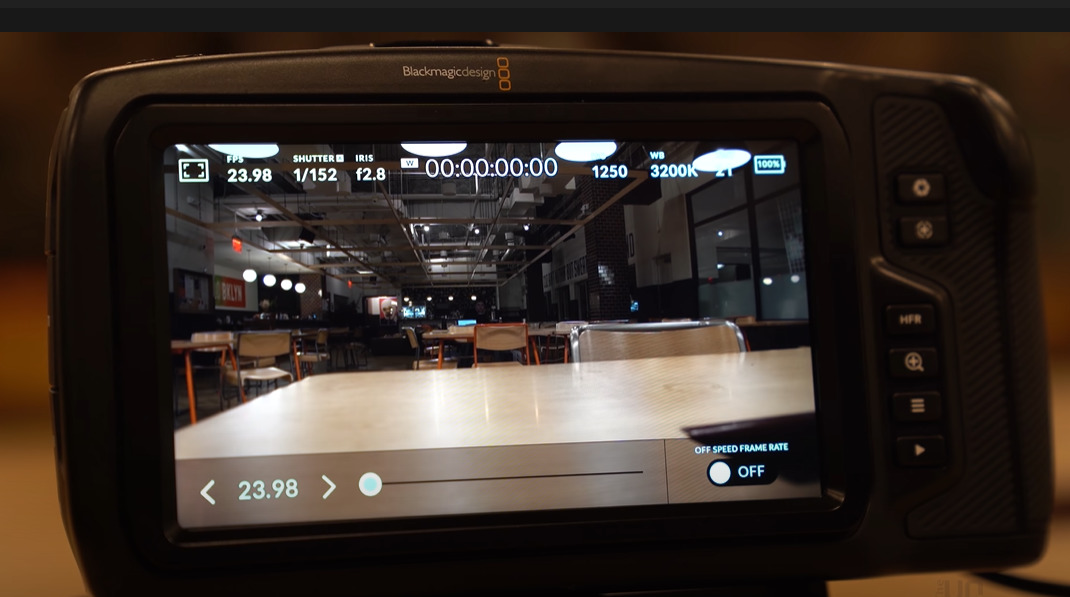
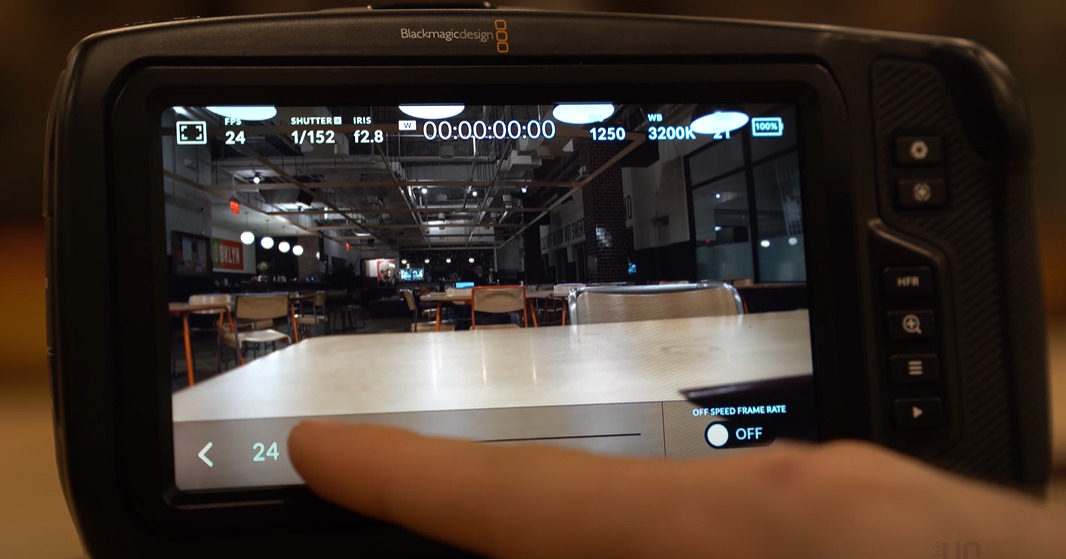
Blackmagic Design’s camera operating system is widely praised for its precision. The system menu clearly distinguishes between non-integer and integer rates. If an operator selects 23.98 fps, the camera records exactly 23.976 fps. If the operator selects 24 fps, the camera records exact, integer 24.000 fps.
Furthermore, Blackmagic cameras can switch between these rates seamlessly without rebooting the camera or modifying system clock partitions.
[Blackmagic System Menu] ──► Toggle: [ 23.98 fps ] vs [ 24.00 fps ]
                             (No Reboot / No Storage Reformatting Required)
2. Sigma
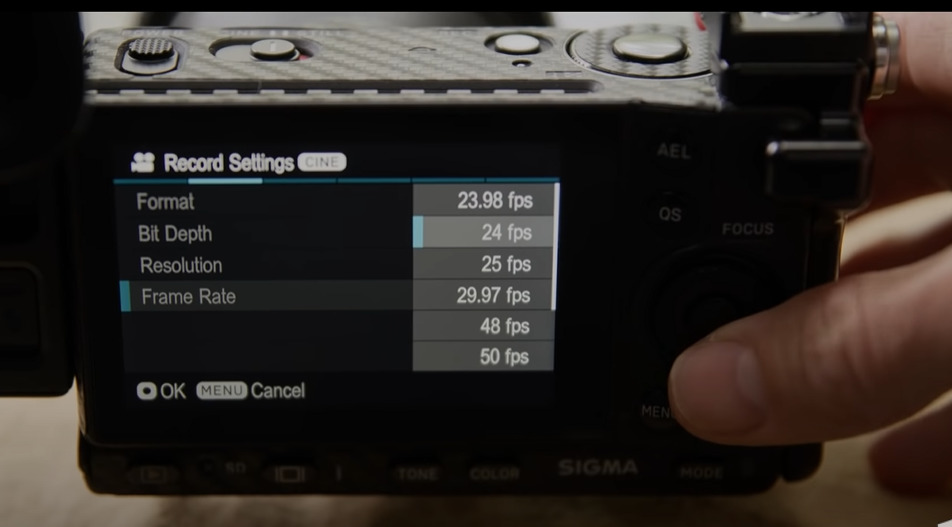
The Sigma FP and FP L cameras represent a masterclass in menu design simplicity without compromise. The Sigma FP covers both integer and non-integer rates under a single, unified clock system. Users do not need to switch the internal system clock from NTSC to PAL, nor do they have to reformat their storage media to access different regional standards.
[Sigma FP Video Settings] ──► Universal Access: [ 23.98 ] | [ 24.00 ] | [ 25.00 ] | [ 29.97 ]3. Panasonic Lumix
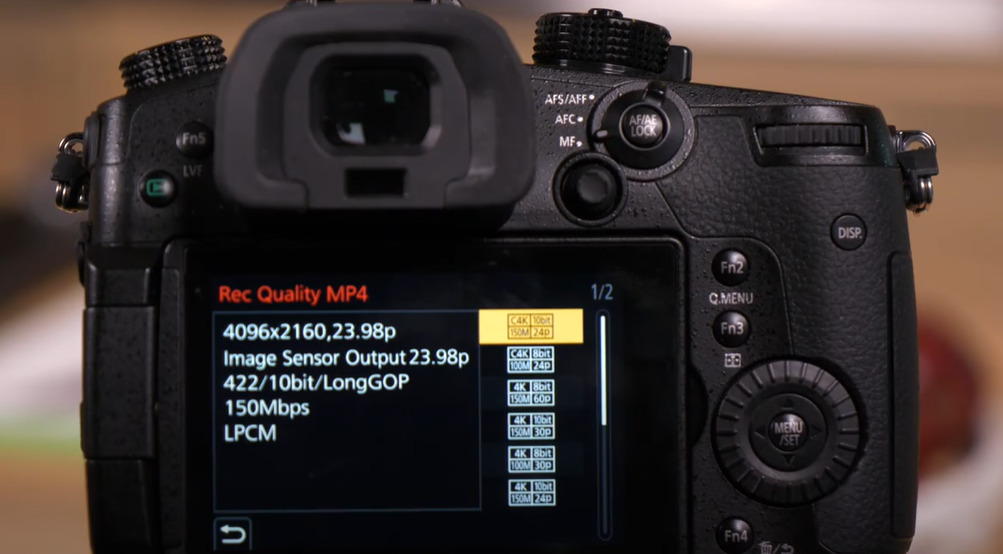
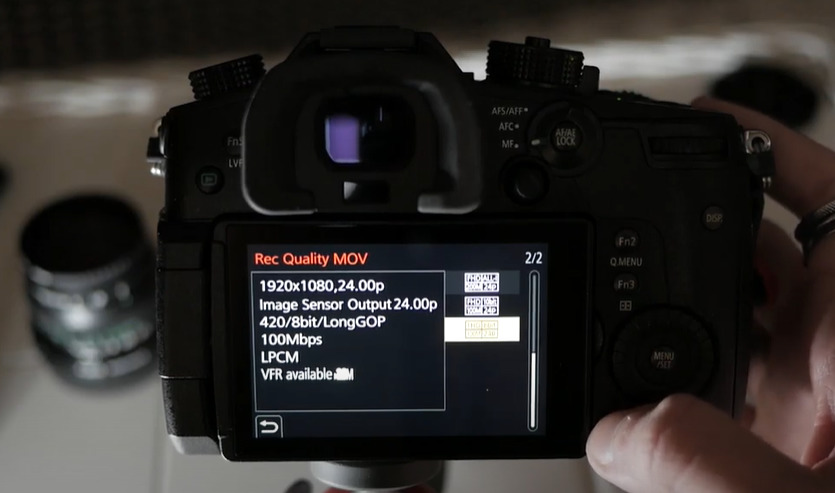
Panasonic’s Lumix series (such as the GH5, GH6, and S-series full-frame cameras) accurately displays 23.98 for 23.976 fps and 24.00 for true cinema integer rates, ensuring the operator always knows the exact nature of the captured file.
4. Canon
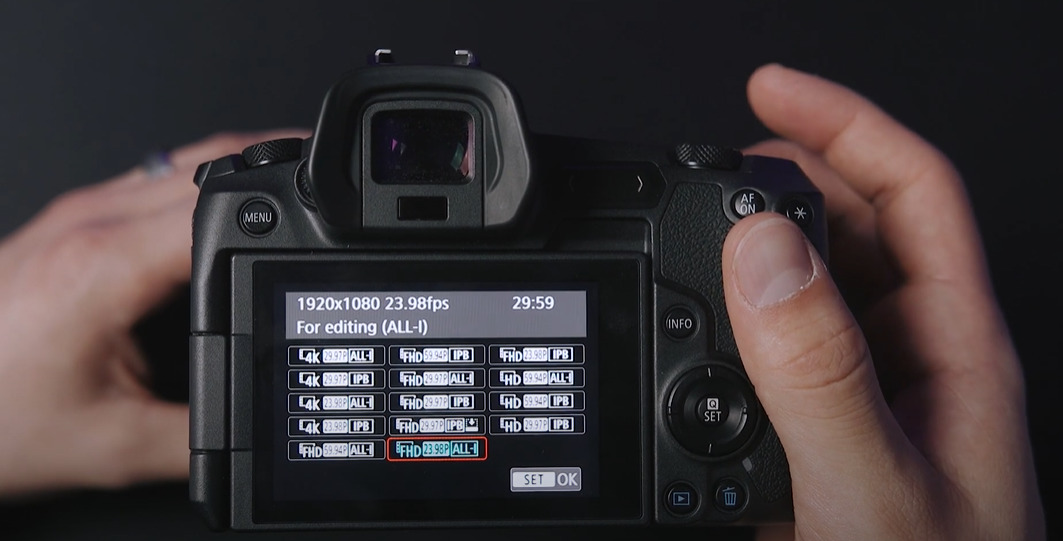
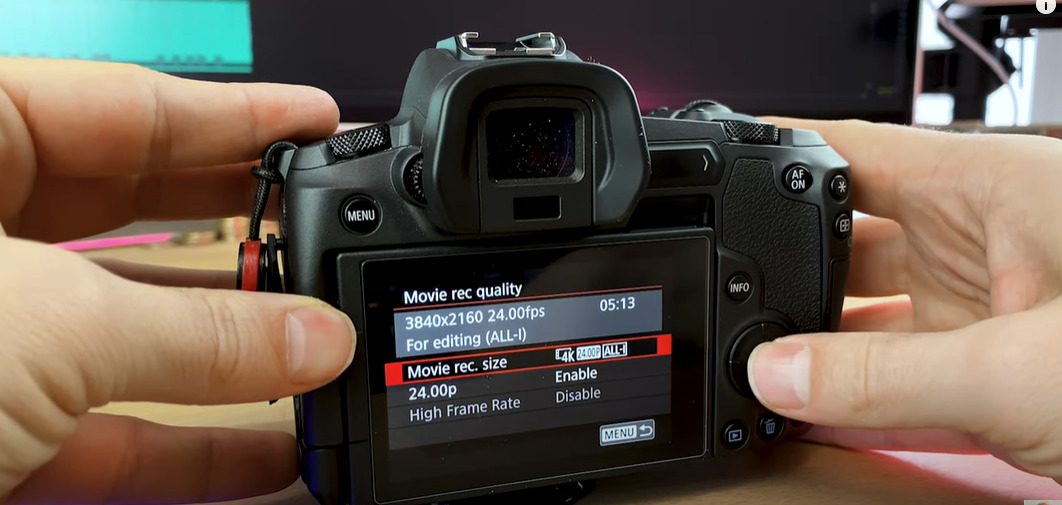
In cameras like the EOS R, Canon displays 23.976 rounded to 23.98 in the fractional menu, avoiding the deceptive "24" label. Concurrently, it offers a separate, distinct menu option for true integer 24.00p, allowing the user to make an informed, deliberate choice.
The Offenders: Sony’s Mirrorless Menu Paradox
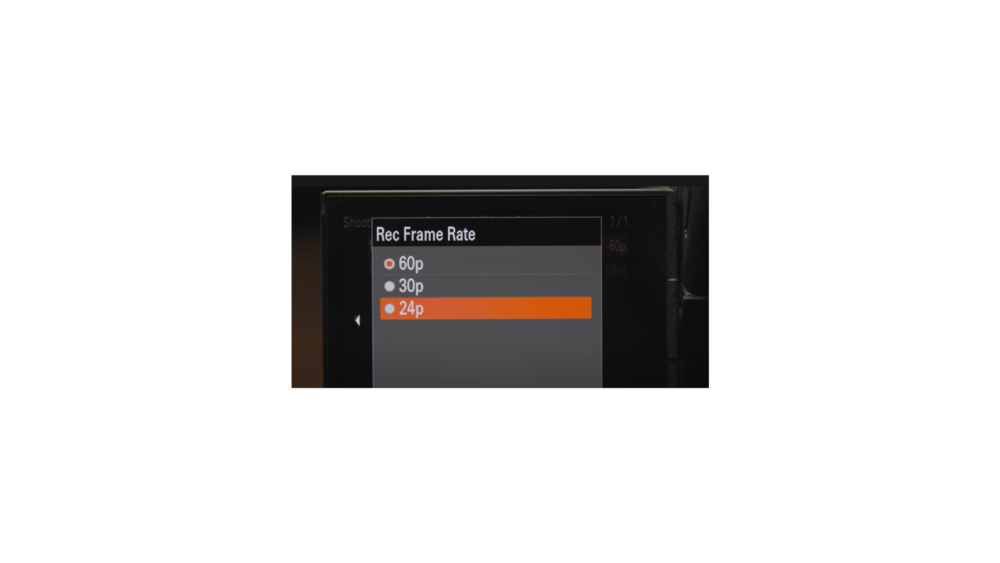
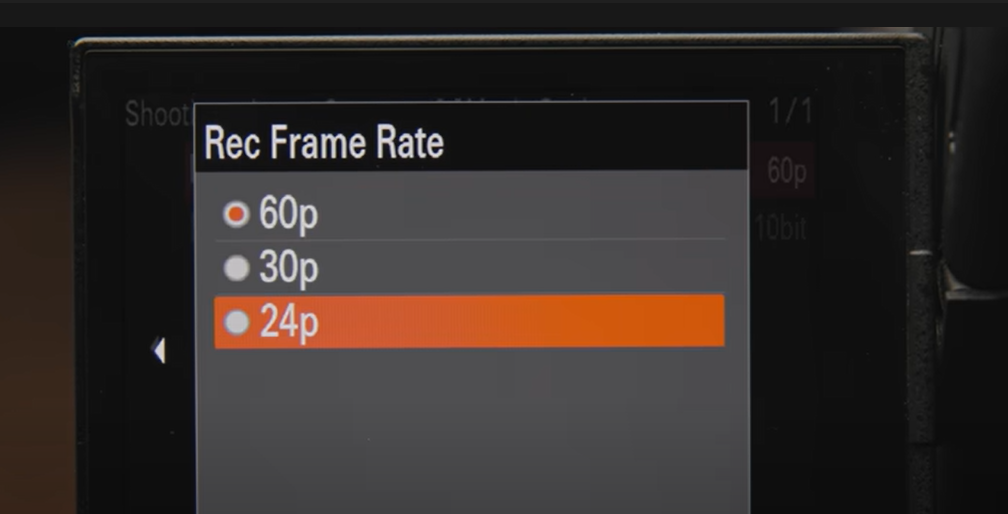
In contrast, Sony’s sub-$5,000 mirrorless camera lineup (including industry workhorses like the A7S III, FX3, and A1) has frequently been cited as a primary source of Framerate Malpractice.
┌────────────────────────────────────────────────────────────────────────┐
│                    SONY'S DECEPTIVE USER INTERFACE                     │
├────────────────────────────────────────────────────────────────────────┤
│                                                                        │
│   Menu Text Displayed:             Actual Recorded Metadata:           │
│   ┌───────────────┐                ┌─────────────────────────┐         │
│   │    "24p"      │ ─────────────► │      23.976 fps         │         │
│   └───────────────┘                └─────────────────────────┘         │
│   ┌───────────────┐                ┌─────────────────────────┐         │
│   │    "30p"      │ ─────────────► │      29.970 fps         │         │
│   └───────────────┘                └─────────────────────────┘         │
│   ┌───────────────┐                ┌─────────────────────────┐         │
│   │    "60p"      │ ─────────────► │      59.940 fps         │         │
│   └───────────────┘                └─────────────────────────┘         │
│                                                                        │
└────────────────────────────────────────────────────────────────────────┘
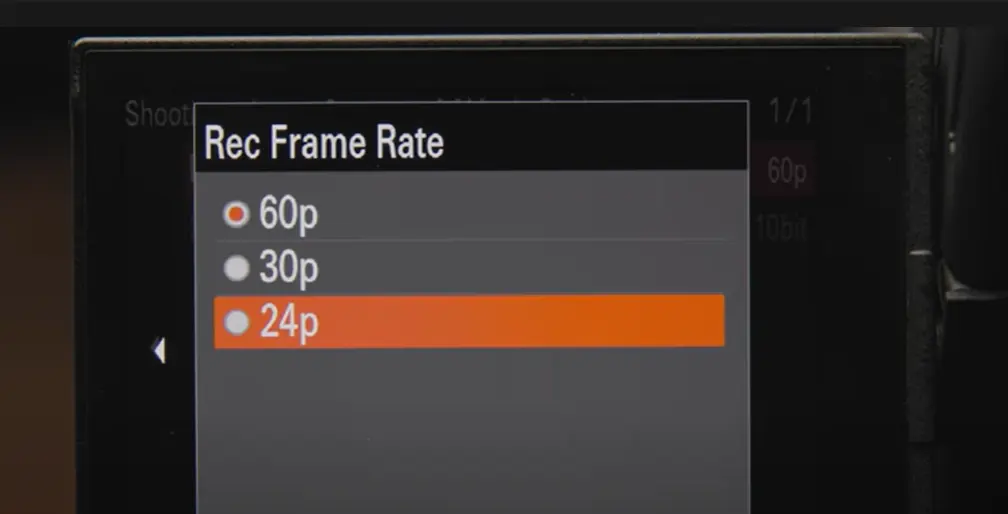
When a Sony user selects 24p in an NTSC-derived region, the camera does not record 24.000 fps; it records 23.976 fps. When the user selects 30p, it records 29.97 fps. When they select 60p, it records 59.94 fps.
To make matters worse, switching these cameras from NTSC-derived rates to PAL-derived rates (25p, 50p) historically required a full system reboot. On many models, this switch prompts a disruptive warning screen requiring the user to reformat their memory card, creating a significant hazard for multi-regional crews who must manage separate cards for different segments of a shoot.
Industry Voices & Real-World Consequences
The confusion caused by Framerate Malpractice is not theoretical; it directly impacts creators trying to deliver projects to precise technical specifications.
The Case of "Ayawolf"
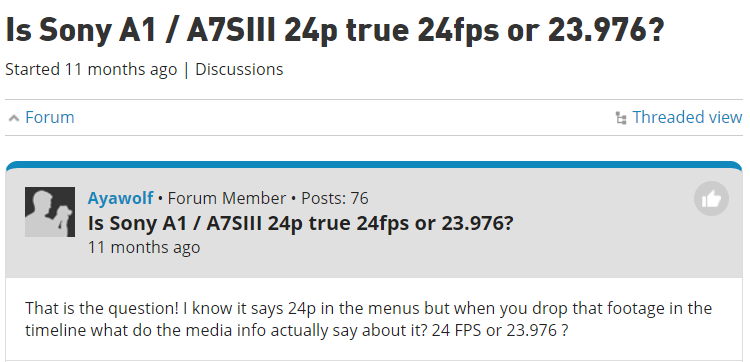
A case study from the DPReview community forums highlights the real-world consequences of these design choices. A user named Ayawolf posted a direct, critical question:
"Is Sony A1 / A7SIII 24p true 24fps or 23.976?"
Because Sony’s camera menus labeled the option simply as "24p," the user was forced to seek external verification to avoid workflow issues.
Predictably, some forum members dismissed the question, with one user replying: "Who cares?"
┌───────────────────────────────────────────────────────────────────────┐
│                    THE ANATOMY OF A WORKFLOW FAILURE                  │
├───────────────────────────────────────────────────────────────────────┤
│                                                                       │
│  1. User shoots on Sony A7S III set to "24p"                          │
│     (Assumes exact 24.000 fps based on menu label).                   │
│                                                                       │
│  2. Delivery destination requires a Digital Cinema Package (DCP)      │
│     at exact 24.000 fps.                                              │
│                                                                       │
│  3. Post-production team discovers the true metadata is 23.976 fps.   │
│                                                                       │
│  4. Project requires complex frame rate conversion and pitch-shifting  │
│     to correct audio sync drift.                                      │
│                                                                       │
│  5. Result: Budget overruns, delayed delivery, and QC failures.       │
│                                                                       │
└───────────────────────────────────────────────────────────────────────┘
For professionals delivering projects to streaming services, television networks, or movie theaters, knowing the difference between 23.976 and 24.000 fps is critical. Delivering a file at 23.976 fps when a network requires 24.000 fps (or vice versa) results in an automatic Quality Control (QC) rejection, costing production companies thousands of dollars in master redeliveries.
Official Demands: A Manifesto for Technical Accuracy
To end Framerate Malpractice, the professional video community requests that camera manufacturers, software developers, and hardware designers implement three straightforward changes:
- Cease Deceptive Rounding in Menus: Camera menus must display precise mathematical designations. If a mode records at 23.976 fps, it must be labeled 23.976 or 23.98. The integer label 24 must be reserved exclusively for true 24.000 fps recording. Similarly, 29.97 must not be labeled "30," and 59.94 must not be labeled "60."
- Implement Unified System Clocks: Manufacturers must follow the engineering examples of Sigma and Blackmagic Design. Cameras should offer a unified menu of all available framerates (both integer and non-integer) without forcing the user to switch the camera’s region setting, reboot the operating system, or reformat storage cards.
- Establish Software and Metadata Transparency: Software developers of Non-Linear Editors (NLEs), capture utilities, and monitoring tools must display actual, unrounded metadata in their primary workspaces. Users should not have to dig into deep file properties to verify whether their "24p" clip is an integer or non-integer file.
Future Outlook
The campaign against Framerate Malpractice is just beginning. Much like the 48 kHz Alliance successfully pressured manufacturers to abandon consumer audio standards in professional tools, this initiative aims to hold camera companies accountable for their UI decisions.
As firmware updates roll out for current camera systems and next-generation models are designed, consumers must vote with their wallets. By supporting manufacturers like Blackmagic Design, Sigma, Panasonic, and Canon—who respect technical accuracy—and calling out brands that continue to rely on lazy rounding practices, the production community can restore precision and integrity to the video creation pipeline. It is time to end the era of rounded numbers and bring technical clarity back to the camera menu.