In the modern digital economy, words are not merely instruments of artistic expression—they are direct economic drivers. For businesses scaling past the seven-figure threshold, written marketing channels such as strategic blog posts, targeted social media campaigns, and high-yielding email newsletters remain the bedrock of sustainable customer acquisition.
Yet, a persistent misconception plagues the industry: the belief that exceptional copywriting requires flowery prose and poetic eloquence. In reality, the most successful copywriters operate less like novelists and more like behavioral economists. They are masters of clarity, conciseness, and conversion.
This investigative report breaks down the ten foundational copywriting strategies utilized by top-tier digital marketers to turn content into a predictable growth asset. By shifting focus from the craft of writing to the revenue generated per word, modern copywriters can dramatically elevate their market value and deliver an undeniable return on investment (ROI).
Detailed Chronology: The Evolution of Modern Copywriting
To understand how copywriting transitioned from print-ad direct mail to high-performance SaaS landing pages and algorithmic social media posts, one must examine the chronological shift in consumer behavior and technology.
Phase 1: The Era of Direct Response and Deep Research
Decades ago, legendary direct-response copywriters like David Ogilvy and Gary Halbert understood a fundamental truth: great copy cannot be written in a vacuum. It requires deep, exhaustive customer research. Early copywriters spent weeks reviewing customer feedback mail, interviewing sales teams, and analyzing purchasing objections before placing a single word on paper.
Phase 2: The Digital Content Explosion
With the advent of search engines and blogs in the early 2000s, content marketing emerged as a dominant acquisition channel. Brands began producing high volumes of articles to capture search traffic. However, early digital writing often prioritized search engine algorithms over human intent, resulting in keyword-stuffed, low-converting pages that drove traffic without generating revenue.
Phase 3: The Data-Driven Conversion Age
Today, copywriting sits at the intersection of psychology, data analytics, and user experience (UX) design. Modern copywriters utilize advanced data tracking, heat-mapping software, and AI-driven sentiment analysis to dissect exactly why prospects convert. The focus has decisively shifted away from vanity metrics—like sheer traffic volume or social media likes—and toward bottom-line revenue attribution.
Core Strategies for Mastering Copywriting
Becoming an elite copywriter demands a systematic approach. The following ten actionable frameworks outline how to research, write, test, and scale copy that converts.
1. Talk to Customers (or Simulate the Conversation)
Your primary objective as a copywriter is to capture attention, build trust, present a viable solution, dismantle objections, and convert the reader. To achieve this, you must intimately understand your audience’s psychological state, daily frustrations, and spoken vocabulary.
When working with clients, direct access to customers is often restricted by time constraints. Top copywriters bypass this bottleneck using three tactical workarounds:
Interview the Sales Team: Sales representatives speak directly with hesitant prospects daily. Ask them to map out the most frequent customer pain points and recurring objections.
Analyze Sales Call Transcripts: Download recorded sales calls, upload the transcripts into artificial intelligence tools like ChatGPT, and prompt the system to synthesize primary objections and pain points.
Mine Niche Online Communities: Platforms like Reddit and specialized Facebook groups offer unfiltered insights into consumer sentiment. Reviewing threads within target industries reveals the exact colloquialisms and emotional triggers your audience uses.
2. Reverse-Engineer Your Competitors
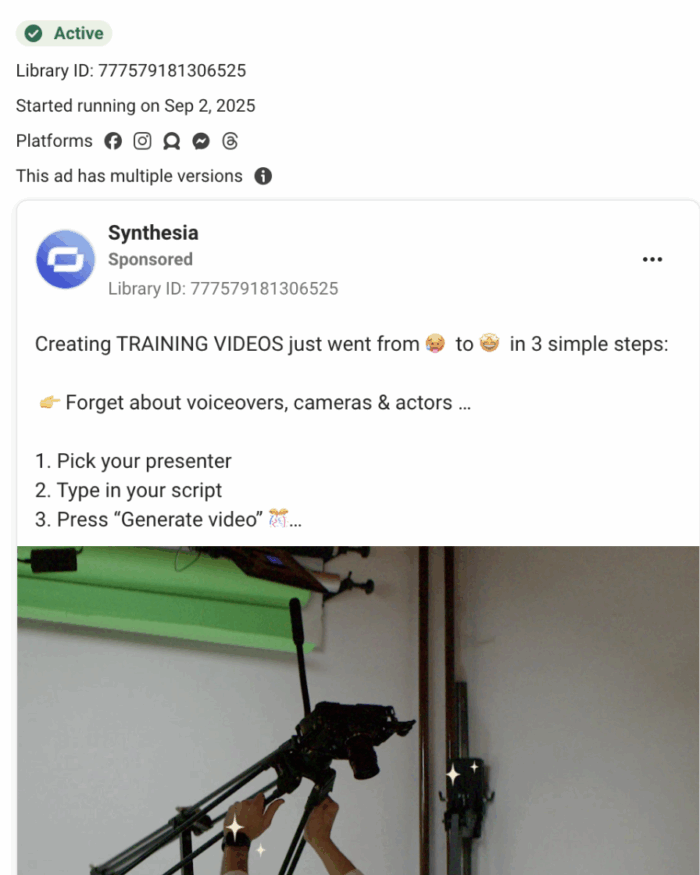
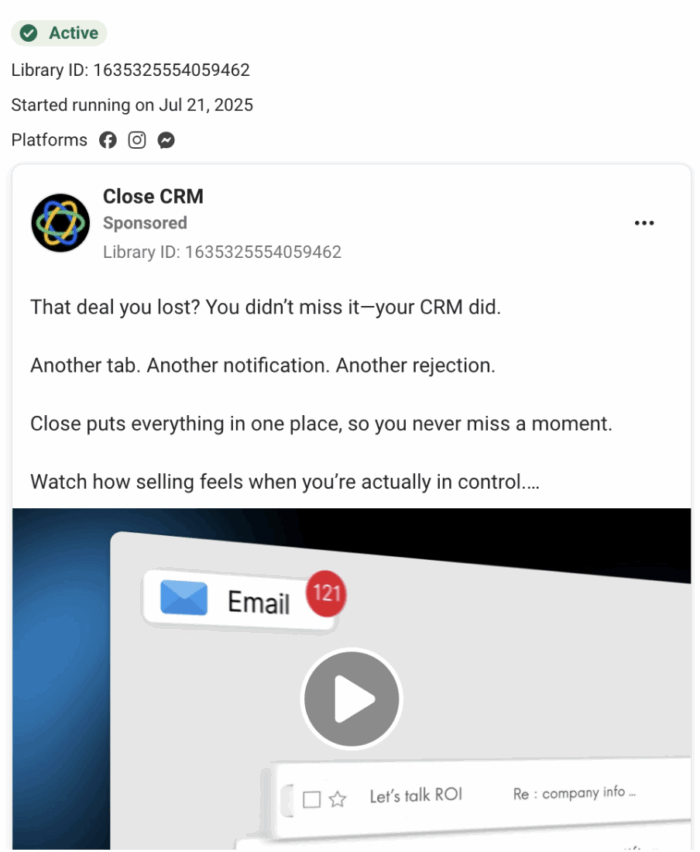
Leading competitors have already invested substantial capital into testing what works. Rather than reinventing the wheel, analyze their proven strategies.
The LinkedIn and Meta Ad Libraries are goldmines for competitive intelligence. Ads that run continuously over extended periods typically signal winning messaging frameworks. By examining which pain points competitors highlight repeatedly—such as the operational nightmare of messy CRM data or the friction of video production—you can integrate validated messaging hooks into your own email campaigns, sales pages, and articles.
3. Build and Maintain a Swipe File
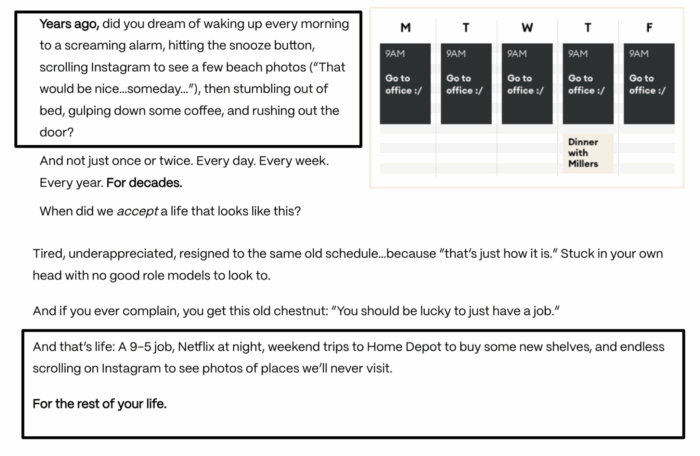
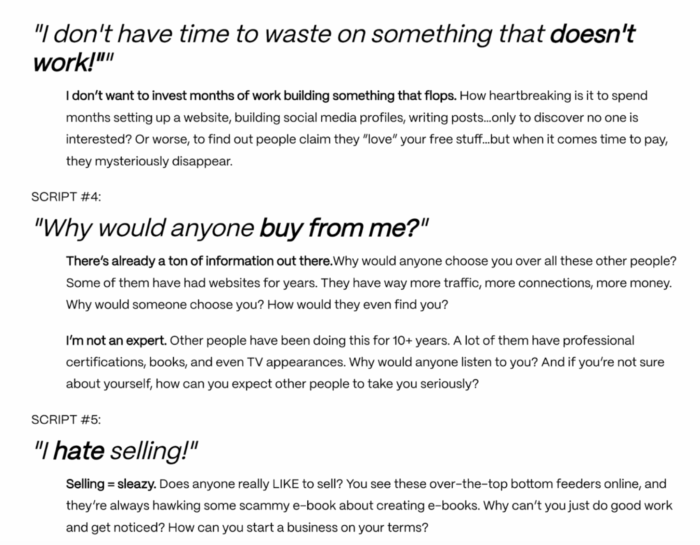
Elite copywriters rarely start a project with a blank document. They maintain a curated "swipe file" containing exceptional headlines, high-converting landing pages, and magnetic ad copy.
In addition to collecting your own examples, reference authoritative resources like SwipeFile.com (curated by veteran copywriter Neville Medhora). Studying work validated by industry experts accelerates your pattern recognition and trains your brain to identify high-converting structural layouts instantly.
4. Establish a Repeatable Writing Process
Relying purely on inspiration leads to chronic writer’s block. A structured writing process ensures that every piece of copy methodically covers all psychological touchpoints without missing critical steps.
For long-form content and blog posts, a reliable execution workflow looks like this:
Outline & Research: Gather relevant data points, competitor insights, and audience pain points.
Drafting: Write freely using the outline as a skeletal guide, focusing purely on narrative flow.
Editing & Optimization: Refine sentence phrasing, insert strategic calls to action (CTAs), and ensure clear value delivery.
5. Practice Writing with Commercial Intent
Writing proficiency only improves through deliberate, consistent practice. However, writing generic essays yields little professional growth. Instead, practice by creating commercial copy for your own entrepreneurial ventures.
Whether you choose to build a niche affiliate marketing site, ghostwrite on LinkedIn, or launch a boutique e-commerce store, writing copy designed to sell real products teaches you the difference between chasing visitors and optimizing for purchase intent. When you can successfully drive revenue for your own projects, you instantly gain authentic case studies to pitch high-paying clients.
6. Embrace AI as a Strategic Co-Pilot
Artificial intelligence should never be used to blindly generate generic copy. However, when deployed for specific tactical use cases, AI acts as a powerful productivity multiplier:
Pain Point Discovery: Prompt AI to brainstorm common frustrations within specific target demographics to jog your creative memory.
Sentence Clarification: Paste clunky passages into an LLM and request rewrites centered on radical clarity.
Expert Source Gathering: Use AI research prompts to identify relevant quotes, case studies, and insights from recognized industry authorities.
7. Master One Specific Platform
Different channels demand vastly different copywriting mechanics. Thought leadership thrives on LinkedIn through conversational hooks and personal vulnerability, whereas search engines reward structured, actionable educational content.
By deeply mastering the algorithmic nuances and audience expectations of a single platform—whether that means decoding Google’s core ranking factors or understanding LinkedIn creator dynamics—you can deliver a measurably higher ROI, justifying premium rates for your services.
Supporting Context & Metrics: Measuring the True ROI of Copywriting
Opinionated feedback from peers is subjective; true copywriting success is validated by hard data. Because tracking content ROI can be notoriously difficult, specific channels require distinct measurement frameworks:
Social Media Ghostwriting: Avoid the trap of equating vanity engagement (likes and comments) with revenue. Evaluate the profile caliber of your commenters. If your B2B content consistently attracts the attention of C-suite executives and decision-makers, your messaging is working.
Blog Content: Traffic volume means little if the visitors do not match your ideal customer profile. Collaborate with clients to establish robust conversion tracking (such as GA4 event mapping) to directly attribute revenue to specific organic search articles.
Sales Pages & Email Funnels: Track conversion rates at every step of the funnel—from email open rates to click-through rates and final checkout completions.
Official Statements and Industry Insights
Top-tier marketers emphasize that long-term success in the digital space requires a dual-pronged approach to execution and endurance. As famed investor Naval Ravikant famously noted:
"Be impatient with action and patient with results."
This philosophy underpins modern content strategy. Copywriters must push themselves to write, test, and refine aggressively on a daily basis, while maintaining the psychological fortitude to execute consistently over months before expecting exponential financial returns.
Future Outlook: The Next Era of Digital Content
As artificial intelligence continues to flood the internet with homogenous, low-effort content, the value of authentic, human-centric copywriting is skyrocketing. Brands can no longer rely on superficial fluff to capture consumer trust.
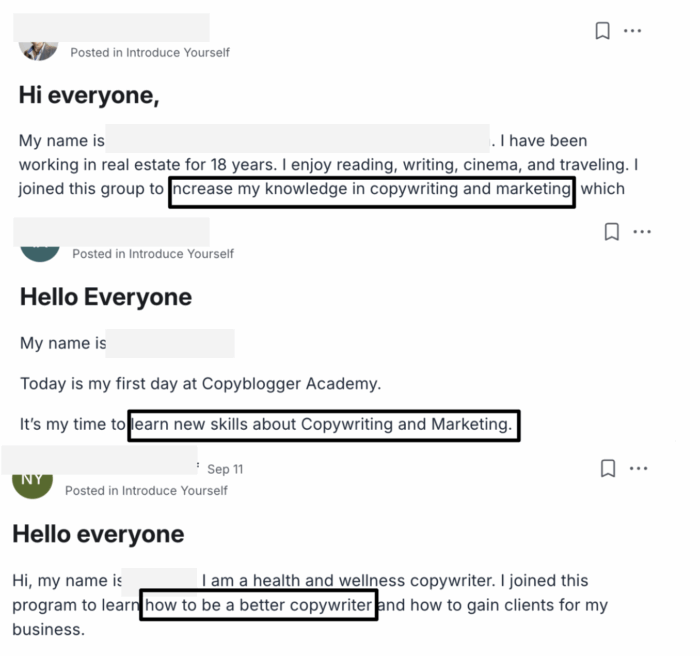
The future belongs to copywriters who combine deep psychological research, data-driven revenue attribution, and rigorous platform mastery. For those looking to accelerate their journey, immersive learning environments and communities—such as Copyblogger Academy—provide the strategic frameworks, peer accountability, and direct mentorship needed to transform content creation into a high-earning, scalable career asset.