
Executive Overview
In the modern digital economy, the chasm between creative writing and commercial copywriting is defined by a single metric: revenue generation. While classical writers focus on eloquence, metaphor, and narrative indulgence, elite copywriters operate at the intersection of psychology, behavioral economics, and direct-response marketing.
The author of this blueprint, a digital marketing agency founder and partner in the seven-figure educational community Copyblogger, has generated over seven figures online exclusively through written channels—specifically blog architecture, social media distribution, and automated email newsletters. Rather than relying on innate talent or abstract literary devices, this success has been engineered through repeatable, data-backed frameworks.

This article deconstructs the foundational tenets of high-performing copy. By moving past the vanity metrics of traffic and "likes," this guide establishes a rigorous, professional blueprint for capturing audience attention, overcoming deeply ingrained customer objections, deploying artificial intelligence as an analytical multiplier, and ultimately proving a measurable return on investment (ROI).
Detailed Chronology: The Evolution of a Seven-Figure Copywriter
The journey from novice writer to high-earning commercial copywriter rarely follows a linear path. It requires a systematic evolution in perspective, shifting from how words sound to how they perform. Below is the strategic chronology of how practitioners develop, test, and master the mechanics of customer acquisition.
[Phase 1: Research & Empathy]
       │
       ▼
[Phase 2: Competitive Intelligence & Swipe Files]
       │
       ▼
[Phase 3: Process Standardization & AI Integration]
       │
       ▼
[Phase 4: Platform Mastery & ROI Measurement]
       │
       ▼
[Phase 5: Community Feedback & Long-Term Execution]
Phase 1: Immersion and Audience Empathy
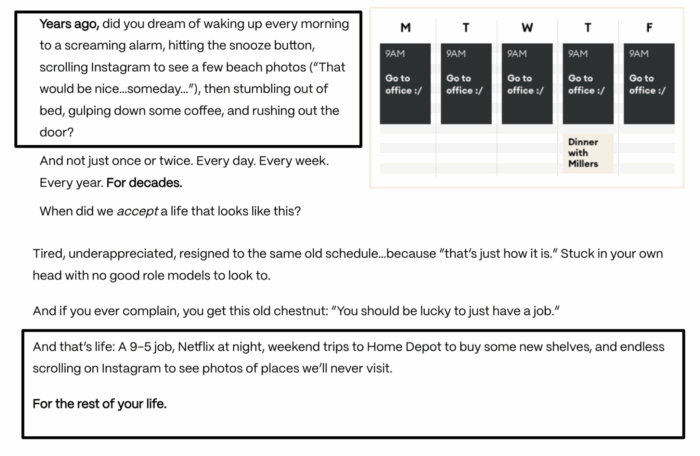
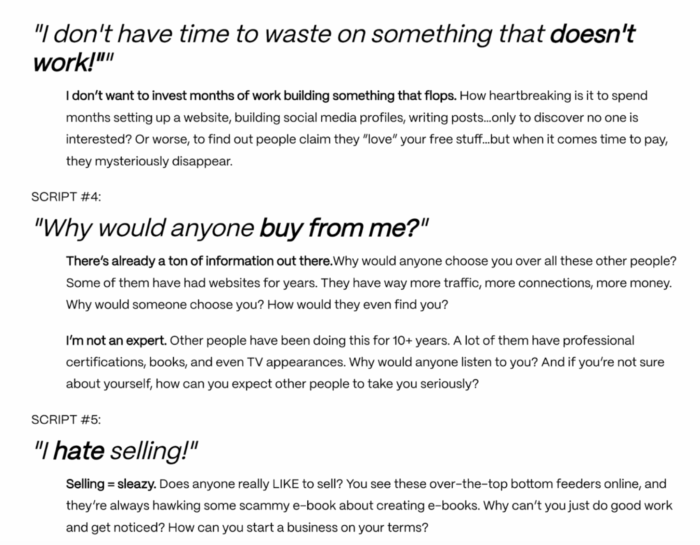
The initial phase of any robust copywriting campaign begins outside the document. Great copywriters do not invent desires; they unearth existing grievances. By analyzing customer sentiment, conducting sales-call audits, and mining community boards (such as Reddit or targeted Facebook groups), practitioners construct hyper-accurate profiles of prospect reality. This eliminates generic hooks in favor of mirror-imaging—reflecting the prospect’s exact daily frustrations back to them to establish immediate psychological resonance.
Phase 2: Competitive Reverse-Engineering
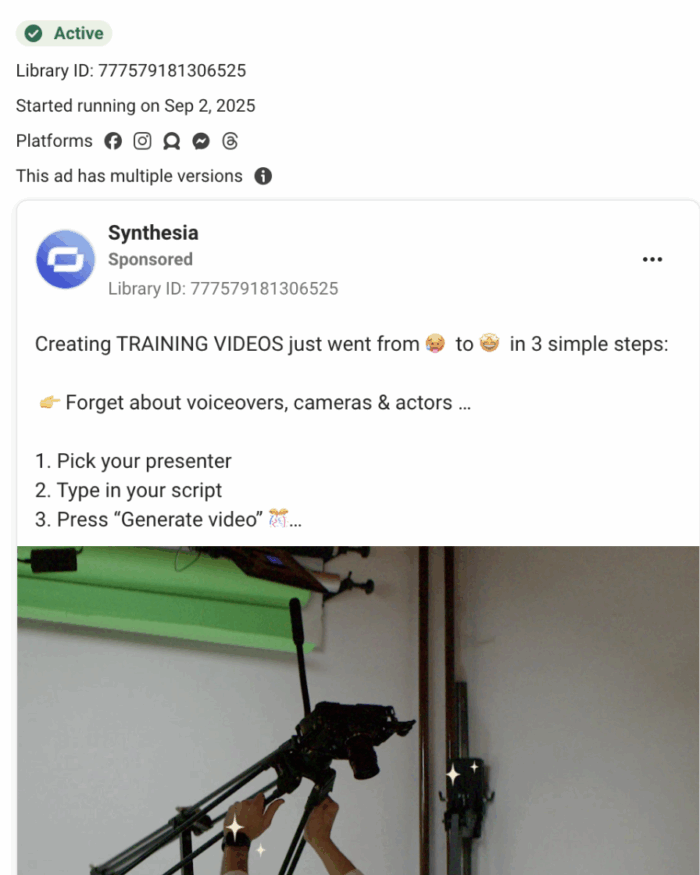
Rather than reinventing the wheel, developing copywriters study market leaders who have already deployed capital to test messaging at scale. Utilizing modern transparency tools—such as LinkedIn and Meta Ad Libraries—practitioners isolate the campaigns that have run continuously for weeks or months. Longevity in paid acquisition indicates a winning pain point, offering a verified baseline for testing and iteration.
Phase 3: Systematic Process and Technological Leverage
As output demands scale, reliance on pure inspiration introduces bottlenecks and writer’s block. Professional copywriters implement strict, multi-step writing workflows. Concurrently, they integrate artificial intelligence not as a ghostwriter, but as a research assistant. AI is deployed to parse large volumes of customer feedback, suggest sentence-level clarity improvements, and source relevant industry commentary, ensuring the human creator remains the ultimate architect of the narrative.
Phase 4: Platform Specialization and Attribution Modeling
Generalists face downward pricing pressure, while specialists command premium rates. This phase involves mastering the specific algorithms, content formats, and audience expectations of a singular channel—whether that is search engine optimization (SEO) for long-form blogs or thought-leadership frameworks for professional networks. Crucially, copywriters learn to tie their words directly to pipeline value, utilizing advanced analytics and custom conversion tracking to prove economic impact.

Phase 5: Ecosystem Calibration and Long-Term Execution
The final developmental milestone transitions the copywriter from an isolated operator to an ecosystem participant. By embedding themselves within high-level masterminds and peer communities, practitioners secure rigorous editorial feedback. Armed with Naval Ravikant’s philosophy of being "impatient with action and patient with results," they compound their efforts over multi-year horizons, unlocking asymmetrical financial returns.
Supporting Context & Metrics: The Pillars of Effective Copy
To operationalize these principles, copywriters must master ten distinct tactical pillars. Each pillar addresses a specific failure point in traditional writing and replaces it with a conversion-oriented mechanism.

1. Talk Directly to Customers (And Where They Gather)
The primary objective of copy is to capture attention, build trust, introduce a viable solution, dismantle objections, and convert the reader. To achieve this, you must intimately understand their operational and emotional realities.
When resources or time constraints prevent direct customer interviews, copywriters must rely on proxy research:

- Sales Team Audits: Interview internal sales representatives to identify the most frequent friction points and hesitation triggers.
- Call Transcript Analysis: Download historical sales call recordings, transcribe them, and process the text through large language models to extract dominant themes.
- Community Ethnography: Dive into niche subreddits or Facebook groups where your target demographic discusses their challenges without corporate filters. Paste these threads into AI tools with prompts like: "Extract the top 5 emotional pain points and exact phrasing used by members of this forum."
2. Learn From Your Competitors’ Longest-Running Ads
Market leaders have already absorbed the financial cost of testing unproven messaging. You can capitalize on their research by auditing public ad repositories.
An ad that has maintained active status for a month or longer is almost certainly profitable; otherwise, the advertiser would have paused it. By analyzing these enduring assets—whether from SaaS innovators like Synthesia or CRM platforms like Close—you can isolate the specific pain points (e.g., messy data leading to lost enterprise deals) that consistently capture market attention.

3. Cultivate a Living Swipe File
Collect high-performing headlines, persuasive landing page layouts, and compelling email sequences as they cross your digital path. In addition to maintaining a personal archive, reference curated public repositories like SwipeFile.com (curated by veteran copywriter Neville Medhora). Reviewing material validated by seasoned professionals helps calibrate your commercial eye far faster than evaluating ads through the subjective lens of a non-buyer.
4. Establish a Repeatable Writing Process
Eliminate the psychological friction of staring at a blank screen by establishing a modular writing workflow. A standard blog workflow, for instance, should follow a predictable sequence:
- Research & Outline: Compile target keywords, user intent signals, and primary pain points.
- Drafting: Write the body copy focusing on flow, clarity, and structural transitions.
- Refinement & Optimization: Inject relevant expert quotes, polish sentence phrasing, and verify conversion pathways.
5. Practice Intentionally via Proprietary Projects
Writing proficiency is a byproduct of deliberate practice. Rather than writing abstract essays, practice by launching your own digital assets:
- Build an affiliate niche site to master SEO ranking dynamics.
- Launch a micro-SaaS tool or an e-commerce storefront (mirroring the path of six-figure copywriters who cut their teeth writing product descriptions and troubleshooting guides for niche markets).
- Grow a personal brand on LinkedIn or X.
Building demand for your own ventures teaches you the difference between vanity traffic and true purchase intent, giving you case studies that command higher client retainers.

6. Embrace AI for Analytical and Structural Support
Artificial intelligence should augment human creativity, not replace it. Limit AI usage to high-leverage support functions:
- Pain Point Expansion: Prompting LLMs to brainstorm structural friction points for a given demographic.
- Clarity Refinement: Pasting dense passages to test alternative phrasing for readability.
- Expert Sourcing: Asking AI to locate public discussions, case studies, or practitioner quotes to substantiate an argument with third-party credibility.
7. Master One Platform’s Nuances
Avoid spreading your expertise too thin across every available digital channel. Deeply understand the algorithmic mechanics, hook structures, and content formats of a single medium—such as long-form search intent for Google or high-engagement thought leadership for LinkedIn. Platform mastery allows you to generate superior ROI for clients, directly justifying premium pricing structures.

8. Measure and Attribute the True ROI of Your Work
Subjective opinions on copy are ubiquitous; objective financial data is rare. Elevate your status by tying your writing to hard business metrics:
- For Social Ghostwriting: Look beyond generic likes and evaluate the professional titles of commenting profiles. Are you attracting decision-makers or junior observers? Implement custom attribution fields on lead capture forms ("How did you hear about us?").
- For Blog Content: Work with clients to establish proper conversion event tracking in Google Analytics (GA4), connecting organic sessions directly to pipeline demos and closed-won revenue.
- For Sales Pages & Email Funnels: Audit historical conversion rates and average order values directly from the client’s e-commerce or CRM dashboards.
9. Join a High-Caliber Community and Seek Feedback
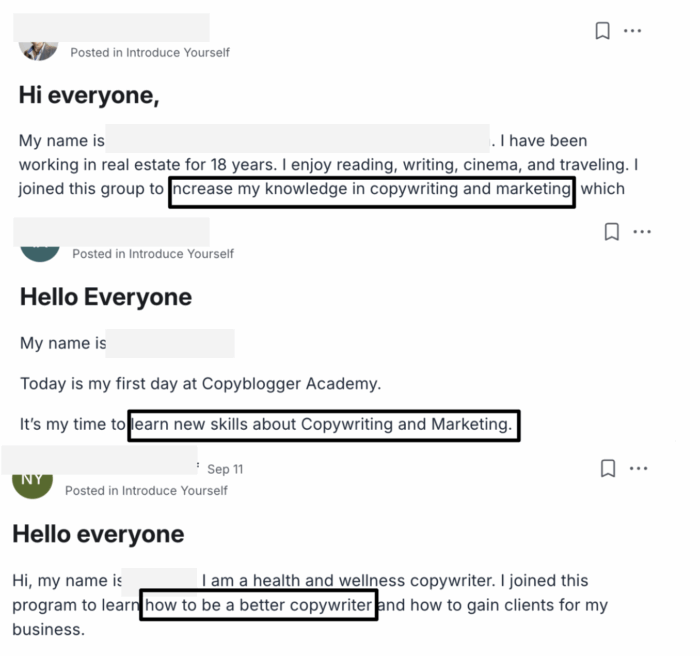
Operating in isolation slows professional development. Surround yourself with practitioners who operate at or above your desired financial bracket. Constructive peer review—especially when filtered through the guidance of proven seven-figure marketers—drastically accelerates skill acquisition and opens doors to lucrative job referrals.
10. Maintain Asymmetrical Urgency: Impatient Action, Patient Results
Adopt the mental model articulated by investor Naval Ravikant: be radically impatient with your daily output, testing, and iteration, but maintain profound patience regarding long-term financial outcomes. Commercial mastery is a compounding function of consistency over time.
Future Outlook: The Professionalization of Written Marketing
As artificial intelligence flattens the marginal cost of generating generic text, the economic value of human copywriters is bifurcating rapidly. Low-end, commodity writing is experiencing terminal pricing pressure. Conversely, strategic copywriters who deeply understand customer psychology, data attribution, and commercial ecosystems are more valuable than ever.

Businesses no longer pay copywriters for word counts; they pay for business outcomes. Those who master the integration of rigorous customer research, disciplined publishing workflows, and empirical ROI tracking will continue to capture disproportionate market share in the years ahead. For those seeking to accelerate this trajectory within a structured ecosystem, industry-vetted training grounds—such as the Copyblogger Academy—provide the direct mentorship, peer accountability, and practical frameworks required to build a resilient, high-earning digital business.