Executive Overview
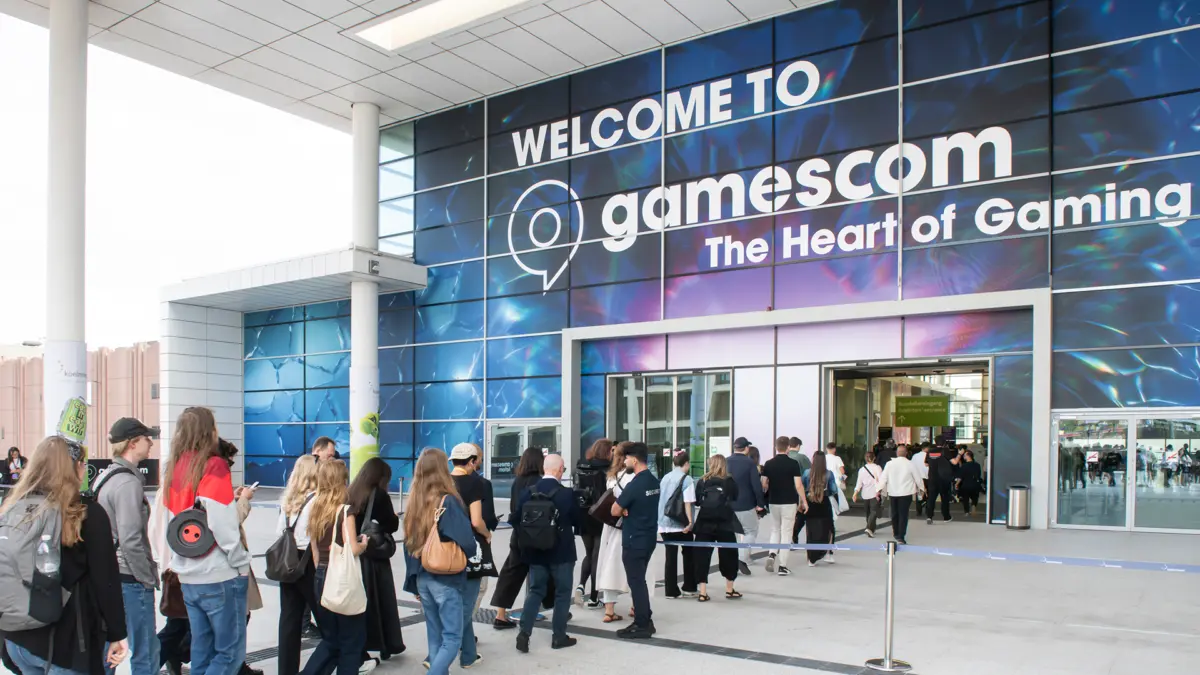
For independent game developers and smaller publishers, attending Gamescom—the world’s largest gaming event hosted annually in Cologne, Germany—is often a make-or-break career moment. Months of grueling crunch, severe financial investment, and creative sacrifice culminate in a few short days on the bustling convention floor. For several indie studios at Gamescom last week, however, the experience ended not with the triumph of securing publisher interest or player acclaim, but with an appalling discovery: locked-down equipment, critical company data, and expensive development kits had vanished overnight.
When exhibitors returned to the Koelnmesse exhibition halls on Friday morning, they found empty booths, severed security cables, and missing hardware. Laptops, custom rigs, and Steam Decks used to showcase playable demo builds had been targeted and stripped away. As the initial shock wore off, a wave of profound frustration swept through the independent development community, quickly evolving into a public accountability crisis for Gamescom’s organizers.
Questions immediately mounted regarding the efficacy of the venue’s security protocols, the accountability of event management, and whether independent creators—who often lack the massive corporate security teams of industry giants like Sony, Nintendo, or Microsoft—are being left dangerously exposed.
Compounding the immediate outrage are alarming historical allegations from past exhibitors. Claims have emerged suggesting that security lapses and missing gear are persistent issues at the convention, with some studios even alleging that organizers historically discouraged official police reports to protect the reputation of the event and the host city. While the games industry quickly rallied around the affected creators with heartwarming displays of solidarity and hardware donations, the underlying systemic issues demand a rigorous examination of how massive conventions safeguard the very lifeblood of the industry: its independent talent.
Detailed Chronology of the Incidents
The unfolding crisis began late Thursday night or early Friday morning, behind the closed doors of the massive Koelnmesse convention complex. As the crowds departed and the lights dimmed on the penultimate day of the main exhibition floor, opportunistic thieves bypassed venue security to execute targeted thefts across multiple high-traffic zones.
The Friday Morning Discovery
The first wave of public alarms was sounded by Ryan Laley, solo developer of the upcoming indie title Mimic. Upon returning to his booth in Gamescom’s primary business area on Friday morning, Laley discovered that his primary workstation laptop—essential for running his build and containing months of proprietary source code—had been systematically uncoupled and stolen. Taking to social media platform X (formerly Twitter), Laley posted an emotionally charged video detailing the devastating loss.
"Waking up to find our laptops stolen from the Gamescom business area…" Laley shared, highlighting the immediate panic and vulnerability felt by creators operating on razor-thin budgets.
Almost simultaneously, reports began trickling in from other corners of the sprawling convention center. Publisher and event organizer iam8bit reported similar hardware thefts within the same business zone, signaling that the overnight incursions were not isolated incidents directed at a single booth, but rather a coordinated or widespread targeting of vulnerable exhibitor spaces.
Meanwhile, in a separate region of the Koelnmesse housing the bustling Indie Arena—a vibrant hub dedicated entirely to independent game makers—disaster struck Tessera Studios. The development team arrived at their booth to find that two high-performance laptops and a Steam Deck had been ripped from their displays. In subsequent statements, Tessera team members emphasized the severe nature of the loss, noting that the stolen hardware did not merely represent a financial setback; the machines housed sensitive personal data, critical corporate files, and irreplaceable intellectual property.
The Scale of the Vulnerability
While the exact total monetary value of the stolen hardware remains unconfirmed, the collective impact on the affected studios cannot be measured in retail value alone. For an independent studio, the loss of a primary development laptop means the potential loss of unbacked code revisions, localized build histories, and confidential work-in-progress materials.
Furthermore, because these laptops were actively being used to showcase active builds to press, influencers, and potential publishing partners, the thefts effectively paralyzed the studios’ ability to conduct business for the remainder of the convention. Teams that had traveled internationally, paying thousands of Euros for flights, lodging, and booth space, found themselves functionally silenced on the convention floor.
Industry Solidarity and Community Response
In the wake of the devastating thefts, the broader video game industry demonstrated a remarkable degree of community solidarity, stepping in to mitigate the damage where official institutional safety nets appeared to fail.
Corporate and Grassroots Support
Within hours of Ryan Laley’s viral video, major industry heavyweights mobilized to offer immediate assistance. CD Projekt Red—the renowned Polish studio behind Cyberpunk 2077 and the upcoming The Witcher 4—reached out directly to Laley via social media, offering to supply replacement hardware free of charge to help him get back on his feet.
Similarly, regional advocacy and support groups stepped up. Games From Spain quickly intervened to assist Tessera Studios, providing logistical and material support to ensure the Spanish developers could continue showcasing their game to attendees for the remainder of the weekend, transforming what could have been a total operational shutdown into a salvageable showcase.
The Emotional Toll on Independent Creators
The outpouring of support underscored a stark contrast: while massive multi-billion-dollar publishers can absorb the loss of a few development kits or high-end laptops without blinking, the loss of a single machine can threaten the survival of a micro-studio. Independent developers operate in an environment of immense financial precarity, where a single theft can derail development timelines, trigger acute mental health crises, and force difficult decisions about whether a studio can afford to attend future international trade shows.
Official Statements and Institutional Accountability
As pressure mounted over the weekend, Gamescom organizers faced intense scrutiny from exhibitors, trade professionals, and industry observers demanding explanations regarding how unauthorized individuals were able to navigate locked exhibition areas and strip multiple booths of heavy electronics.
Gamescom’s Official Response
By Saturday, following an inundation of inquiries and mounting public criticism, Gamescom management released an official statement via X. While expressing sympathy for the affected developers, the statement largely deflected operational liability back onto the exhibitors, outlining the event’s baseline security measures:
- General Venue Security: Organizers noted that uniformed guards provide roving general security across the vast perimeter and major thoroughfares of the Koelnmesse venue.
- Stand-Specific Responsibility: The statement emphasized that individual stand and booth security is not automatically included in baseline exhibitor packages and must be booked and paid for separately.
- Insurance Mandates: Citing the event’s terms and conditions as well as technical guidelines, organizers explicitly stated that exhibitors are strongly advised to secure comprehensive theft insurance for all on-site equipment.
"Uniformed guards provide general security across the venue. Individual stand security can be booked separately, and exhibitors are advised to insure equipment against theft," the organizers’ statement read, adding that security remains a top priority designed to minimize risks during an event of this unprecedented scale.
Developer Backlash and Historical Allegations
The official response was met with widespread derision across professional networks like LinkedIn and X. Critics argued that treating high-end technical equipment theft as an avoidable exhibitor oversight ignores the reality of convention center security dynamics. Independent developers questioned how thieves could spend the necessary time to unbolt, unplug, and extract multiple laptops and consoles from locked booths without drawing the intervention of roving venue guards.
Worse still, the incident opened a Pandora’s box of historical grievances. Australian publisher Ukiyo Studios—while thankfully spared from direct theft during this year’s convention—came forward with an explosive allegation regarding Gamescom 2024. The publisher revealed that after a PC was stolen from their booth the previous year, they were actively "blocked" from filing a formal police report by event organizers. According to Ukiyo Studios, organizers claimed that involving local law enforcement and filing official theft reports would make Gamescom and the city of Cologne "look bad."
These revelations have transformed what started as a localized security failure into a broader institutional controversy regarding transparency, public relations management, and the suppression of crime reports at major European trade exhibitions.
Dialogue and Ongoing Investigations
Despite the initial friction, indications suggest that communication channels between the affected parties and event leadership have begun to open up. Ryan Laley reported on Sunday that he "had the pleasure" of engaging in a direct conversation with one of Gamescom’s directors regarding the incident and the systemic vulnerabilities exposed over the weekend.
Trade publications, including Game Developer, have actively pursued independent investigations into the matter. Inquiries have been formally dispatched to both Gamescom management and the Koelnmesse governing body demanding clarification concerning Ukiyo Studios’ allegations of blocked police reports. At the time of publication, organizers have yet to issue a formal comment regarding the historical claims, though industry watchers anticipate further disclosures as pressure mounts from trade associations.
Future Outlook: Protecting Devs in a Post-Pandemic Trade Show Landscape
As the dust settles on Gamescom, the conversation within the international development community has shifted toward systemic reform. The incidents in Cologne have laid bare a fundamental vulnerability in how trade shows treat independent creators versus major corporate stakeholders.
Major publishers construct private, walled-off fortresses on the convention floor, complete with dedicated, private security teams, biometric locks, and restricted access protocols. Independent developers, by contrast, are typically grouped into communal halls like the Indie Arena or open business complexes where they rely entirely on the perimeter security provided by the venue.
Moving forward, industry advocates are calling for structural changes across major global expos—including Gamescom, the Game Developers Conference (GDC), and Tokyo Game Show:
- Inclusive Baseline Security: Trade show organizers must recognize that perimeter security alone is insufficient. Comprehensive booth-level monitoring should be baked into standard exhibitor fees, particularly for vulnerable indie zones.
- Transparent Incident Reporting: Venues must completely abandon any culture of suppressing crime reports. Open cooperation with local law enforcement is vital not only for recovering stolen property but for maintaining trust between international exhibitors and host cities.
- Subsidized Insurance and Support Funds: Industry associations and event organizers should collaborate to provide accessible, low-cost equipment insurance or emergency replacement funds for micro-studios participating in international showcases.
Until these systemic reforms are implemented, independent developers traveling to massive international exhibitions will continue to face an unacceptable gamble: risking their financial stability and proprietary intellectual property just for the chance to put their games in front of the world.