Executive Overview
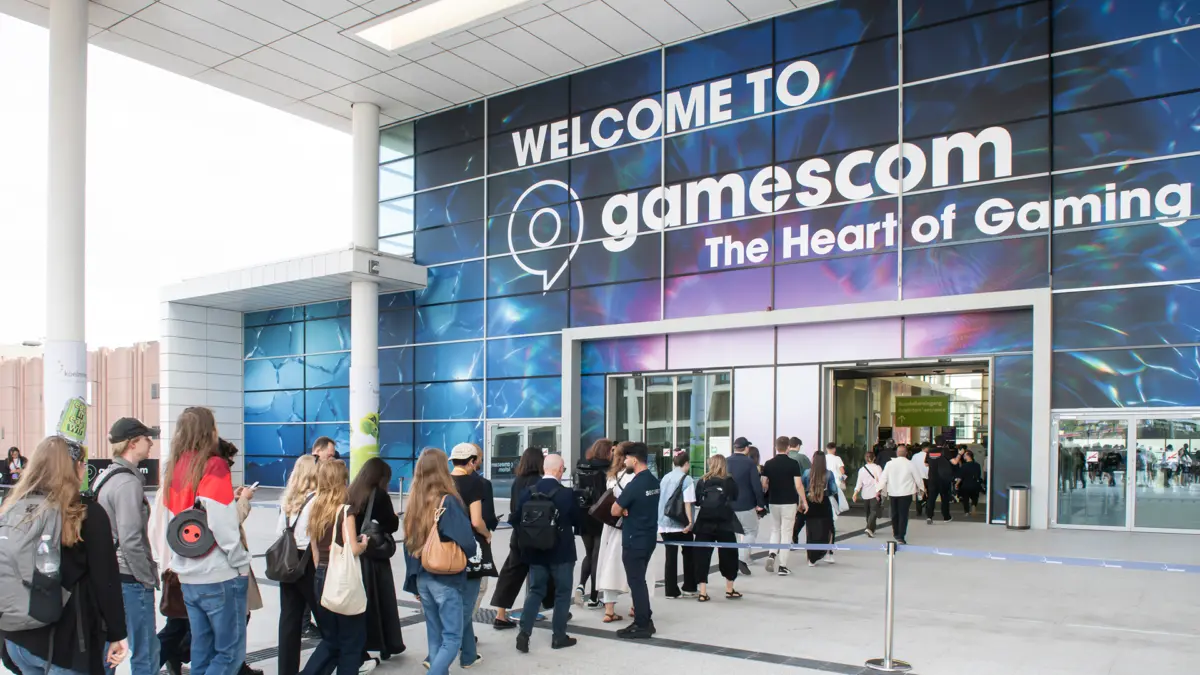
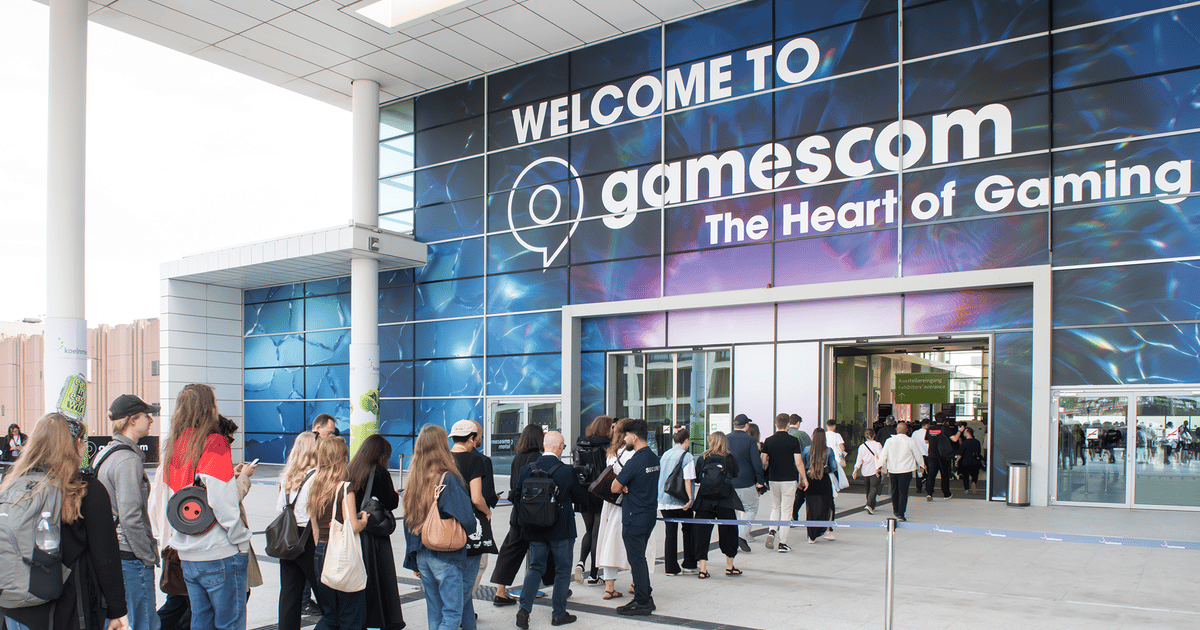
Gamescom, widely celebrated as the beating heart of European gaming and the world’s largest trade fair for interactive video games, concluded its latest multi-day run under a heavy cloud of controversy. While thousands of attendees, journalists, and industry heavyweights walked away dazzled by upcoming triple-A spectacles, a vulnerable segment of the convention’s community—independent developers and smaller publishers—faced a devastating reality. Arriving at the sprawling Koelnmesse exhibition halls on Friday morning, multiple indie teams discovered that their booths had been systematically targeted overnight. Locked-up workstations, developer kits, high-end laptops, and custom-configured Steam Decks had vanished, leaving behind gutted displays and years of irreplaceable intellectual property.
The fallout from these thefts has ignited a fierce, international debate regarding the adequacy of event-wide safety measures, the financial and emotional toll exacted upon independent creators, and the degree of responsibility borne by event organizers. As harrowing accounts circulate across social media and developer forums, major industry players have rallied to support their peers, stepping in with hardware donations and logistical aid.
However, anger directed at Gamescom management continues to mount. Critics argue that the official response—which emphasized standard venue protocols, advised individual booth insurance, and placed the onus of asset protection squarely on exhibitors—is deeply tone-deaf. Compounding matters are surfacing allegations from previous years suggesting that organizers may have actively discouraged victims from filing official police reports to protect the public image of both the convention and the host city of Cologne, Germany.
As investigations unfold and independent studios count their losses, the incident has exposed systemic vulnerabilities in how mega-scale trade shows handle security for smaller exhibitors. This comprehensive report examines the timeline of the thefts, the profound impact on affected developers, the industry response, the official statements from management, and the long-term ramifications for the future of convention-based game exhibitions.
Detailed Chronology: How the Gamescom Thefts Unfolded
Thursday Night into Friday Morning: The Breaches
The first indicators of coordinated criminal activity began trickling out late Thursday night into the early hours of Friday, as exhibitors returned to their sleeping quarters unaware that the convention floor was being compromised. Because the massive Koelnmesse exhibition halls house multiple zones—ranging from the high-traffic consumer entertainment areas to the more restricted business-to-business (B2B) hubs and the dedicated Indie Arena Booth—security staffing levels and access points varied significantly.
Thieves systematically targeted high-value, easily transportable hardware secured within booths across distinct areas of the convention center. Unlike consumer-facing setups where hardware is heavily monitored or physically tethered during daylight hours, overnight protocols rely heavily on venue-wide perimeter security, locked display cabinets, and the assumption that badge-controlled access areas are inherently safe.
The Voices of the Affected: From Social Media to Breaking News
Word of the security lapse spread rapidly on Friday morning after Ryan Laley, solo developer of the upcoming tactical strategy title Mimic, took to X (formerly Twitter) to share a poignant video detailing the devastation. Laley revealed that his primary development laptop, along with equipment belonging to neighboring booths in Gamescom’s bustling business area, had been stolen overnight. The visual impact of Laley’s video—highlighting the physical emptiness of a workspace that had held his livelihood just hours prior—struck a nerve across the global development community.
Simultaneously, publisher and event organizer iam8bit reported hardware thefts originating from the exact same business sector. The losses were not limited to corporate entities with deep financial cushions; smaller indie operations were hit hardest. Tessera Studios, an indie development team showcasing their latest project, reported that two primary workstations and a Steam Deck had been stolen directly from their booth within the Indie Arena. In follow-up statements, Tessera emphasized that the stolen laptops did not merely represent a hardware replacement cost of thousands of dollars; they contained deeply sensitive "personal, company, and critical information," including source code, unreleased builds, and financial records.
The Immediate Aftermath and Triage
By Friday afternoon, the convention floor atmosphere shifted dramatically. What should have been a day of high-stakes networking and final weekend consumer engagement turned into an emergency triage operation for affected developers. Teams attempted to salvage their weekend showcases by borrowing hardware from neighboring booths, while others had to completely shut down their interactive demos, effectively losing days of critical marketing and publisher-pitch opportunities.
Supporting Context & Metrics: The Indie Vulnerability Paradigm
To understand why the Gamescom thefts have caused such a seismic reaction within the games industry, one must examine the precarious economic realities facing independent developers in the current macroeconomic climate.
The High Stakes of Trade Show Exhibiting
For an indie studio, exhibiting at Gamescom represents a monumental financial and logistical investment. Securing booth space, booking flights and lodging in Cologne during peak tourist season, and shipping development hardware internationally often costs tens of thousands of dollars—funds frequently drawn from tight venture capital budgets, personal savings, or public development grants.
Unlike major publishers such as Sony, Nintendo, or Electronic Arts, who deploy dedicated, round-the-clock private security details to guard multi-million-dollar booths equipped with custom anti-theft anchoring, independent developers are routinely forced to rely on baseline venue security. When a major studio loses a piece of hardware, it is a minor accounting write-off. When an indie developer loses two laptops and a Steam Deck, it can literally spell the end of their studio, halting production indefinitely and jeopardizing publishing contracts tied to upcoming milestone deadlines.
A Pattern of Incidents: Historical Precedents
As the current year’s grievances gained traction, industry professionals across LinkedIn and X stepped forward to highlight that the 2025 security breaches are part of an ongoing, systemic issue rather than an isolated anomaly.
Australian publisher Ukiyo Studios, while fortunately spared from direct theft during this year’s event, broke their silence regarding an incident at Gamescom 2024. According to public posts by the publisher, a high-performance desktop PC was stolen directly from their booth during the previous year’s exhibition. More alarmingly, Ukiyo Studios alleged that when they attempted to report the crime to local authorities, Gamescom organizers actively "blocked" them from filing an official police report. The rationale provided by management, according to the publisher, was that a documented theft investigation could cast negative publicity on the event and the city of Cologne, potentially harming the destination’s commercial reputation.
These revelations have transformed what started as a localized hardware theft story into a broader investigative inquiry regarding event transparency, corporate liability, and the pressure placed on victims to sweep crimes under the rug.
Official Statements and Industry Solidarity
The Gamescom Management Response
As public pressure mounted over the weekend, facing an influx of direct inquiries from developers, trade press, and concerned attendees, Gamescom organizers issued a formal statement on Saturday via X. The statement attempted to clarify the division of security responsibilities while expressing sympathy for the affected creators.
"Uniformed guards provide general security across the venue. Individual stand security can be booked separately, and exhibitors are advised to insure equipment against theft," the organizers wrote in their official release. "This is noted in the terms and conditions of participation and the technical guidelines."
Furthermore, the statement emphasized that security remains one of the organization’s "highest priorities" and that venue-wide measures are meticulously designed to minimize risks. Organizers argued that these protocols guard against bad actors attempting to exploit the chaotic, high-density environment inherent to a convention hosting hundreds of thousands of visitors.
The response, however, was met with widespread cynicism and acute frustration. Critics pointed out that advising indies to purchase specialized standalone booth security or comprehensive theft insurance—both of which come with prohibitive costs and high insurance deductibles—shifts systemic liability onto the victims of property crime.
Despite the friction, there were indications of direct institutional outreach. Developer Ryan Laley later confirmed on social media that he "had the pleasure" of engaging in a direct phone conversation with one of Gamescom’s directors on Sunday, suggesting that behind-the-scenes dialogue regarding victim compensation and protocol reform was at least underway. At the time of publication, Game Developer and other leading industry outlets have reached out to Gamescom and Koelnmesse management for official comment regarding Ukiyo Studios’ serious allegations concerning blocked police reports, with updates pending responses.
An Industry Rallying Cry: Solidarity in Action
While management’s formal statement left many feeling alienated, the broader video game development community rallied around the victims with unprecedented swiftness and generosity. The response demonstrated the deep sense of camaraderie that often defines the independent game development scene.
- CD Projekt Red Steps In: Upon seeing Ryan Laley’s viral video detailing his stolen equipment, Polish powerhouse developer CD Projekt Red (Cyberpunk 2077, The Witcher franchise) publicly offered to supply Laley with brand-new hardware to completely replace his stolen gear, ensuring his studio could resume work without missing a beat.
- Games From Spain’s Intervention: When Tessera Studios faced the catastrophic loss of their presentation hardware in the Indie Arena, the cultural and trade advocacy group Games From Spain mobilized instantly, providing alternative equipment and logistical support that allowed the studio to keep showcasing their game to prospective partners for the remainder of the weekend.
- Crowdsourced Mutual Aid: Across indie developer Discord servers and social media tags, individuals and small businesses pooled resources, offering spare monitors, cables, and development units to ensure that stranded creators could finish out the convention’s public days without abandoning their booths.
Future Outlook: Reforming Convention Security for the Modern Era
The security crisis at Gamescom serves as a watershed moment for the global trade show industry. As international events grow in scale, foot traffic, and economic importance, the physical protection of intellectual property and hardware assets must evolve concurrently.
Moving forward, convention organizers across the globe—including major counterparts like the Game Developers Conference (GDC), Tokyo Game Show (TGS), and Gamescom itself—will face intense scrutiny from exhibitors who demand baseline security standards that do not require exorbitant add-on fees. Key areas demanding immediate structural reform include:
- Inclusive Baseline Security: Transitioning away from models where comprehensive overnight asset protection is treated as a luxury upsell. Basic perimeter security and booth-level watch protocols must be democratized to protect small independent creators who cannot afford private guards.
- Transparent Incident Reporting: Establishing zero-interference policies regarding local law enforcement. Discouraging victims from filing police reports to protect event branding is an indefensible practice that undermines trust and shields organizers from necessary accountability.
- Streamlined Insurance and Recovery Funds: Developing cooperative insurance pools or emergency relief funds backed by major trade associations and event revenues to swiftly reimburse indie studios victimized by convention-floor crime.
- Enhanced Access Control: Implementing smarter biometric or multi-factor authentication badge systems for all loading docks, back-of-house corridors, and B2B halls during non-public hours to prevent unauthorized personnel from moving through exhibition spaces undetected.
Gamescom remains an indispensable commercial hub for the video game industry, generating billions of dollars in economic activity and cultural momentum every single August. However, the events of the past week have made it abundantly clear that the fair’s glittering success cannot be built on the backs of vulnerable independent developers left defenseless in the dark. Until management implements substantive, systemic reforms to protect all exhibitors equally, a shadow will inevitably linger over the Koelnmesse show floor.