Executive Overview
The modern digital landscape is experiencing an unprecedented paradigm shift, driven by the rapid evolution and democratization of generative artificial intelligence. As synthetic text, hyper-realistic imagery, and algorithmic avatars flood the feeds of mainstream social networks, the foundational social contract of these platforms—human-to-human connection—is facing a profound existential test. Amid a growing user backlash against digital deception, Meta-owned Instagram has announced a critical policy and product overhaul regarding its artificial intelligence transparency frameworks.
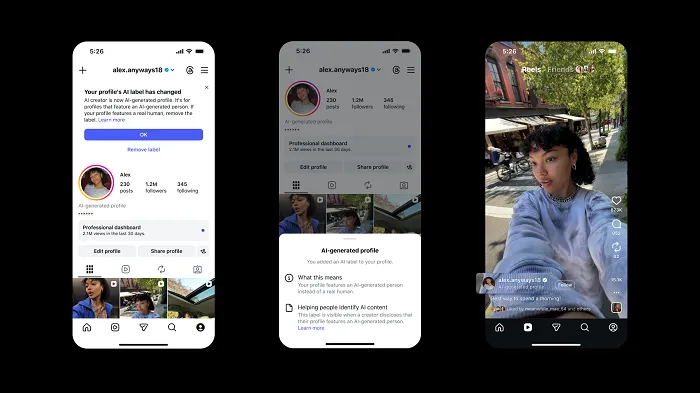
In an effort to curb user confusion, combat digital deception, and restore a sense of authentic engagement, Instagram is revising its AI disclosure protocols. Most notably, the platform is renaming its controversial "AI creator" profile labels—initially introduced in May—to the more explicit "AI generated profile" designation. This updated labeling system will be paired with clear, upfront contextual descriptions explicitly notifying users when the imagery and personas featured on a profile are entirely synthetic. Furthermore, Meta is backing these new visual markers with algorithmic teeth: the company has confirmed it will actively limit the algorithmic reach of profiles that feature artificial intelligence-generated persons but fail to properly self-identify using the mandated tags.
This strategic pivot arrives at a delicate crossroads for Meta. While the tech giant has aggressively poured resources into generative AI tools, virtual assistants, and automated bot ecosystems to supercharge platform engagement, it has simultaneously underestimated user resistance to synthetic intrusion. Social media platforms were originally engineered to bridge human experiences, thoughts, and creativity. The sudden, unannounced proliferation of synthetic personas masquerading as flesh-and-blood creators has triggered widespread distrust.
This in-depth investigative report explores the mechanics of Instagram’s latest transparency update, traces the chronological trajectory of Meta’s artificial intelligence policies, examines the broader socioeconomic and technological context of the anti-AI backlash, and analyzes what these shifting boundaries mean for the future of digital socialization.
Detailed Chronology: The Evolution of Instagram’s AI Disclosures
To understand the weight of Instagram’s latest update, it is essential to retrace the timeline of how generative AI transitioned from a backend novelty to a front-and-center interface challenge for the platform.
Early 2024: The Floodgates Open
As generative text-to-image and text-to-video models matured, creators and automated bot accounts began flooding Instagram with synthetic media. Initially, platforms celebrated these technological leaps, offering tools to help creators scale their output. However, early warning signs emerged as users found it increasingly difficult to distinguish between authentic photography and hyper-realistic synthetic renders. The ambiguity created an environment ripe for misinformation, catfishing, and digital fatigue.
May 2024: The Introduction of "AI Creator" Labels
Recognizing the mounting pressure to maintain platform integrity, Instagram rolled out its first major structural attempt at transparency: the "AI creator" profile label. Designed to flag accounts primarily operated or represented by artificial intelligence, this badge was meant to be an early indicator of synthetic involvement.
However, user testing and community feedback quickly revealed a major flaw in the nomenclature. The term "AI creator" proved ambiguous. Many users interpreted it as a label for a human creator who uses AI tools to enhance their art or photography, rather than an account dedicated to an entirely fictional, non-human entity. This linguistic loophole allowed fully synthetic personas to blend seamlessly into recommendation feeds, frequently duping unsuspecting users into believing they were interacting with real people before discovering the deception later in the engagement cycle.
Late 2024: The Ambitions and Retreat of Meta’s Bot Personas
Behind closed doors, Meta’s internal ambitions for artificial intelligence extended far beyond passive content labeling. Reports surfaced in late 2024 detailing Meta’s aggressive plans to unleash a vast network of AI bot personas across Facebook and Instagram. These synthetic accounts were engineered to interact, comment, and engage with users as if they were human-run profiles.
The rationale behind the initiative was fundamentally engagement-driven: Meta hypothesized that by artificially inflating user interactions—ensuring that every post received immediate replies, comments, and likes—users would feel a heightened sense of validation, visibility, and community connection.
Yet, as the plan progressed toward implementation, the broader digital ecosystem was undergoing a fierce anti-AI correction. Across the social media landscape, users were expressing deep-seated fatigue over synthetic content, prompting competing platforms to introduce granular controls—such as dedicated toggles to filter out AI feeds. Facing mounting public skepticism and the imminent threat of user alienation, Meta quietly scaled back its expansive bot-persona rollout, setting the stage for a dramatic shift toward regulatory compliance and user transparency.
The Present: The "AI Generated Profile" Mandate
Culminating months of user feedback and internal recalibration, Instagram announced its comprehensive overhaul of transparency frameworks. By deprecating the confusing "AI creator" tag in favor of the explicit "AI generated profile" label and enforcing strict algorithmic penalties for non-compliance, Instagram has signaled a definitive pivot away from unvetted synthetic deception toward enforced digital honesty.
Supporting Context & Metrics: The User Backlash and the Social Contract
The necessity of Instagram’s recent policy shift cannot be understood in a vacuum. It is a direct response to a fundamental violation of the unwritten social contract that underpins digital networking.
The Social Contract of Social Media
Social media was never engineered as an auditorium for automated machinery. From its inception, the value proposition of platforms like Facebook, Twitter, and Instagram was grounded in the human element: the sharing of genuine lived experiences, vulnerable thoughts, unfiltered perspectives, and authentic human creativity.
When generative AI tools entered the mainstream, they fundamentally scrambled these definitions. While technological evangelists argued that AI merely represents the next evolution of creative tooling, everyday users experienced it as an invasive species. Interacting with a piece of digital art generated by a prompt is vastly different from interacting with a synthetic persona that simulates empathy, crafts fake backstories, and mimics human relationships.
The Psychology of Digital Deception
Instagram’s own user research highlighted a toxic friction point in the modern feed experience. As the platform noted in official statements:
"As generative AI becomes a bigger part of how people create, we’ve heard that people don’t like seeing a profile that seems human, only to find out later that the person featured is AI-generated. They want to know when a profile features an AI-generated person."
This psychological letdown—the realization of being emotionally or socially invested in a non-human entity under false pretenses—sparks a profound sense of betrayal. In an era already plagued by digital skepticism, deepfakes, and rampant misinformation, the tolerance for synthetic masquerade on personal networking apps is razor-thin.

Cross-Industry Resistance
Instagram is not alone in grappling with this wave of user pushback. Across the broader technology sector, platforms are racing to build friction against the tsunami of artificial content. Competitors like Pinterest have introduced dedicated feed toggles allowing users to actively reduce or eliminate AI-generated content from their recommendations. The collective industry trend indicates that the initial honeymoon phase of generative AI fascination has worn off, replaced by an urgent demand for curation, control, and authenticity.
Official Statements and Strategic Intent
Meta’s decision to rebrand its transparency markers and weaponize its algorithms against non-compliant accounts represents a calculated enforcement strategy. By shifting the nomenclature from "AI creator" to "AI generated profile," Instagram is removing all semantic ambiguity.
Parsing the New Labeling Architecture
- Explicit Designation: The updated profile tag explicitly informs visitors that the entity they are viewing is artificially generated, eliminating the false impression of human identity.
- Contextual Descriptions: Profiles utilizing synthetic characters must now display descriptive metadata clarifying that images and interactions may feature AI-generated individuals.
- Algorithmic Enforcement: Perhaps the most potent aspect of the update is Meta’s willingness to penalize rule-breakers. Profiles that feature AI-generated persons but deliberately omit the required disclosures will face severe algorithmic throttling, drastically reducing their visibility and reach within Instagram’s recommendation engines.
By tying transparency directly to algorithmic distribution, Meta is moving beyond voluntary compliance. Creators and automated operators who attempt to bypass the rules to capture unearned human attention will find their growth systematically stifled.
Future Outlook: What This Means for Creators, Brands, and the Ecosystem
As Instagram and its parent company Meta chart a course through the artificial intelligence era, several critical questions remain regarding the long-term viability of synthetic media on social networks.
1. The Redefinition of "Authenticity"
Authenticity has long been the primary currency of social media influence. In a world where hyper-realistic virtual influencers can amass millions of followers, secure brand partnerships, and simulate human connection, the definition of influence is undergoing a radical transformation. Instagram’s transparency labels establish a formal dividing line between human-driven expression and synthetic entertainment. Going forward, verified human authenticity may emerge as a premium, highly coveted commodity.
2. The Future of Meta’s AI Ambitions
Meta’s retreat from its aggressive late-2024 plan to populate its apps with deceptive, human-mimicking bot personas demonstrates that the company is listening—however reluctantly—to market pressures. While Meta remains one of the world’s leading investors in artificial intelligence infrastructure, this recent pivot suggests that the company must temper its algorithmic ambitions with user trust and regulatory pragmatism. The path forward for Meta’s AI tools will likely focus on productivity-enhancing features for human creators rather than autonomous synthetic replacements for human socialization.
3. Regulatory and Industry Ripple Effects
Instagram’s policy update serves as a bellwether for the entire digital media industry. As governments worldwide scrutinize the impact of deepfakes, synthetic media, and deceptive algorithms, platform-led transparency frameworks will face increasingly stringent regulatory benchmarks. Voluntary labeling may soon become a legal requirement, forcing all major tech platforms to adopt aggressive, standardized disclosure mechanisms.
Conclusion
Instagram’s overhaul of its artificial intelligence transparency labels marks a mature acknowledgment of a digital ecosystem in crisis. By replacing confusing nomenclature with clear markers and backing those markers with strict algorithmic penalties, Instagram is attempting to restore balance to a feed environment overwhelmed by synthetic noise. Whether these measures will be sufficient to heal user trust remains to be seen, but one reality is clear: the era of unchecked digital deception on social media is drawing to a close, replaced by a new mandate for absolute transparency.