Executive Overview
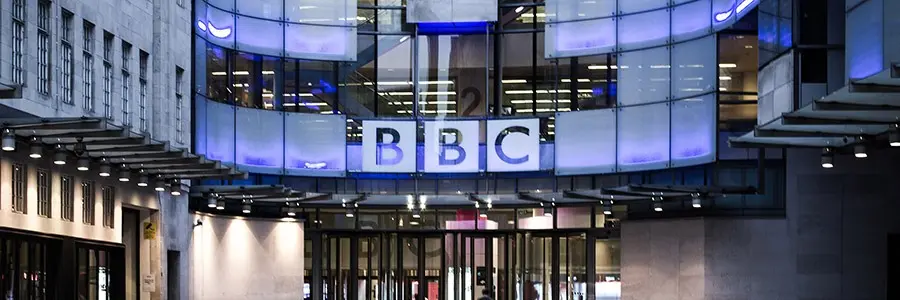
As the global entertainment landscape undergoes a profound structural shift away from traditional linear broadcasting toward hyper-fragmented digital ecosystems, the mechanics behind content delivery have grown exponentially more complex. In this week’s premier industry opportunity, BBC Studios—the commercial subsidiary and primary distribution powerhouse of the British Broadcasting Corporation—has announced an open vacancy for a Media Operations Coordinator. Based out of the iconic New Broadcasting House in London, this pivotal role will sit directly within the Global Content Operations division, charged with facilitating the seamless distribution of world-class content across Free Ad-Supported Streaming TV (FAST) channels, Video-on-Demand (VOD) platforms, third-party streaming services, and international broadcast partners.
The announcement arrives at a critical juncture for media asset management (MAM) and digital supply chain professionals. With audiences increasingly migrating toward ad-supported streaming and on-demand viewing experiences, content owners are under immense pressure to optimize their workflows, automate asset ingestion, and ensure pristine file delivery across a dizzying array of technical specifications. The Media Operations Coordinator will not merely handle administrative tasks; they will serve as a vital linchpin in the orchestration of global media logistics, directly impacting how millions of viewers consume BBC content worldwide.
This comprehensive report examines the core responsibilities tied to the position, the broader structural transformation occurring within BBC Studios’ distribution networks, the technical competencies required to succeed in modern media operations, and the long-term outlook for professionals operating at the intersection of broadcasting and cloud-based asset management.
Detailed Chronology: The Evolution of BBC Studios’ Global Distribution Strategy
To fully understand the weight and significance of this newly highlighted role, it is essential to trace the evolution of BBC Studios’ operational framework over the past decade.
The Shift from Tape to Cloud
Historically, the distribution of international television content relied heavily on physical media, satellite feeds, and localized manual QC (Quality Control) processes. Broadcasters maintained distinct silos for domestic and international delivery. However, the proliferation of digital platforms throughout the 2010s forced a radical rethink. The consolidation of BBC Worldwide and BBC Productions into a unified commercial entity—BBC Studios—in 2018 accelerated the need for centralized, highly scalable digital asset management infrastructures.
The Rise of FAST and VOD Channels
In recent years, the acceleration of FAST channels has fundamentally altered monetization models in the television industry. Platforms like Pluto TV, Samsung TV Plus, Roku Channel, and Tubi have created an insatiable appetite for continuous, linear-style programming streams tailored to niche audience segments. Managing these channels requires real-time metadata updates, dynamic ad-insertion compatibility, and automated scheduling workflows that can scale without linear bottlenecks.
The Current Recruitment Phase
The posting of the Media Operations Coordinator position this week reflects an ongoing scaling effort within BBC Studios’ Global Content Operations team. As international streaming partnerships expand into new territories and platforms demand increasingly complex localization packages, the need for hands-on operational oversight has intensified. Candidates entering the fold at this stage will inherit a modernized, highly digitized supply chain, yet they will also face the day-to-day challenges of ironing out integration friction between legacy broadcast systems and cutting-edge cloud environments.
Supporting Context & Metrics: The Anatomy of Modern Media Operations
The day-to-day realities of a Media Operations Coordinator at BBC Studios require a sophisticated blend of technical acumen, project management, and cross-functional collaboration. An analysis of the role’s core requirements sheds light on the broader competencies currently driving the Digital Asset Management (DAM) and media supply chain job market.
Core Responsibilities
- Asset Delivery and Workflow Management: Overseeing the end-to-end movement of digital media files from post-production handoff to final platform ingestion. This involves tracking milestones, identifying bottlenecks, and ensuring compliance with strict delivery deadlines.
- Platform Onboarding and Client/Vendor Relations: Acting as a primary operational point of contact for external partners, streaming services, and technical vendors. Onboarding new platforms requires establishing standardized communication protocols and validation pipelines.
- Tracking Operational Performance: Utilizing internal metrics and dashboards to monitor delivery success rates, error frequencies, and turnaround times, thereby driving continuous improvement across the supply chain.
- Metadata and Localization Governance: Ensuring that all media assets are accompanied by accurate, standardized metadata and necessary localization assets (such as multi-language audio tracks, subtitles, and compliance-edited video cuts).
Technical Competencies and Desirable Skills
The ideal candidate for this role must navigate a diverse technological landscape. Key requirements include:
- Media Supply Chain Experience: A firm grasp of how content flows from creation to consumption.
- File Formats and Delivery Specifications: Deep familiarity with broadcast and digital video/audio codecs, container formats, resolution standards, and audio configurations.
- MAM System Proficiency: Direct, hands-on experience working with enterprise-grade Media Asset Management platforms to tag, search, archive, and retrieve media assets.
- Cloud-Based Environments: Familiarity with cloud storage, SaaS delivery models, and distributed workflows (e.g., AWS-based media architectures).
Official Statements and Industry Insights
While specific corporate announcements regarding individual operational hires are often kept streamlined, the underlying philosophy of BBC Studios’ operational strategy is well-documented through industry communications and recruitment statements.
Describing the scope and developmental potential of the role, internal recruitment briefings emphasize:
"This role offers exposure to a broad range of media operations activities, from asset delivery and workflow management through to metadata, localisation and platform onboarding. It is an excellent opportunity for someone looking to build on existing media operations experience within a fast-paced, international environment."
Industry analysts point out that statements like this underscore a broader trend: modern media organizations are moving away from hyper-narrow specializations toward cross-functional operational generalists. A professional in this position will not merely be pressing buttons or moving files; they will gain a holistic, 360-degree view of how a major global broadcaster monetizes its intellectual property across diverse digital ecosystems.
Furthermore, observers note that London remains a critical global hub for media supply chain innovation. Positioning this role at New Broadcasting House places the candidate at the heart of an ecosystem where traditional public service broadcasting values intersect with aggressive commercial distribution strategies.
Future Outlook: The Next Decade in Media Supply Chain Management
As we look toward the remainder of the decade, the landscape of media operations is poised for even more dramatic transformation. Several key trends will directly influence professionals entering the field today:
1. Artificial Intelligence and Automated QC
The manual verification of metadata, video quality, and audio compliance is rapidly being augmented—and in some cases replaced—by machine learning models and AI-driven QC tools. Media Operations Coordinators will increasingly transition from manual checkers to supervisors of automated systems, focusing on exception handling, AI model training, and quality governance.
2. The Continued Expansion of FAST and AVOD
Subscription fatigue among consumers has cemented the viability of ad-supported models. As brands demand more sophisticated targeting and dynamic content insertion, the operational complexity of managing FAST feeds will only escalate. Professionals who master multi-platform FAST distribution early in their careers will find themselves in high demand across the broader entertainment sector.
3. Sustainability in Media Storage and Transfer
The carbon footprint associated with storing petabytes of high-resolution video in the cloud and transferring massive files globally is becoming a significant corporate concern. Future media operations strategies will increasingly prioritize carbon-aware workflows, intelligent tiering of archive assets, and optimized transfer protocols to minimize environmental impact without compromising speed.
4. Career Mobility in DAM and Media Operations
The skills cultivated in roles like the Media Operations Coordinator at BBC Studios—ranging from metadata architecture to cloud-based workflow orchestration—are highly portable. As enterprises outside of traditional entertainment (such as corporate marketing departments, sports leagues, and global retail brands) adopt sophisticated digital asset management systems, the talent pool trained in broadcast-grade media supply chains will command exceptional career flexibility.
Conclusion
The opening of the Media Operations Coordinator position at BBC Studios is more than just a routine job posting; it is a window into the machinery that powers modern global entertainment. For aspiring professionals with a background in media supply chains, MAM systems, and digital distribution, the role represents a unique stepping stone within a world-class organization. As streaming technologies continue to evolve, the individuals managing these operational pipelines will remain the unsung architects of the digital media revolution.
For full details about this position, interested applicants are encouraged to visit the original DAM News job listing. Industry professionals seeking to post future opportunities can utilize free standard subscriber accounts available via the DAM News Subscriptions page.