Executive Overview
In the modern digital landscape, professional networking has evolved far beyond the static electronic resumes of the early 2000s. Today, platforms like LinkedIn function as vibrant, dynamic ecosystems where thought leadership, industry trends, and career-defining discussions take place in real-time. As user habits shift toward deeper interaction, platforms must continually refine their algorithms to foster genuine community building.
Enter LinkedIn’s latest strategic initiative: a sweeping overhaul of its comment architecture designed to prioritize relevance, spark meaningful in-app conversations, and elevate discussions that matter most to individual users.
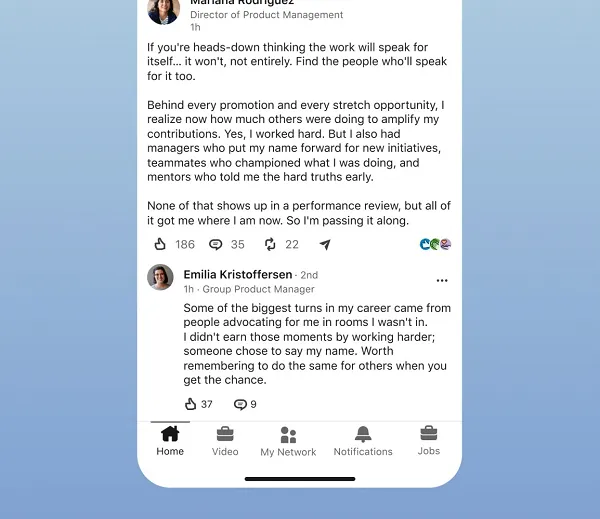
According to creator economy expert Lindsey Gamble, LinkedIn is rolling out a sophisticated comment-ranking update. Instead of displaying comments in a purely chronological order or favoring generic top-level engagement metrics, the platform’s updated algorithm now serves up comments tailored specifically to each user’s unique professional profile. By analyzing a complex web of signals—including professional interests, existing network connections, and historical engagement activity—LinkedIn aims to transform the humble comment section into a personalized hub of industry insights.
This algorithmic refinement comes at a critical juncture for the Microsoft-owned platform. Recent quarterly performance reports indicate a massive surge in user engagement, highlighted by an impressive 18% year-over-year increase in the time members spend reading and interacting within post comment sections. Simultaneously, overall content consumption has risen by 10% year-over-year.
However, this explosive growth brings unprecedented challenges. Behind the scenes, LinkedIn is fighting a high-stakes battle against an influx of inauthentic activity, including coordinated engagement pods and a staggering volume of automated AI-generated spam. Data from AI detection startup Pangram Labs reveals that an alarming 30% of all LinkedIn comments posted between April and June were entirely AI-generated.
This comprehensive report explores the mechanics of LinkedIn’s new comment-ranking updates, analyzes the metrics driving this strategic pivot, examines the platform’s ongoing war against artificial noise, and projects what these changes mean for creators, brands, and everyday professionals navigating the future of work.
Detailed Chronology of the Update
To understand how LinkedIn arrived at this pivotal moment in its algorithmic evolution, it is helpful to trace the timeline of features and policy rollouts that have gradually reshaped the platform’s engagement landscape over the past several years.
The Shift Toward Conversational Feeds (2022–2023)
For years, LinkedIn functioned primarily as a publishing and broadcasting tool where users posted articles, milestone updates, and job changes, receiving polite, uniform congratulations in response. Recognizing the untapped potential of community-driven discourse, LinkedIn began experimenting with features designed to keep users inside the app longer. The introduction of collaborative articles driven by human editors and artificial intelligence marked an early attempt to inject substantive discussions directly into the feed.
The Rise of Engagement Pods and Artificial Inflation (Late 2023)
As visibility on LinkedIn became increasingly tied to algorithmic amplification, power users and growth hackers turned to organized tactics to game the system. Engagement pods—groups of users who systematically like, share, and comment on each other’s posts to trick the algorithm into broad distribution—proliferated across the platform. LinkedIn responded with aggressive algorithmic counter-measures, updating its terms of service and deploying machine learning filters to penalize artificial coordination and restore organic reach.
The Post-Q2 Metric Awakening (Mid-2024)
The immediate catalyst for the current comment-ranking update arrived with LinkedIn’s Q2 performance reports. For the first time, metrics explicitly highlighted that user attention was shifting away from passive consumption and toward active dialogue. Specifically, time spent within comment sections jumped by 18% year-over-year. This staggering data point signaled to product teams that the comment section was no longer an afterthought; it was the primary engine of user retention and value creation.
The Lindsey Gamble Revelation and Algorithmic Rollout (Late 2024)
The mechanics of the latest update were brought to light through reporting by creator economy expert Lindsey Gamble via Threads. Gamble detailed how LinkedIn’s newly announced feature would no longer display comments based on simple like-counts or chronological timestamps. Instead, the platform introduced a relevance-based ranking system. Concurrently, LinkedIn began surfacing timely, hyper-relevant discussions directly into user feeds, designed to pull passive scrollers into active, in-stream debates.
Supporting Context & Metrics: The Anatomy of Modern LinkedIn Engagement
To fully grasp why LinkedIn is fundamentally restructuring how comments are displayed, one must look closely at the underlying data shaping user behavior on the platform today.
Decoding the Metrics
| Metric | Year-Over-Year Change | Strategic Implication |
|---|---|---|
| Time Spent in Post Comments | +18% | Users are finding deeper value in discussions, prompting LinkedIn to optimize the comment experience. |
| Overall Content Consumption | +10% | Professional audiences are hungrier than ever for industry insights and networking opportunities. |
| AI-Generated Comment Volume | ~30% (Q2 data) | Automated "slop" threatens the authenticity of discussions, requiring immediate mitigation strategies. |
The intersection of these figures tells a compelling story. On one hand, organic demand for professional connection and content consumption is at an all-time high. Members are spending more time reading through comment threads because those threads frequently contain nuanced perspectives, counter-arguments, and real-world case studies that surpass the original post in educational value.
On the other hand, the platform faces an existential threat from synthetic content. When nearly one-third of all conversational inputs are manufactured by bots or generative AI tools designed solely to farm engagement, the core value proposition of a professional network begins to erode.
The Mechanics of Relevance-Based Ranking
In the past, comment sorting algorithms were rudimentary, typically prioritizing comments with the highest number of "likes" or displaying them in the strict order they were posted. Under the new system, LinkedIn evaluates comments through a multi-layered contextual lens.
When a user scrolls past a post, the algorithm scans the surrounding comment ecosystem and surfaces responses that align with that specific user’s professional profile. For example:
- If a software engineer views a post about cloud architecture, comments written by other engineering leaders or individuals within their extended network will be pushed to the top.
- If a marketing executive views the same post, the algorithm may prioritize comments discussing marketing budgets, ROI, or customer acquisition strategies related to that cloud infrastructure.
By hyper-personalizing the comment section, LinkedIn aims to maximize the probability that any given comment will spark a direct reply, a profile view, or a new connection request.
The Dark Side of Engagement: AI Slop and the Fight for Authenticity
While the promise of hyper-relevant, algorithmically curated conversations is enticing, it cannot be discussed in a vacuum. LinkedIn’s push to encourage in-app discussions risks falling flat—or worse, alienating its user base—if the platform cannot successfully eradicate the rising tide of artificial intelligence spam and engagement farming.
The Pangram Labs Revelation
Independent analysis conducted by AI detection startup Pangram Labs shed harsh light on the state of LinkedIn’s comment sections. Analyzing a sample set of 57,000 public LinkedIn posts published between April and June, researchers discovered that 30% of all comments were entirely generated by artificial intelligence.
These are not helpful, thoughtfully constructed insights generated with the assistance of an editing tool; rather, they are bulk-generated phrases designed to hit algorithmic sweet spots. Common examples include superficial platitudes like:

- "Great insights! Completely agree with your perspective on synergy."
- "Spot on. The future of this industry definitely hinges on these exact trends."
- "Thanks for sharing this valuable reminder!"
These low-effort, AI-generated replies ("AI slop") are deployed at scale by individuals and agencies seeking to artificially boost their SSI (Social Selling Index) scores, increase profile visibility, or drive traffic to external links.
LinkedIn’s Dual Counter-Offensive
Recognizing that automated noise threatens to ruin the user experience, LinkedIn has launched a multi-pronged enforcement campaign alongside its comment-ranking update:
- Crackdown on Engagement Pods: LinkedIn has refined its automated detection systems to spot and penalize networks of users who coordinate artificial engagement spikes. Accounts flagged for participating in pods face severe algorithmic throttling.
- Reporting Mechanisms for AI Spam: Empowering the community to act as a first line of defense, LinkedIn introduced dedicated reporting options allowing users to flag "AI slop" and inauthentic post replies directly.
- Algorithmic Filtering: By prioritizing comments based on deep relevance signals (such as verified network connections and historical engagement patterns), the platform makes it exponentially harder for anonymous bots and low-quality engagement farmers to manipulate the top of the comment feed.
If successful, these enforcement measures will ensure that the newly reported surge in comment activity represents genuine human connection rather than hollow machine output.
Future Outlook: What the Update Means for Creators, Brands, and Professionals
As LinkedIn rolls out these comment-ranking updates globally, all platform participants—from casual networkers to enterprise brands and full-time creators—must adapt their strategies to thrive in this new environment.
For Content Creators and Thought Leaders
For individuals who build their personal brands on LinkedIn, the rules of engagement are shifting. Quality is officially replacing quantity.
- Write to Spark Debate: Creators can no longer rely on simple broadcast messaging. Posts must be engineered to provoke thoughtful, nuanced debate in the comments, as the algorithm will reward posts that generate high-quality, relevant back-and-forth discussions.
- Engage Early and Often: Because the algorithm uses early engagement signals and network relevance to determine which comments surface to the top, creators who actively participate in their own comment sections within the first hour of posting will see significantly broader organic distribution.
- Ditch the Generic Pods: Creators utilizing automated engagement pods risk severe algorithmic penalties as LinkedIn’s detection models grow more sophisticated. Organic community building is now the only sustainable path to long-term reach.
For B2B Marketers and Enterprise Brands
Corporate pages and B2B marketers have traditionally struggled to drive meaningful organic engagement on LinkedIn, often resorting to sterile corporate messaging that elicits little more than polite applause from employees.
- Shift to Conversational Marketing: Brands must move away from broadcasting press releases and toward posing genuine industry questions. Marketers should encourage their subject-matter experts to drop insightful, data-backed comments on industry posts, knowing that relevance-ranking will push those expert comments to the forefront of target accounts’ feeds.
- Monitor for Brand Safety: With AI-generated spam flooding comment sections, brands running sponsored content must actively monitor their comment streams. An ad campaign sitting below a thread filled with generic AI-generated slop can severely damage brand credibility.
For the Everyday Professional
For the average user simply looking to learn, network, and stay informed, LinkedIn’s updates promise a cleaner, more educational feed.
- Elevated Discourse: By burying generic, AI-generated platitudes and elevating contextually relevant insights, users will spend less time scrolling through noise and more time absorbing high-value professional commentary.
- New Networking Opportunities: Because comments tailored to specific professional backgrounds will surface more prominently, professionals are far more likely to discover peers working on similar problems, leading to more targeted and meaningful connection requests.
Conclusion
LinkedIn’s recent algorithmic adjustments represent a watershed moment in the platform’s history. By pivoting to a relevance-based comment-ranking system, LinkedIn is acknowledging a fundamental truth of modern digital communities: the real value often lies not in the original post, but in the ensuing conversation.
However, the success of this strategy hinges entirely on the platform’s ability to maintain the integrity of its ecosystem. As AI-generated spam and engagement pods threaten to drown out human discourse, LinkedIn’s aggressive dual approach—promoting relevant, authentic engagement while ruthlessly penalizing inauthentic noise—will determine whether the platform remains a trusted space for professional development.
For creators, brands, and professionals alike, the message is clear. The era of gaming the algorithm with superficial metrics is drawing to a close. In its place rises an era where authentic expertise, contextual relevance, and genuine human conversation reign supreme.