Executive Overview
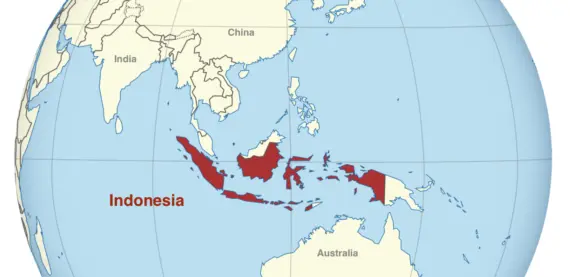
As global e-commerce titans increasingly fight for saturated market share in North America, Western Europe, and parts of East Asia, international brands looking for explosive, untapped growth are casting their gazes southward. The destination capturing boardrooms from New York to Singapore is Indonesia: a sprawling, vibrant archipelago that represents the ultimate frontier of digital retail potential.
According to data compiled by the United Nations, Indonesia stands as the fourth most populous nation on earth in 2026, housing an impressive 288 million residents. It trails only India (1.46 billion), China (1.41 billion), and the United States (345 million). Yet, despite commanding a massive population, Indonesia’s formal retail economy and overall market value figures present a striking paradox. While the nation boasts digital adoption rates that rival Western nations, its household consumption metrics lag far behind economic superpowers, signaling an extraordinary runway for future expansion.
For foreign brands seeking to diversify out of decelerating markets, Indonesia offers an immense, highly connected digital audience. However, unlocking this potential is not for the faint of heart. Navigating the archipelago requires cutting through a maze of geographical fragmentation, complex regulatory hurdles, language mandates, and strict compliance frameworks. This comprehensive analysis explores the underlying metrics, market dynamics, regulatory requirements, and strategic blueprints foreign merchants must master to conquer Indonesia’s digital gold rush.
Detailed Chronology: The Evolution of Indonesia’s Digital Economy
To understand how Indonesia arrived at its current position as Southeast Asia’s most coveted e-commerce prize, it is vital to trace the rapid evolution of its digital infrastructure and retail landscape over the past decade.
Phase 1: The Mobile-First Leapfrog (2015–2018)
Historically, Indonesia’s development as a unified retail market was hindered by its geography—an archipelago comprising over 17,000 islands spanning a distance roughly equivalent to the width of the United States. Traditional brick-and-mortar retail infrastructure struggled to penetrate remote islands, leaving vast populations underserved.
However, the mid-2010s marked a pivotal turning point. Propelled by declining smartphone prices and aggressive investments in telecommunications infrastructure, Indonesia bypassed the traditional desktop-computer era entirely. Consumers leapt straight into a mobile-first paradigm. Domestic startups such as Tokopedia and Bukalapak capitalized on this wave, building peer-to-peer marketplaces that united buyers and sellers across fractured island chains. Simultaneously, regional players like Shopee and Lazada poured capital into aggressive marketing campaigns, cementing mobile applications as the primary gateway to commerce.
Phase 2: The Marketplace Consolidation and Social Commerce Boom (2019–2023)
As internet access deepened, the market entered a phase of fierce consolidation. Independent local players struggled to match the logistical might and capital burn rates of regional giants. By the early 2020s, a distinct oligopoly emerged, dominated by Shopee Indonesia, Tokopedia, and Lazada, which collectively secured the lion’s share of traditional online retail transactions.
Concurrently, a new paradigm took root: social commerce. Recognizing that Indonesians are among the most active social media users globally, platforms like WhatsApp, Instagram, Facebook, and eventually TikTok Shop transformed casual browsing into immediate transactions. Live-streaming sales became a cultural phenomenon, merging entertainment with instant purchasing power and driving unprecedented engagement among Gen Z and millennial consumers.
Phase 3: Regulatory Realignment and Cross-Border Tightening (2024–2026)
Entering 2026, the Indonesian government has taken a more muscular approach to regulating the digital economy. In a bid to protect domestic micro, small, and medium-sized enterprises (MSMEs) from being undercut by cheap foreign imports, Jakarta introduced stringent regulatory frameworks.
Key milestones in this modern era include mandatory local language compliance (Bahasa Indonesia) for all product descriptions, rigorous business licensing requirements for foreign entities, and the implementation of a strict minimum wholesale value threshold ($100 per unit) for goods entering the country via cross-border channels. These policy shifts have fundamentally altered entry strategies, forcing foreign brands to pivot away from frictionless low-cost cross-border shipping toward deeply localized, omnichannel operating models.
Supporting Context & Metrics: The Numbers Behind the Opportunity
Evaluating retail sales across sovereign borders is notoriously complicated due to conflicting local data collection methodologies and varying economic definitions. To establish a reliable comparative baseline, economists frequently rely on the World Bank’s annual Household Final Consumption Expenditure metric—defined as the market value of all goods and services purchased by domestic households.
Macroeconomic Consumption Comparisons
The most recent comprehensive global datasets reveal a striking gap between traditional retail superpowers and emerging giants:
- United States: $19.8 trillion
- China: $7.48 trillion
- India: $2.4 trillion
- Indonesia: $773.6 billion
While Indonesia’s $773.6 billion household expenditure figure looks modest next to the multi-trillion-dollar figures of the U.S. and China, it must be viewed through the lens of digital adoption and demographic momentum.
Digital Penetration and Internet Usage
According to data compiled by DataReportal in its global digital overview reports, internet user penetration in Indonesia has surged to remarkable heights, sitting shoulder-to-shoulder with developed economies:
- China: 1.3 billion internet users (92% penetration)
- United States: 323.9 million internet users (94% penetration)
- Indonesia: 230.4 million internet users (80% penetration)
- India: 1.0 billion internet users (68% penetration)
With 230.4 million active internet users—and a massive portion of the population concentrated in urban hubs like Greater Jakarta, home to 32 million residents—Indonesia exhibits high digital connectivity coupled with relatively low current per-capita online retail consumption. This divergence points to a textbook definition of an emerging market ripe for exponential online growth.
Market Dynamics: Marketplaces, Social Commerce, and Consumer Behavior
Foreign brands entering Indonesia quickly discover that consumer habits diverge sharply from Western norms. Understanding where and how Indonesians shop is critical for market survival.
The Marketplace Oligopoly
According to data from Australia-based consultancy Asialink, online consumers in Indonesia congregate primarily on three major platforms: Shopee Indonesia, Tokopedia, and Lazada. Together, these three platforms capture an overwhelming 76% of all online retail sales in the country. Notably, players like Shopee and Lazada operate hybrid models, incorporating first-party retail sales alongside their traditional third-party marketplace structures.
International household brands have long recognized this dynamic. Prominent global names—including beauty giants like L’Oréal Paris, Nivea, Garnier, La Roche-Posay, and Maybelline; athletic powerhouses such as Adidas and Puma; technology leaders like Samsung and Xiaomi; and consumer goods stalwarts like Philips, Tefal, Nestlé, and Kellogg’s—maintain a robust, highly visible presence across these local marketplaces.
The Rise of Social Commerce
Traditional marketplaces do not tell the whole story. Indonesia’s digital populace is deeply social. Platforms embedded deeply into daily life—such as WhatsApp for direct-to-consumer messaging, Instagram and Facebook for visual branding and community building, and TikTok Shop for immersive video-driven commerce—command massive shares of consumer attention and wallet share. Brands that fail to integrate social commerce channels into their marketing funnels routinely miss out on high-intent impulse buyers.
Official Statements and Industry Insights
Navigating a market as distinct as Indonesia requires listening closely to trade authorities, international compliance experts, and logistics leaders.
Navigating Structural and Cultural Barriers
Trade authorities and commercial guides, including insights published by the U.S. International Trade Administration, emphasize that foreign brands cannot simply copy-paste a Western or even a neighboring Asian go-to-market playbook into Indonesia. The combination of geographic fragmentation across thousands of islands, distinct cultural nuances, and strict statutory requirements demands localized expertise.
Industry analysts note that while cross-border e-commerce once offered an easy testing ground, regulatory tightening has permanently changed the calculus. As trade compliance experts emphasize, regulatory burdens are designed to protect local ecosystems, meaning foreign brands must commit to structural integration if they wish to capture long-term market share.
Entry Strategy: How Foreign Brands Can Win in Indonesia
For international executives drafting expansion plans, Indonesia presents a triad of entry pathways, each carrying distinct cost structures, risk profiles, and operational demands.
1. Establishing an Independent Entity (PT PMA)
For brands that demand direct, uncompromised control over their operations, intellectual property, and financial flows, establishing a PT PMA (Penanaman Modal Asing) is the gold standard—and frequently the only legal structure that permits complete corporate independence.
However, the compliance threshold is steep. To form a PT PMA in Indonesia, foreign enterprises must satisfy specific regulatory criteria:
- A minimum of two shareholders, at least one of whom must be a foreign entity or individual.
- A hefty minimum capital requirement of $150,000, alongside strict capitalization validation rules.
- Securing a Business Identification Number (NIB or Nomor Induk Berusaha), which is mandatory to legally operate any e-commerce business within the republic.
2. Omnichannel Integration: Distributors and Enablers
Given the high cost and complexity of a PT PMA, many foreign brands choose a blended omnichannel approach. This involves partnering with local entities to handle heavy operational lifting while retaining control over brand equity.
- Local Distributors: Traditional distributors in Indonesia purchase sector-specific inventory wholesale and manage physical redistribution across the archipelago’s complex logistics web. Prominent distribution partners such as DKSH Indonesia and Enseval provide established pathways into domestic retail networks.
- E-Commerce Enablers: Distinct from traditional logistics distributors, e-commerce enablers specialize in managing a brand’s digital storefront, digital marketing campaigns, customer service, and digital fulfillment operations across marketplaces like Shopee and Tokopedia. Leading regional enablers include Jet Commerce and SCI Group.
3. Overcoming Regulatory and Operational Hurdles
Even with the right corporate structure and local partners, brands must clear vital operational hurdles:
- Language Mandates: Under Indonesian law, Bahasa Indonesia is strictly mandatory for all product descriptions, packaging, and digital listings. Failing to localize textual content can lead to immediate compliance penalties.
- The Cross-Border Threshold: Perhaps the most restrictive modern hurdle is the statutory requirement enforcing a minimum wholesale value of $100 per unit on goods entering the country via cross-border shipping. This rule effectively kills low-cost, direct-to-consumer cross-border models (such as shipping low-priced individual items directly from foreign warehouses to Indonesian buyers), forcing brands to hold bulk inventory locally within the country.
Future Outlook
As the calendar moves through 2026 and beyond, Indonesia stands firmly at a crossroads. With a massive population of 288 million—skewing young, digitally native, and hyper-connected via 230 million active internet connections—the foundational ingredients for an economic superpower are fully in place.
The transition from a loose, frontier-style digital bazaar to a tightly regulated, sophisticated digital economy marks a maturing market. For foreign brands willing to invest the requisite capital, master the complexities of local distribution, navigate the strict parameters of a PT PMA or trusted enabler partnership, and respect cultural and language mandates, the rewards will be immense.
Indonesia is no longer just an "overlooked e-commerce market." It is the defining digital frontier of South and Southeast Asia—and the brands that establish deep roots in the archipelago today will capture the trillion-dollar consumer economy of tomorrow.