Executive Overview
For digitally native direct-to-consumer (D2C) brands, the leap from online storefronts to physical retail represents the ultimate validation—and one of the most treacherous commercial milestones. This paradox is acutely visible in the luxury wellness, resort, and boutique spa sector. While spa managers and procurement directors perpetually hunt for exclusive, cutting-edge offerings to delight discerning clientele, they are simultaneously risk-averse. They operate under a strict commercial imperative: consumers buy what they know, trust, or have seen recommended elsewhere.
This tension creates a formidable barrier to entry for emerging international companies or domestic e-commerce startups trying to crack the physical retail code. A recent pitch encounter in California—where a major spa manager flatly declined to carry an award-winning, wildly popular French beauty brand simply because her local clientele had never heard of it—encapsulates the core dilemma. For online brands, relying on standard digital acquisition playbooks to secure physical shelf space is a recipe for wasted capital and frustration.
Successfully bridging the digital-to-physical divide requires a fundamental restructuring of marketing strategies, key performance indicators (KPIs), and go-to-market timelines. Brands must pivot from chasing immediate transactional conversions to investing heavily in long-term industry awareness, physical networking, and grassroots professional trust. This comprehensive playbook explores the intricacies of transitioning a D2C beauty brand into spas and resorts, analyzing industry friction points, operational sequencing, B2B-specific metrics, and the delicate balance required to maintain an omnichannel ecosystem without alienating brick-and-mortar partners.
Detailed Chronology: The Anatomy of a Missed Pitch and a Paradigm Shift
The transformation of modern beauty marketing often begins in unexpected field encounters. The realization that digital ubiquity does not automatically translate to physical retail cachet usually dawns on founders and brand representatives during real-world sales pitches.
The California Encounter: A Microcosm of Industry Hesitation
The pivot point for many brand consultants occurs during face-to-face meetings with gatekeepers in high-end wellness markets like Southern California. Imagine walking into a premier, high-traffic boutique spa with an established European beauty line. The brand boasts robust sales across Paris and Tokyo, striking packaging, clinically proven formulations, and a strong digital footprint.
The pitch is straightforward: "Become the exclusive regional home for this high-end European innovation. Your clients will love being the first in the U.S. to experience it."
The expected response is enthusiasm, or at least curiosity. Instead, the seasoned spa manager pauses, examines the sleek product line, and politely declines. The reasoning is pragmatic:
- "Our clients ask for brands they already know or that come via trusted word-of-mouth recommendations."
- "Taking on an entirely unfamiliar brand—even a prestigious one—represents an unmitigated commercial risk."
- "Shelf space is precious real estate. Every square inch must generate guaranteed revenue."
This single interaction exposes a systemic disconnect in modern beauty marketing. E-commerce brands are accustomed to measuring success through paid acquisition metrics, instant add-to-cart rates, and rapid algorithmic targeting. However, physical spa retail operates on an entirely different psychological frequency: safety, familiarity, and tactile trust.
The Strategic Reversal
Experiencing this rejection forces a fundamental overhaul of how online companies approach physical retail expansion. Founders must unlearn the habit of treating B2B sales as a mere extension of digital ad spend. Instead, the timeline from initial brand introduction to the first wholesale purchase must be viewed as a measured, relationship-driven marathon rather than a digital sprint.
- Months 1–2: Cultural and Network Immersion. Shifting focus away from digital cold outreach and toward localized industry associations and trade events.
- Months 3–4: The Soft Entry Strategy. Targeting retail-sized products rather than professional back-bar stock; prioritizing esthetician education over corporate executive pitches.
- Months 5–6: Co-Development and Integration. Partnering on seasonal treatment protocols, securing initial purchase orders, and gradually earning the right to anchor the back bar.
Supporting Context & Metrics: Navigating the B2B Landscape vs. D2C Realities
Transitioning from an online-first model to a hybrid omnichannel presence requires a radical re-evaluation of data, outreach methods, and marketing channels. What drives hyper-growth in a D2C environment can actively sabotage B2B retail negotiations.
The Fallacy of Cold Emailing in the Spa Sector
In traditional digital marketing, cold email outreach is a staple tactic, optimized through relentless A/B testing of subject lines, hooks, and calls to action. In the spa and resort industry, however, the medium largely fails.
While cold email campaigns targeting busy spa directors can occasionally boast misleadingly high open rates (sometimes cresting 80% due to automated tracking pixels or curious managers clearing their inboxes), actual conversion rates remain abysmal. Spa managers and resort procurement heads are perpetually on the floor, managing staff, consulting clients, and handling operational fires. They respond rapidly to direct client communications and urgent operational needs; cold vendor pitches are routinely read, mentally bookmarked, and permanently forgotten.
- The Exception: Licensed estheticians represent a notable exception to the cold outreach rule. Because estheticians are deeply passionate about ingredient decks, skin physiology, and treatment efficacy, they are far more likely to engage with informative, formulation-focused digital outreach.
The Power of Industry Associations and Experiential Events
If digital cold outreach fails, how do brands build the necessary awareness to overcome the "unfamiliar brand risk"? The answer lies in physical proximity and industry immersion.
Joining regional trade collectives—such as the SoCal Spa Wellness Collective—serves as a vital anchor for emerging brands. These organizations systematically unite industry leaders, boutique spas, wellness retreats, and luxury manufacturers to foster collaboration, innovation, and mutual growth. While annual membership dues require financial investment, they grant brands immediate access to decision-makers who would otherwise be unreachable behind gatekeeper receptionists.
Similarly, exhibiting at curated industry gatherings like Live Love Spa events transforms brand acquisition. A single well-executed booth allows a brand founder to hold meaningful, face-to-face conversations with dozens of vetted spa directors in a single weekend.
- The Founder’s Hesitation: European and tech-native founders frequently question the upfront costs and labor-intensive nature of physical trade events.
- The Market Reality: The math proves them wrong. Securing just one major regional resort or luxury spa through an in-person event creates a crucial regional reference account. Once a flagship resort adopts a brand, neighboring competitors routinely follow suit out of a fear of missing out.
Retail vs. Back Bar: Knowing Which Door to Enter
A critical strategic error made by incoming brands is attempting to displace established back-bar products. Back bar items are the professional-grade cleansers, serums, masks, and massage oils that estheticians use during actual treatments.
- The Back-Bar Barrier: Spas build their signature facial protocols around trusted back-bar lines they have used for years. Displacing these products requires deep institutional trust, complex staff retraining, and overcoming immense operational inertia.
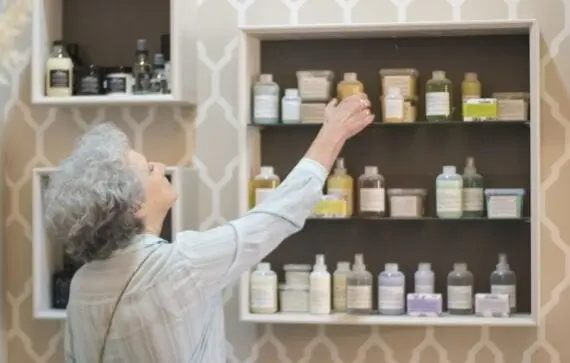
- The Retail Gateway: Retail products—the cleansers, daily sunscreens, and targeted makeup removers displayed on shelves for clients to purchase on their way out—represent the path of least resistance. Consumers browse retail shelves during or immediately after a treatment, making it the ideal entry point for an unfamiliar brand.
Once a brand establishes a foothold in the retail section, the path opens to co-develop seasonal treatment protocols with the spa’s estheticians. Over a typical six-month cultivation period, successful brands organically transition from the retail shelf to the treatment room’s back bar.
Official Statements and Industry Insights
Navigating the nuances of professional beauty distribution requires listening closely to the voices shaping the aesthetic economy. Industry veterans emphasize that the rules of influence in physical spas diverge sharply from the digital influencer economy.
Redefining the Influencer: Estheticians Over Lifestyle Creators
In the standard D2C playbook, marketing budgets are funneled toward prominent lifestyle influencers on Instagram and TikTok, whose broad reach drives top-of-funnel awareness. In the spa channel, however, lifestyle creators hold virtually zero sway over a spa manager’s purchasing decisions.
"Spa managers and directors do not care how many millions of followers a lifestyle creator has. They care about the professional authority of licensed estheticians. An esthetician with a mid-sized, highly engaged, hyper-local audience carries infinitely more weight in a treatment room than a global mega-influencer."
— Industry Beauty Consultant and Retail Strategist
When a trusted esthetician passionately recommends a home-care regimen to a client following a facial, the conversion rate is exceptionally high. Therefore, brands must treat estheticians as their primary brand ambassadors, equipping them with deep educational resources, generous sample programs, and uncompromised professional support.
The Digital Scrutiny of B2B Buyers
Before a spa manager agrees to a discovery call or orders test inventory, they will conduct a thorough audit of the brand’s digital infrastructure. Unlike casual retail consumers who might impulse-buy via an appealing TikTok video, B2B buyers perform rigorous due diligence.
Spa directors routinely scrutinize:
- Site Architecture: Is the brand’s website clean, professional, and structurally sound?
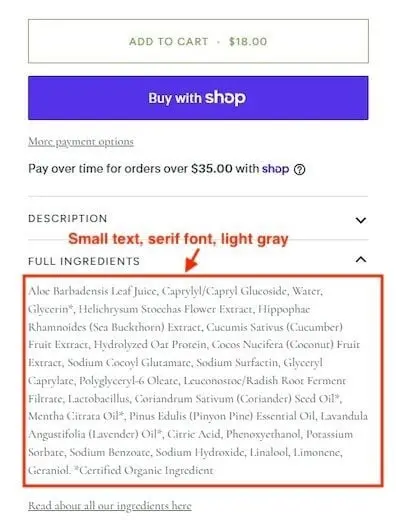
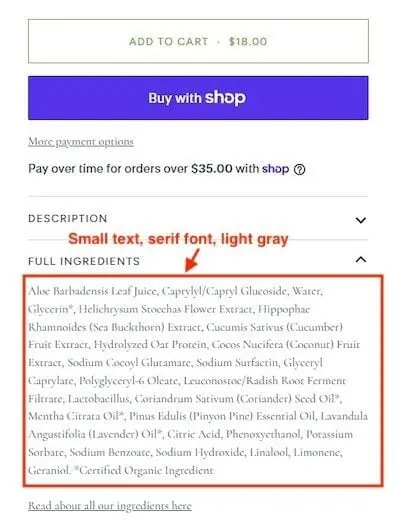
- Ingredient Transparency: Are formulations clearly listed with detailed, scientific explanations of active ingredients?
- Visual Assets: Do product images reflect luxury, clinical precision, and professional standards?
- Clear Calls to Action: Is it easy for a wholesale buyer or professional esthetician to navigate the site, access trade information, and request samples?
Future Outlook: Key Performance Indicators and Omnichannel Equilibrium
As the line between digital-native brands and traditional brick-and-mortar retail continues to blur, the metrics used to measure business health must evolve. E-commerce leaders transitioning into physical retail must learn to track a dual set of key performance indicators (KPIs) that reflect both digital authority and physical market penetration.
Shifting B2B KPIs for E-Commerce Leaders
Traditional D2C metrics—such as immediate conversion rates, purchase frequency, average order value (AOV), and return on ad spend (ROAS)—are inadequate when evaluating the health of an emerging B2B wholesale strategy. Brands targeting physical retail must shift their analytical focus toward indicators of brand equity and professional interest:
- Branded Search Volume: Tracking increases in regional Google searches for the brand name, indicating that trade events and local word-of-mouth are successfully driving curiosity.
- Direct Traffic Growth: Measuring organic surges in visitors typing the URL directly into their browsers, reflecting offline-to-online spillover.
- Professional Registrations: Monitoring the volume of licensed estheticians and spa buyers signing up for trade accounts on the brand’s portal.
- Sample Requests: Tracking the velocity of professional sample kits shipped to spa directors and estheticians.
- "Where to Buy" Clicks: Analyzing user engagement with store locators, which signals active consumer demand in specific geographic clusters.
Maintaining Omnichannel Harmony
A successful omnichannel strategy requires a delicate balancing act to ensure that the D2C digital storefront and the B2B physical retail network do not cannibalize one another.
- Product Segmentation: Sell only products through direct channels that naturally fit consumer home-care routines—such as retail-sized cleansers, daily-use sunscreens, and gentle makeup removers.
- Gated Professional Inventory: Place heavy-duty, high-concentration professional-use products (such as deep chemical peels or specialized equipment formulas) securely behind a login wall, ensuring wholesale pricing and professional SKUs are strictly inaccessible to retail consumers.
- Enforcing Minimum Advertised Pricing (MAP): Protect retail partners by rigorously enforcing MAP policies across all shared SKUs. If a D2C site runs aggressive, deep-discount flash sales on items that local spas are trying to sell at full retail price, trust is instantly shattered, and retail partners will drop the brand without hesitation.
Conclusion: The Virtue of Patience
Ultimately, penetrating the physical spa and resort market cannot be hacked, automated, or rushed through digital ad spend. It is a relationship-driven endeavor built on mutual trust, impeccable product performance, esthetician advocacy, and operational reliability. By understanding the risk-averse mindset of spa managers, prioritizing real-world industry events, mastering the distinction between retail gateways and back-bar staples, and aligning B2B metrics with long-term brand awareness, e-commerce beauty brands can successfully build a resilient, enduring omnichannel presence that thrives both online and on the physical shelf.